
2011 Van Trailers For Sale in New York
Shop 2011 van trailers for sale, including 48-foot and 53-foot dry vans with tandem axles, roll-up doors, air ride, and delivery-ready specs.
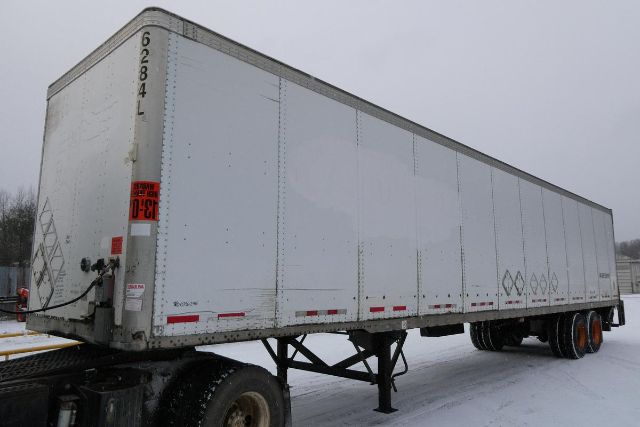
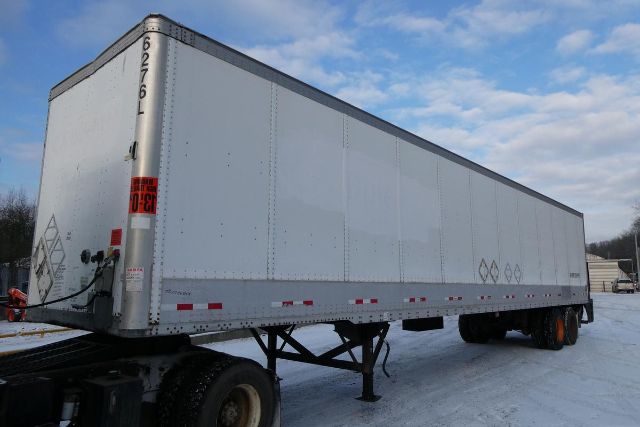
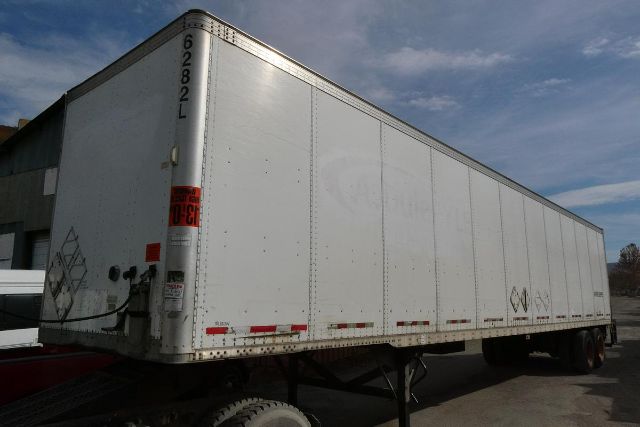
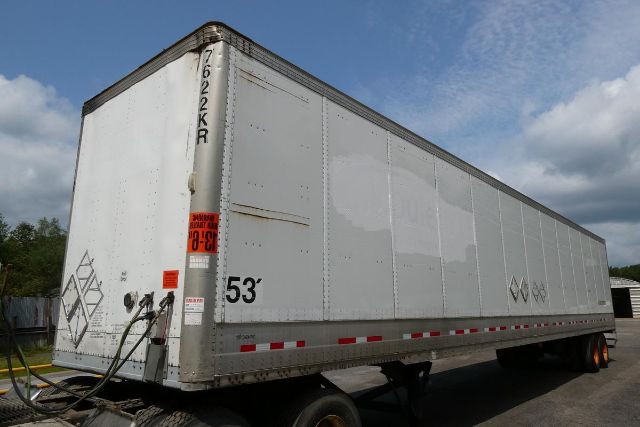
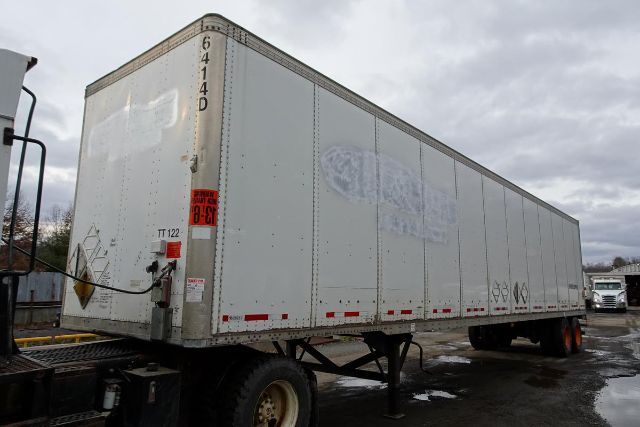
Have 2011 van trailer to sell? List it here to reach thousands of buyers.
2011 Van Trailers in New York
Axle setup is one of the first decisions to make on a used 2011 dry van trailer. Many units in this age group are spec'd with slideable closed tandems, which give more flexibility for bridge laws, axle scaling, and load placement. Fixed single axle and spring ride configurations also show up, especially on shorter pup-style vans used in city routes or doubles service. Suspension type affects ride quality and maintenance profile. Air ride is generally preferred for sensitive freight and better cargo protection, while spring ride can still make sense for simpler applications where lower complexity is a priority. Tire size, hub-piloted steel wheels, brake condition, and slider rail wear should all be checked closely on a trailer of this age.
Body condition is where a 2011 van trailer can separate itself quickly. Buyers should pay attention to roof integrity, front wall condition, floor wear, scuff liner condition, and door frame corrosion. Roll-up doors are common and work well for dock and route freight, but they need inspection for panel damage, track wear, and smooth operation. A translucent roof can improve interior visibility during loading, and some trailers from this period were equipped with tire inflation systems, side skirts, or liftgates. A liftgate can add real value for final-mile or store delivery work, but hydraulic performance, platform condition, and rated capacity need to be verified. On northeastern lanes, road salt exposure makes underside corrosion, crossmember condition, and rear frame repairs especially important.
A 2011 van trailer can still be a productive asset when the spec matches the freight. Standard dry vans, also known simply as box trailers, are built to protect palletized freight, packaged goods, retail product, and general commodities from weather and theft. The best choice depends on cube, payload, route density, and dock environment. A lighter 48-foot tandem axle van may suit regional freight and tighter yards, while a 53-foot dry van is usually the better fit for maximizing cubic capacity in linehaul service. Buyers comparing listings should look beyond year and brand and focus on usable door opening, floor life, suspension, axle configuration, and any added equipment that supports the intended operation.
Frequently Asked Questions about 2011 Van Trailers in New York
What should I inspect first on a 2011 van trailer?
Start with the floor, roof, rear frame, door assembly, suspension, and running gear. On a 2011 dry van, floor rot or soft spots, roof leaks, crossmember corrosion, slider wear, and door frame damage can affect both safety and daily usability. In New York and other salt-belt markets, underside corrosion is a major factor, so inspect the subframe, landing gear mounts, brake components, and light wiring carefully.
Are slideable tandems better than fixed axles on a used van trailer?
Slideable tandems offer more flexibility for axle weight distribution, bridge law compliance, and loading position, which makes them a strong choice for general freight and multi-state operation. Fixed axles are simpler and can work well in dedicated service where load patterns stay consistent. The better setup depends on the route, freight profile, and how often the trailer needs to be re-positioned for legal scaling or dock access.
Is a 48-foot or 53-foot 2011 van trailer the better buy?
A 53-foot van trailer usually delivers better cubic capacity and is the standard choice for long-haul and high-volume freight. A 48-foot van can still be a smart fit for regional work, tighter customer yards, or operations that do not need maximum cube. The decision should come down to lane requirements, dock space, legal length considerations, and the type of freight being loaded rather than price alone.
What features add value on a 2011 dry van trailer?
Useful value-add features include air ride suspension, tire inflation systems, translucent roofs, sound flooring, good rear door hardware, and a clean, damage-free interior with usable scuff protection. A working liftgate can be valuable for route delivery and freight without dock access. Side skirts may also help on fuel-conscious operations, although their value depends on route speed, condition, and how much highway mileage the trailer will run.
How long can a 2011 van trailer stay productive in fleet service?
A well-maintained 2011 van trailer can remain productive for years if the structure, floor, suspension, brakes, and rear frame are still sound. Dry vans often stay in service longer than power units because they have fewer drivetrain-related costs, but structural condition is everything. Maintenance history, prior body repairs, corrosion exposure, and how hard the trailer was loaded matter more than model year by itself.