
2011 Van Trailers For Sale
Shop 2011 van trailers with common 48-ft to 53-ft dry freight specs, air ride options, swing or roll doors, and logistics-ready interiors.
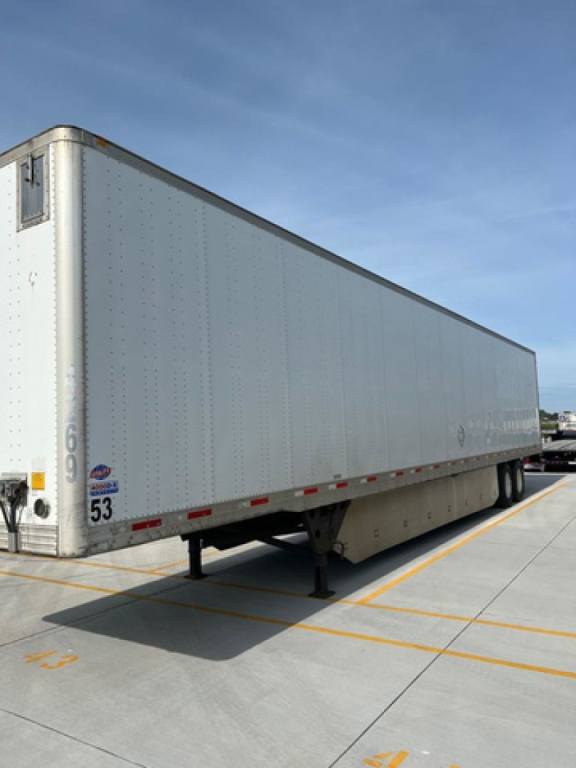
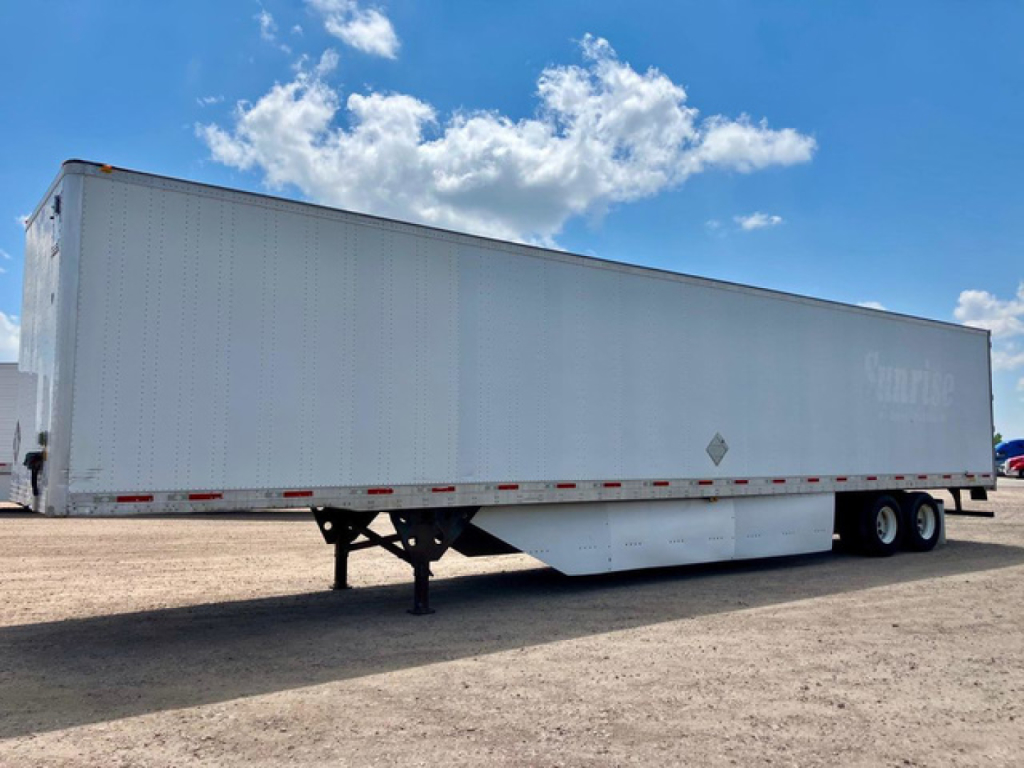
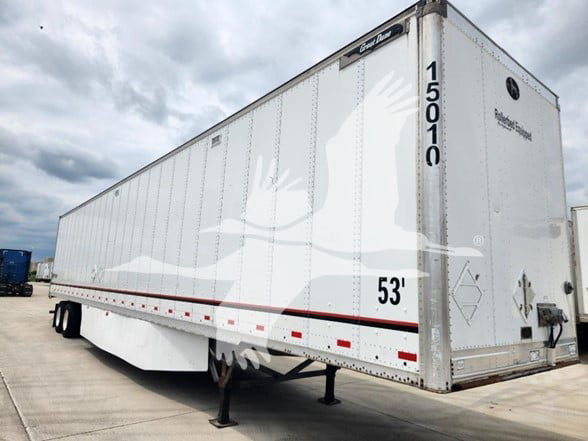
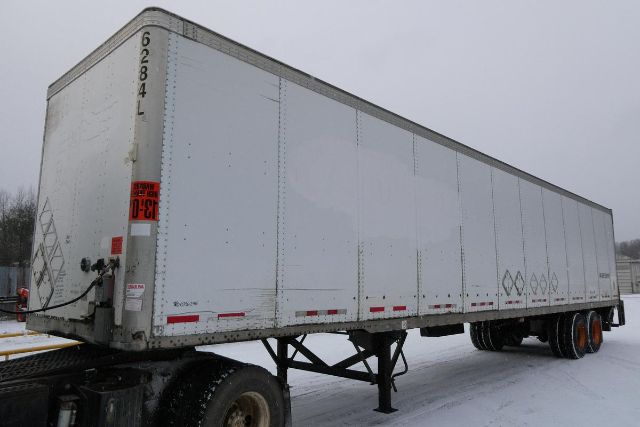
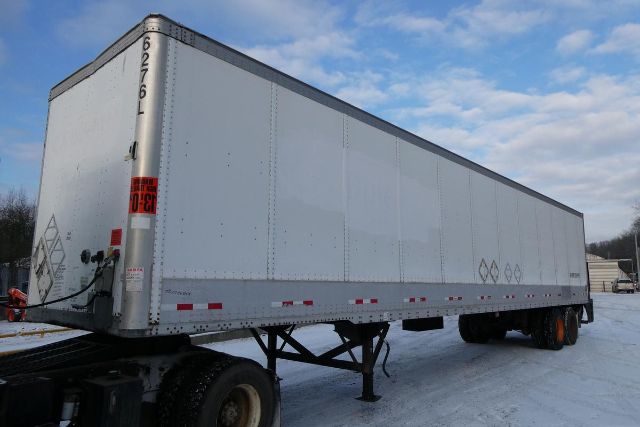
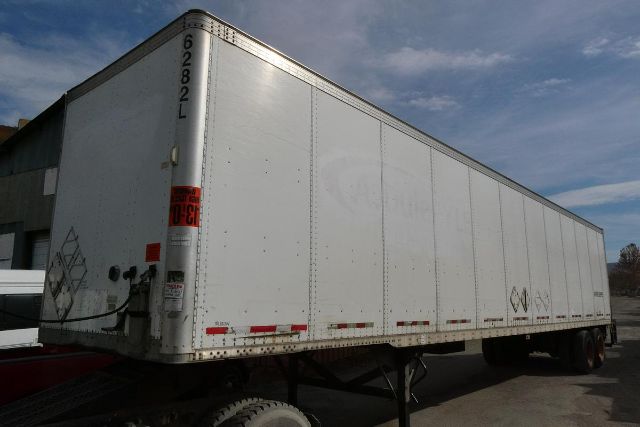
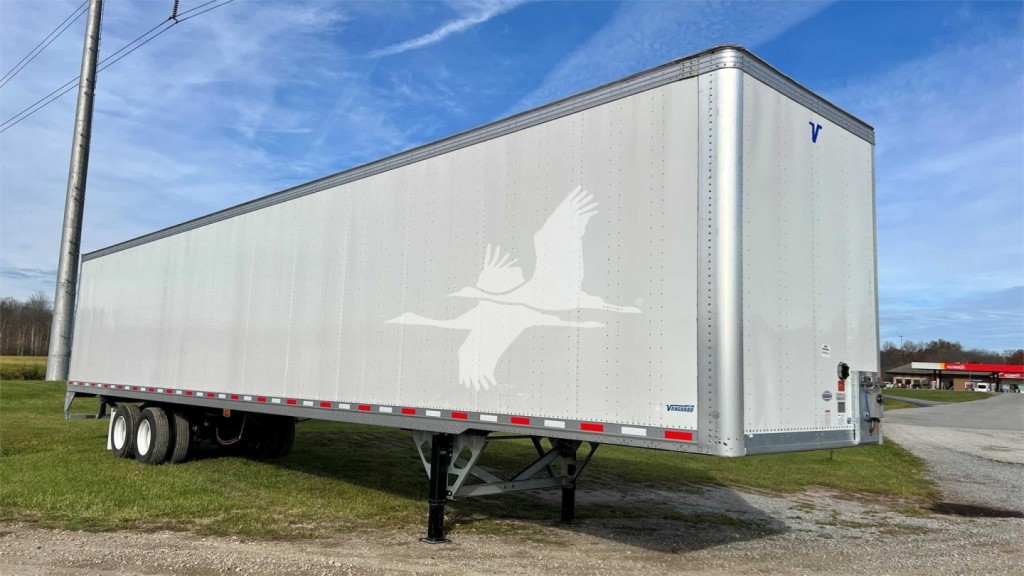
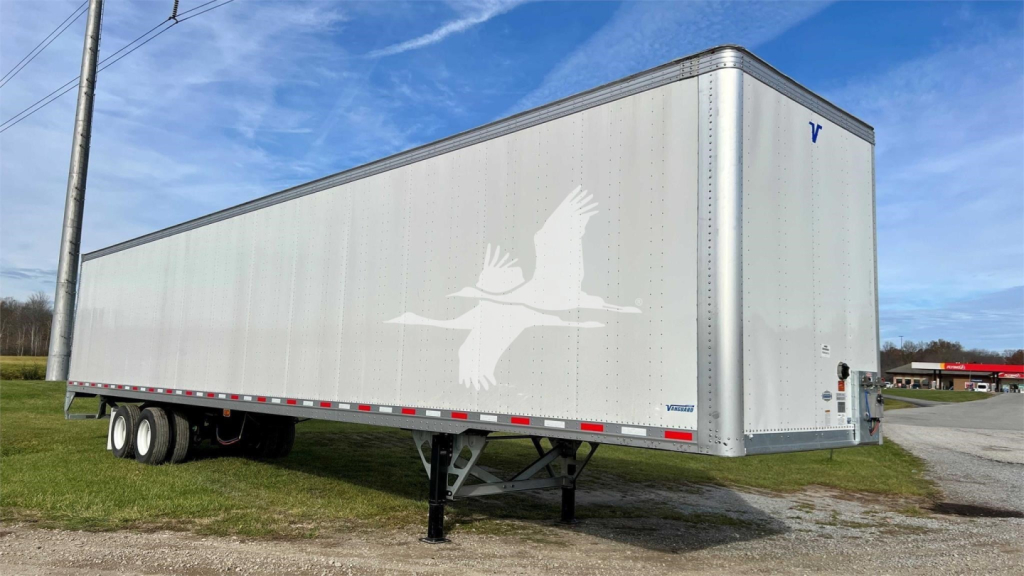
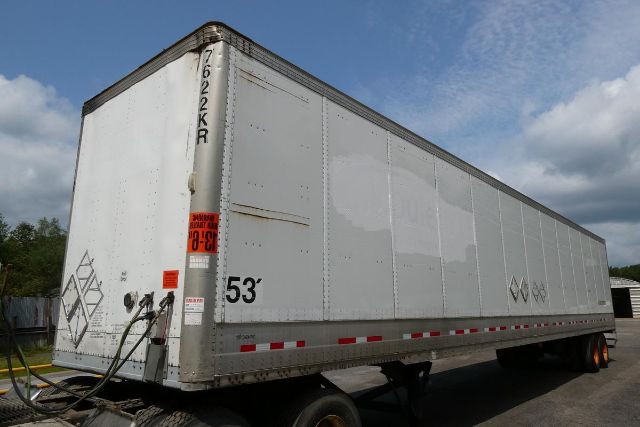
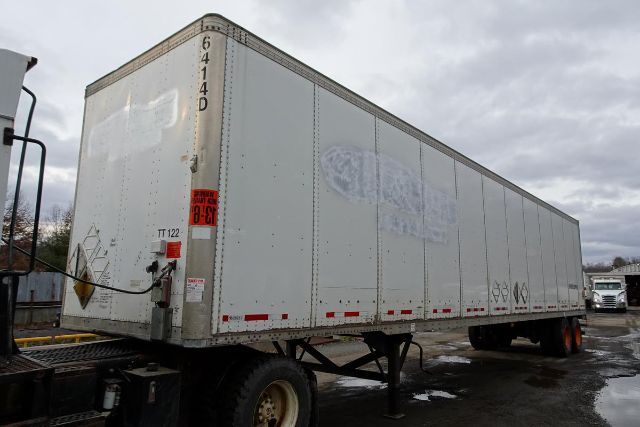

Have 2011 van trailer to sell? List it here to reach thousands of buyers.
2011 Van Trailers
The biggest buying decisions usually come down to floor life, suspension, and door configuration. A wood floor is still standard on many dry vans because it handles concentrated forklift traffic and is straightforward to repair, but buyers should look closely for rot, soft spots, patched crossmembers, and threshold wear. Air ride suspension is preferred for freight protection and resale, while spring ride can still make sense in certain local applications where simplicity matters. Swing doors remain common and durable, though roll doors may be useful in multi-stop operations where dock clearance is limited. Sliding tandems are also worth noting if bridge law compliance and axle spread flexibility are part of the route profile.
Interior specs can make a major difference in daily use. Plywood lining, scuff liners, logistic posts, and E-track or other cargo control systems add value for carriers handling mixed freight or high-touch loads. Roof condition is another critical checkpoint on a 2011 trailer, especially around seams, rivet lines, and previous repairs. Buyers should also inspect ICC bumper integrity, landing gear operation, brake type, tire condition, wheel-end service records, and signs of uneven suspension wear. Dry vans from this model year may have drum or disc brakes depending on spec and prior fleet configuration, so brake replacement cost and parts commonality should be factored into total operating cost.
For many operations, a 2011 van trailer sits in a practical middle ground between purchase price and usable service life. It can be a cost-effective choice for warehouse transfer, dedicated contract freight, seasonal surge capacity, or as a backup trailer in a larger fleet. The strongest candidates are trailers with straight sidewalls, dry interiors, solid rear frames, clean title history, and evidence of consistent PM work. If the trailer will be loaded heavy or cycled constantly at busy docks, pay close attention to floor rating, rear sill condition, door frame alignment, and tandem slider wear, since those areas tend to show the real story of how a van trailer has been used.
Frequently Asked Questions about 2011 Van Trailers
What are the most common specs on a 2011 van trailer?
Most 2011 van trailers on the market are 53-foot dry vans with a 102-inch width, 13-foot 6-inch overall height, tandem axles, and 22.5-inch wheels and tires. Aluminum sheet-and-post construction is common, along with wood floors, swing doors, and either air ride or spring ride suspension. Some 48-foot units are still in circulation, especially in regional or private fleet applications.
What should I inspect first on a used 2011 dry van trailer?
Start with the floor, roof, rear frame, and suspension. The floor should be checked for forklift damage, soft spots, patched sections, and crossmember fatigue. The roof should be dry and free of major seam repairs. The rear frame, threshold, and door opening often show damage from repeated dock contact. Suspension wear, tandem slider operation, brake condition, and wheel-end maintenance history will tell you a lot about upcoming repair costs.
Is air ride better than spring ride on a 2011 van trailer?
Air ride is usually the better choice for general freight because it improves ride quality, reduces cargo shock, and tends to help resale value. It is especially useful for palletized consumer goods, packaged food, and other freight that benefits from a smoother ride. Spring ride can still be acceptable for some local and lower-sensitivity freight applications, but most buyers shopping used dry vans prefer air ride if all other conditions are similar.
How important are logistics posts, scuff liners, and cargo control in a 2011 van trailer?
These features matter more than many buyers expect because they directly affect how many freight types the trailer can handle. Logistics posts, E-track, and scuff liners improve load securement flexibility and help protect the walls from forklift and pallet damage. A trailer with a clean interior and useful cargo control can fit a broader range of shippers and may reduce cosmetic and structural wear over time.
Can a 2011 van trailer still be a good fleet purchase?
Yes, if the trailer has been maintained properly and the structure is still sound. A 2011 van trailer can be a practical option for regional freight, dedicated lanes, warehouse shuttles, and backup capacity when the purchase price is aligned with condition. The best value is usually found in trailers with straight body lines, dry roofs, solid floors, serviceable brakes and tires, and no major damage around the tandem rails or rear door frame.