
2011 Vanguard Van Trailers For Sale in New York
Shop 2011 Vanguard van trailers with common specs, cargo options, sliding tandems, roll-up doors, and dry freight buying insights.
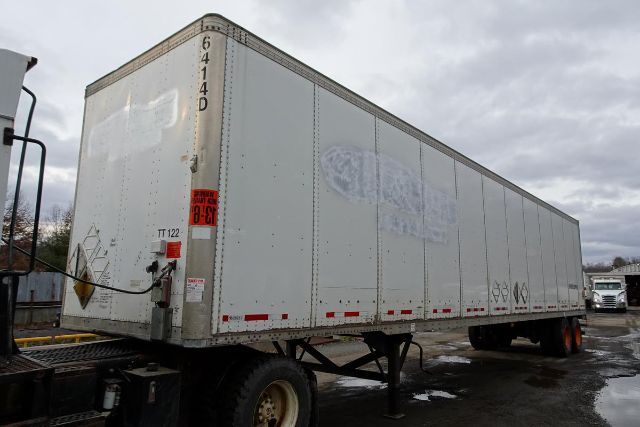
Have 2011 vanguard van trailer to sell? List it here to reach thousands of buyers.
2011 Vanguard Van Trailers in New York
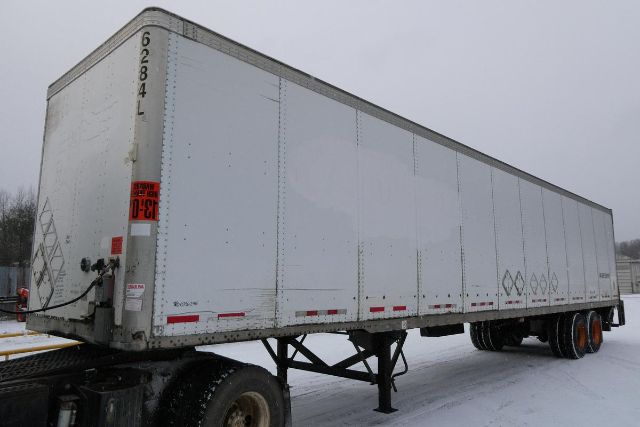
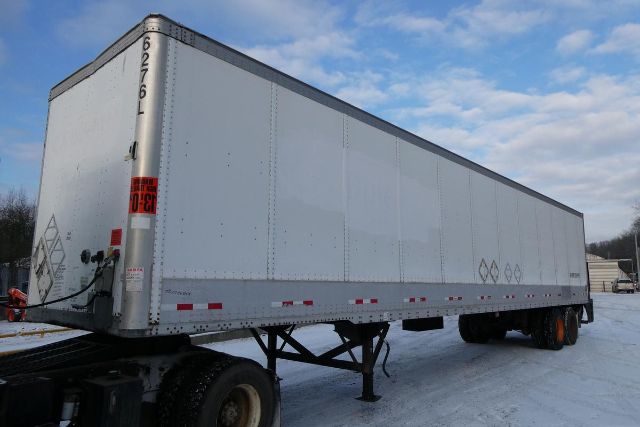
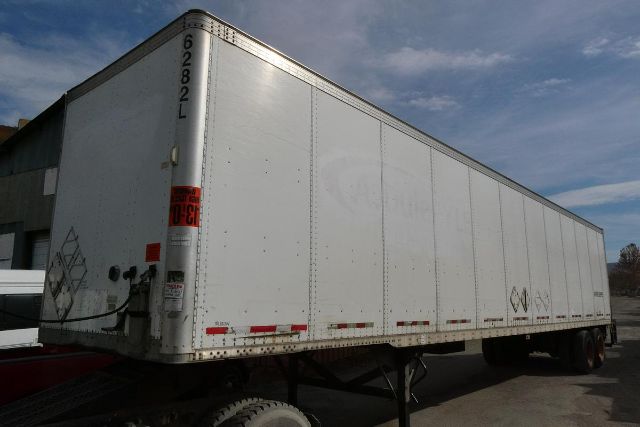
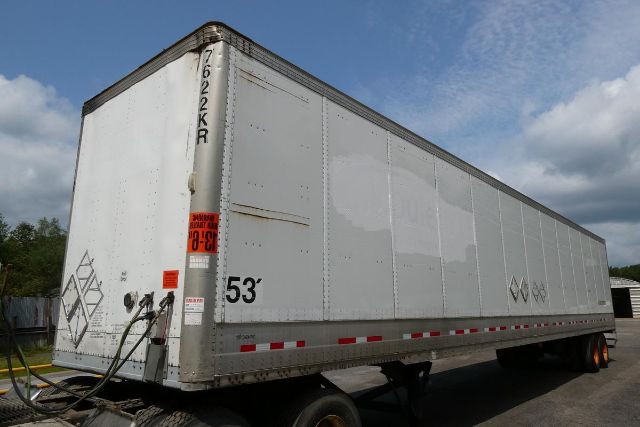
The first decision is usually length and door setup. A 53-foot van gives more cube for palletized freight and high-volume lanes, while a 48-foot trailer can make sense in tighter urban work, older docks, and operations with route-specific trailer length limits. Roll-up doors are common on Vanguard vans from this era and are useful for frequent dock stops because they do not swing into the loading area. Load height and interior width matter if you are planning around standard pallet counts, load bars, vertical logistics tracks, or mixed LTL-style freight. Buyers should also note roof construction, since translucent roofs can improve daytime visibility inside the trailer, while aluminum roof designs may be preferred for long-term durability goals.
Running gear and underbody condition deserve close attention on a 2011 model. Many units in this class have slideable closed tandems, which help with bridge law compliance, dock weight distribution, and lane flexibility. A 4-bag air ride suspension is a common spec and is generally favored for ride quality on dry goods and packaged freight. Tires are often 11R22.5 on hub-pilot steel wheels, which keeps replacement and service straightforward. Tire inflation systems are a valuable feature on used van trailers because they can help manage tire life and reduce roadside downtime. It is also smart to inspect floor condition, rear frame area, crossmembers, door surround, and kingpin plate wear, especially on trailers that have spent years in heavy dock cycles.
Some 2011 Vanguard van trailers are equipped beyond basic dry van service, including hydraulic liftgates, interior logistics posts, load bars, or even heater packages for freight that needs temperature protection without full refrigerated service. A liftgate can add real value for store delivery, final-mile commercial stops, and locations without docks, but it also adds weight and maintenance points. Buyers in New York and the Northeast should pay extra attention to corrosion around the rear structure, landing gear mounts, suspension components, and electrical connections due to winter road treatment exposure. The best trailer in this category is the one whose length, door style, axle setup, and cargo-handling equipment match the freight profile and loading environment you run every day.
Frequently Asked Questions about 2011 Vanguard Van Trailers in New York
What should I look for first on a used 2011 Vanguard van trailer?
Start with the structural and wear items that affect serviceability and future repair cost. Check the floor for rot, delamination, fastener pull-through, and forklift damage. Inspect the roof, side panels, front wall, rear frame, and door surround for impact repairs, leaks, or corrosion. Underneath, focus on crossmembers, slider rails, suspension hangers, brake components, landing gear, and the kingpin and fifth wheel plate area. On a 2011 trailer, condition matters more than the badge on the nose, so maintenance history and evidence of proper repairs are major buying factors.
Is a 48-foot or 53-foot Vanguard van trailer better for my operation?
A 53-foot van trailer is typically the better fit for maximizing cubic capacity and standard over-the-road dry freight volume. It is the common choice for palletized truckload freight and larger distribution networks. A 48-foot trailer can still be a smart buy for regional routes, urban deliveries, tighter yards, and freight lanes where extra cube is less important than maneuverability. The right choice depends on dock layout, customer locations, legal route restrictions, and how often you need maximum pallet count versus easier access in confined areas.
Why is a sliding tandem important on a dry van trailer?
A sliding tandem gives the trailer more flexibility in axle weight distribution and bridge law compliance. That matters when freight is loaded inconsistently, when customer freight is heavy on one end, or when different states and routes create axle spacing concerns. It can also help position the trailer better at docks and improve operational flexibility across mixed lanes. On a used trailer, make sure the slider pins engage properly and inspect the rails and locking mechanism for wear, rust, or damage.
Are liftgates and logistics tracks worth paying extra for on a van trailer?
They can be, if the freight and stop profile support them. A hydraulic liftgate is valuable for store delivery, route delivery, and sites without docks, but it adds tare weight and introduces another maintenance system. Interior logistics tracks, load bars, and cargo control hardware are useful for mixed freight, partial loads, and damage prevention. If your operation is mostly dock-to-dock full truckload freight, those options may be less critical. If your freight changes often or includes retail and distribution work, they can make the trailer more versatile.
How durable are 2011 Vanguard van trailers in Northeast service?
They can remain productive units, but Northeast exposure makes condition inspection especially important. Road salt, freeze-thaw cycles, and dense dock use can accelerate corrosion on rear impact guards, suspension parts, landing gear, wiring, and steel support areas. A well-maintained trailer with documented repairs can still be a strong value, but buyers should inspect for rust scale, patchwork, water intrusion, and prior body repairs. In this region, a clean undercarriage and solid rear structure often tell you as much as the exterior panels do.