
2010 Van Trailers For Sale in New York
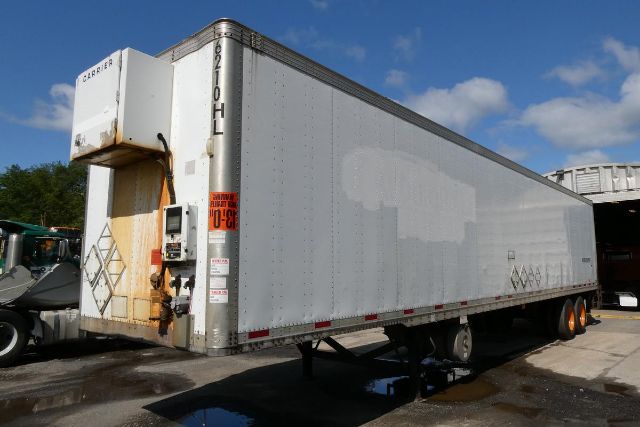
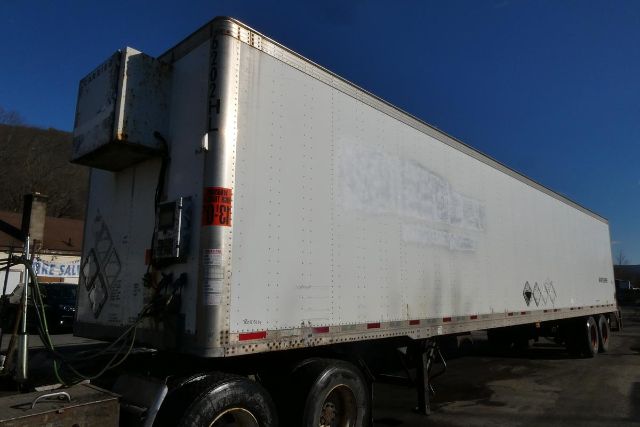
Shop 2010 van trailers for sale in New York. Compare dry van specs, lengths, axle setups, doors, floors, and freight-ready features.
Learn more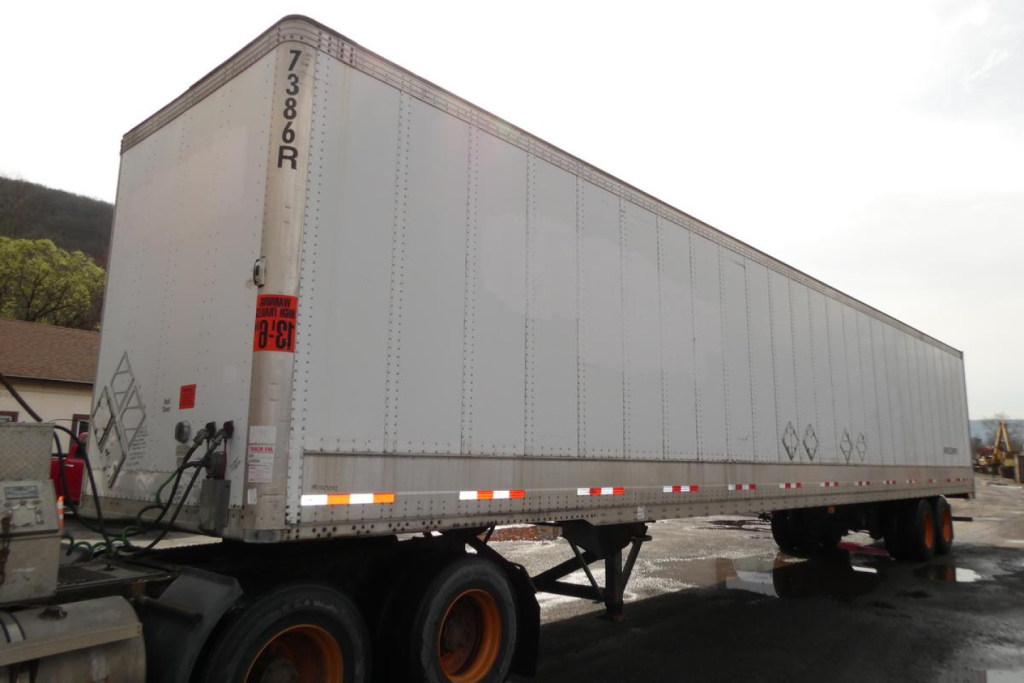
Have 2010 van trailer to sell? List it here to reach thousands of buyers.
About 2010 Van Trailers in New York
The biggest buying decision is usually configuration, not brand. In van trailers, that means length, door style, suspension, and axle arrangement. A slideable tandem is common and matters in New York and throughout the Northeast where bridge law compliance, axle spread, and dock maneuvering can affect day-to-day usability. Roll-up doors are common on distribution-spec trailers because they work well at tight docks and with liftgate applications, while swing doors are often preferred when maximum rear opening and simpler repair costs matter more. Floor type also deserves close attention. Wood floors remain common and repairable, but buyers should inspect for forklift damage, soft spots, broken boards, and crossmember fatigue. Wood-over-steel and hybrid floor designs can offer a good balance of durability and serviceability.
For 2010 dry van trailers, buyers should pay close attention to tare weight, roof condition, sidewall straightness, and the condition of the rear sill and door frame. Tire inflation systems, air-ride suspensions, and aluminum roofs are useful features that can reduce operating headaches if they are still functioning as intended. If a trailer has a heater unit or liftgate, treat those as separate mechanical systems that need inspection on their own. A non-working heater or liftgate can still leave value in the trailer for the right lane, but repair cost should be factored in immediately. On any used van trailer, check kingpin wear, slider rail condition, brake components, bushing wear, and signs of corrosion around the landing gear supports and crossmember attachment points.
In New York service, enclosed vans are often chosen for freight that needs weather protection, security, and cleaner presentation at the receiver. That includes palletized consumer goods, paper products, packaged food, and general dry freight. Buyers moving heavier freight should compare GVWR, floor rating, and suspension condition rather than looking only at overall trailer weight. Buyers focused on city and regional work may value a 48-foot van with a roll-up door and liftgate, while linehaul operations usually lean toward a 53-foot dry van with a standard dock-height setup. The right 2010 van trailer is less about age alone and more about how the trailer was spec'd, how it was maintained, and whether its current condition matches the freight it will be asked to haul.
Frequently Asked Questions
What should I inspect first on a 2010 van trailer?
Start with the structural items that are expensive to correct. Inspect the floor for forklift damage and soft spots, check the crossmembers and rear frame for cracks or corrosion, and look closely at the slider assembly, kingpin, suspension, brakes, and landing gear mounts. After that, inspect the roof, sidewalls, door frame, and rear sill for leaks, impact damage, or repairs that may affect loading and unloading.
Is a 48-foot or 53-foot van trailer better for New York operations?
That depends on the lanes and delivery points. A 48-foot van trailer can be easier to handle in tighter urban areas, older industrial sites, and crowded docks. A 53-foot van trailer usually gives better cube and earning potential on linehaul and higher-volume freight. In New York, many buyers balance payload needs with turning radius, parking realities, and bridge law considerations when choosing between the two.
Are roll-up doors better than swing doors on a dry van trailer?
Roll-up doors are popular for multi-stop distribution because they are convenient at docks and reduce the space needed behind the trailer to open the door. Swing doors generally provide a wider, cleaner opening and tend to be simpler to maintain over time. The better choice depends on freight type, dock conditions, and how often the trailer is opened during a route.
Do liftgates and heater units add value on a used van trailer?
They can, but only if they work properly and match the intended application. A functioning liftgate adds value for deliveries without dock access, and a working heater can be important for certain temperature-sensitive but non-refrigerated freight. If either system is not operational, buyers should price the trailer as a standard van first and then determine whether repair cost makes sense for the route structure.
What are common specs on a 2010 dry van trailer?
Typical specs include 48-foot or 53-foot overall length, 102-inch width, tandem axles, air-ride or spring suspension, 11R22.5 or low-profile 22.5 tires, air brakes, and aluminum or aluminum-steel composite construction. Many units in this age group also have wood floors, slideable tandems, and either roll-up or swing rear doors. Actual payload capability depends on tare weight, axle rating, floor condition, and overall structural integrity.