
2010 Vanguard Van Trailers For Sale in New York
Shop 2010 Vanguard van trailers with common specs, trailer construction details, tandem setups, and cargo features buyers compare most.
Learn more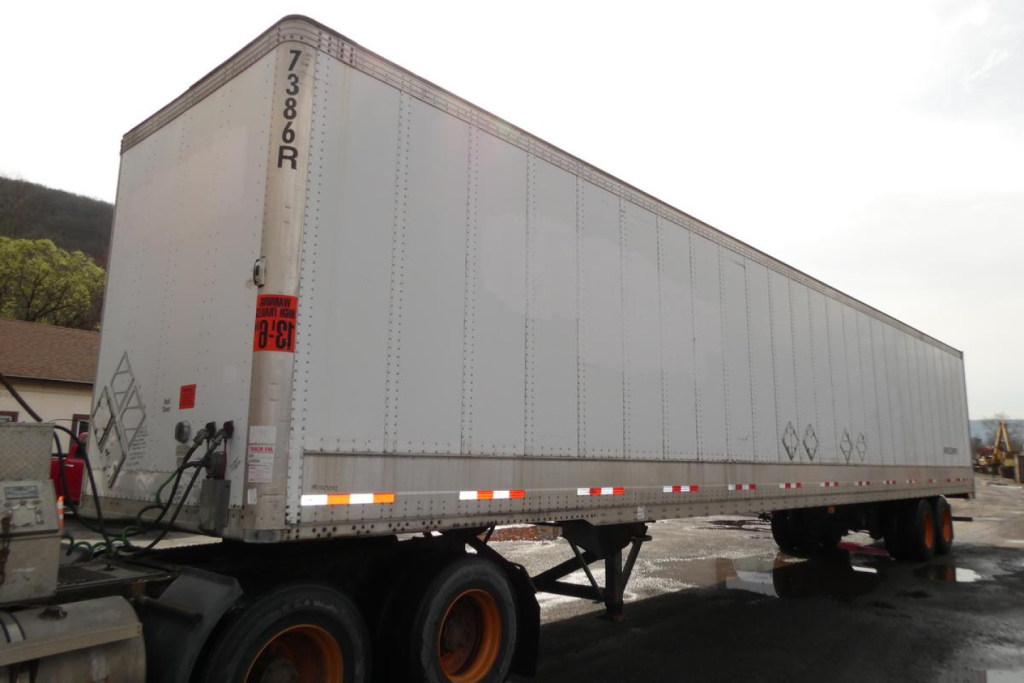
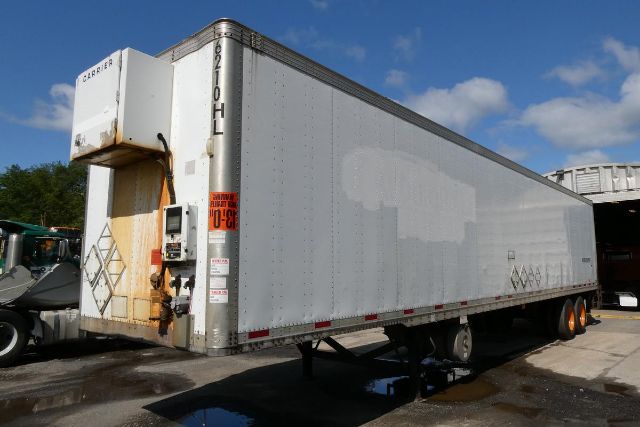
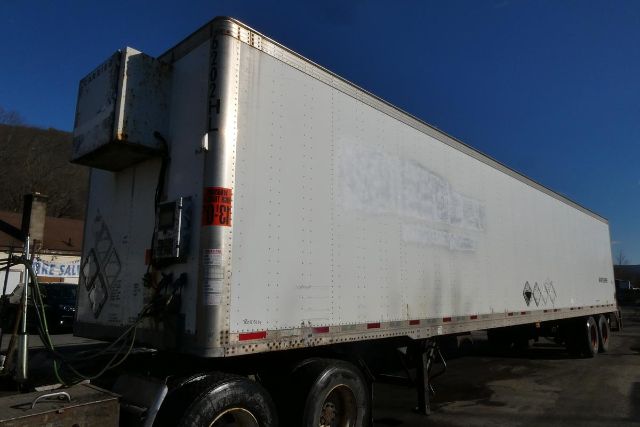
Have 2010 vanguard van trailer to sell? List it here to reach thousands of buyers.
About 2010 Vanguard Van Trailers in New York
The most important buying decision on a used van trailer is not just length or price. It is structural condition. Check the rear frame, door surround, crossmembers, floor wear, and roof condition before focusing on appearance. On a 2010 model, pay close attention to signs of forklift damage inside the nose and at the rear, cracked side panels near the back, floor soft spots, threshold wear, and corrosion around the door frame and substructure. If the trailer has a translucent roof, inspect for age-related brittleness, leaks, and previous patching. If it has an aluminum roof, look for seam condition and any signs of impact or water intrusion.
Spec details can make one Vanguard van far more useful than another. Many buyers want logistics posts or horizontal and vertical logistics track for load securement flexibility. Tire inflation systems can reduce roadside calls and help with tire life, but the plumbing and wheel-end components should be inspected for leaks or bypassed sections. Roll-up doors are common on city and multi-stop trailers because they keep the door out of the dock area, while swing doors may be preferred in some linehaul applications for full rear opening and simpler repair. Some units in this category may also be equipped with liftgates or heater packages, which can add value for final-mile, food service support, or temperature-sensitive freight that does not require a refrigerated trailer.
A 2010 Vanguard van trailer can still be a productive freight box if the floor, suspension, brakes, and body integrity are sound. Air ride suspensions in this class are favored for ride quality and cargo protection, but buyers should inspect bags, shocks, bushings, and slider operation. Look closely at brake chamber condition, drum or lining life, ABS function, tire wear pattern, and kingpin area wear. Dry vans are also known as enclosed van trailers or box trailers, and the best choice comes down to matching interior cube, axle configuration, door style, and body condition to the lanes and freight you actually run.
Frequently Asked Questions
What should I inspect first on a 2010 Vanguard van trailer?
Start with the structure. The highest-cost issues on an older dry van are usually in the floor, crossmembers, rear frame, roof, and slider area. Check for soft or broken floor sections, bent or cracked crossmembers, rear sill damage, door frame corrosion, roof leaks, and wear around the kingpin and upper coupler plate. Cosmetic panel damage matters less than a trailer that is square, watertight, and structurally sound.
Are 48-foot or 53-foot Vanguard van trailers better for New York freight?
That depends on the work. A 53-foot van gives more cube and is the standard choice for many distribution and long-haul lanes, but a 48-foot trailer can be easier to maneuver in tighter urban areas, older industrial sites, and congested docks. In New York, trailer length, tandem position, and turning space all affect daily usability, so buyers should match trailer size to route density and delivery environment instead of buying on cube alone.
Why is a slideable tandem important on a dry van trailer?
A slideable tandem helps distribute weight across axles and can be critical for meeting bridge and state weight requirements. It also helps balance heavy palletized loads and can improve dock approach and turning characteristics. On a used trailer, make sure the slider rails, pins, bushings, and air release system work correctly, because a stuck or worn slider can limit where and how the trailer can be used.
Do liftgates and heater packages add value on a used van trailer?
They can, if they fit the application and are working properly. A liftgate is valuable for route delivery, retail, and freight that unloads without dock access, but it adds weight and introduces hydraulic and electrical maintenance. A heater package can be useful for protecting freeze-sensitive cargo without moving to a reefer, but buyers should verify engine hours, burner function, fuel system condition, and overall serviceability before assigning extra value to it.
What are common specs on a 2010 Vanguard van trailer?
Common specs in this category include 48-foot or 53-foot overall length, 102-inch width, tandem axles, air brakes, 4-bag air ride suspension, 11R22.5 tires, roll-up rear doors, and a 68,000-lb GVWR. Many examples also use aluminum or aluminum-steel body construction with wood-steel floors, and some include logistics track, translucent roofs, tire inflation systems, or liftgates depending on prior service.