
Used 2012 Vacuum Trailers For Sale
Have used 2012 vacuum trailer to sell? List it here to reach thousands of buyers.
Used 2012 Vacuum Trailers
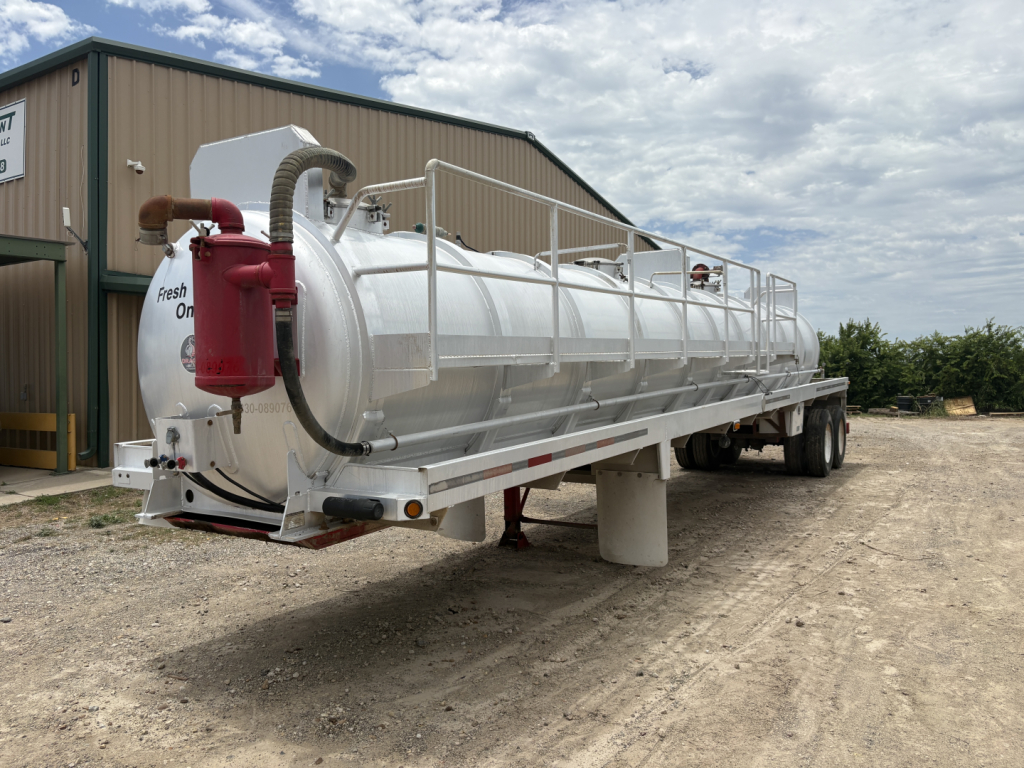
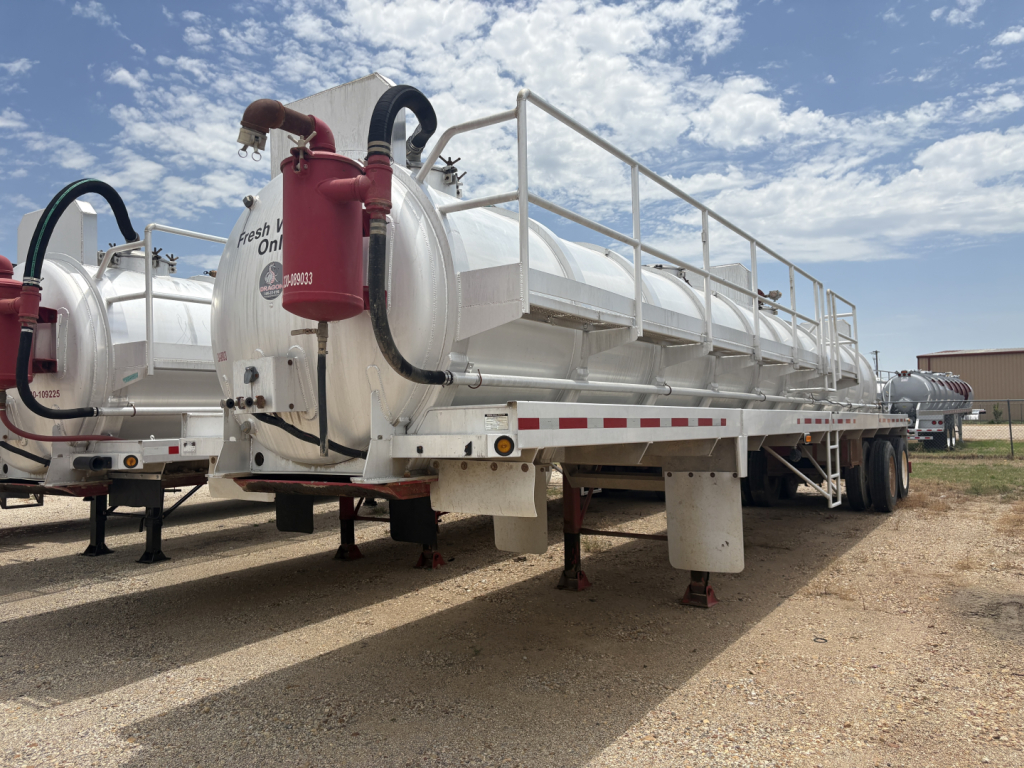
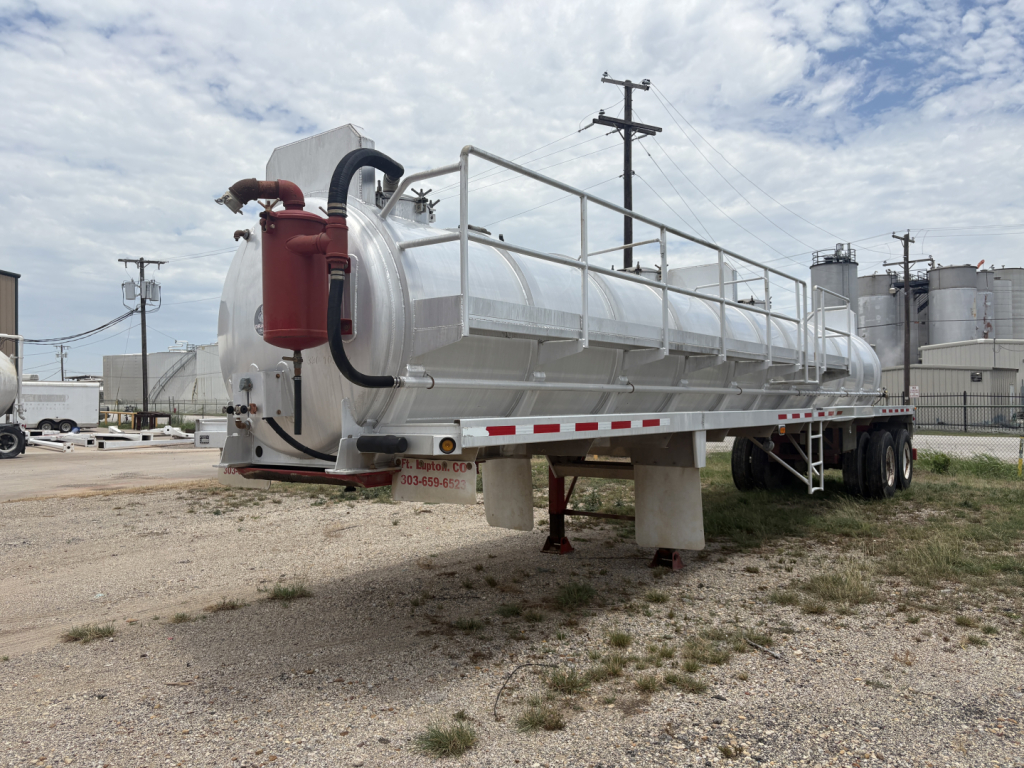
Capacity, tank material, and plumbing layout usually drive the shortlist. A 150 BBL vacuum trailer is a common fit for crude, produced water, drilling fluids, and general vacuum transport work where legal payload and corrosion resistance matter. Aluminum tanks help control tare weight and can improve payload, while steel may be preferred in certain service environments for durability and repair familiarity. Buyers should look closely at the number and location of discharge valves, rear blowdown equipment, dome lids, baffles, and hose couplers. Walkways, hose trays, toolboxes, and work lights also matter in field service because they affect day-to-day usability and jobsite safety.
A used 2012 vacuum trailer should be evaluated carefully around the tank shell, barrel saddles, frame rails, suspension, landing gear, brakes, and wheel ends. On vacuum units, the blower or pump system, relief protection, seals, piping integrity, and valve operation deserve close attention because repairs in those areas can quickly change the cost of ownership. Tire size and axle rating should match the expected service, especially on older units that may have worked in heavy-haul or off-pavement conditions. If the trailer is a non-code tank, confirm that it matches the intended product and route requirements. If code service is required, buyers need to verify certification, plate information, and inspection history before putting the trailer to work.
For many operations, a 2012 vacuum tanker trailer can still be a practical value buy if the tank is sound and the vacuum system has been maintained. Dragon is a well-known name in this segment, but the same buying logic applies across brands. Focus on barrel capacity, material, suspension, axle setup, and service history first. Then verify the small but important details like coupler sizes, rear controls, manway condition, and blowdown configuration. Those details determine how easily the trailer fits existing hoses, pumps, drivers, and job requirements.
Frequently Asked Questions about Used 2012 Vacuum Trailers
What is a common capacity for a used 2012 vacuum trailer?
A common capacity for a used 2012 vacuum trailer is around 150 BBL, which is roughly 6,300 gallons. That size is widely used in oilfield and liquid waste applications because it balances useful payload with practical overall trailer dimensions. Buyers will also find smaller and larger vacuum tankers, but 150 BBL is one of the most common specs in the used market for transport-style units.
What should I inspect first on a used 2012 vacuum trailer?
Start with the tank, frame, and vacuum system. Check the tank shell for corrosion, dents, weld repairs, and signs of stress around mounts and saddles. Inspect the frame rails, suspension, landing gear, brakes, hubs, and tires for wear or deferred maintenance. Then verify that the blower or pump system, valves, reliefs, and piping operate correctly, because those components are critical to loading and unloading performance.
Are most 2012 vacuum trailers aluminum or steel?
Used 2012 vacuum trailers can be found in both aluminum and steel construction. Aluminum is common on vacuum transport trailers where lower tare weight and better payload are priorities. Steel remains common where buyers want durability, easier field repairs, or a spec built for demanding service conditions. The right choice depends on the product hauled, corrosion exposure, and how important empty weight is to the operation.
What features matter most on a vacuum tanker trailer?
The most important features usually include tank capacity, axle configuration, suspension type, valve layout, blowdown setup, hose connection sizes, and access equipment like walkways and catwalks. In daily service, these details affect loading speed, unloading efficiency, maintenance access, and compatibility with existing fleet equipment. A trailer with the right plumbing and controls can be more valuable than a similar unit with a mismatched setup.
Is a non-code vacuum trailer suitable for every hauling job?
No. A non-code vacuum trailer is not suitable for every product or operating environment. Buyers need to confirm that the trailer's tank design, pressure limits, and compliance status match the intended commodity, customer requirements, and route regulations. If the work involves regulated service, code requirements and certification history should be verified before purchase and before the trailer is dispatched.