
Used Vacuum Trailers For Sale
Used vacuum trailers for liquid, sludge, and waste hauling. Compare tank capacity, vacuum system, pressure ratings, axle setup, and compliance.

Selling a used vacuum trailer? List your used vacuum trailer for sale and reach thousands of commercial buyers.
Used Vacuum Trailers
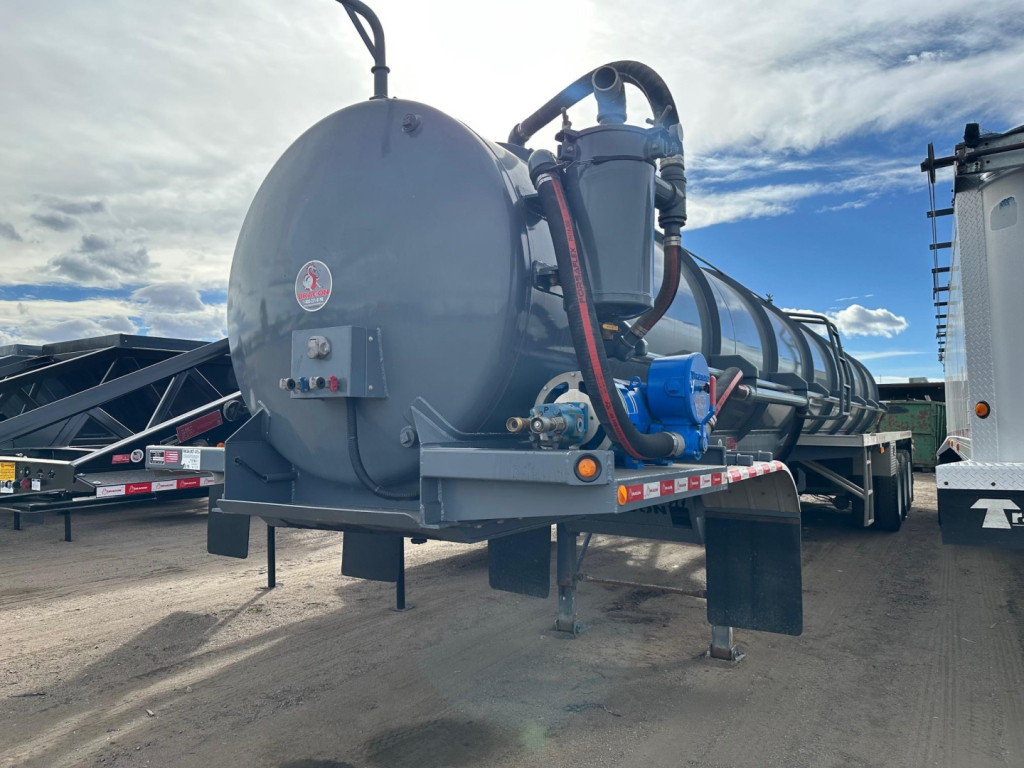
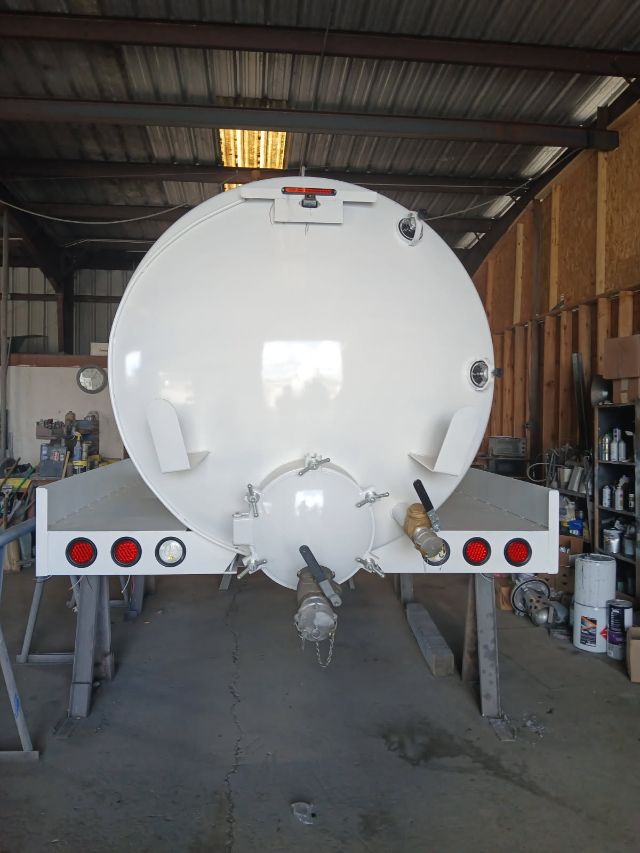
The vacuum package is what separates one trailer from another. Buyers should look closely at the blower or pump brand, hydraulic or PTO-driven setup, rated vacuum level, and unloading capability. Hose size and coupler layout affect turnaround time in the field, especially when a trailer has multiple side and rear inlets, belly hose tubes, or dedicated hose trays. Pressure-assisted discharge ratings are important if the trailer will be expected to unload heavier product rather than gravity dump. It also pays to inspect shutoffs, relief valves, primary and secondary protection, sight glasses, valves, and rear door or manway sealing surfaces. On a used vacuum trailer, service history on the blower, plumbing, and valve gear can matter as much as the tank itself.
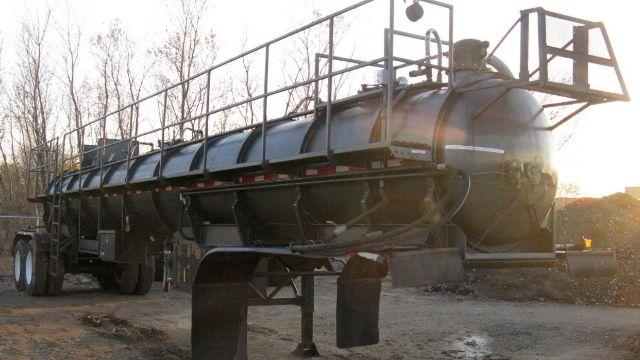
Chassis and running gear deserve the same level of scrutiny. Tandem and tri-axle configurations are common depending on gross weight, bridge laws, and target payload. Suspension type, brake spec, tire size, wheel-end condition, and landing gear all affect operating cost and uptime. A full catwalk, toolboxes, work lights, and hose storage can make a noticeable difference for field service crews. Buyers hauling dense material should confirm gross vehicle weight rating, axle ratings, and legal payload in the states they run. Kingpin setting and overall trailer length also matter if the trailer needs to stay balanced with different tractor wheelbases or operate in tighter industrial yards.
For used vacuum trailers, condition is more than cosmetics. Tank interior condition, signs of previous repairs, frame corrosion, pump hours if documented, and the condition of the piping system all tell you how the trailer was maintained. If the application involves hazardous or regulated waste, confirm the tank code, data plate, and any lining or spec requirements before purchase. A well-matched used vacuum trailer can be a productive asset for septic pumping, refinery service, municipal cleanout, hydrovac support, and oilfield fluid handling, but only if the vacuum system, tank rating, and legal payload line up with the job.
Frequently Asked Questions about Used Vacuum Trailers
What should I check first on a used vacuum trailer?
Start with the tank rating, capacity, and material, then verify the vacuum and pressure system. The most important items are the data plate, blower or pump condition, relief and safety components, valve operation, and any signs of tank or frame repair. After that, inspect axles, brakes, suspension, tires, wheel ends, and hose plumbing. A used vacuum trailer can look serviceable from the outside while still needing expensive work in the vacuum package or discharge system.
What is the difference between a vacuum trailer and a standard tanker trailer?
A vacuum trailer is designed to load product by suction and often unload by pressure or assisted discharge, while a standard tanker may rely mainly on pumping or gravity depending on the application. Vacuum trailers typically include a blower or vacuum pump, relief protection, suction plumbing, and hose handling features that support waste, sludge, and industrial cleanup work. That makes them more specialized than a general liquid tanker.
How do I choose the right vacuum trailer capacity?
Capacity should be matched to product weight, legal axle loading, and route requirements rather than tank size alone. Dense sludges and wet waste can max out legal gross weight before the tank is full, so payload math matters more than advertised gallons. Buyers should compare tank volume, axle configuration, tare weight, and state bridge limits to make sure the trailer can haul a profitable load without running overweight.
Are pressure ratings important on a used vacuum trailer?
Yes. Pressure and vacuum ratings determine how the trailer can legally and safely load, transport, and unload product. If your operation depends on pressure-assisted unloading, you need to confirm the working pressure rating, relief devices, and the condition of the tank and plumbing. A trailer with the wrong rating may still pull product in, but it may not unload efficiently or meet the safety requirements of the job.
Which industries commonly use vacuum trailers?
Used vacuum trailers are common in septic service, municipal sewer and catch basin maintenance, industrial cleaning, refinery and plant work, environmental remediation, oilfield service, and vacuum excavation support. The exact spec changes by industry. Municipal and septic applications often prioritize capacity and easy washout, while industrial and hazardous service may require specific materials, pressure ratings, and compliance documentation.