
Dragon Vacuum Trailers For Sale in Texas
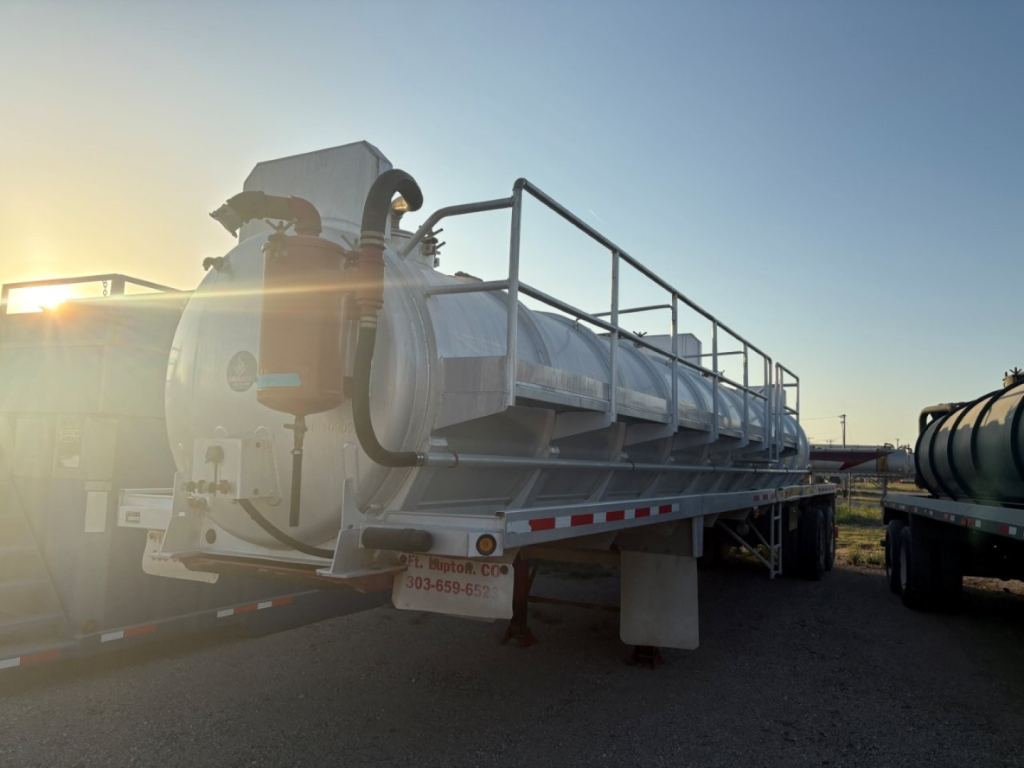

Have dragon vacuum trailer to sell? List it here to reach thousands of buyers.
Dragon Vacuum Trailers in Texas
Tank configuration matters more than the badge on the barrel. Buyers should look closely at shell material, internal baffling if equipped, rear head and front head features, hose and valve layout, and visibility items such as sight glasses at the front and rear. Non-code vacuum trailers are common in oilfield service where the application does not require ASME pressure certification, but that decision should always be matched to the material hauled and the customer’s operating requirements. Landing gear, fenders, hose trays, pump compatibility, and cleanout access also affect how usable the trailer will be day to day.
Running gear has a direct effect on maintenance cost and how the trailer behaves on lease roads. Spring suspension remains popular because it is simple, proven, and easy to service in harsh conditions, while tire size and wheel spec influence replacement cost and parts availability. Many units in this class use 11R24.5 rubber on steel wheels, a practical setup for fleets that want standardization across trailers. Axle rating, brake type, ABS configuration, and kingpin setting should be checked against the tractor wheelbase and the weight profile of the intended loads.
For buyers shopping Dragon vacuum trailers for sale in Texas, the best value usually comes from matching the trailer to the actual fluid stream and haul pattern instead of just choosing maximum capacity. Short-haul saltwater work, disposal runs, and general fluid transfer can each favor a different tank size or plumbing setup. The right trailer should be easy to inspect, legal on the routes you run, and compatible with your vacuum system, pump package, and service schedule. A well-specced vacuum trailer can stay productive for years if the tank, running gear, and application are aligned from the start.
Frequently Asked Questions about Dragon Vacuum Trailers in Texas
What is the most important spec to compare on a Dragon vacuum trailer?
Capacity is usually the first number buyers compare, but the most important spec is the one that matches the fluid, payload target, and route conditions. Tank size, code status, axle capacity, suspension type, and plumbing layout all work together. A trailer with the right barrel rating but the wrong tank construction or running gear can create legal payload issues, maintenance problems, or poor jobsite performance.
What does non-code mean on a vacuum trailer?
Non-code means the tank is not built to a pressure vessel code such as ASME for applications that require that certification. These trailers are common in oilfield liquid service, including saltwater and production fluid hauling, when the intended use does not call for a coded vessel. Buyers should confirm customer requirements, commodity type, and any regulatory or site-specific rules before choosing a non-code unit.
Is spring suspension a good choice for vacuum trailers in Texas oilfield service?
Spring suspension is a common and practical choice for Texas oilfield work because it is durable, straightforward to maintain, and familiar to most fleet shops. It handles rough lease roads well and generally costs less to service than more complex setups. The tradeoff is that ride quality and load isolation may not match air ride, so the best choice depends on terrain, maintenance strategy, and the type of service the trailer will see.
Why are 130 BBL vacuum trailers so common?
A 130 BBL vacuum trailer is popular because it offers a useful balance between hauling volume and operational flexibility. It is large enough for productive fluid transfer work but still familiar to fleets managing weight limits, disposal runs, and mixed-route oilfield service. The exact payload will depend on the fluid being hauled, so buyers still need to calculate loaded weight against axle ratings and local road limits.
What should I inspect before buying a used vacuum trailer?
Focus on tank condition, vacuum integrity, running gear, and plumbing wear. Check the barrel for corrosion, repairs, dents, weld quality, and signs of product buildup around fittings or cleanouts. Inspect suspension components, brakes, tires, wheels, hub condition, kingpin wear, and valve function. It is also smart to verify the sight glasses, hose storage, and any pump or vacuum system interfaces to make sure the trailer matches the tractor and service equipment already in the fleet.