
Used Utility Trailers For Sale in Florida

Showing 49 to 69 of 69 results
Have used utility trailer to sell? List it here to reach thousands of buyers.
Used Utility Trailers in Florida
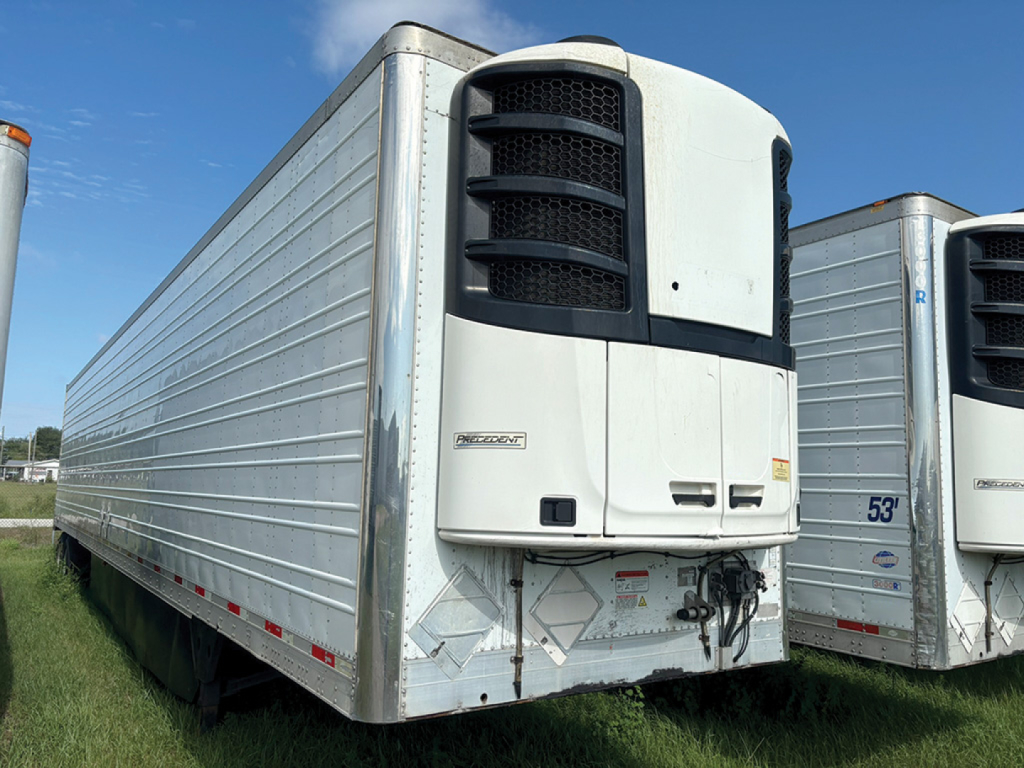
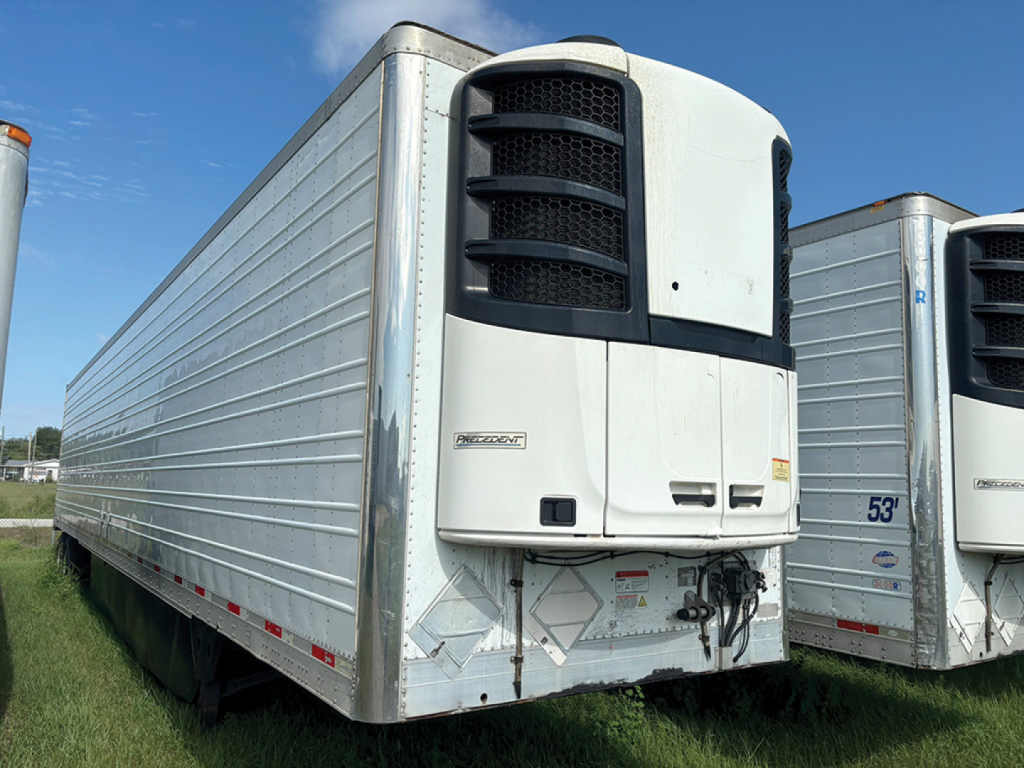
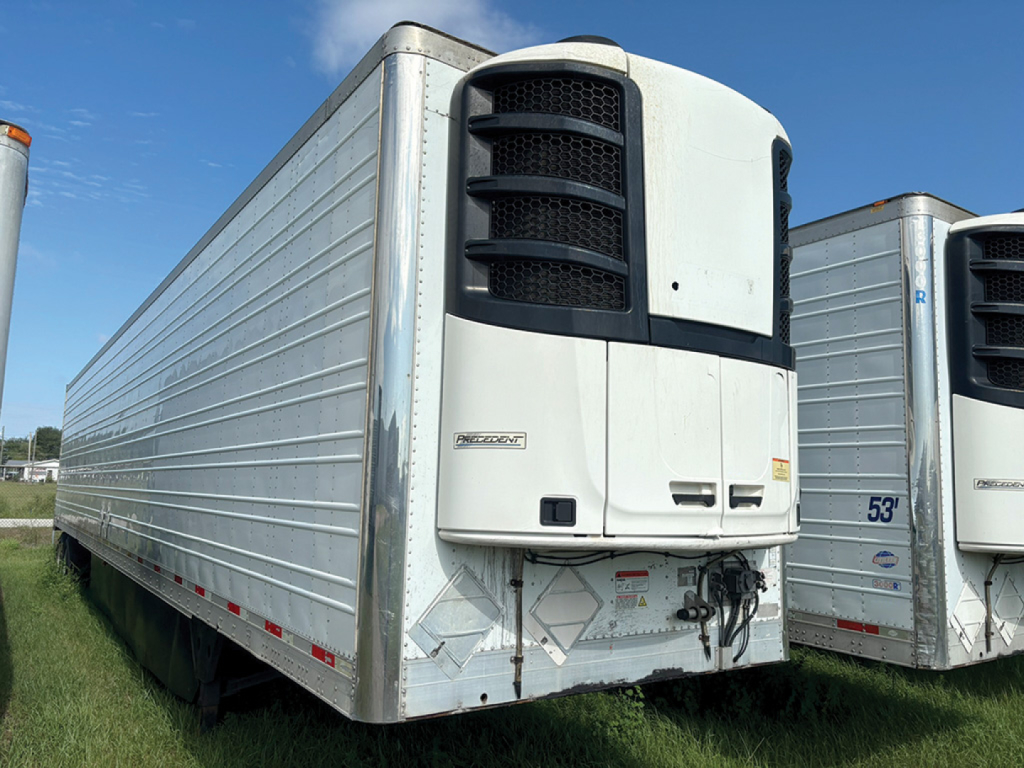
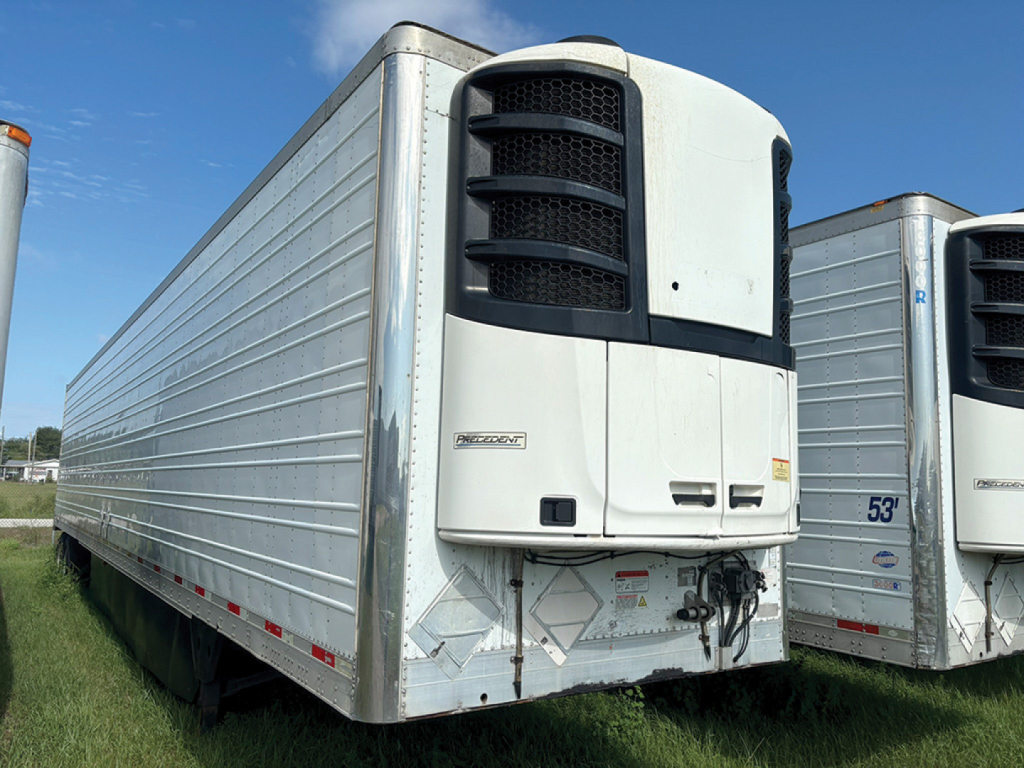
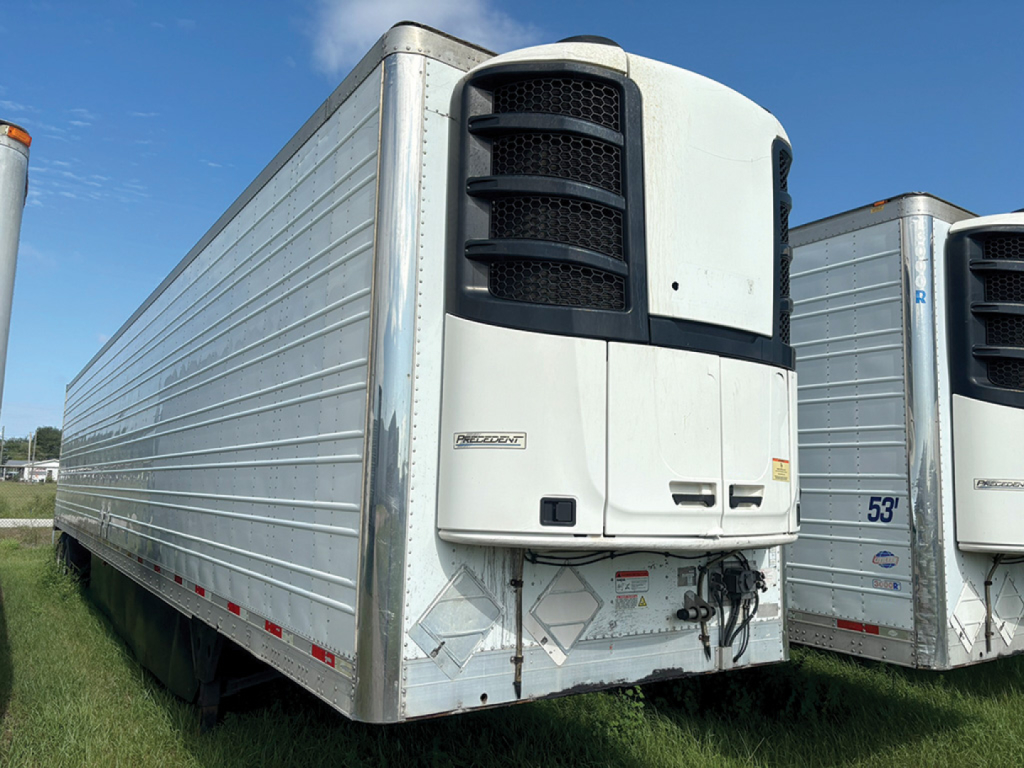
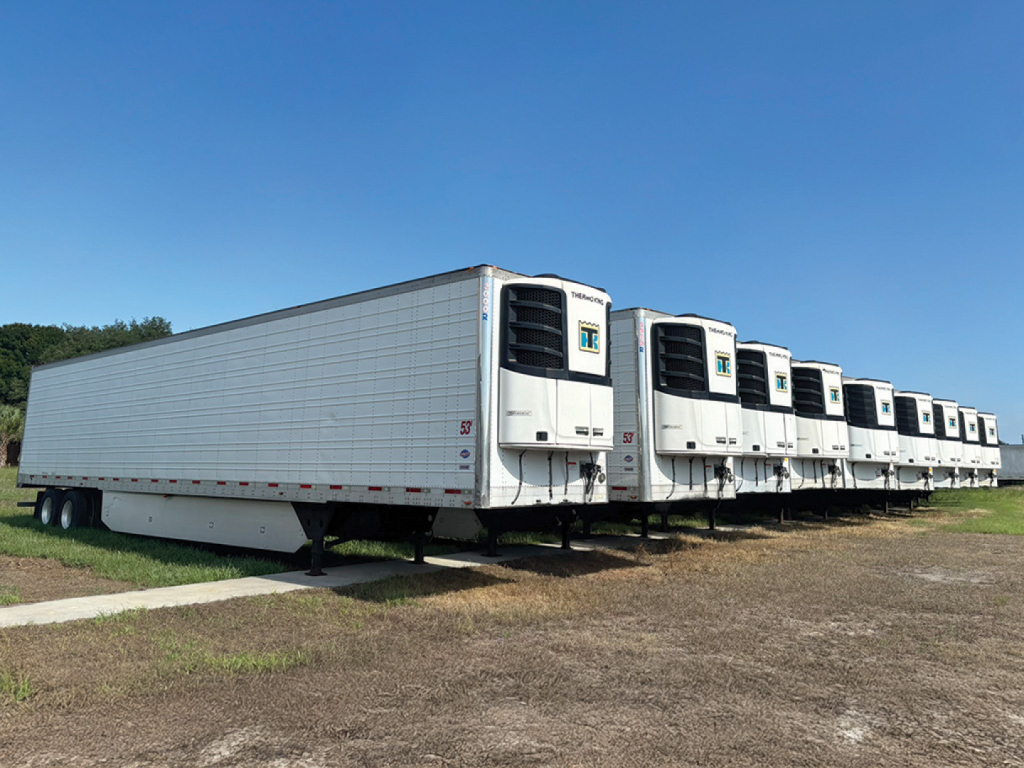
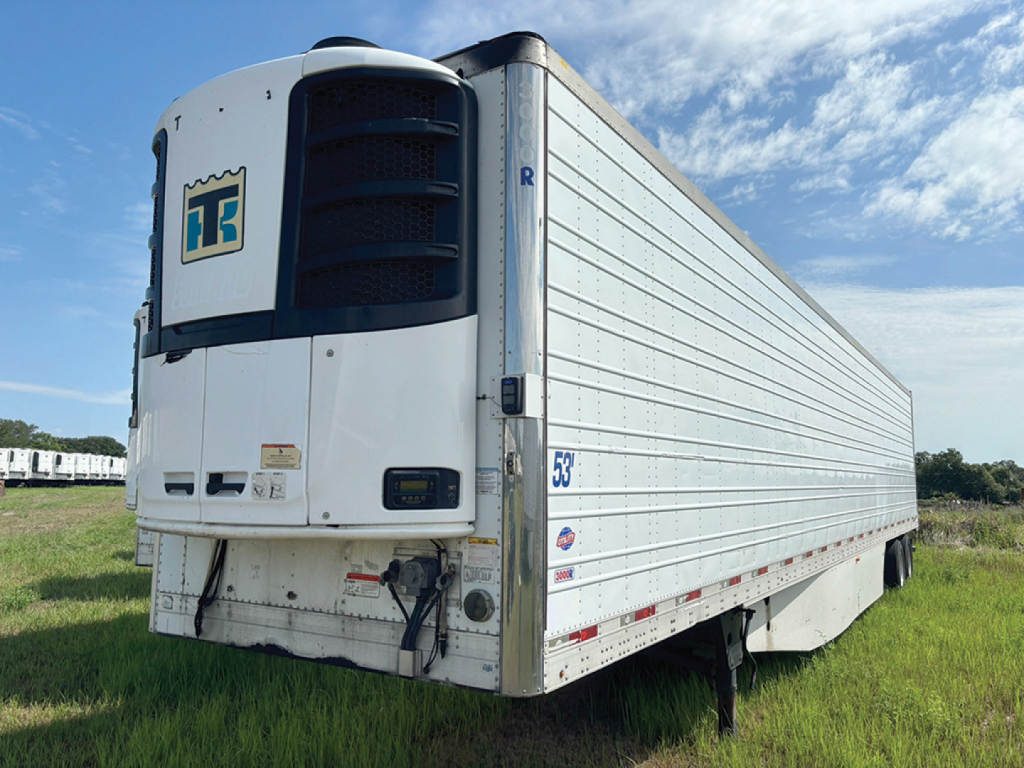
On late-model used Utility reefer trailers, common specs include 53-foot overall length, 102-inch width, 13-foot 6-inch overall height, and interior heights around 101 to 103 inches. Buyers should pay close attention to the refrigeration unit model, hour reading, service history, and operating condition, since units such as the Thermo King Precedent S-600 and C-600 are widely used in regional and over-the-road cold-chain service. Trailer-side features also matter. Heavy duty aluminum duct floors help maintain front-to-rear airflow under pallets, while cold chutes, rear vents, scuff liners or scuff plates, and stainless steel door frames all contribute to durability and temperature management. Stainless front radius panels and rear impact areas can also be a plus on trailers that see frequent dock contact and washdown cycles.
Running gear and operating spec decisions are just as important as the box and refrigeration package. Air ride suspension is standard on many Utility reefers because it helps protect sensitive freight and improves ride quality. Sliding tandems give more flexibility for bridge law compliance and dock positioning, which matters on mixed regional routes. Tire inflation systems can reduce roadside failures and help extend tire life, especially in high-mileage Florida service where heat and curb contact can be hard on rubber. Wheel setup, brake type, side skirts, and door style should all be reviewed with maintenance cost in mind. Swing doors remain common on reefer applications because they are simple, durable, and seal well when maintained properly.
A used Utility trailer is often judged by condition more than age alone. Buyers should inspect floor wear, crossmember condition, roof integrity, door seal fitment, evaporator and condenser condition, and any evidence of patchwork in the front wall or lower rear frame. On reefer models, it is worth confirming unit hours, download records, fuel tank condition, and the trailer's ability to hold setpoint under load. For Florida operations, corrosion exposure, prior produce-haul moisture, and washout practices deserve extra attention. A well-kept Utility reefer can be a strong fit for private fleets, lease operators, and carriers that need a familiar platform with good resale value and established support across the Southeast.
Frequently Asked Questions about Used Utility Trailers in Florida
What are the most common specs on a used Utility reefer trailer?
Many used Utility reefer trailers are 53 feet long, 102 inches wide, and 13 feet 6 inches tall, with interior heights commonly around 101 to 103 inches. Typical configurations include aluminum construction, air ride suspension, sliding tandems, swing doors, and 22.5 low-profile tires. On refrigerated models such as the Utility 3000R, buyers will often see heavy duty aluminum duct floors, scuff protection, rear vents, and Thermo King refrigeration units.
What should I inspect first on a used Utility 3000R trailer?
Start with the refrigeration unit and the trailer body together, because reefer performance depends on both. Review engine hours, maintenance records, alarm history, and the unit's ability to pull down and hold temperature. Then inspect the floor channels, front wall, roof, door frame, hinges, seals, rear frame, and crossmembers for damage, corrosion, or repairs. Cosmetic wear is common, but structural issues and poor temperature integrity are what drive major expense.
Are Utility trailers a good choice for Florida refrigerated freight?
Utility trailers are widely used in refrigerated service and are well suited for Florida lanes involving produce, grocery, dairy, and frozen freight. Their aluminum reefer design, common parts availability, and broad dealer and service familiarity make them practical for fleets that need quick turnaround on maintenance. In a hot and humid state, insulation condition, door seals, airflow through the duct floor, and reefer unit health are especially important.
Why do sliding tandems and tire inflation systems matter on used reefer trailers?
Sliding tandems give a carrier more flexibility when adjusting axle position for bridge law compliance, weight distribution, and dock approach. That matters on regional and multi-state lanes where load balance can change from stop to stop. Tire inflation systems help maintain proper PSI across trailer tires, which can reduce irregular wear, improve fuel efficiency, and cut the risk of roadside tire failures in hot-weather operations.
How do I evaluate the value of a used Utility trailer beyond model year?
Model year matters, but condition, specification, and maintenance history usually matter more. A trailer with solid structural condition, clean download records, a well-maintained reefer unit, and useful options such as side skirts, stainless wear protection, air ride, and tire inflation can be worth more than a newer trailer with deferred maintenance. Buyers should compare unit hours, repair history, floor condition, and evidence of moisture intrusion or major body repairs before making a decision.