
Used 2022 Utility Trailers For Sale in Florida
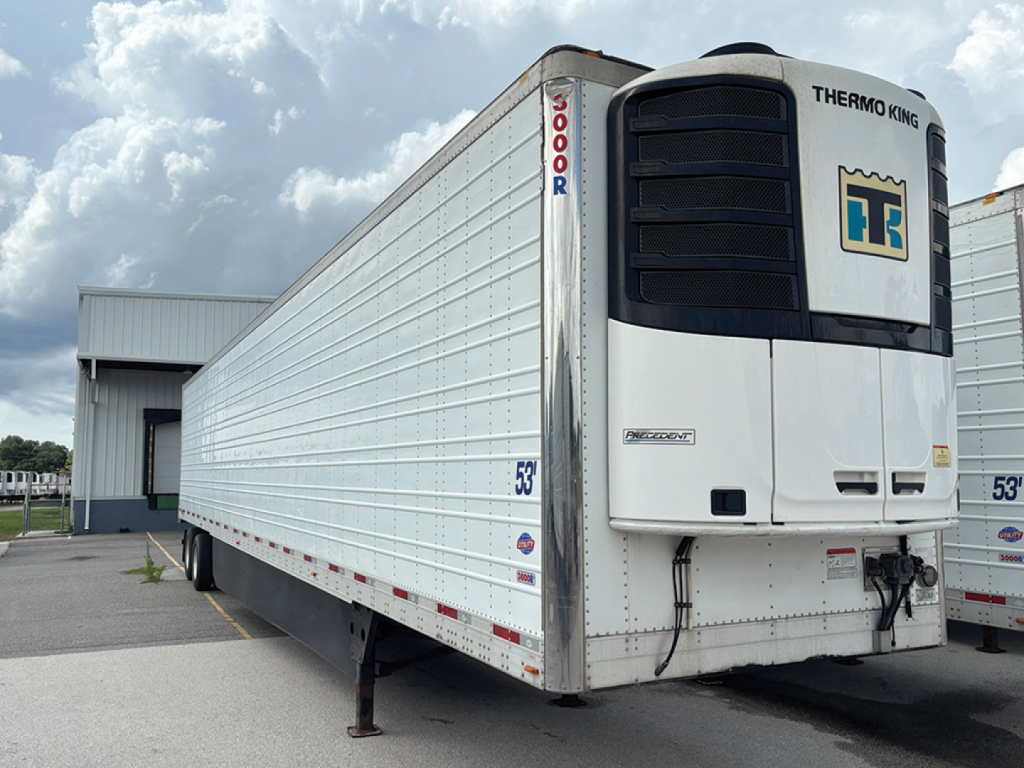
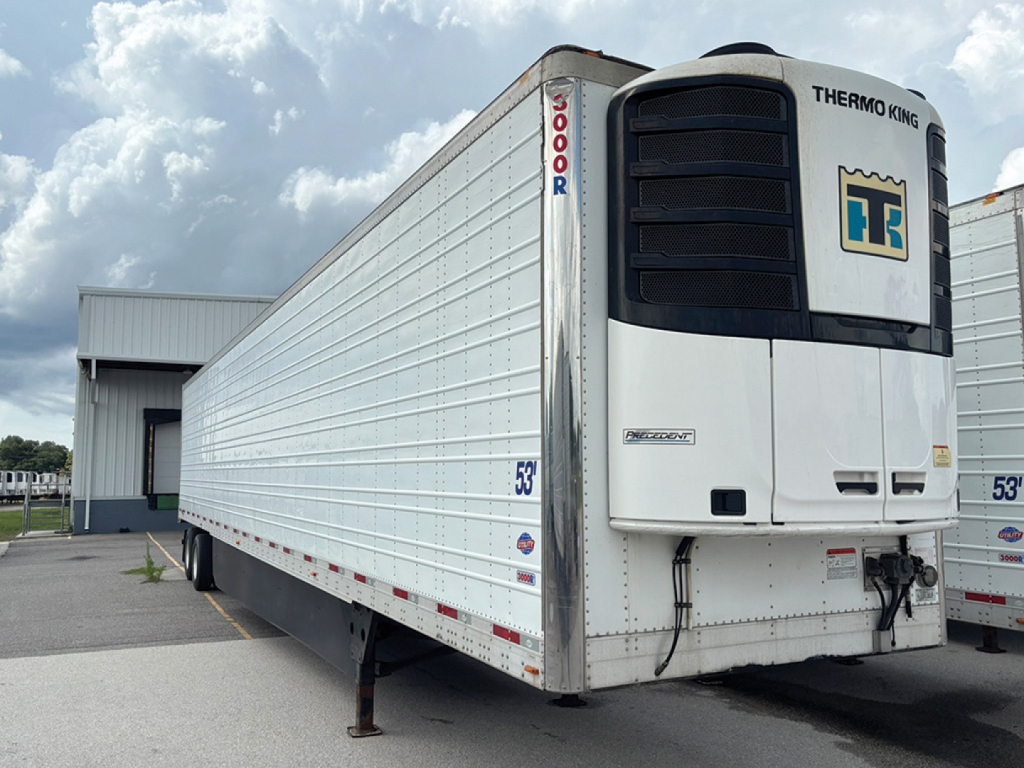
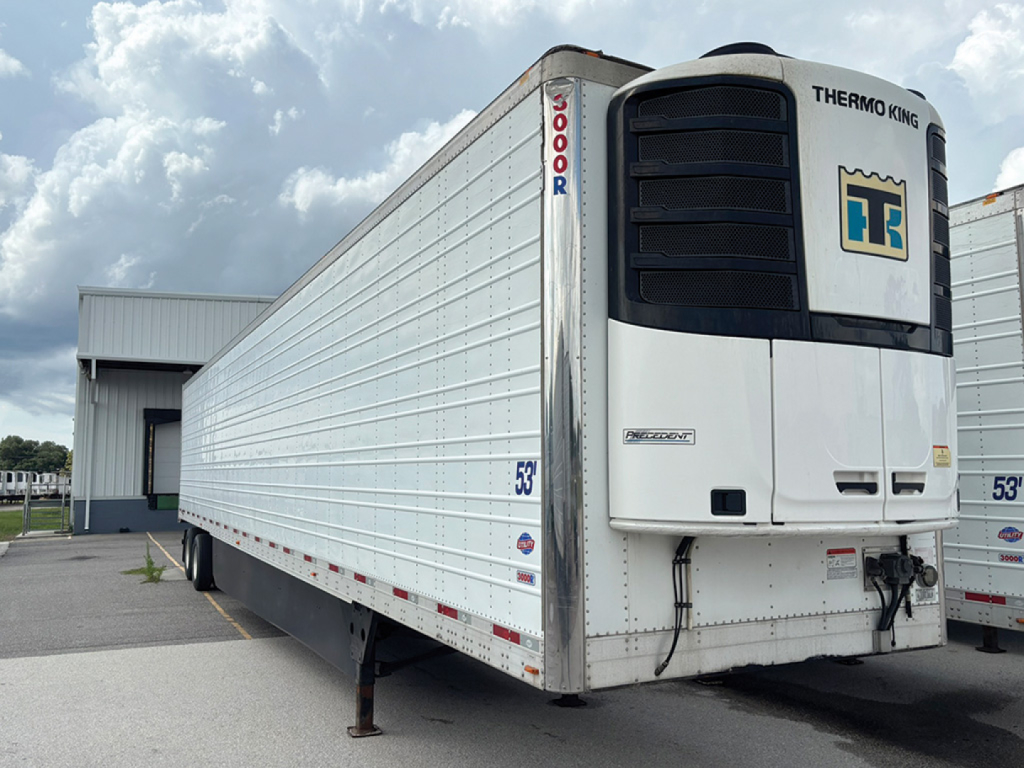
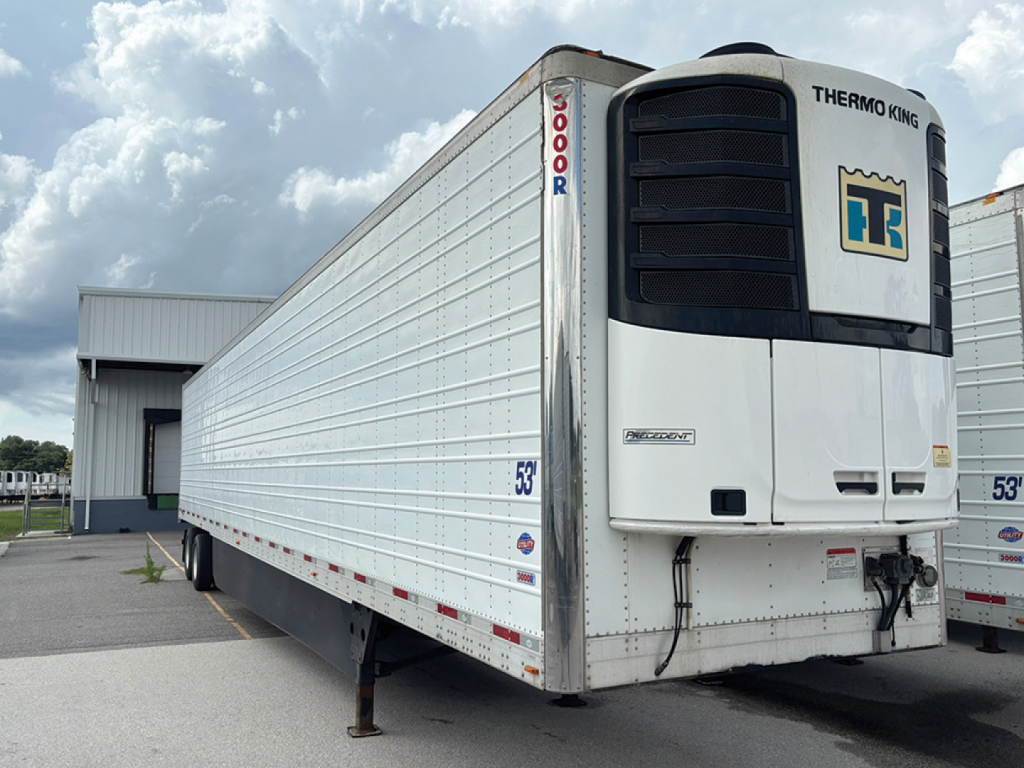
Have used 2022 utility trailer to sell? List it here to reach thousands of buyers.
Used 2022 Utility Trailers in Florida
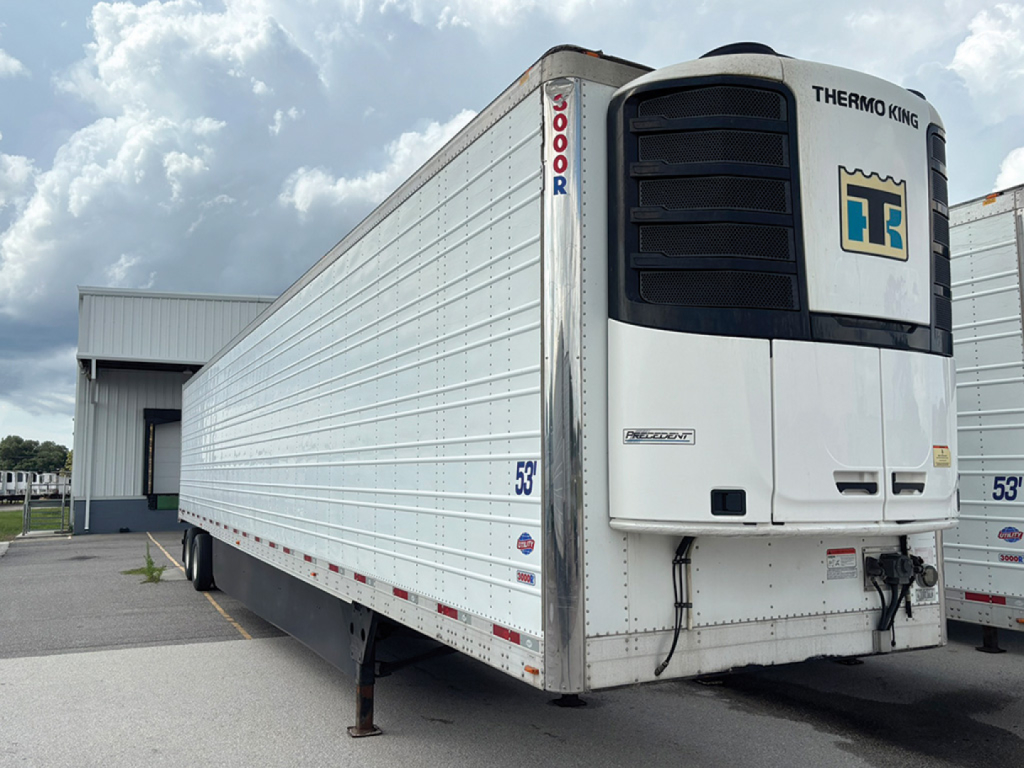
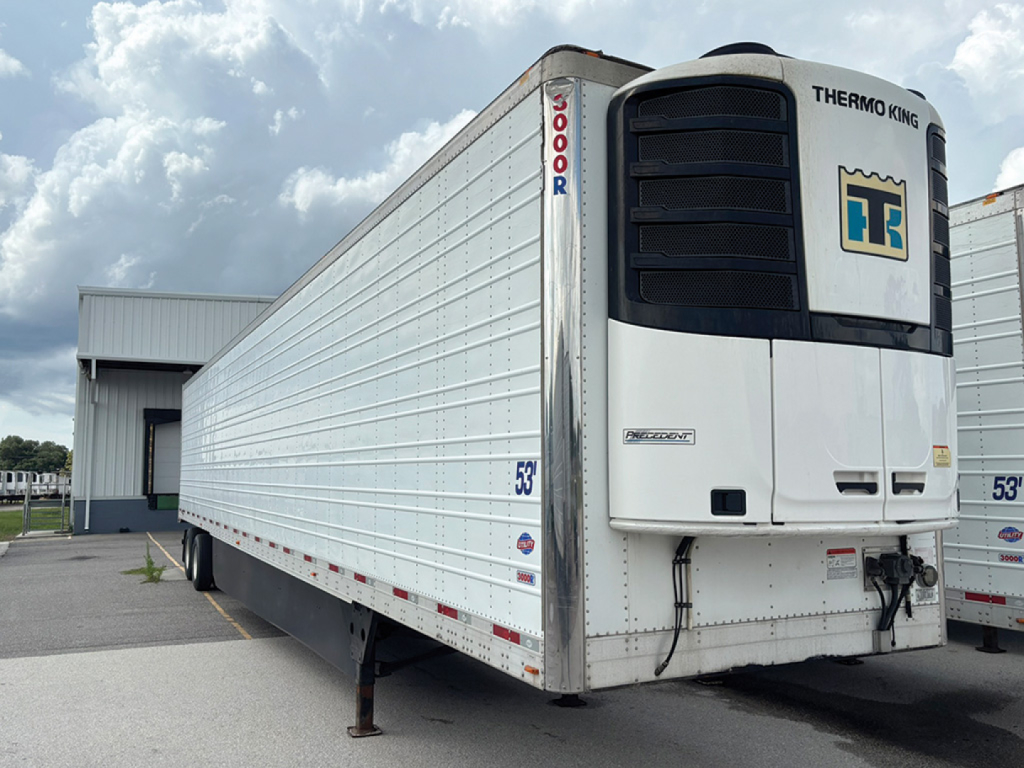
A large share of Utility trailers on the market are 53-foot by 102-inch van and reefer configurations, with the 3000R reefer being one of the best-known examples. On refrigerated trailers, common specs include aluminum construction, approximately 13-foot 6-inch overall height, around 101-inch interior height, heavy-duty aluminum duct floors, scuff liners or scuff plate protection, stainless front and rear components, and swing doors. Many are equipped with air ride suspension, sliding tandems, low-profile 22.5 tires, aluminum wheels, and automatic tire inflation systems. Reefer units commonly carry Thermo King or Carrier refrigeration packages, so buyers should look closely at engine hours, electric standby if applicable, service records, fuel tank condition, and how well the trailer holds setpoint under load.
For Florida service, construction details matter. Salt air, humidity, and year-round use can expose weak points in rear frames, door hardware, wiring, and crossmember areas. Utility trailers generally have a strong reputation for durable aluminum bodies and repairable fleet-friendly design, but condition still comes down to prior use. Check the floor for forklift damage, inspect the scuff liner height for heavy beverage or grocery work, and verify that side skirts, mud flap assemblies, and rear impact guards are straight and compliant. On reefers, inspect the evaporator area, bulkhead, chute, drain lines, and door seals. A clean late-model trailer can still hide expensive deferred maintenance if the reefer unit, suspension, or tandem slide has been neglected.
The biggest buying advantage with a used 2022 Utility trailer is familiarity. Dealers, fleet shops, and independent repair facilities across the Southeast know these trailers well, and replacement parts are generally easier to source than with lower-volume brands. If the trailer will run grocery, produce, frozen food, or multi-stop distribution, prioritize insulation integrity, door seal condition, and refrigeration performance. If it is a dry freight trailer, focus more on roof condition, floor life, logistics posts, and rear frame wear. In either case, confirm VIN history, title status, maintenance records, and the exact axle spread and kingpin setting needed for your lanes, especially if the trailer will work ports, regional distribution, or weight-sensitive routes in Florida and neighboring states.
Frequently Asked Questions about Used 2022 Utility Trailers in Florida
What should I inspect first on a used 2022 Utility reefer trailer?
Start with the refrigeration unit, trailer body, and floor. Verify reefer engine hours, maintenance history, recent repairs, and pull-down performance at set temperature. Then inspect the front wall, roof, door frame, rear frame, and insulation-related components for signs of impact damage or air leaks. Floor condition is critical on Utility reefers because heavy forklift traffic can create hidden wear that affects airflow, drainage, and long-term structural life.
Are Utility trailers a good choice for fleet or owner-operator use in Florida?
Yes. Utility trailers are widely used in fleet service, which makes them practical for both fleets and owner-operators in Florida. The brand has broad recognition, a strong service network, and common-spec configurations that are easier to maintain and resell. In Florida, aluminum construction and stainless wear components are especially valuable because they help with corrosion resistance in humid and coastal operating conditions.
What are common specifications on a 2022 Utility trailer?
Common specs depend on whether the trailer is a reefer or dry van, but many Utility trailers are 53 feet long, 102 inches wide, and built with air ride suspension and sliding tandems. Reefer models often include heavy-duty aluminum duct floors, scuff liners, stainless front and rear trim, swing doors, side skirts, and tire inflation systems. Buyers should confirm interior height, wheel and tire setup, axle rating, and refrigeration unit brand because those details directly affect payload, lane compliance, and service costs.
How important is the reefer unit brand on a used Utility trailer?
It is very important because the refrigeration unit can drive a large share of ownership cost. Thermo King and Carrier units are both common, but what matters most is service history, parts access in your operating area, fault-code history, and how the unit performs under actual temperature load. A well-maintained reefer with documented preventive maintenance is usually a better buy than a newer-looking trailer with poor service records.
Does a used 2022 Utility trailer hold value well?
In many cases, yes. Late-model Utility trailers tend to retain value because they are recognized by fleets, lenders, and resale buyers, and because many units are built to common fleet specs. Condition still determines market value more than brand alone. Clean maintenance history, straight body panels, healthy suspension components, good tire life, and a properly functioning reefer unit will have the biggest effect on resale and trade value.