
Used 2017 Utility Trailers For Sale in North Carolina

Have used 2017 utility trailer to sell? List it here to reach thousands of buyers.
Used 2017 Utility Trailers in North Carolina
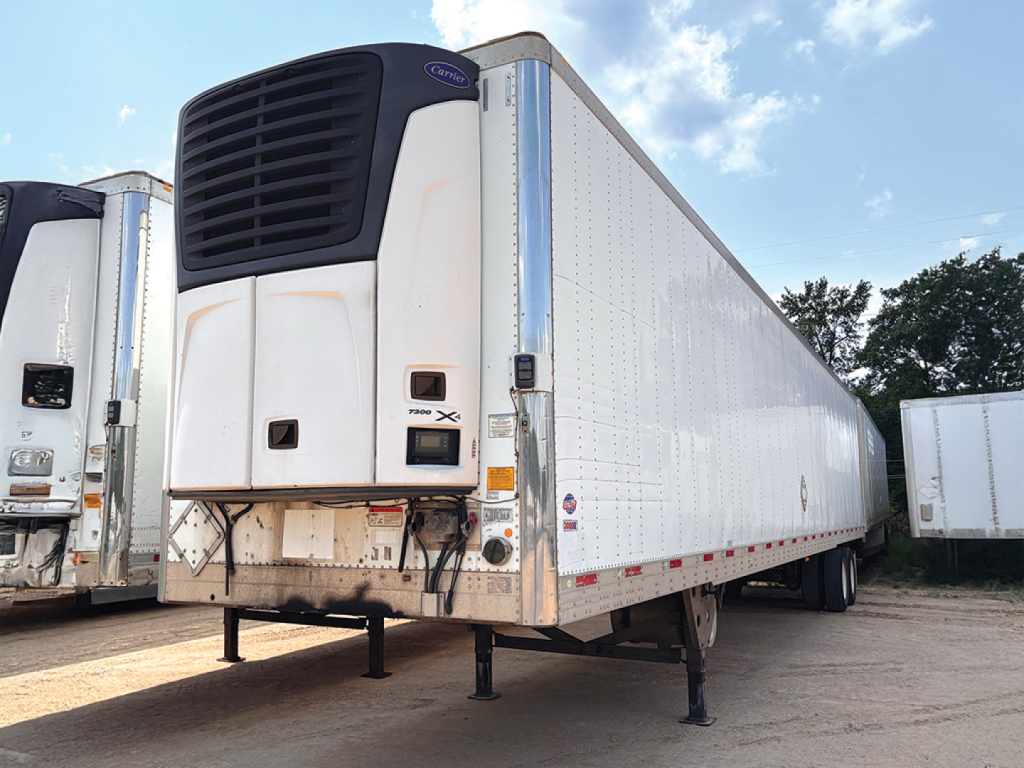
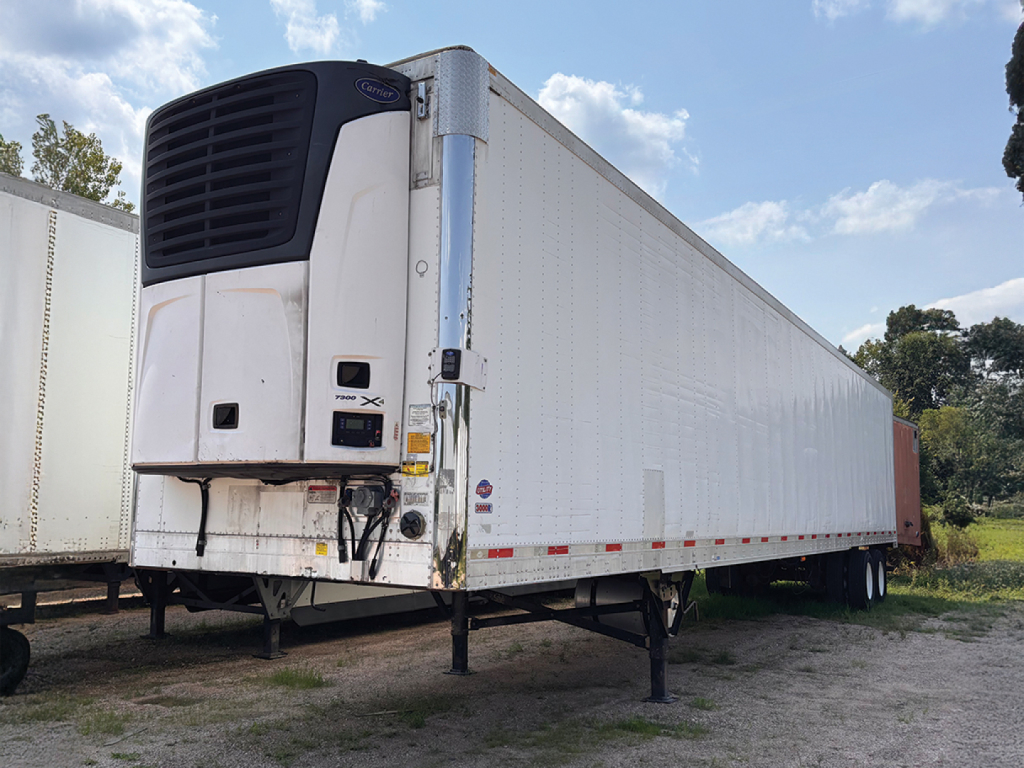
For reefer applications, a 2017 Utility trailer usually needs to be evaluated as a complete cold-chain package, not just a box on wheels. The trailer body, insulation condition, door seal integrity, duct floor design, scuff liner or scuff plate setup, rear venting, and cold chute configuration all affect temperature recovery and product protection. Many Utility reefers from this era were spec'd with Carrier or Thermo King units, so reefer hours, service history, fuel system condition, and controller performance matter as much as trailer mileage and tire life. Stainless steel front radius panels, stainless rear framing, quilted swing doors, and aluminum wheels are common specs that help with durability and corrosion resistance.
Structural condition is still the first checkpoint on any used 2017 Utility trailer. Buyers should inspect the roof, sidewalls, crossmembers, rear frame, landing gear mounts, and suspension hangers for repair history, cracking, corrosion, or impact damage. On refrigerated models, pay close attention to floor wear from pallet jack traffic, interior lining damage, and any signs of moisture intrusion that can compromise insulation value. Sliding tandem operation, brake type, tire inflation systems, disc or drum brake setup, and wheel-end condition all affect operating cost after purchase. In North Carolina, where trailers may run a mix of interstate lanes, port freight, and distribution center work, tandem adjustment range and dock-friendly door operation can make a real difference in day-to-day productivity.
A 2017 Utility trailer makes the most sense when the spec matches the freight. A reefer built for frozen or multi-temp work should have the interior and refrigeration package to support tight temperature control, while a general regional trailer may place more value on low maintenance running gear and straightforward serviceability. Utility trailers are known for broad parts support and familiar shop service procedures, which helps limit downtime. The best buying decision usually comes down to confirming the trailer's prior application, maintenance discipline, and remaining life in the floor, suspension, reefer unit, and rear structure.
Frequently Asked Questions about Used 2017 Utility Trailers in North Carolina
What should I look for first on a used 2017 Utility reefer trailer?
Start with the structural condition and the refrigeration system. Inspect the roof, sidewalls, rear frame, floor, crossmembers, and suspension for damage or major repairs. Then review reefer engine hours, service records, unit operation, temperature pull-down performance, door seals, and insulation-related condition inside the box. On a reefer, the trailer body and the refrigeration unit have to be evaluated together.
Are 2017 Utility trailers a good choice for refrigerated freight?
Yes, many 2017 Utility trailers remain solid candidates for refrigerated service if they have been maintained correctly. Utility reefers are widely used in grocery, produce, frozen food, and distribution work. The key is confirming that the floor, liner, doors, and reefer unit still support the temperature range and loading pattern your operation requires. A clean interior and strong service history usually matter more than appearance alone.
What specs are common on a 2017 Utility trailer?
Common specs include a 53-foot length, 102-inch width, 13-foot 6-inch overall height, aluminum construction, air ride suspension, sliding tandem axles, and 22.5 low-profile tires. Reefer models often include aluminum duct floors, scuff plates, stainless steel front or rear components, swing doors, and either Carrier or Thermo King refrigeration units. Exact specifications vary by prior fleet application and original order.
Why does sliding tandem matter on a used trailer in North Carolina?
Sliding tandem adjustment helps with bridge law compliance, dock positioning, and load balance across different lanes. In North Carolina, many operations move between local delivery points, regional warehouse networks, and interstate routes, so tandem flexibility can improve legality and efficiency. A sliding tandem that moves freely and locks correctly is a practical value point on a used trailer.
How important is parts and service support when buying a used 2017 Utility trailer?
Parts support is a major advantage in the used trailer market. Utility trailers are common enough that many fleets, independent shops, and trailer dealers are familiar with their construction and running gear. That makes it easier to source wear items, body parts, and reefer-related service components. Strong service familiarity can reduce downtime and make a used 2017 trailer easier to keep productive.