
Used 2017 Utility Reefer Trailers For Sale in North Carolina

Have used 2017 utility reefer trailer to sell? List it here to reach thousands of buyers.
Used 2017 Utility Reefer Trailers in North Carolina
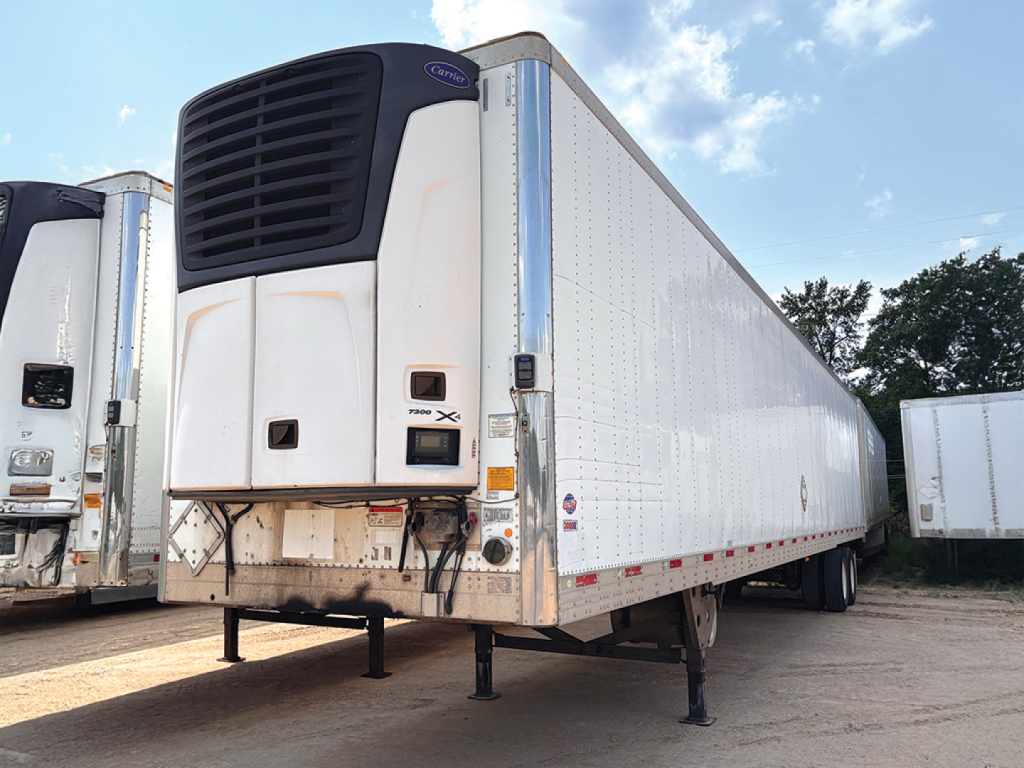
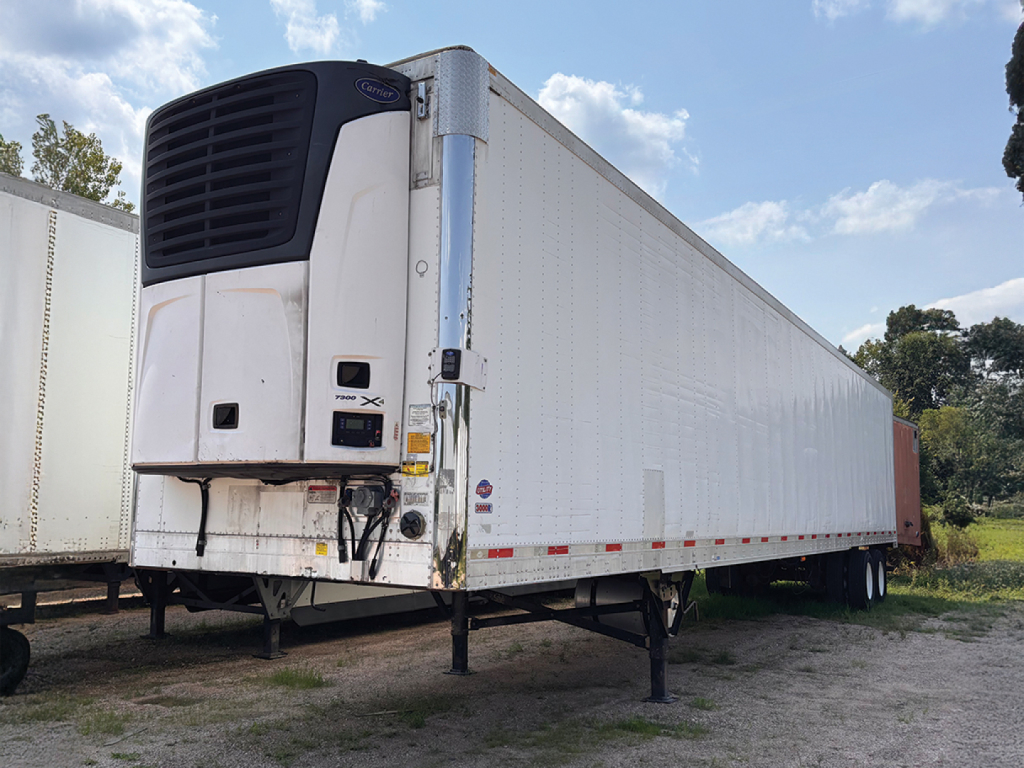
The refrigeration unit matters as much as the trailer body. On used Utility reefers from this era, buyers will often compare Thermo King and Carrier units by hours, maintenance records, pull-down performance, and fuel consumption. Unit age, controller type, and the availability of repair support in your lanes should all factor into the decision. A clean pre-trip should include checking evaporator condition, discharge air consistency, bulkhead fit, door seal integrity, and whether the floor is moving air properly from front to rear. If the trailer will handle mixed-temp or high-frequency door openings, insulation condition and reefer performance under load become more important than cosmetic appearance.
Body and running gear specs on Utility reefers are usually straightforward, but they directly affect operating cost. Many trailers in this class have air ride suspension, sliding tandems, 22.5 low-profile tires, aluminum or steel wheels, swing rear doors, stainless steel rear frames or door frames, and scuff liners or scuff plates. Buyers should inspect the floor for forklift damage, look closely at sidewall lining and lower rail impact, and check the roof and front wall for prior repairs. Reefer trailers live hard lives in food service and grocery fleets, so it is worth paying close attention to crossmember condition, ICC bumper integrity, tandem slide wear, brake type, and any signs of water intrusion around doors or seams.
For North Carolina buyers, a 2017 Utility reefer can fit regional produce hauls, Southeast distribution, port-related cold-chain freight, and longer over-the-road lanes up and down the East Coast. Utility trailers are widely recognized in the market, which helps with resale and parts familiarity. The best buying decision usually comes down to reefer unit history, interior cleanliness, structural condition, and how well the specification matches your freight. A trailer set up for frozen LTL with good airflow management may not be the same fit as one intended for high-cube palletized loads or dedicated drop-and-hook work.
Frequently Asked Questions about Used 2017 Utility Reefer Trailers in North Carolina
What are the typical specs on a 2017 Utility reefer trailer?
A 2017 Utility reefer trailer is commonly found in a 53-foot by 102-inch configuration with a 13-foot 6-inch overall height. Many are built on the Utility 3000R platform and include an insulated aluminum body, heavy-duty duct floor, swing rear doors, sliding tandem suspension, and air ride. Running gear often includes 22.5 low-profile tires, with wheel and brake specs varying by fleet and application.
What should I inspect first on a used Utility reefer trailer?
Start with the refrigeration unit service history, engine hours, and evidence of consistent preventive maintenance. Then inspect the trailer body for floor damage, wall delamination, roof repairs, door seal wear, and moisture intrusion. On the chassis side, pay close attention to suspension condition, tandem slider function, brake wear, tire condition, and any signs of frame or crossmember damage from dock impacts or heavy forklift traffic.
Is a 2017 Utility reefer trailer good for produce and grocery freight?
Yes. This trailer class is commonly used for produce, grocery distribution, frozen foods, dairy, and other temperature-controlled freight. Utility reefers are known for mainstream fleet specs that work well in truckload and regional delivery applications. The real suitability depends on insulation integrity, reefer pull-down performance, air circulation through the floor, and how well the interior has been maintained for food-grade service.
Which is more important on a used reefer, the trailer body or the refrigeration unit?
Both matter, but the refrigeration unit usually drives the highest repair risk in the short term. A sound trailer body with poor insulation, damaged doors, or a compromised floor will still create temperature-control problems, so the two systems need to be evaluated together. Buyers should compare reefer hours and maintenance records alongside body condition, because a good unit on a leaking or damaged box will not perform correctly in service.
Why do many buyers look for Utility reefer trailers specifically?
Utility reefer trailers have strong market familiarity, broad parts support, and specifications that fit common refrigerated freight operations. They are frequently used in large fleets, which means buyers often know what to expect in terms of dimensions, repair practices, and resale appeal. That familiarity can make a Utility reefer easier to place into service and easier to remarket later compared with less common trailer brands.