
Used 2016 Utility Trailers For Sale
Shop the used 2016 Utility trailer market with insight on reefer, flatbed, and trailer specs, construction, maintenance points, and applications.
Learn more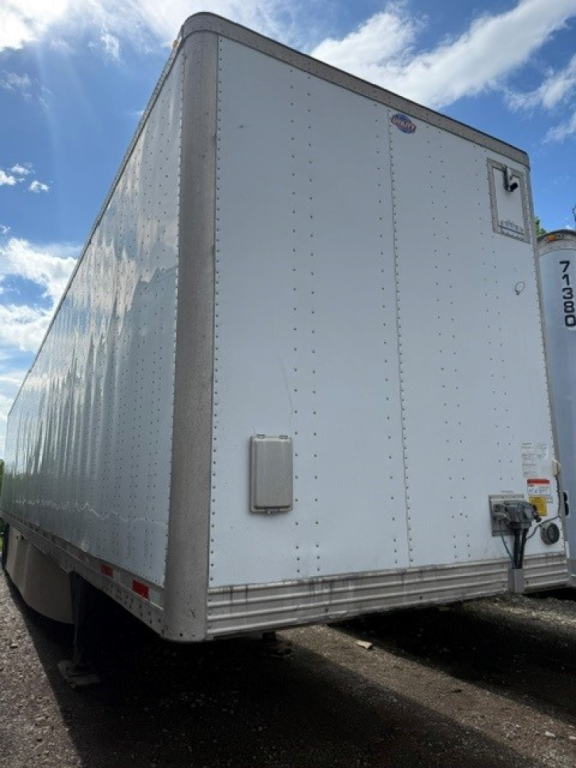
Showing 13 to 14 of 14 results
Have used 2016 utility trailer to sell? List it here to reach thousands of buyers.
About Used 2016 Utility Trailers
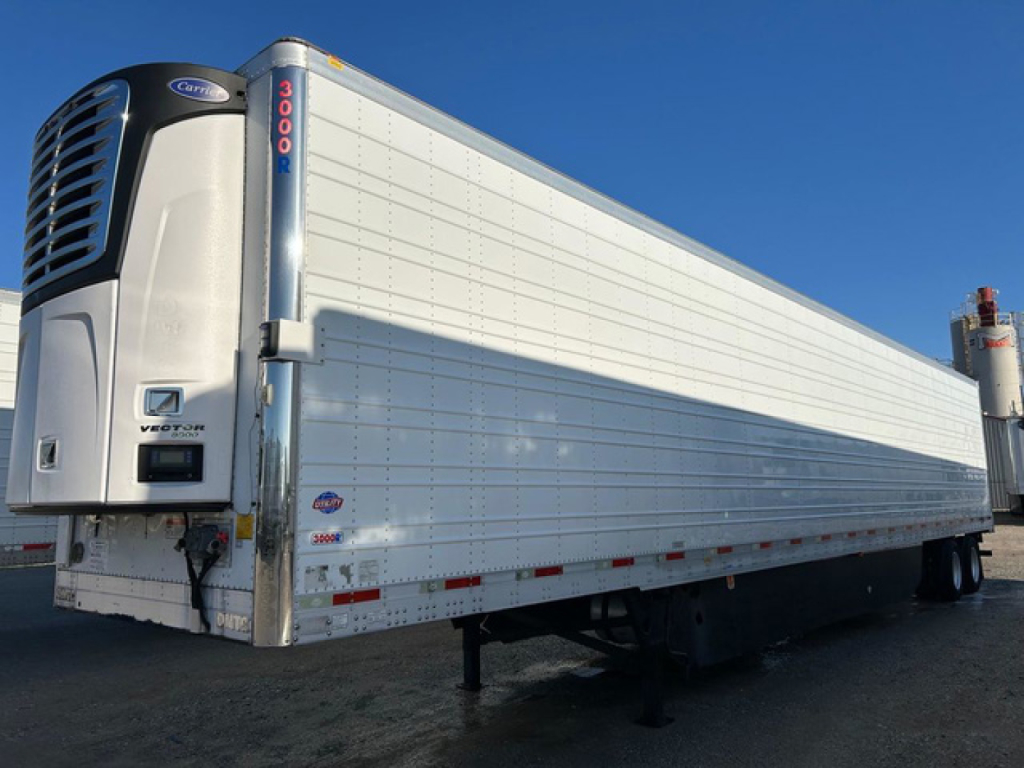
For refrigerated applications, many 2016 Utility trailers were spec'd as 53-foot by 102-inch units with insulation packages, scuff liners, duct floors, and telematics-ready refrigeration systems. Buyers should look closely at reefer engine hours, service history, evaporator condition, fuel tank integrity, and the state of the interior lining. Check for moisture intrusion around the front wall, roof seams, and door frame, along with floor wear from pallet jacks and forklifts. Suspension type, tire inflation systems, air slide kingpin settings, and tandem configuration also affect day-to-day performance and loading flexibility. A well-maintained 2016 Utility reefer can still fit regional foodservice, long-haul produce, frozen freight, and dedicated contract carriage.
If the trailer is a 2016 Utility flatbed or open-deck configuration, the buying criteria shift toward frame design, crossmember spacing, deck condition, and legal axle spread. Utility combo flatbeds from this period are commonly seen with aluminum components to reduce tare weight, along with steel main beams for strength. Stake pockets, winch tracks, coil packages, pipe spools, and fixed or sliding tandem setups are all worth confirming against the freight mix. For operators running steel, lumber, machinery, or building products, look for signs of concentrated load damage, cracked welds, bent rub rails, and corrosion around fasteners and landing gear mounts.
Across the category, used 2016 Utility trailers appeal to buyers because they are old enough to be priced below late-model equipment but new enough to include modern specs that still work in fleet service. The smartest purchase usually comes down to maintenance records, prior duty cycle, and whether the trailer was spec'd correctly for the route and commodity. Trailer age alone does not tell the full story. A 2016 Utility trailer with documented PM history, healthy brakes and suspension, straight frame rails, solid flooring, and consistent tire wear is typically a better value than a newer trailer with deferred maintenance.
Frequently Asked Questions
What should I inspect first on a used 2016 Utility reefer trailer?
Start with the refrigeration unit hours, maintenance records, and the condition of the trailer interior. The most important checkpoints are the floor, lining, door seals, front wall, roof seams, and evaporator area. Buyers should also inspect the suspension, brakes, tires, air system, and tandem slider operation because reefer performance depends on both the cooling system and the trailer chassis being in serviceable condition.
Are 2016 Utility trailers still a good fit for fleet service?
Yes, many 2016 Utility trailers remain viable in fleet service if they have been maintained correctly. Utility trailers from this model year are common enough that parts availability, shop familiarity, and resale market recognition are still strong. The real deciding factors are prior application, structural condition, PM history, and whether the trailer's axle, suspension, floor, and body specifications match the freight it will haul.
What are common specs on a 2016 Utility trailer?
Common specs vary by trailer type, but many 2016 Utility trailers were built as 53-foot by 102-inch units with air ride suspension, slider tandems or fixed spreads, 22.5 low-profile tires, and aluminum or steel wheel configurations. Reefer models often include aluminum duct floors, scuff protection, swing doors, and Carrier or Thermo King refrigeration units. Flatbeds may include combo construction, stake pockets, winch tracks, coil packages, and pipe spools.
How do I evaluate a used 2016 Utility flatbed trailer?
Focus on structural condition and deck usability. Inspect the main beams, crossmembers, rub rails, stake pockets, and landing gear areas for cracking, impact damage, or rust. Check the deck surface for rot, fastener pull-through, and evidence of concentrated overloads. Buyers should also confirm axle spread, suspension type, and securement features so the trailer fits the intended freight and complies with the lanes it will run.
Does trailer mileage matter on a used 2016 Utility trailer?
Trailer mileage matters less than maintenance and application history. A trailer that ran consistent highway freight with scheduled brake, tire, and suspension service can be a better purchase than one with lower mileage but heavy dock abuse or irregular upkeep. For reefer trailers, refrigeration unit hours and service records are often more revealing than estimated trailer mileage alone.