
Used 2016 Utility Trailers For Sale in Mississippi
Browse used 2016 Utility trailers in Mississippi, including 53-foot dry vans and reefers with air ride, sliding tandems, and logistics-ready specs.
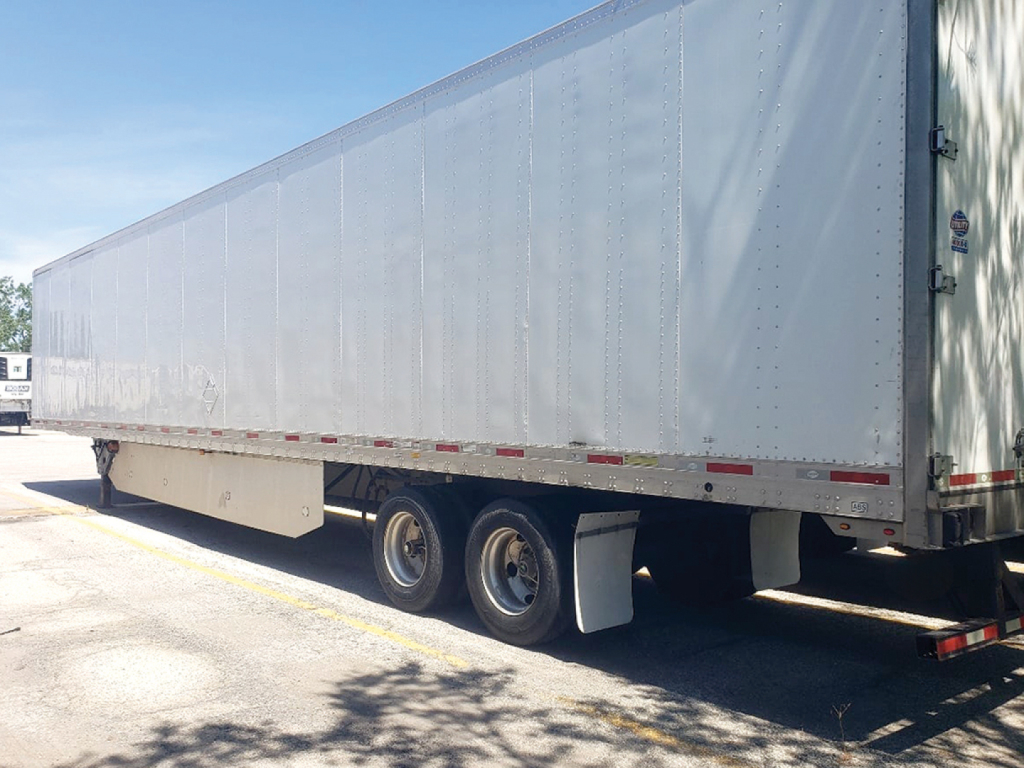
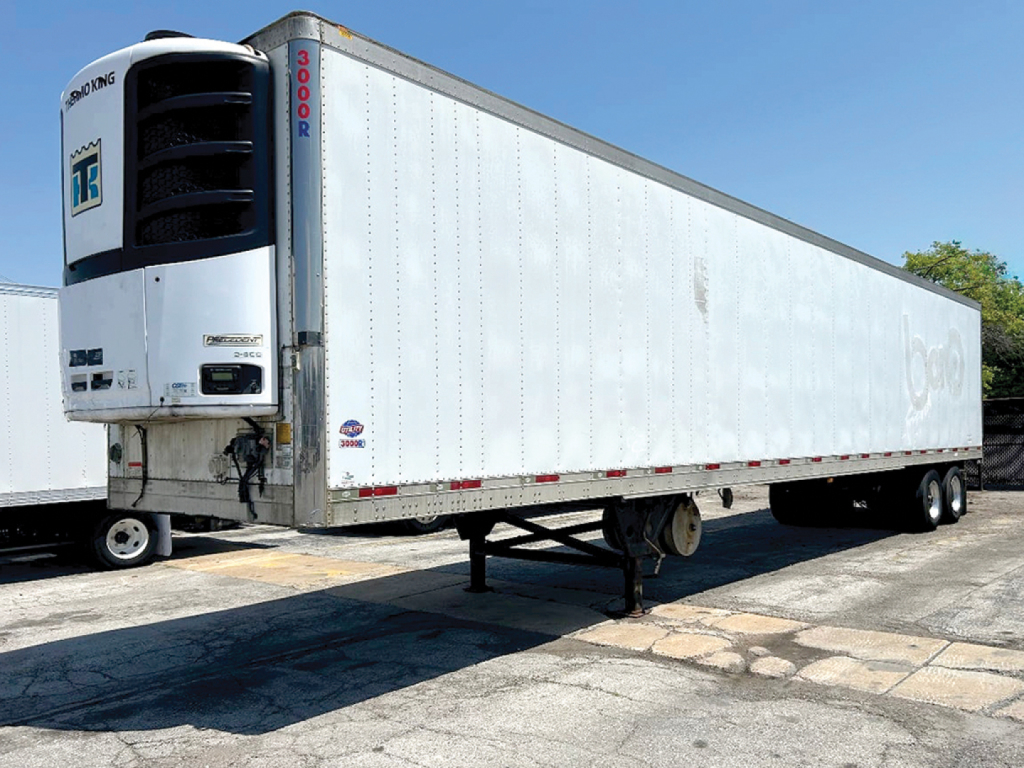

Have used 2016 utility trailer to sell? List it here to reach thousands of buyers.
Used 2016 Utility Trailers in Mississippi
For dry van buyers, the 2016 Utility 4000D-X is known for a lightweight aluminum design, wood flooring, logistics posts, and practical dock hardware such as scuff plates and threshold plates. Common suspension and running gear choices include air ride, sliding tandems, low-profile 22.5 tires, aluminum wheels, and in many cases disc brakes. Those details matter because they affect maintenance cost, loading flexibility, and how easily the trailer can be assigned across a mixed fleet. A sliding tandem is especially important for bridge law compliance and distribution work where axle placement needs to change by load.
If the trailer is a reefer, focus first on the refrigeration unit model and hours, then move to insulation condition, floor design, chute, door seal integrity, and signs of prior interior damage. Utility reefer trailers from this general era often include aluminum duct floors, cold chutes, scuff liners or scuff plates, swing doors, and air ride suspension. Buyers hauling produce, frozen freight, dairy, or pharmaceuticals should verify unit performance under load and inspect for air leaks, floor wear, and moisture intrusion. In the Southeast, reefer buyers should also pay attention to corrosion around rear frames, door hardware, and undercarriage components due to humidity and washout cycles.
For any used 2016 Utility trailer, the key buying decision is not just van versus reefer, but how the trailer’s spec matches lane demand and maintenance expectations. Check roof condition, crossmembers, kingpin area, tandem rails, brake type, tire date codes, and signs of previous dock impact. Logistics-equipped interiors are valuable for high-cube palletized freight, while side skirts can improve fuel economy for linehaul operations if they are still straight and serviceable. Utility remains a popular trailer brand because the specs are familiar, repair networks are widespread, and the equipment is easy to place into everyday freight service when the trailer has been maintained correctly.
Frequently Asked Questions about Used 2016 Utility Trailers in Mississippi
What are the most common specs on a used 2016 Utility trailer?
A used 2016 Utility trailer is often a 53-foot by 102-inch trailer with 13-foot 6-inch overall height. Common specs include aluminum construction, air ride suspension, sliding tandem axles, 22.5 low-profile tires, swing doors, and logistics-ready interior configurations. On dry vans, buyers frequently see wood floors, scuff plates, threshold plates, and stainless rear door framing. On reefer trailers, common features include aluminum duct floors, cold chutes, insulated bodies, and Carrier or Thermo King refrigeration units depending on original spec.
Is a 2016 Utility 4000D-X a good dry van for general freight?
The Utility 4000D-X is widely used in general freight service because it balances weight, durability, and standard fleet specs. A 2016 model is commonly equipped for dock-to-dock freight with logistics posts, a wood floor, air ride, and a sliding tandem, which makes it practical for palletized consumer goods, retail freight, and contract distribution. The main inspection points are floor condition, roof integrity, rear frame wear, tandem slide operation, and evidence of repeated forklift impact inside the body.
What should I inspect first on a used 2016 Utility reefer trailer?
Start with the refrigeration unit, including engine hours, service records, operating temperature pull-down, and alarm history if available. After that, inspect the trailer body for insulation issues, floor damage, soft spots, damaged chute material, worn door seals, and corrosion around the rear frame and evaporator area. Reefer buyers should also look for signs of moisture intrusion and previous wall repairs, because those problems can affect temperature control and long-term operating cost more than cosmetic wear.
Why does a sliding tandem matter on a 53-foot Utility trailer?
A sliding tandem gives the trailer more flexibility for axle weight distribution and bridge law compliance. That matters in regional and long-haul work because different loads, shippers, and states can require different axle settings. A trailer with a properly functioning tandem slide is easier to dispatch across multiple lanes and customers, especially in dry van fleets handling mixed commodity weights. Buyers should confirm the slide locks engage correctly and inspect the rail area for wear, cracking, or damage from poor maintenance.
Are disc brakes and side skirts valuable on a used 2016 Utility trailer?
Disc brakes can be a meaningful advantage because they typically offer strong stopping performance, simpler visual inspection, and reduced brake fade compared with older drum setups. Side skirts can add value for linehaul operations where fuel economy matters, provided the skirts are not cracked, bent, or poorly repaired. Both features can improve operating efficiency, but they should be evaluated as part of the trailer’s full maintenance picture, including tires, hubs, suspension, and structural condition.