
Used 2016 Utility Trailers For Sale in North Carolina
Browse used 2016 Utility trailers in North Carolina, including reefer and dry van models with 53-foot specs and fleet-ready features.
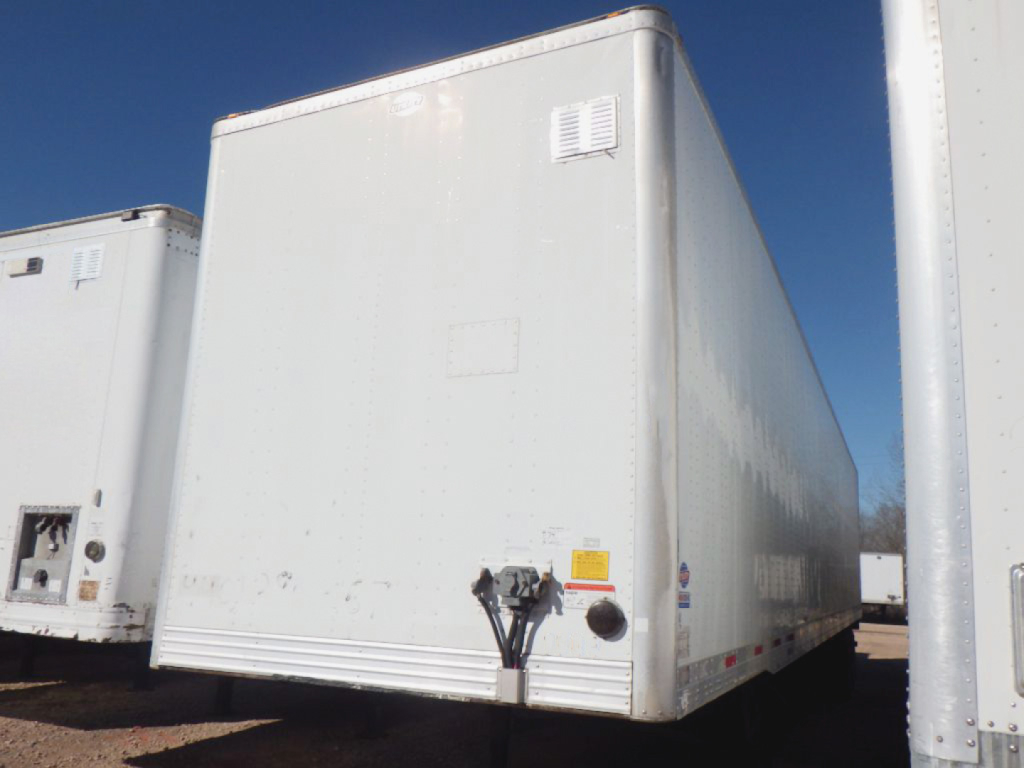

Selling a used 2016 utility trailer? List your used 2016 utility trailer for sale and reach thousands of commercial buyers.
Used 2016 Utility Trailers in North Carolina
For refrigerated freight, a 2016 Utility 3000R typically centers the buying decision around the reefer unit, floor design, and interior condition. Common specs include aluminum construction, 102-inch width, 13-foot 6-inch overall height, air ride suspension, sliding tandems, and low-profile 22.5 tires. Many are equipped with duct floors, scuff liners or scuff plates, stainless steel front radius panels, and stainless rear door frames. Buyers should pay close attention to reefer hours, unit service history, fuel tank condition, insulation performance, door seal condition, and whether the trailer has swing doors or a roll-up rear door, since each setup affects dock use, maintenance cost, and cubic access.
If the trailer is a dry van, the key points shift toward floor life, logistics readiness, and trailer weight. Utility dry vans from this era are often spec'd with wood floors, aluminum exterior construction, air ride, sliding tandems, swing doors, and fleet-focused options such as side skirts, threshold plates, and tire inflation systems. Logistics posts and interior wall condition matter if the trailer will handle mixed freight or high-cycle dock work. Buyers in North Carolina should also think about lane type and enforcement environment, since tandem slide range, axle spacing, and overall tare weight can affect how efficiently a trailer runs from port, warehouse, or regional distribution work.
A used 2016 Utility trailer is usually purchased on total operating value rather than just age. The best units tend to be the ones with clean maintenance records, straight rails, sound crossmembers, healthy suspension components, and consistent tire and brake wear. On reefers, it is worth checking bulkhead condition, floor wear from pallets or jacks, and signs of moisture intrusion around doors and front corners. On vans, look closely at roof integrity, floor repairs, and rear frame impact damage. Utility remains a practical trailer choice because parts access is generally good, the specs are familiar to fleet maintenance teams, and the brand has a long track record in both refrigerated and dry freight service.
Frequently Asked Questions about Used 2016 Utility Trailers in North Carolina
What are the most common types of used 2016 Utility trailers?
The most common used 2016 Utility trailers are 53-foot refrigerated trailers and 53-foot dry vans. Utility 3000R reefers are especially common in fleet turnover, while Utility dry van models are often found in regional and over-the-road freight service. Both types are typically built with aluminum construction, air ride suspension, and sliding tandems, which makes them familiar and easy to place into commercial service.
What should I inspect first on a used 2016 Utility reefer trailer?
Start with the refrigeration unit hours, service records, and operating performance under load. Then inspect the floor type, interior lining, scuff protection, door seals, bulkhead, and signs of moisture intrusion. On the trailer side, pay attention to suspension wear, brake condition, tire wear patterns, rear frame damage, and the overall condition of the insulated body. A reefer can look clean but still need expensive unit or insulation work, so function matters more than cosmetics.
Are 2016 Utility trailers good for fleet service in North Carolina?
Yes, many 2016 Utility trailers are well suited for North Carolina freight because they match common regional and Southeast operating requirements. Reefer models work well for grocery, produce, protein, and temperature-controlled distribution, while dry vans fit warehouse, retail, and general freight lanes. Sliding tandems, standard 53-foot dimensions, and common replacement parts help keep them practical for both local and long-haul service.
What specs are common on used 2016 Utility trailers?
Common specs include 53-foot length, 102-inch width, 13-foot 6-inch overall height, air ride suspension, sliding tandems, 22.5 low-profile tires, and aluminum construction. Reefer models may include duct floors, scuff plates, stainless steel front radius panels, and either swing or roll-up rear doors. Dry vans may include wood floors, logistics posts, threshold plates, side skirts, and tire inflation systems depending on the original fleet spec.
How do I choose between a Utility reefer and a Utility dry van?
The right choice depends on freight type, operating cost, and loading environment. A Utility reefer is built for temperature-controlled freight and has higher maintenance complexity because of the refrigeration unit and insulated body. A Utility dry van has lower operating cost and is better for general freight, retail, and non-perishable cargo. Buyers should compare payload needs, dock cycle frequency, route length, and maintenance budget before deciding.