
Used 2014 Utility Trailers For Sale in Texas
Browse used 2014 Utility trailers in Texas, including reefer and flatbed models with specs, applications, and key inspection points.
Learn more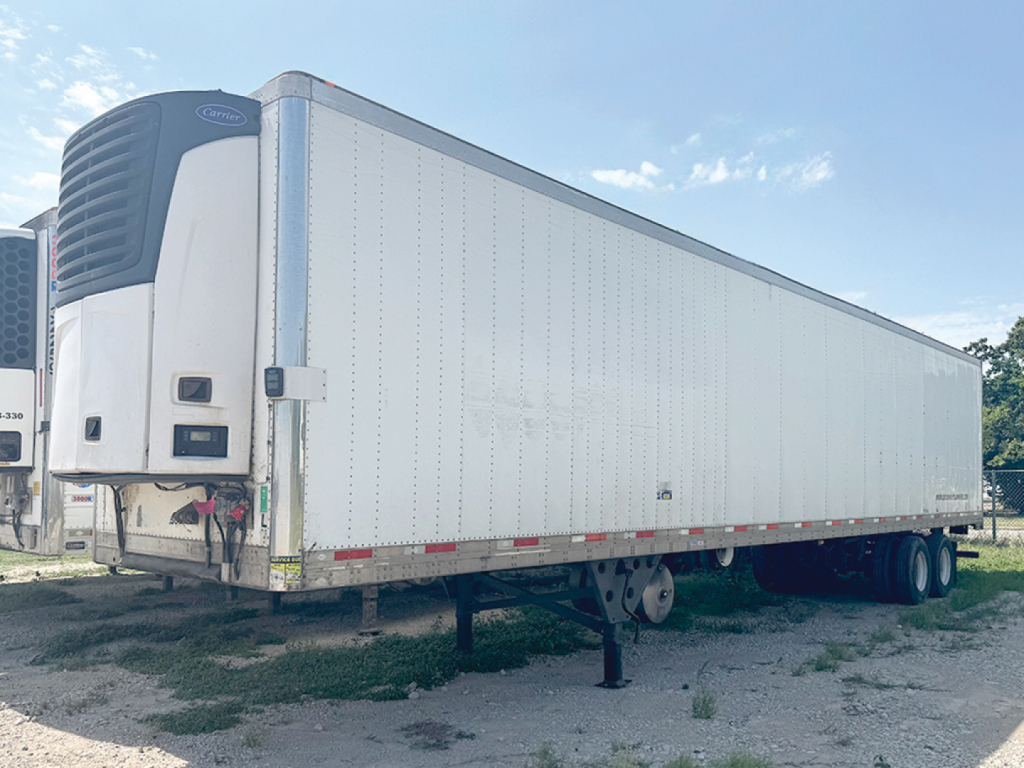
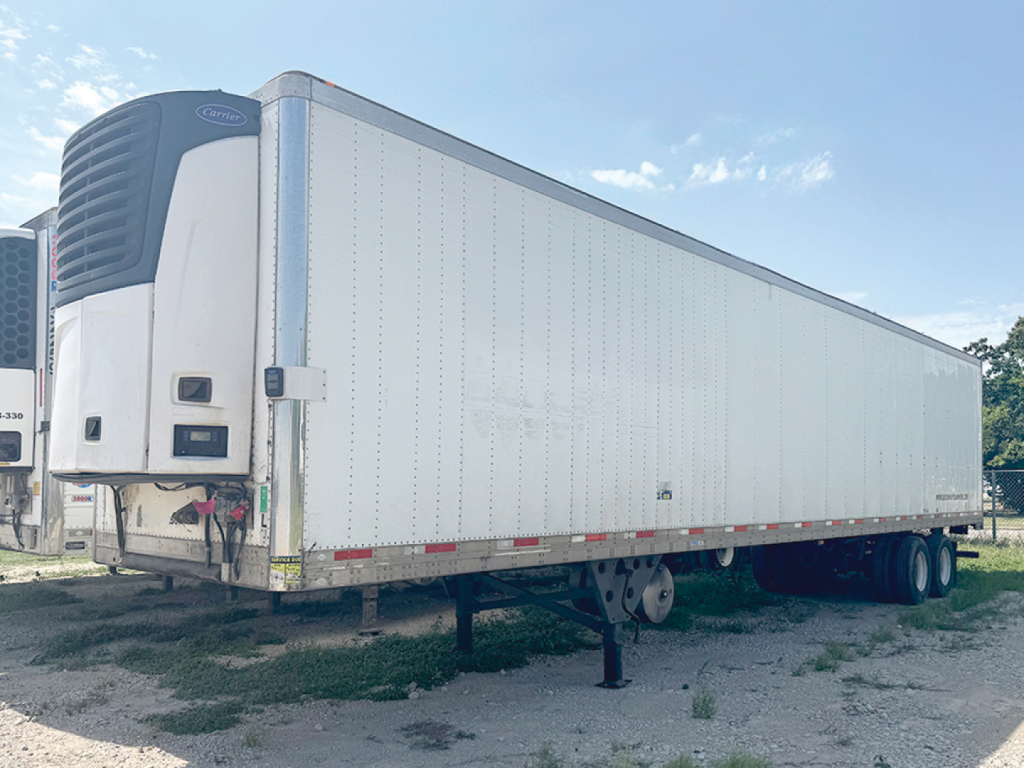
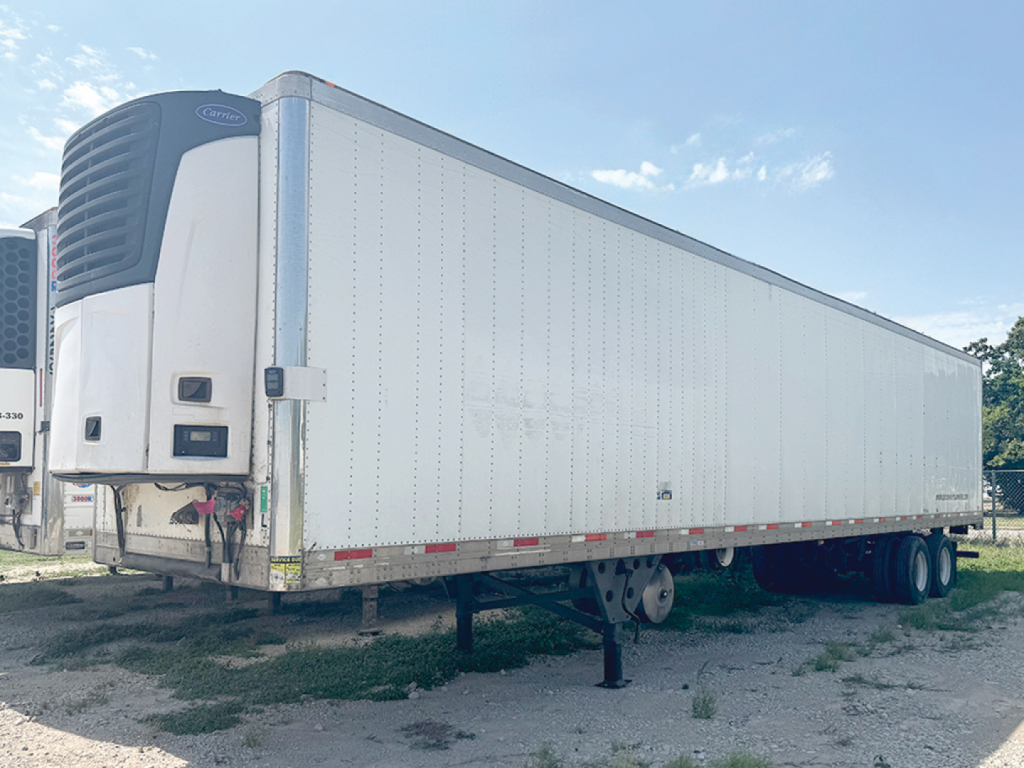
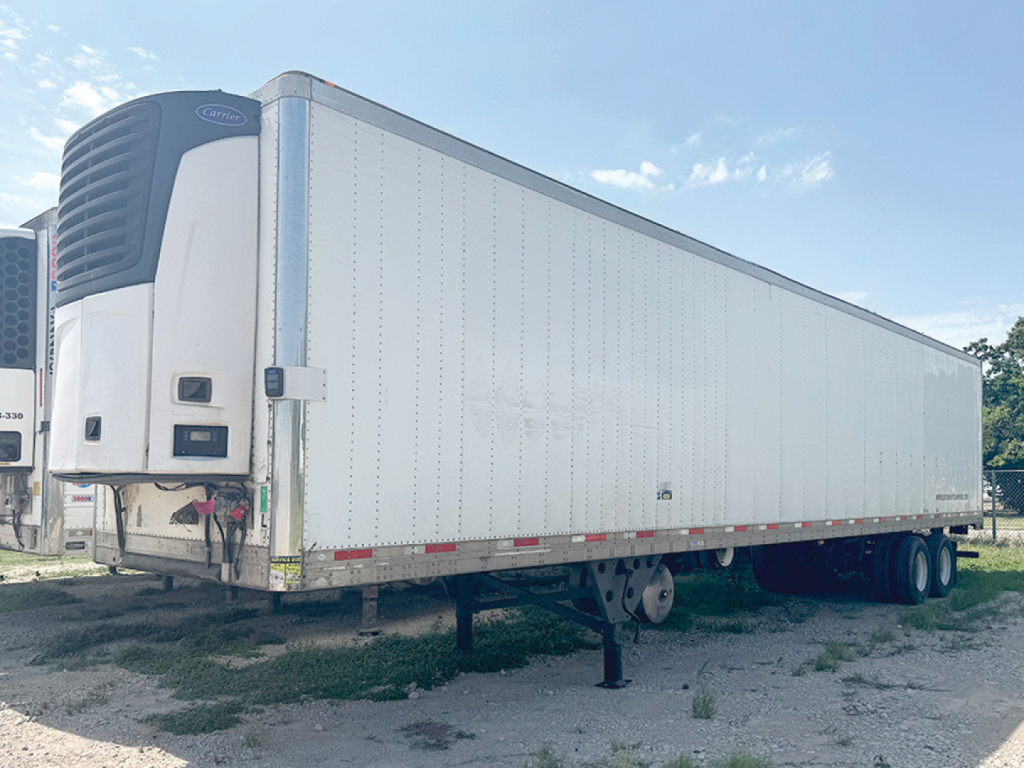
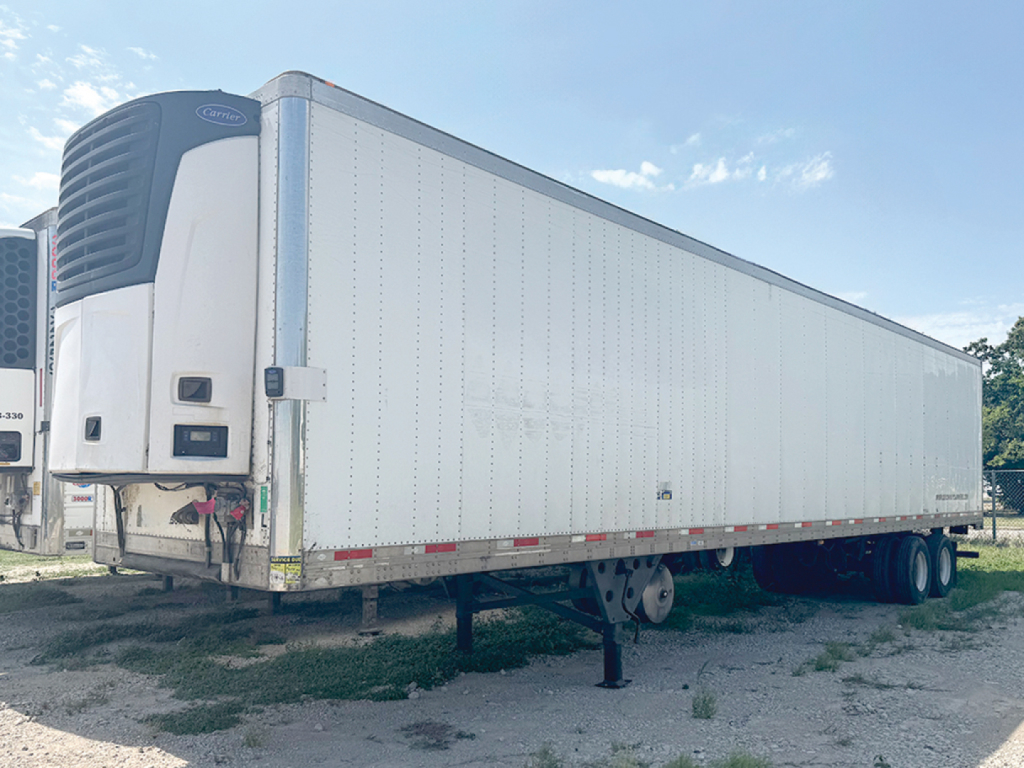

Showing 1 to 12 of 13 results
Have used 2014 utility trailer to sell? List it here to reach thousands of buyers.
About Used 2014 Utility Trailers in Texas
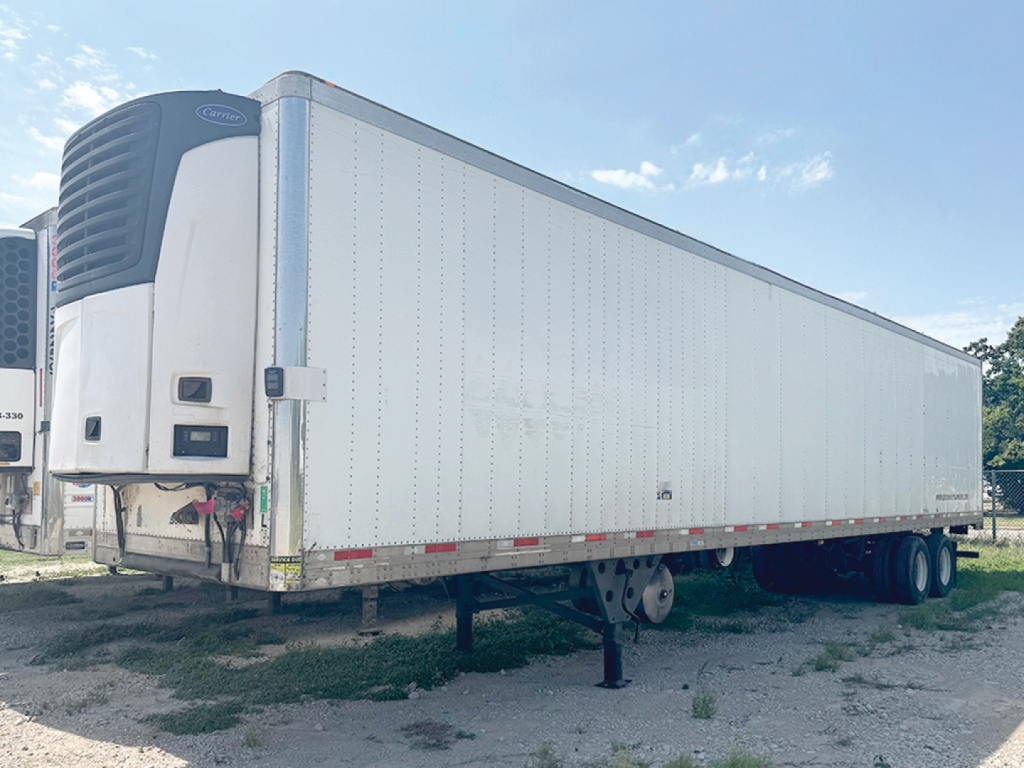
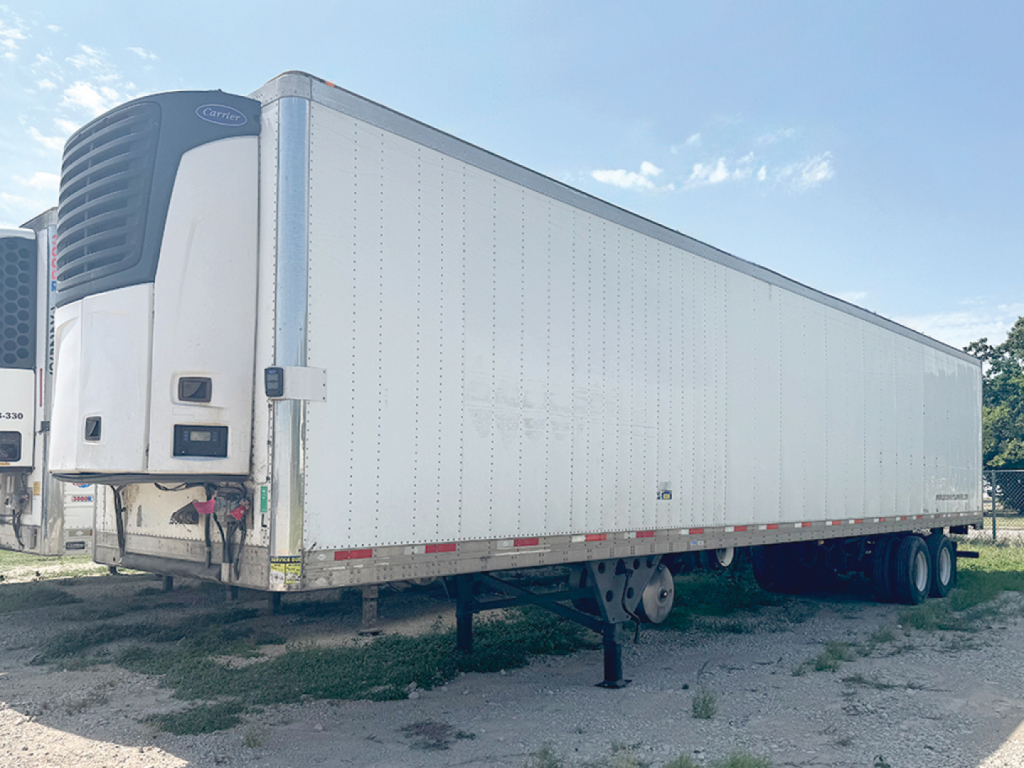
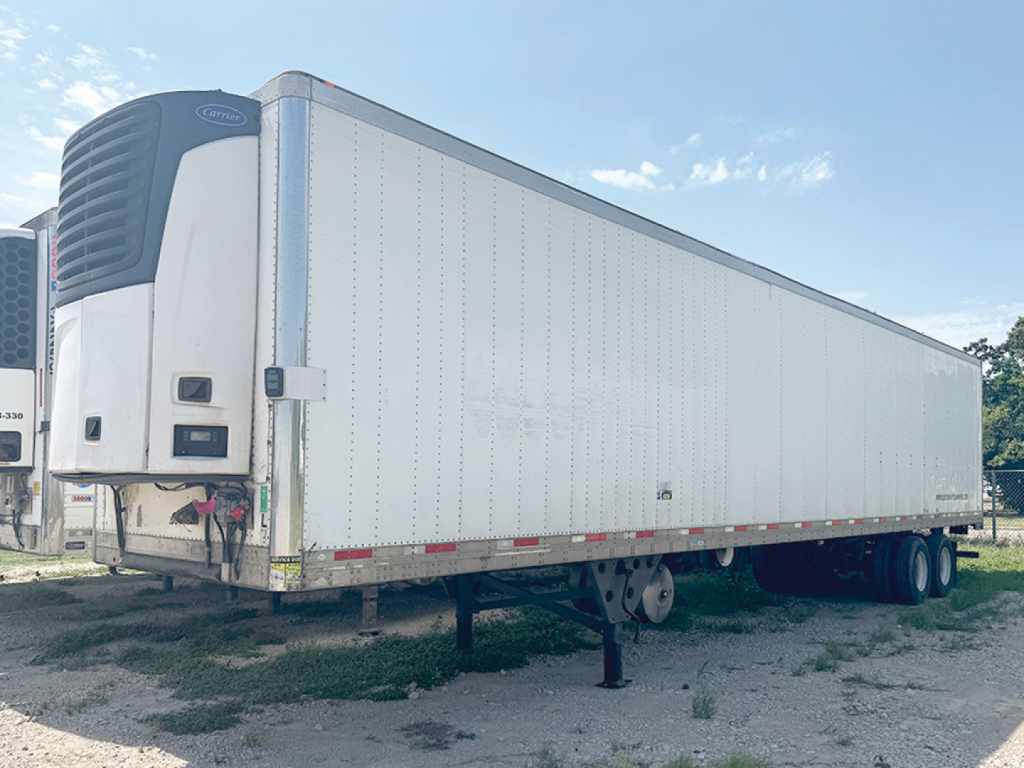
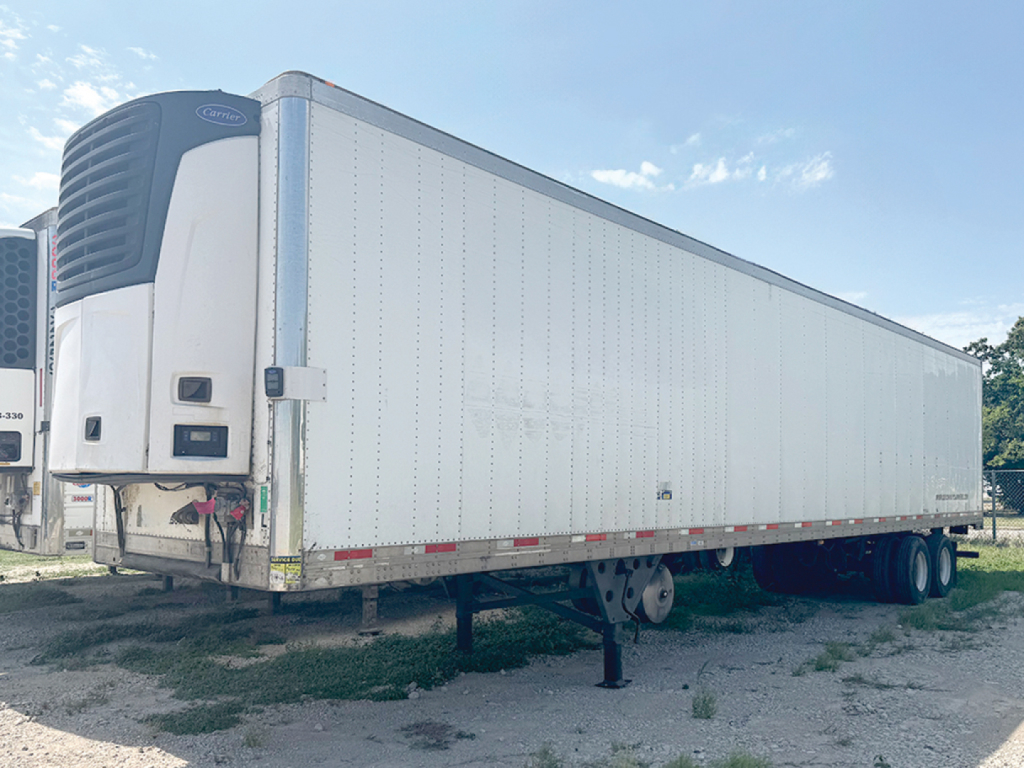
For refrigerated service, buyers should focus first on the box spec and refrigeration package, not just the model year. A 2014 Utility reefer may have features such as a heavy-duty aluminum duct floor, scuff liners or scuff plate protection, cold chute, stainless front radius panels, stainless door frames, and either swing or roll-up rear doors. Inside height matters for cube, and floor condition matters for airflow and forklift traffic. The reefer unit brand and model, hours, service records, evaporator condition, and operating temperature pull-down are all critical. In Texas lanes, where heat load is high for much of the year, insulation integrity, door seal condition, and continuous fuel-efficient operation matter more than cosmetic appearance.
On flatbed applications, a 2014 Utility trailer may be set up with sliding winch tracks, coil packages, nail strips, aluminum flooring, and spread axle air ride. Those details directly affect the kind of freight the trailer can handle, from steel and building products to machinery and general commodity loads. Buyers should verify deck condition, crossmember integrity, rub rail wear, suspension condition, and axle spacing if the trailer will run in states with bridge-law or spread-axle considerations. Tire size, wheel type, and brake spec also deserve a close look, especially if the trailer is being matched to an existing fleet maintenance program.
A used 2014 Utility trailer can be a strong value when the spec matches the work. Reefer buyers should confirm interior dimensions, unit performance, and food-grade readiness. Flatbed buyers should inspect securement features, frame condition, and deck life remaining. Across both trailer types, the core buying decision comes down to structural condition, maintenance history, and how well the trailer's original spec fits the freight, lanes, and loading practices it will see in service.
Frequently Asked Questions
What are the most common 2014 Utility trailer types on the used market?
The most common 2014 Utility trailers on the used market are refrigerated vans, especially the Utility 3000R, along with flatbeds built in aluminum or aluminum and steel composite configurations. Reefer trailers are popular with grocery, foodservice, and temperature-controlled carriers, while flatbeds are commonly used for steel, lumber, machinery, and construction materials. The exact trailer type matters more than the badge alone because the body style, dimensions, axle setup, and options determine how well the trailer fits your operation.
What should I inspect on a used 2014 Utility reefer trailer?
Inspect the reefer unit hours, maintenance records, and temperature performance first. Then check the trailer body for floor wear, insulation integrity, front wall condition, roof repairs, door frame damage, and door seal condition. Duct floors, cold chutes, scuff liners, and interior wall condition are especially important if the trailer has seen heavy palletized freight. Also confirm the suspension type, tandem slide operation, brake condition, and tire wear, because these directly affect uptime and operating cost.
Are 2014 Utility flatbeds a good fit for steel or building materials?
Yes, many 2014 Utility flatbeds are well suited for steel, building products, and general open-deck freight if they are properly spec'd. Features like a coil package, sliding winch track, nail strips, air ride suspension, and spread axles can make a major difference in freight flexibility and load securement. Buyers should pay close attention to deck wear, crossmembers, rub rails, and securement points because those areas take the most abuse in daily flatbed service.
Why do Texas buyers pay close attention to reefer condition on used trailers?
Texas puts sustained heat stress on refrigerated equipment for much of the year, so reefer condition has a direct impact on product protection and fuel consumption. A trailer that cools properly in mild weather can still struggle under high ambient temperatures if the insulation, door seals, floor airflow, or refrigeration unit are compromised. That is why pull-down performance, unit service history, and box integrity are often more important than appearance when evaluating a used Utility reefer in this region.
How important is trailer length and width on a used 2014 Utility trailer?
Length and width are core buying factors because they affect payload cube, loading compatibility, and customer acceptance. Common reefer sizes include 48-foot and 53-foot lengths with 96-inch or 102-inch widths, and each configuration can change how the trailer fits docks, route density, and freight planning. On flatbeds, deck length and axle layout influence legal loading and the types of commodities you can haul efficiently. Buyers should match trailer dimensions to their freight profile before comparing cosmetic condition or optional equipment.