
Used 2014 Utility Trailers For Sale
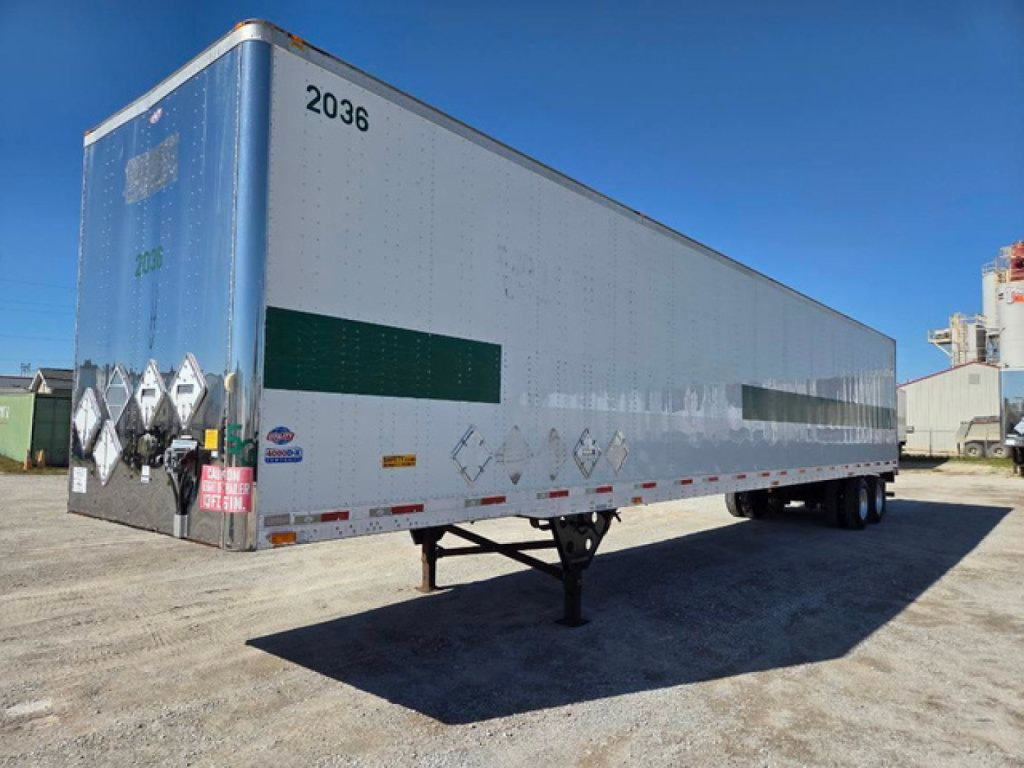
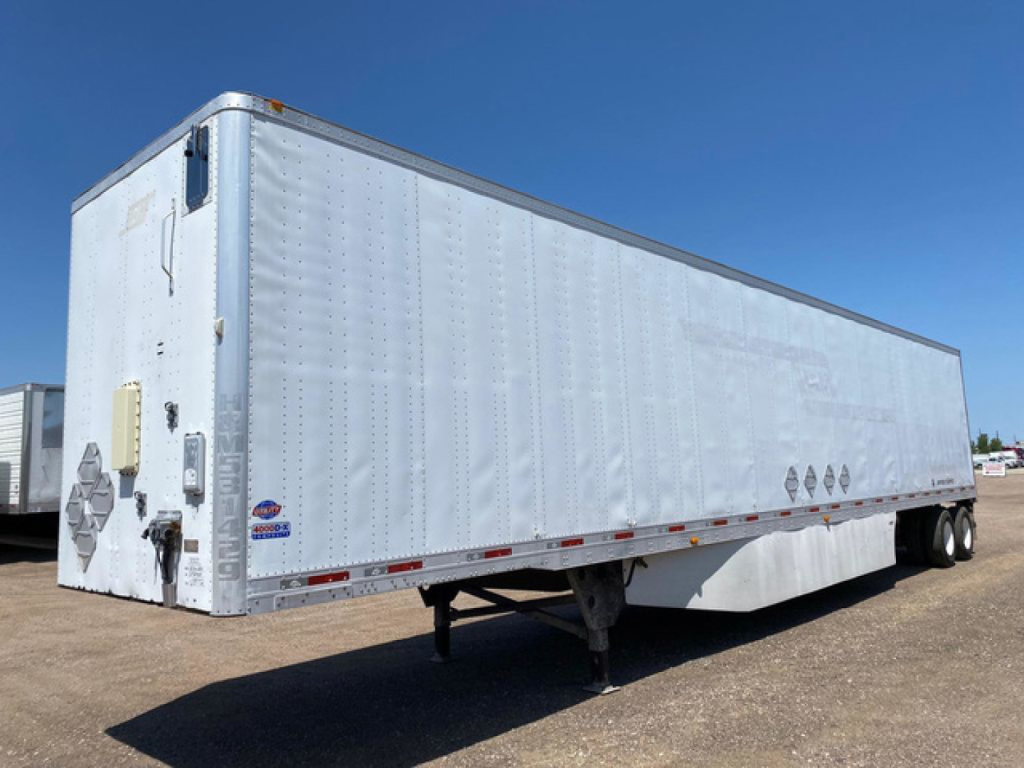
Browse used 2014 Utility trailers including dry vans, reefers, and flatbeds. Compare specs, body type, suspension, and trailer condition.
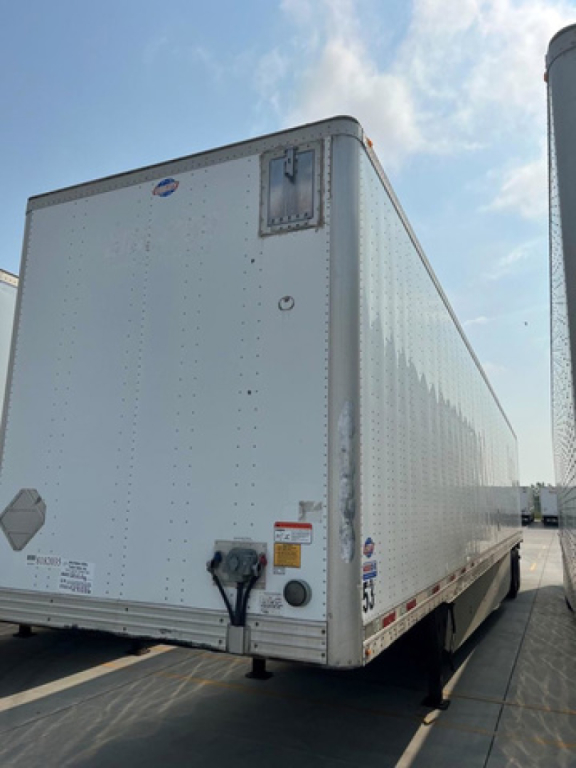
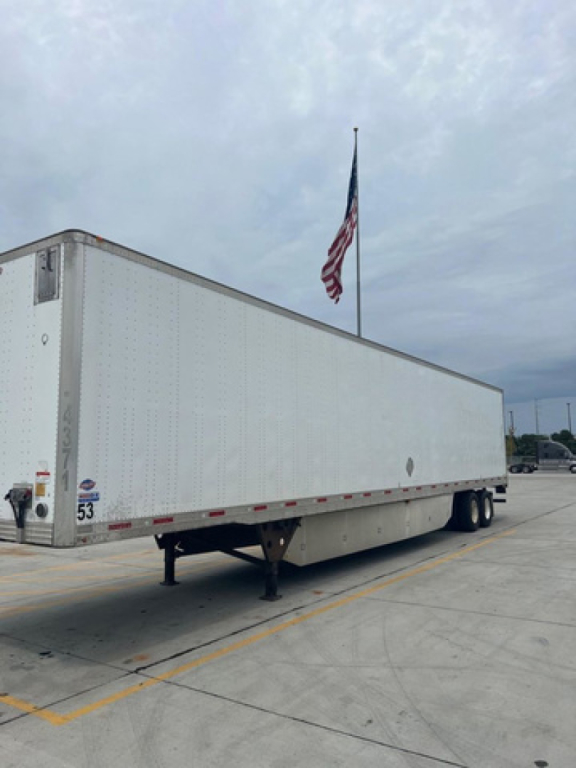
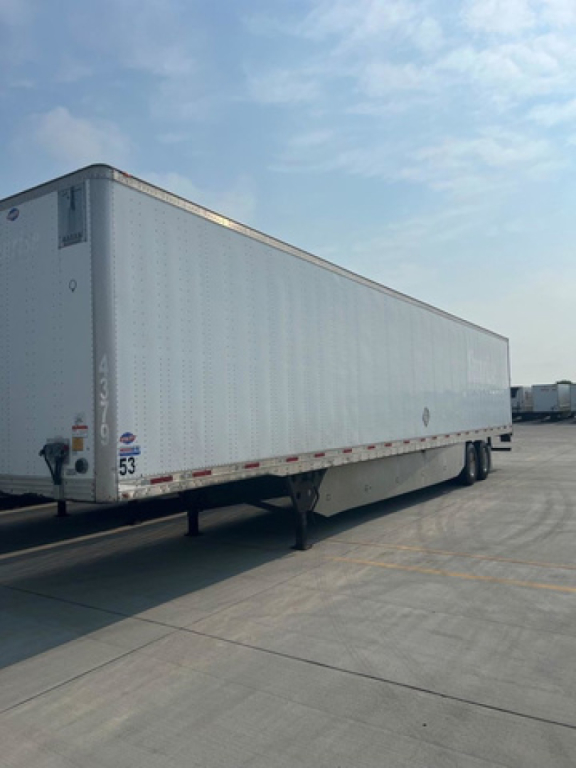
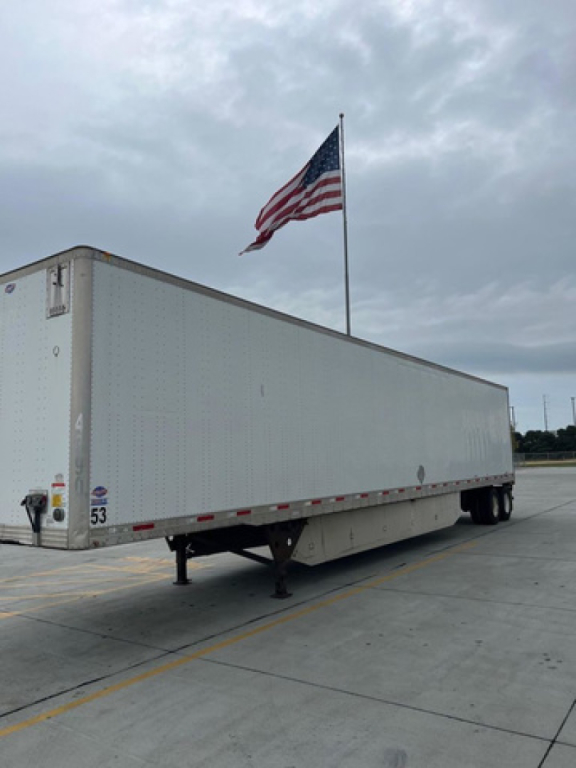
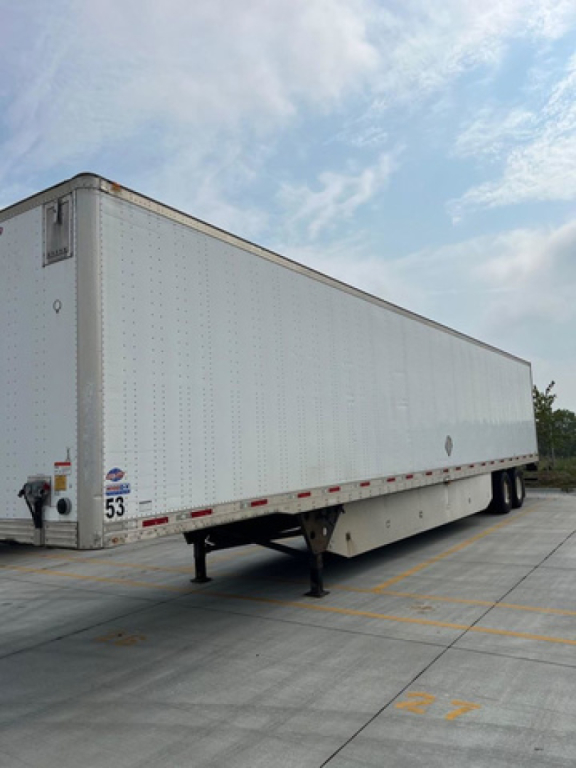
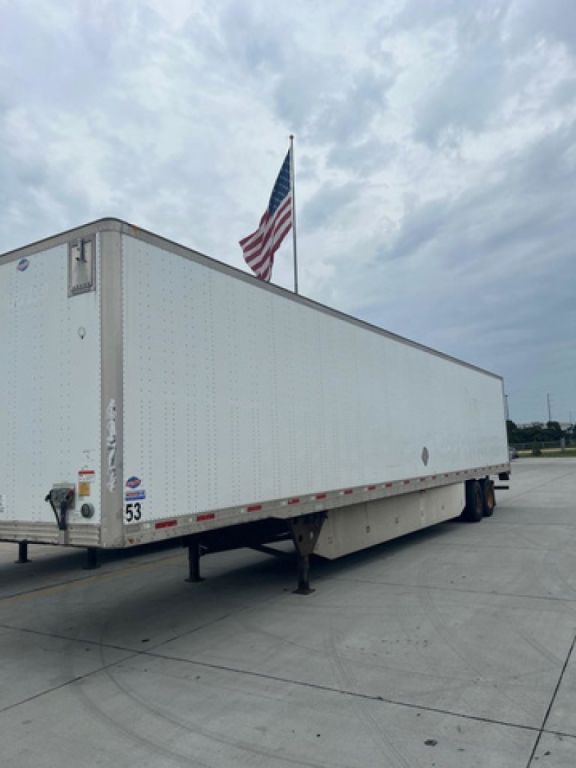
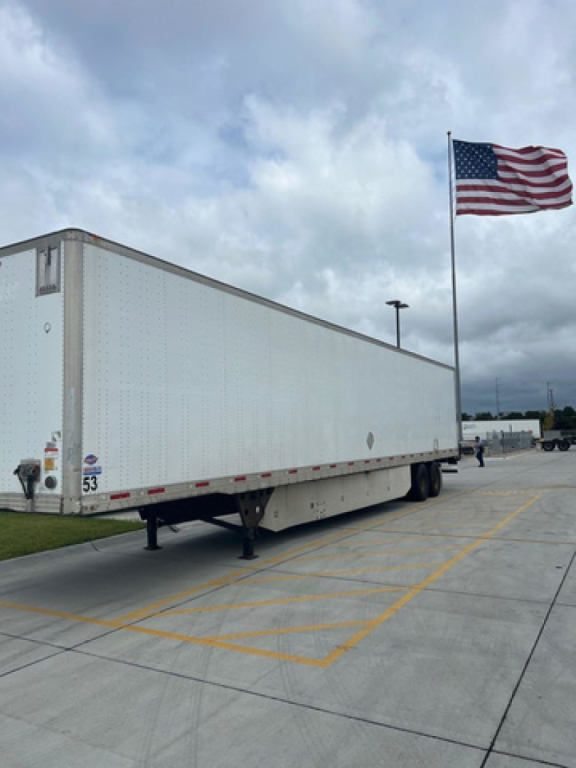
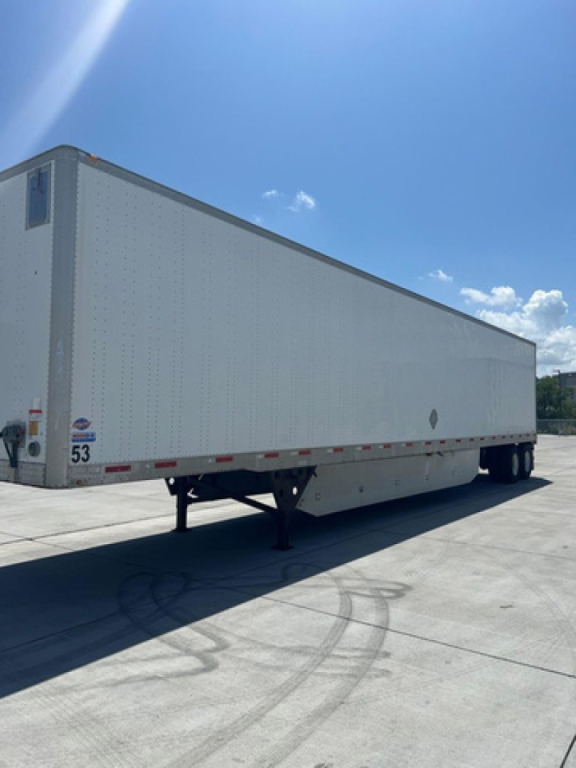
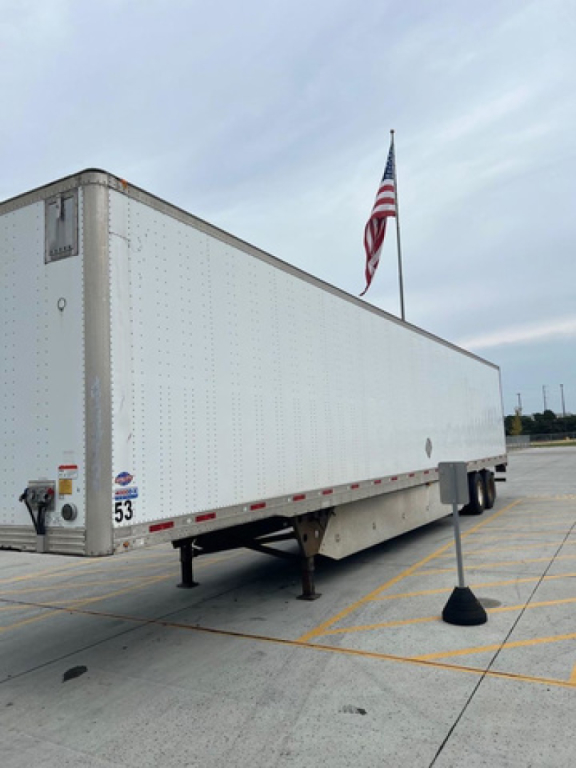
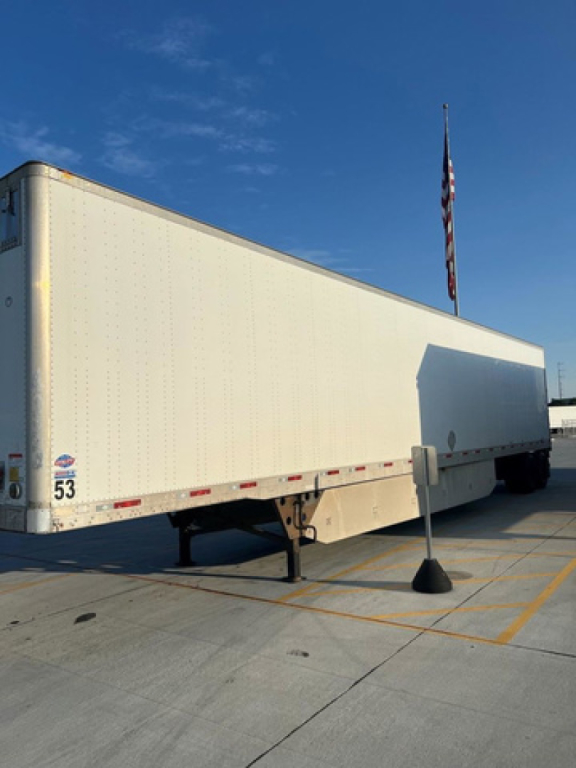
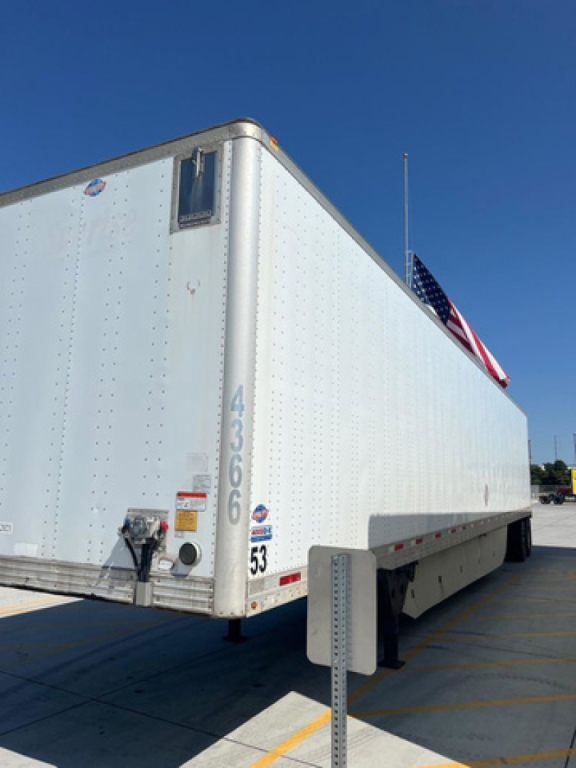
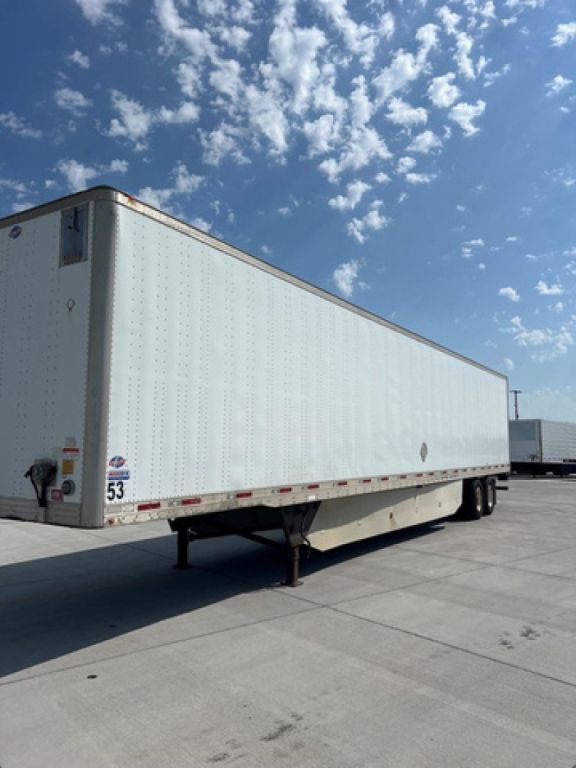
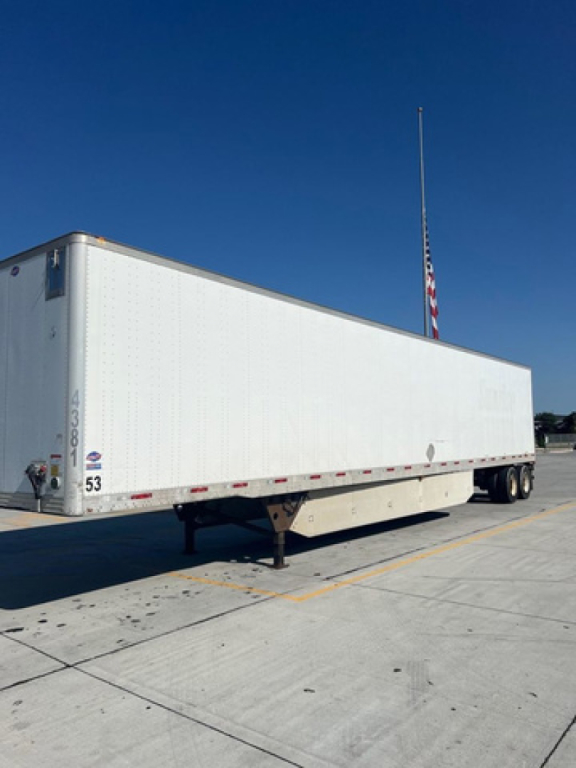
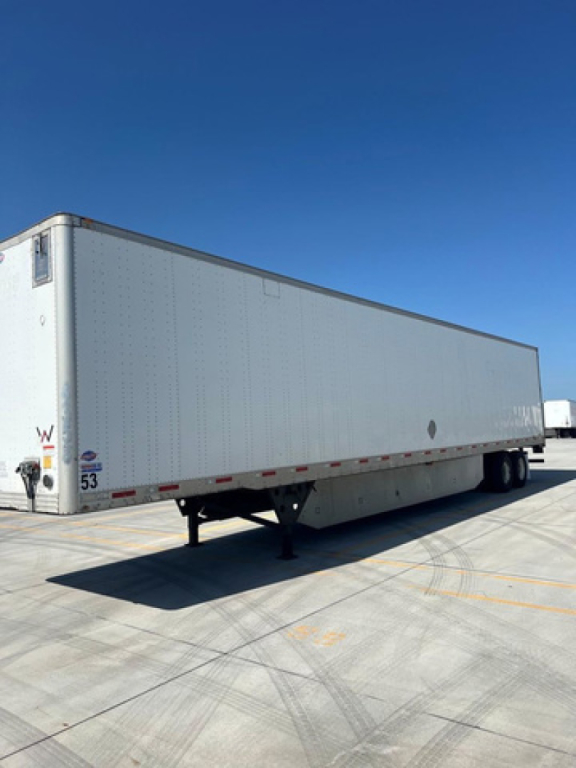
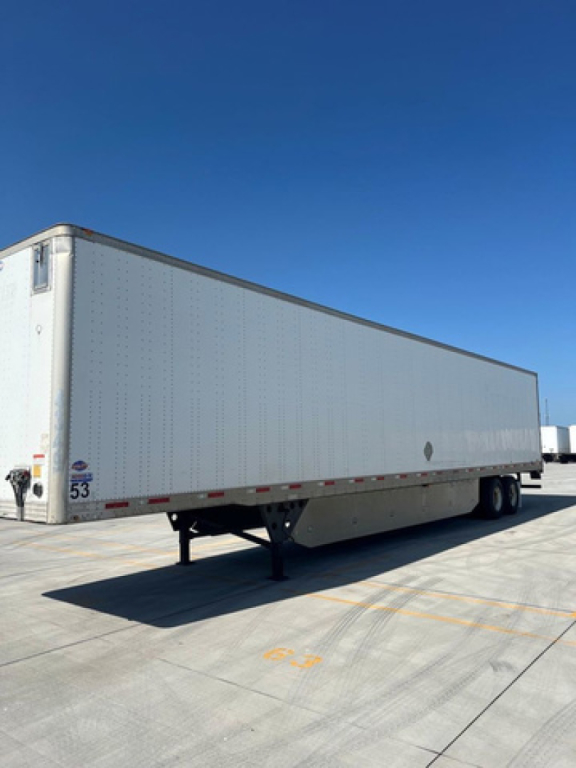
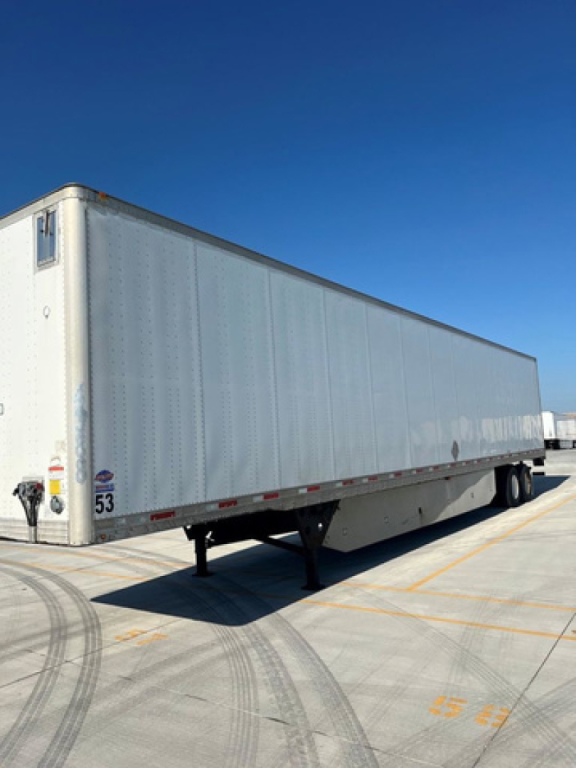
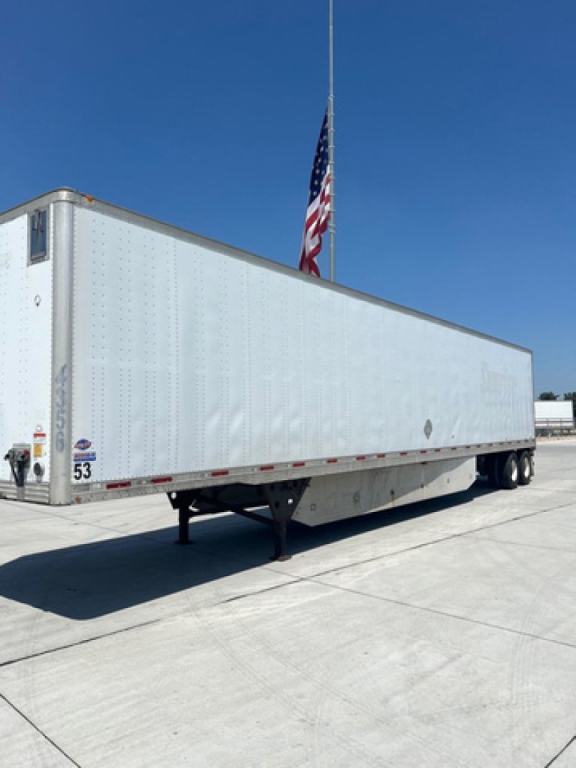
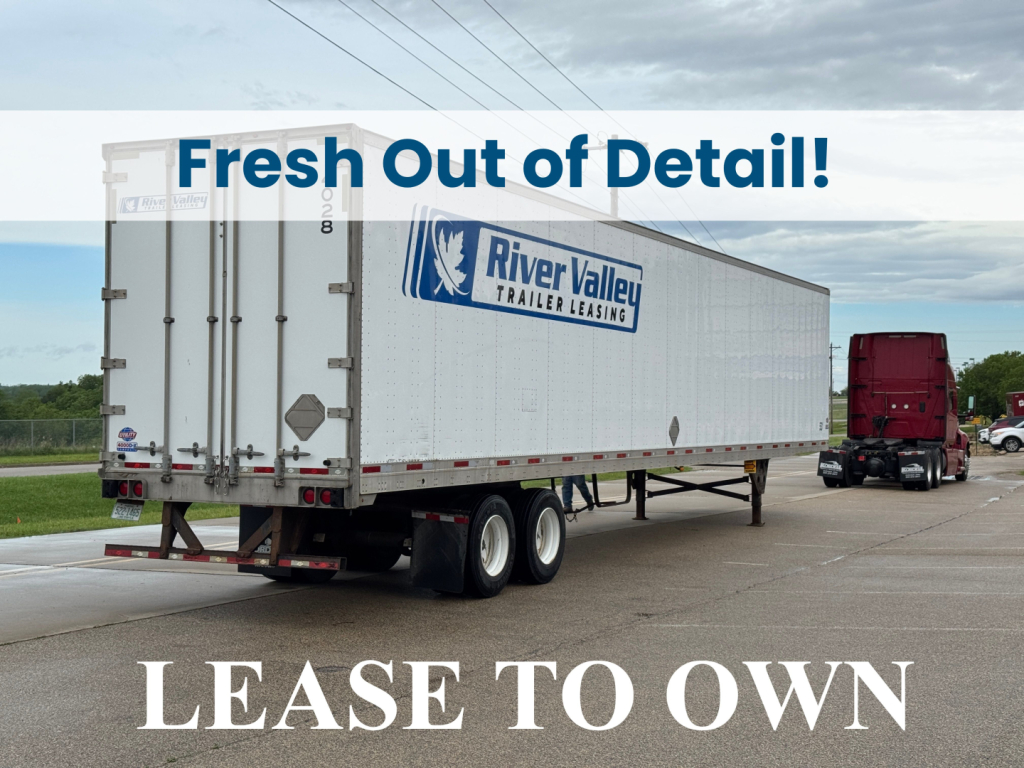
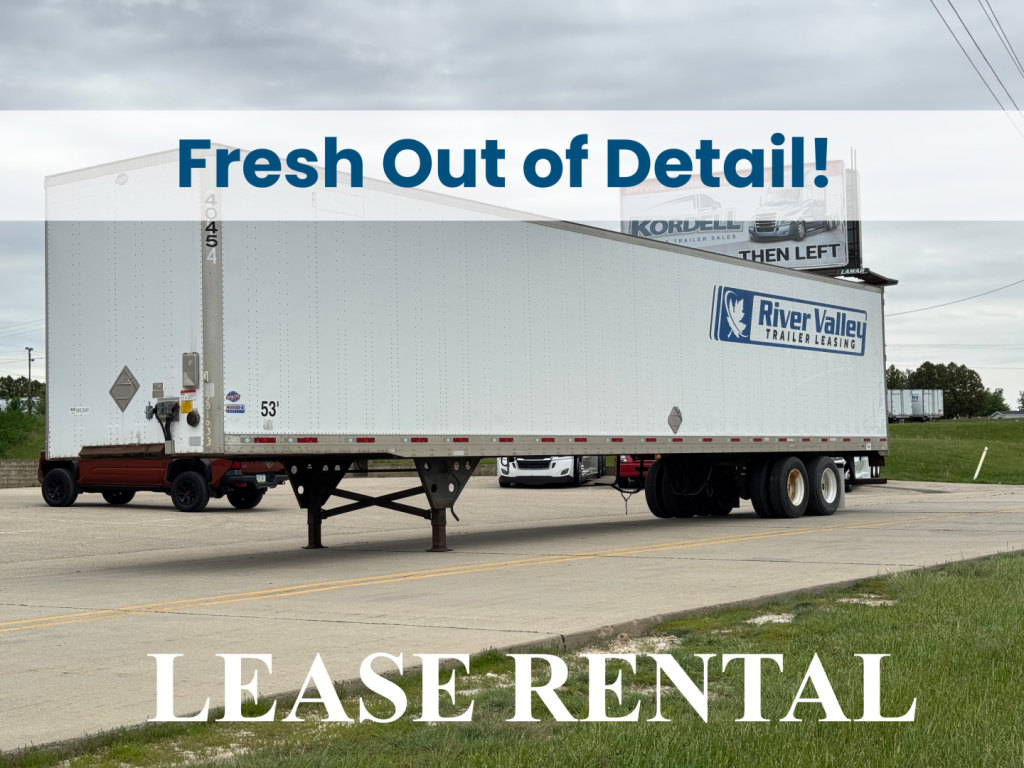
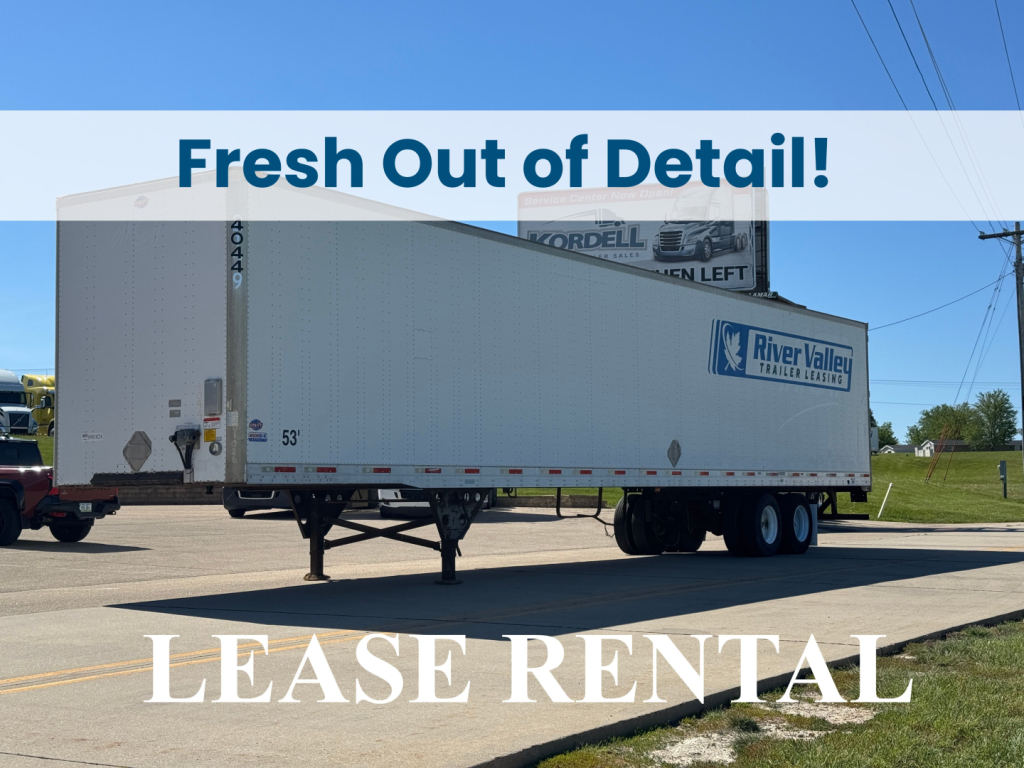
Showing 1 to 28 of 36 results
Selling a used 2014 utility trailer? List your used 2014 utility trailer for sale and reach thousands of commercial buyers.
Used 2014 Utility Trailers
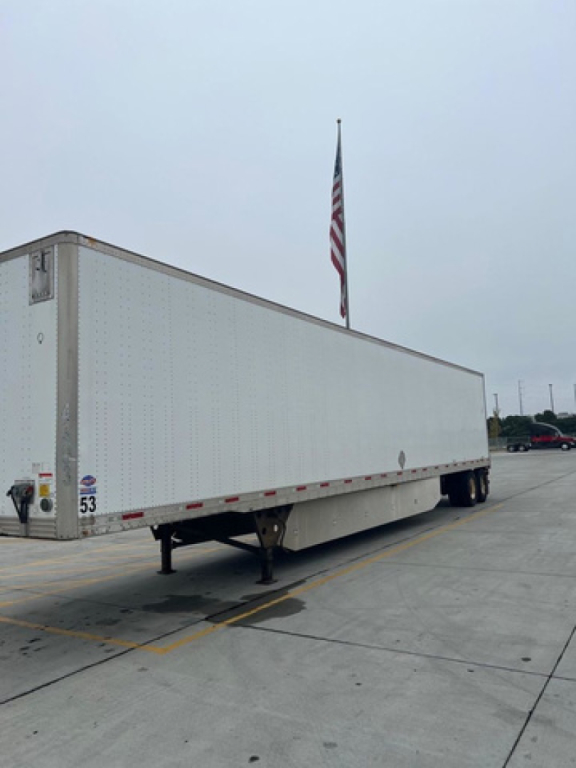
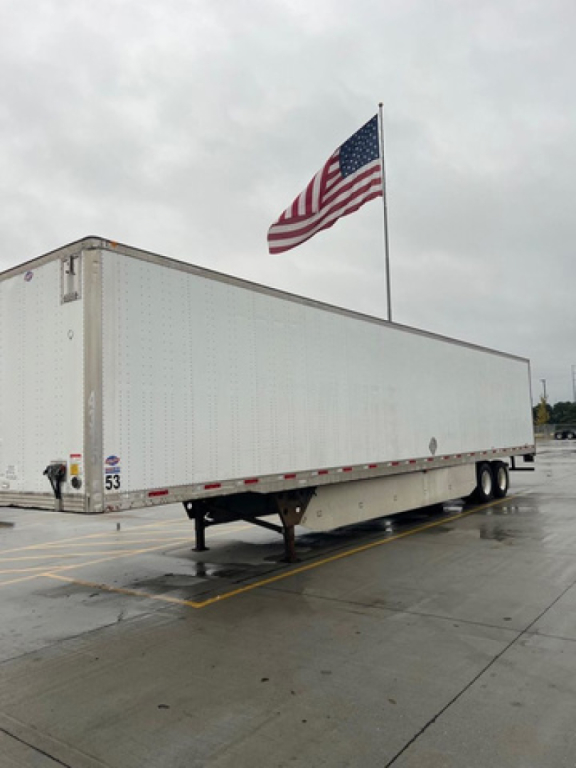
On a 2014 Utility dry van, buyers usually focus on floor condition, roof integrity, door frame wear, and the structure around the rear sill and crossmembers. Check kingpin wear, slider operation, landing gear condition, and signs of damage at the tandem rails. Many trailers from this era were spec'd with scuff liners, E-track, logistic posts on 24-inch spacing, and translucent or aluminum roofs. Those features matter if the trailer will handle mixed freight, palletized goods, or frequent dock work. Tire size, brake life, wheel type, and suspension condition should also be reviewed closely because those items affect near-term operating cost more than paint or cosmetic appearance.
For a 2014 Utility reefer, the refrigeration unit matters as much as the trailer body. Unit hours, service records, return air performance, fuel tank condition, evaporator cleanliness, and door seal condition all have to be checked. Buyers should inspect the interior liner for punctures, verify floor wear around heavy traffic areas, and look at the condition of the bulkhead, drains, and any tire inflation system. If the trailer will run food-grade freight, interior condition and temperature pull-down performance are critical. If it will run regional grocery or produce, closed tandem versus spread configuration, air slide pin release, and dock-friendly bumper setup can be just as important.
Utility trailers from the 2014 model year remain popular because parts support is broad, resale recognition is strong, and the brand is well known for straightforward fleet specs. The right used trailer depends less on badge and more on prior use, structural condition, and how the original spec fits the intended freight. A 53-foot van with posts and E-track suits general freight and retail. A reefer with a healthy unit and solid insulated body fits cold chain work. A flatbed or platform configuration needs close attention to deck condition, main beam integrity, and tie-down equipment. Buyers comparing multiple 2014 Utility trailers should prioritize frame and body condition first, then suspension, brakes, tires, and any refrigeration system components.
Frequently Asked Questions about Used 2014 Utility Trailers
What should I inspect first on a used 2014 Utility trailer?
Start with the structure. Check the frame rails, crossmembers, rear sill, roof, floor, sidewalls, and door frame for damage, corrosion, repairs, or fatigue. After that, inspect the tandem slider, kingpin area, landing gear, brakes, tires, hubs, and suspension. On a reefer, add a full review of the refrigeration unit, including hours, service records, and temperature performance. Structural issues usually cost more to correct than routine wear items.
Are 2014 Utility dry vans and reefers still good fleet additions?
Yes, many are still viable if they have been maintained properly and the trailer spec fits the operation. Utility trailers from this period are common in fleet service, which helps with parts availability and shop familiarity. A 2014 dry van can still perform well in general freight service, and a 2014 reefer can still be productive if the box is tight and the refrigeration unit has solid service history. Condition and prior application matter more than age alone.
What common specs do buyers see on 2014 Utility trailers?
Common Utility specs include 53-foot length, 102-inch width, air ride suspension, sliding tandems, 22.5-inch wheels and tires, wood or aluminum flooring depending on trailer type, and rear swing or roll-up doors on vans. Dry vans often include logistic posts, scuff liners, and E-track. Reefers may include duct floors, insulated liners, stainless rear frames, and Carrier or Thermo King units. Exact specifications vary by original fleet order.
How important are reefer unit hours on a 2014 Utility refrigerated trailer?
Reefer unit hours are a major buying factor because they help indicate engine and refrigeration system wear, but they should not be judged alone. A higher-hour unit with documented service can be a better buy than a lower-hour unit with poor maintenance history. Buyers should compare hours with maintenance records, run performance, defrost function, alarm history, and the overall condition of the insulated body. The trailer box and the refrigeration unit need to be evaluated together.
Is a 2014 Utility trailer better suited for regional or long-haul work?
It can suit either role if the trailer has the right specification and is in sound condition. Regional operations often place more stress on doors, floors, brakes, and dock-contact areas because of frequent stops and loading cycles. Long-haul work puts more emphasis on tire condition, alignment, suspension wear, and aerodynamic or fuel-saving specs. The intended lane should guide the choice between a basic fleet trailer and one with options like tire inflation systems, air pin sliders, side skirts, or heavy-duty interior cargo control features.