
Used 2014 Utility Trailers For Sale in Georgia
Shop used 2014 Utility trailers in Georgia. Compare dry van specs, composite sidewalls, suspension, door style, and overall condition.
Selling a used 2014 utility trailer? List your used 2014 utility trailer for sale and reach thousands of commercial buyers.
Used 2014 Utility Trailers in Georgia
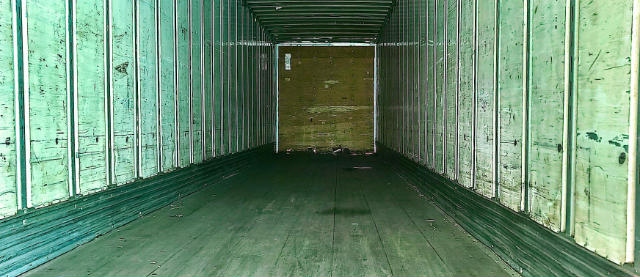
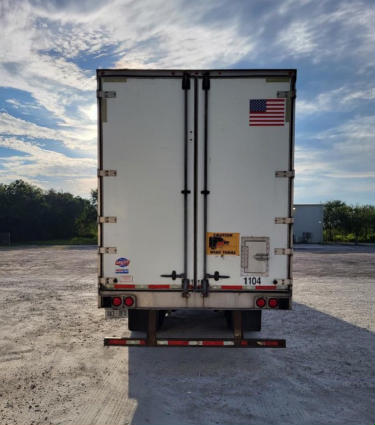
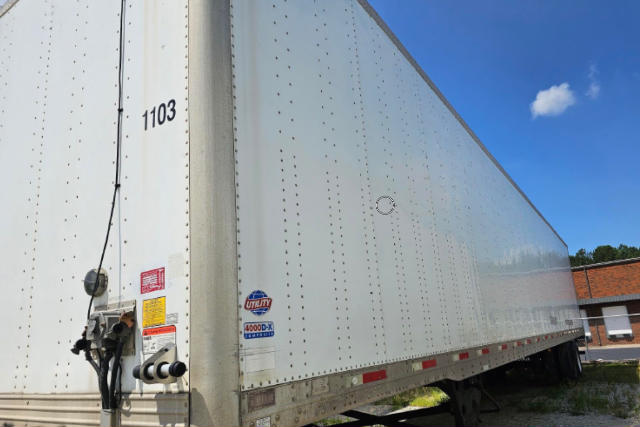
A 2014 Utility dry van will often be a 53-foot van trailer with swing doors, tandem axles, aluminum roof construction, and either composite or sheet-and-post sidewall design depending on the original spec. The 4000 D-X Composite is especially common and is valued for its lighter wall construction and cargo-friendly interior. Key checkpoints include floor rating and floor wear, crossmember condition, sidewall damage, roof repairs, rear frame integrity, and door operation. On the undercarriage, buyers should verify suspension type, axle alignment, brake life, tire matching, wheel-end condition, and signs of neglected PM. If the trailer ran dense freight, grocery, paper, beverage, or warehouse shuttle work, interior scuffing and floor fatigue can tell you a lot about how it was used.
Spec details can make a major difference in resale value and everyday utility. Interior logistics such as E-track, logistic posts, plywood lining, scuff liners, and additional securing points matter if the trailer will haul mixed freight or high-touch cargo. Door choice matters too. Swing doors are common and easy to service, while roll-up doors can be useful in route delivery applications but add weight and maintenance points. Suspension is another decision point. Air ride usually helps with ride quality for sensitive freight, while spring ride can be simpler and less expensive to maintain. Buyers in Georgia should also pay attention to corrosion around the rear sill, crossmembers, slider, and landing gear, especially on trailers that have spent time outside the Southeast or in higher-moisture environments.
The best used 2014 Utility trailer is usually the one with a clear maintenance history, a straight body, solid floors, and specs that match the freight it will carry. For general dry freight, a clean composite dry van with good brakes, matched tires, working lights, and a sound rear frame is often the practical sweet spot. If the trailer will be loaded by forklift every day, inspect floor wear closely and confirm the floor type and repair history. If it will run longer highway lanes, look harder at aerodynamic condition, suspension wear, ABS function, and door seal integrity. Utility trailers from this period remain popular because they are familiar to technicians, easy to place in standard dry van service, and typically straightforward to evaluate when you know where the wear points are.
Frequently Asked Questions about Used 2014 Utility Trailers in Georgia
What should I inspect first on a used 2014 Utility trailer?
Start with the floor, roof, sidewalls, rear frame, suspension, brakes, and tires. On a 2014 dry van, structural condition matters more than paint or decals. Look for forklift damage in the floor, patched roofs, bowing or impact damage in the sidewalls, cracked rear frame areas, uneven tire wear, and signs of poor axle alignment. A straight trailer with solid running gear is usually a better buy than a cleaner-looking trailer with hidden structural wear.
Is the Utility 4000 D-X Composite a good trailer for general freight?
Yes. The Utility 4000 D-X Composite is widely used in general dry freight service because it offers a good balance of weight savings, durability, and cargo flexibility. Composite wall construction can help reduce tare weight compared with some traditional designs, which may improve payload potential. It is still important to verify how the trailer was used, because repeated heavy forklift traffic, dense freight, and dock impacts can affect floors, sidewalls, and the rear structure regardless of model reputation.
What specs matter most when comparing used 2014 Utility dry vans in Georgia?
The most important specs are trailer length, sidewall construction, floor type and rating, suspension type, door style, axle setup, tire and brake condition, and cargo-control equipment such as E-track or logistic posts. In Georgia, many buyers also compare road-ready condition because regional freight and port-related work can put immediate demands on brakes, tires, lights, and ABS performance. Matching the spec to the freight is usually more important than finding the lowest initial price.
How many years of service can a 2014 Utility trailer still have left?
A well-maintained 2014 Utility trailer can still provide productive service for years, especially in regional haul, dedicated lanes, storage service, or lower-mileage fleet use. Remaining life depends on maintenance history, prior cargo type, environment, and structural condition. A trailer with solid crossmembers, good floors, sound doors, and healthy running gear may have substantial value left, while a neglected trailer can become expensive quickly through floor work, suspension repairs, brake jobs, and tire replacement.
Are composite sidewall Utility trailers better than sheet-and-post trailers?
Not universally. Composite sidewall trailers are often preferred for lower tare weight and a clean interior, while sheet-and-post trailers can appeal to buyers who want a more traditional structure for certain applications. The better choice depends on freight type, loading style, repair preferences, and total condition of the individual trailer. For used equipment, the actual state of the walls, floor, and rear frame is usually more important than the wall design alone.