
Utility Trailers For Sale in Iowa
Shop Utility trailers for sale in Iowa, including dry van and reefer models with air ride, swing or roll-up doors, and fleet-ready specs.
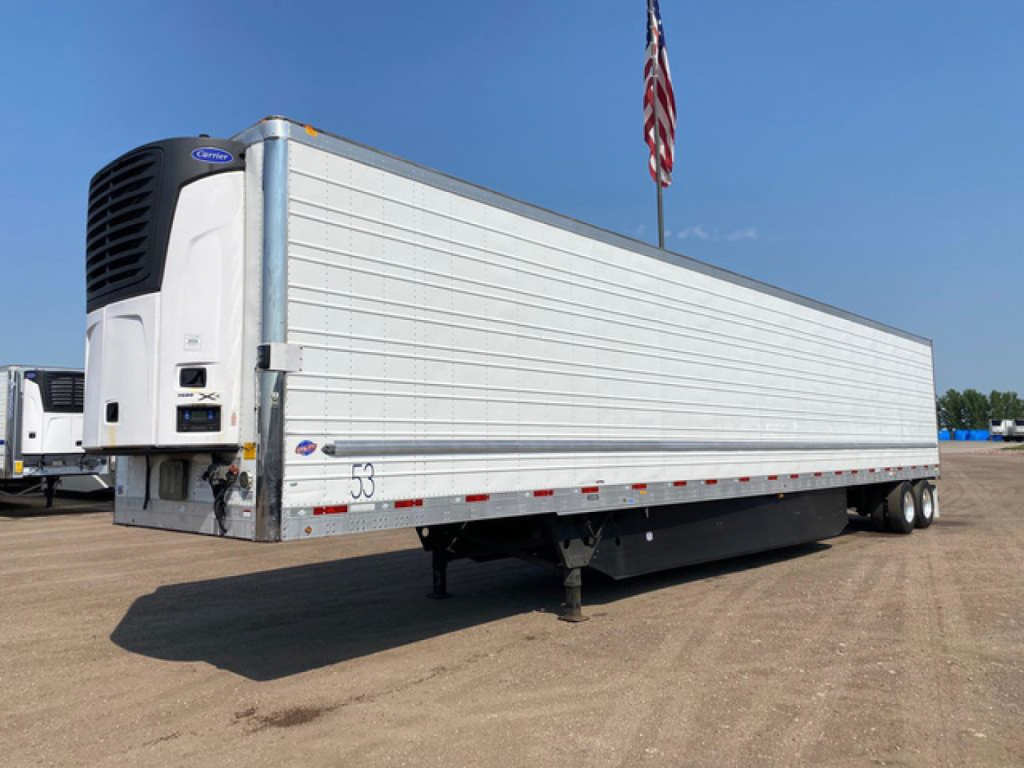
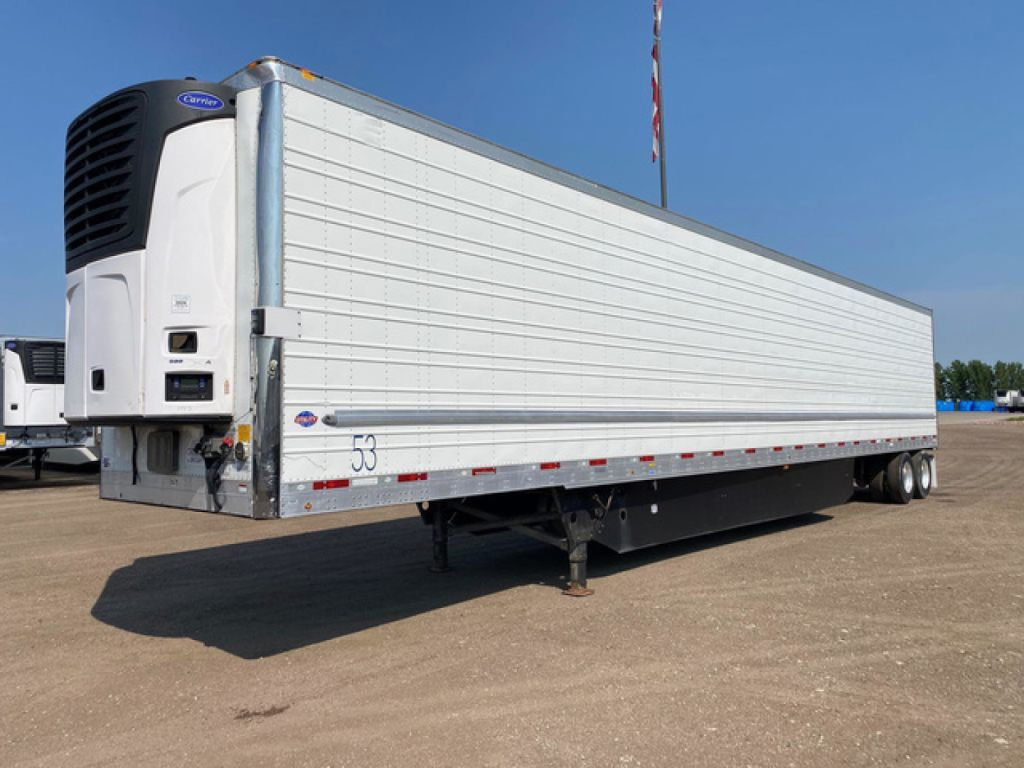
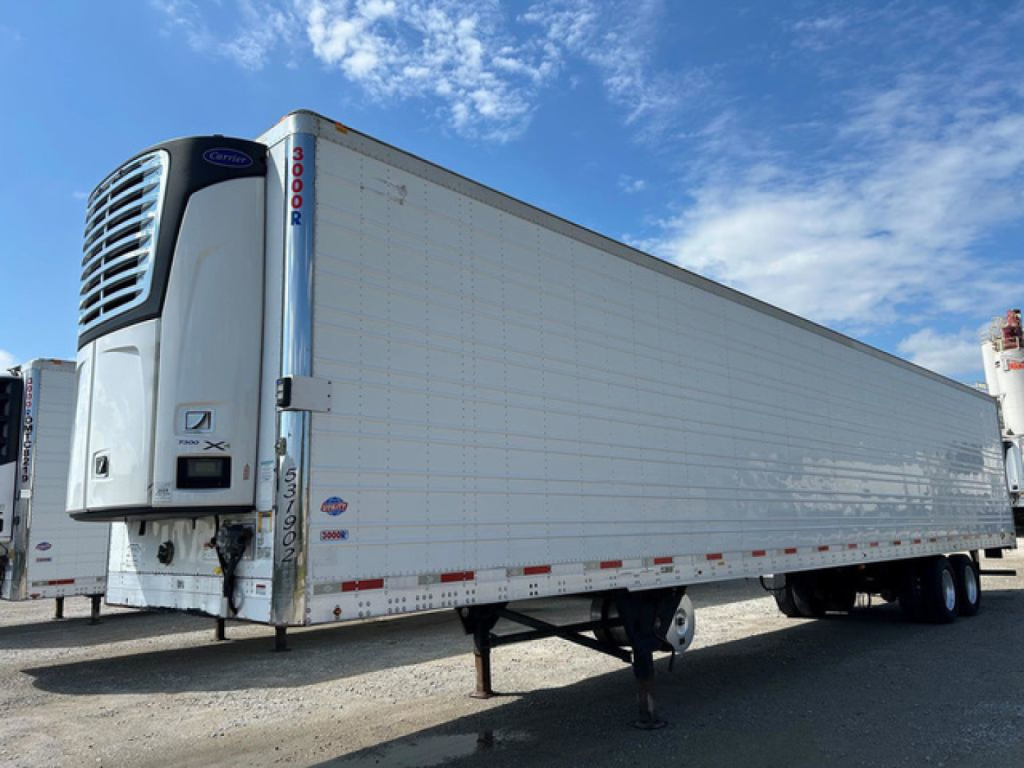
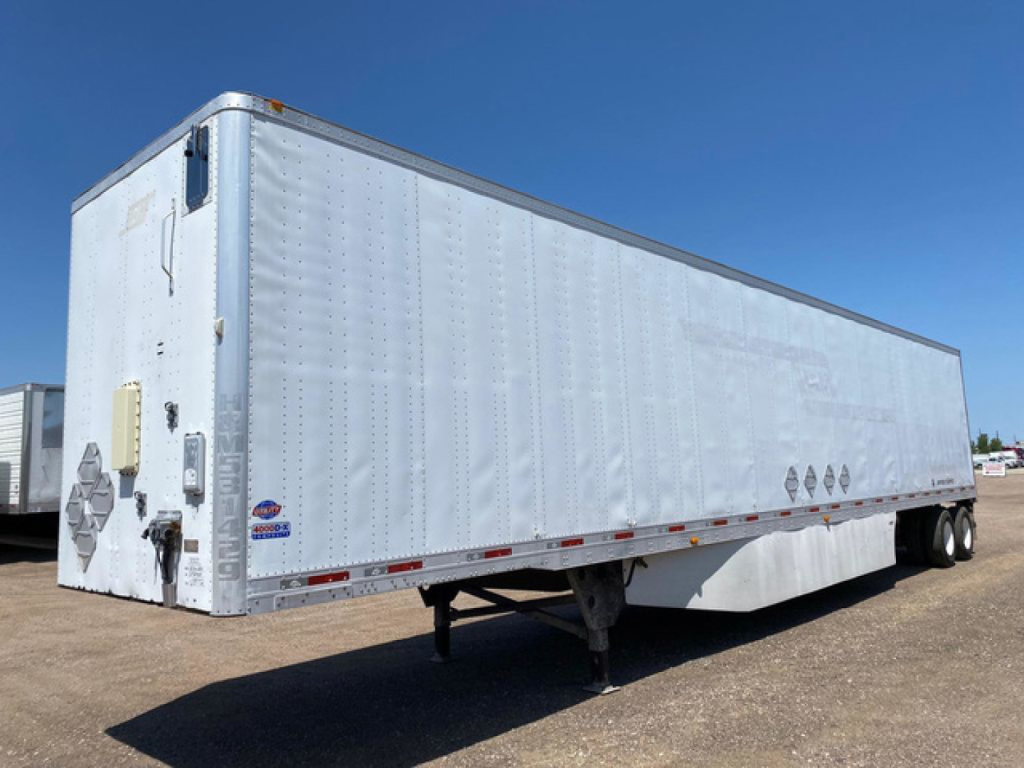
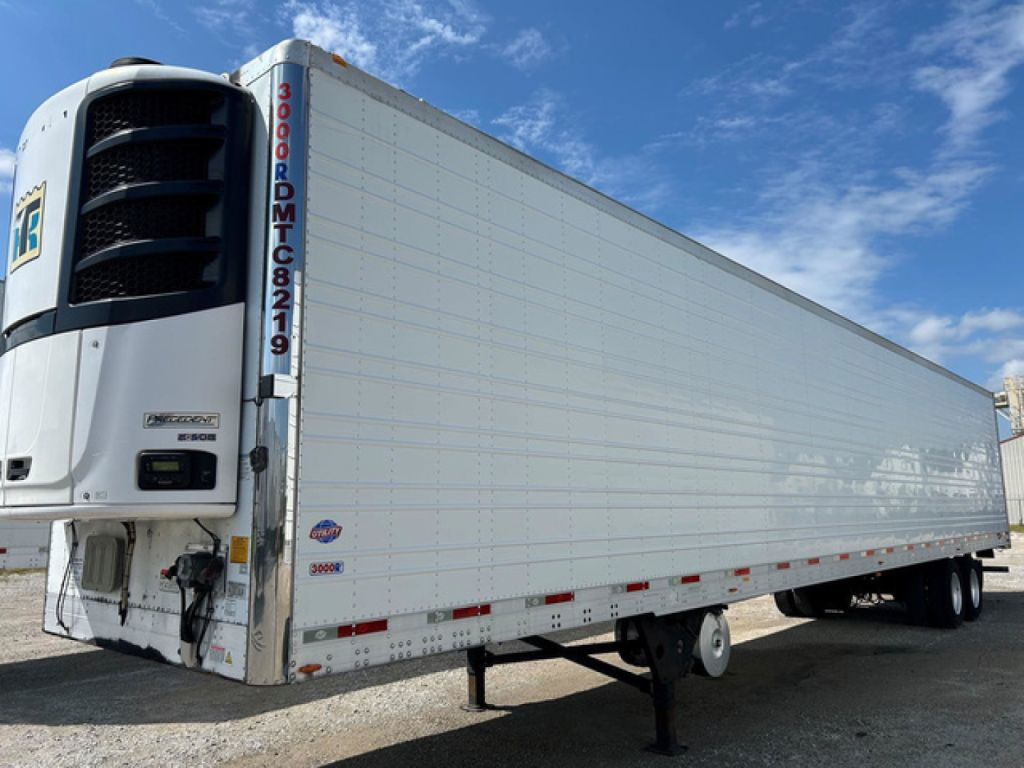
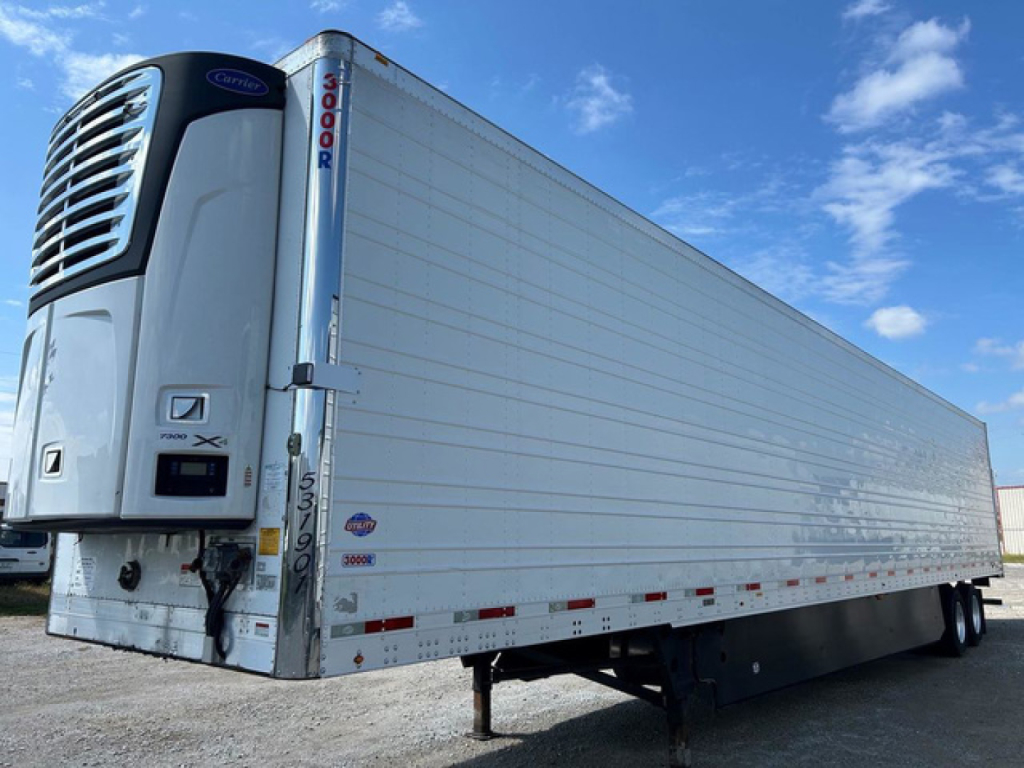
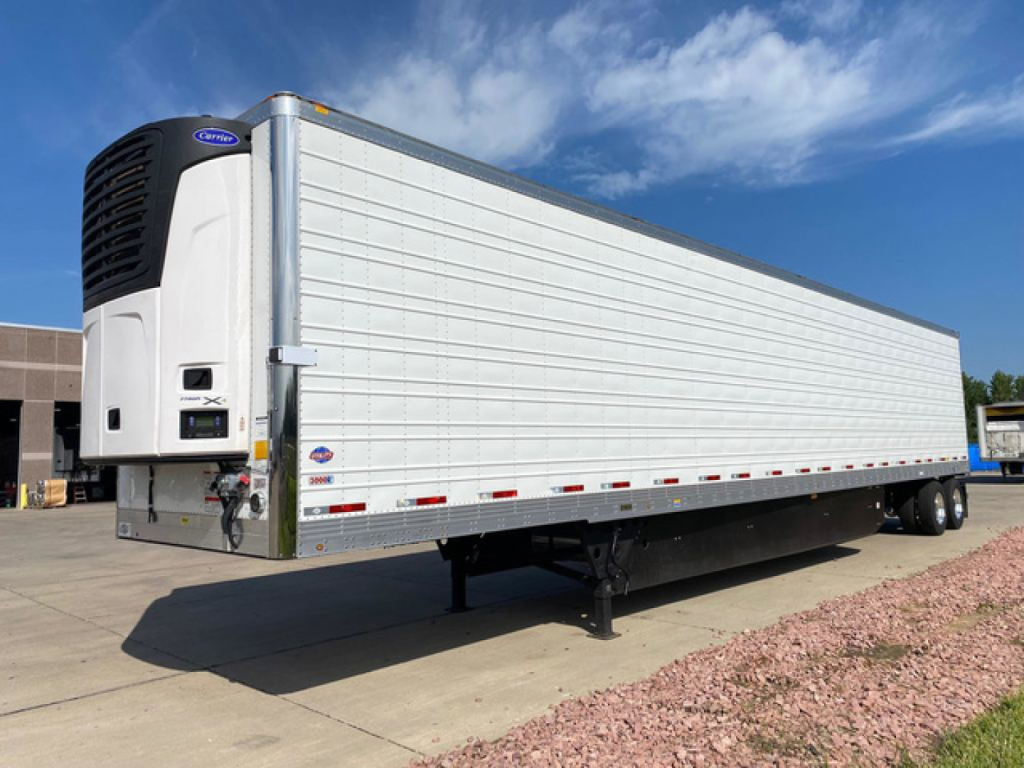
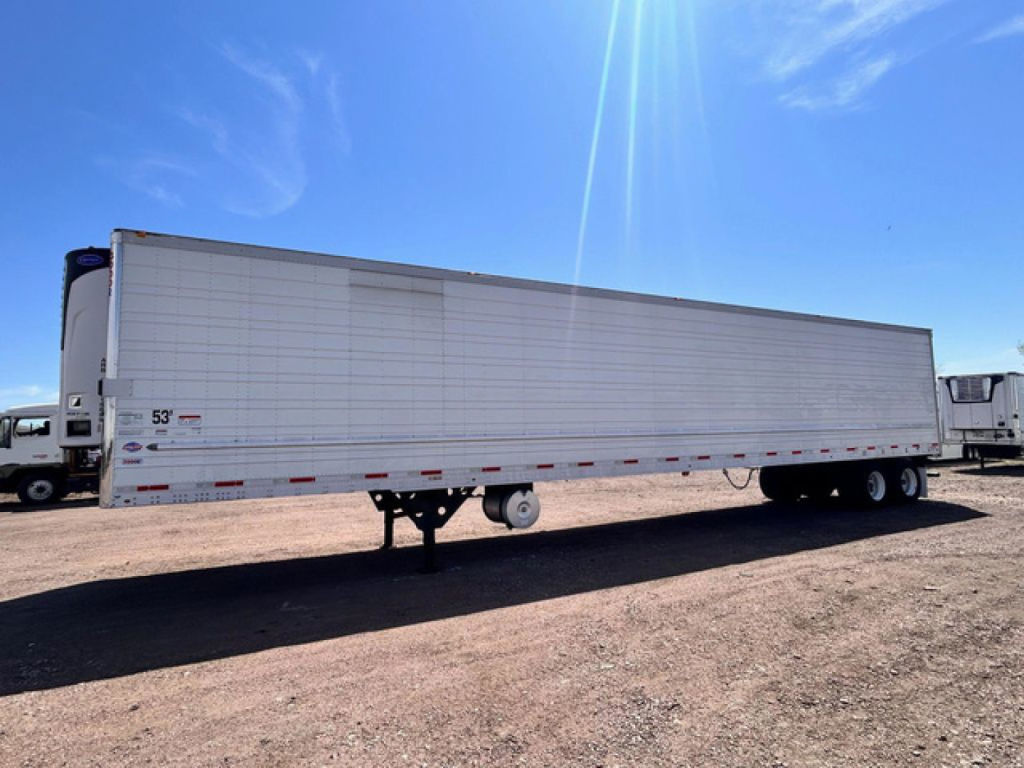
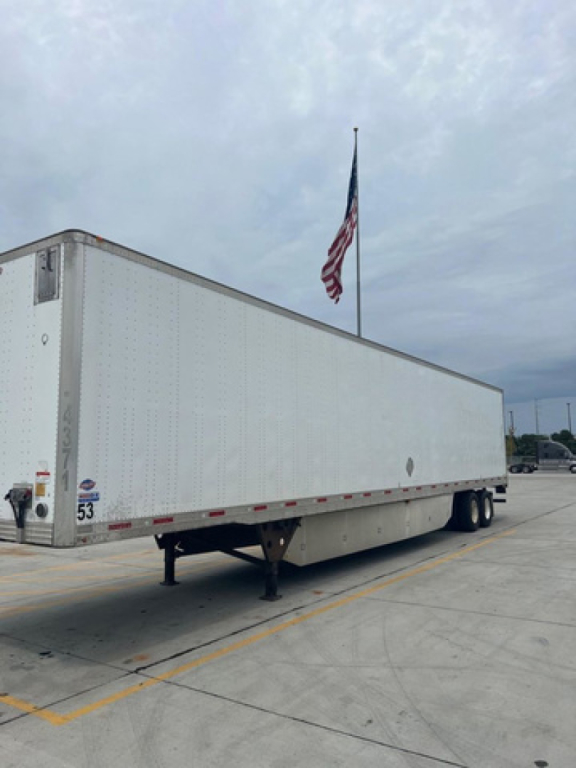
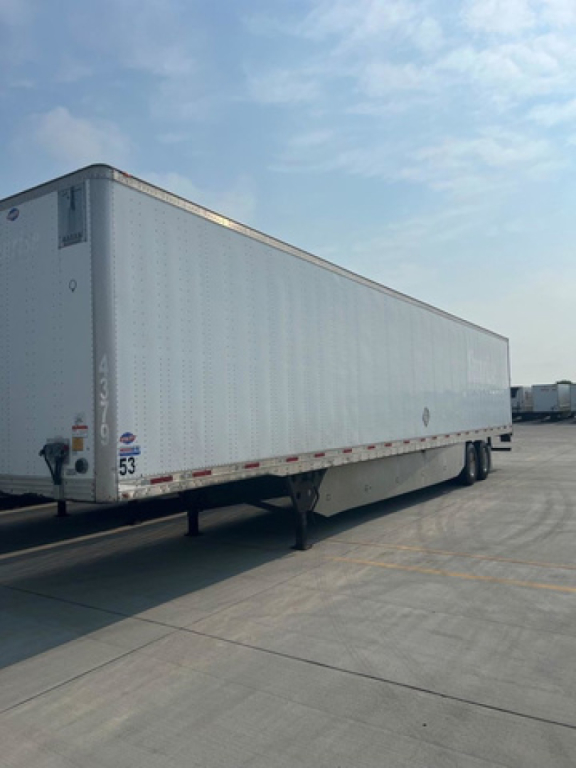
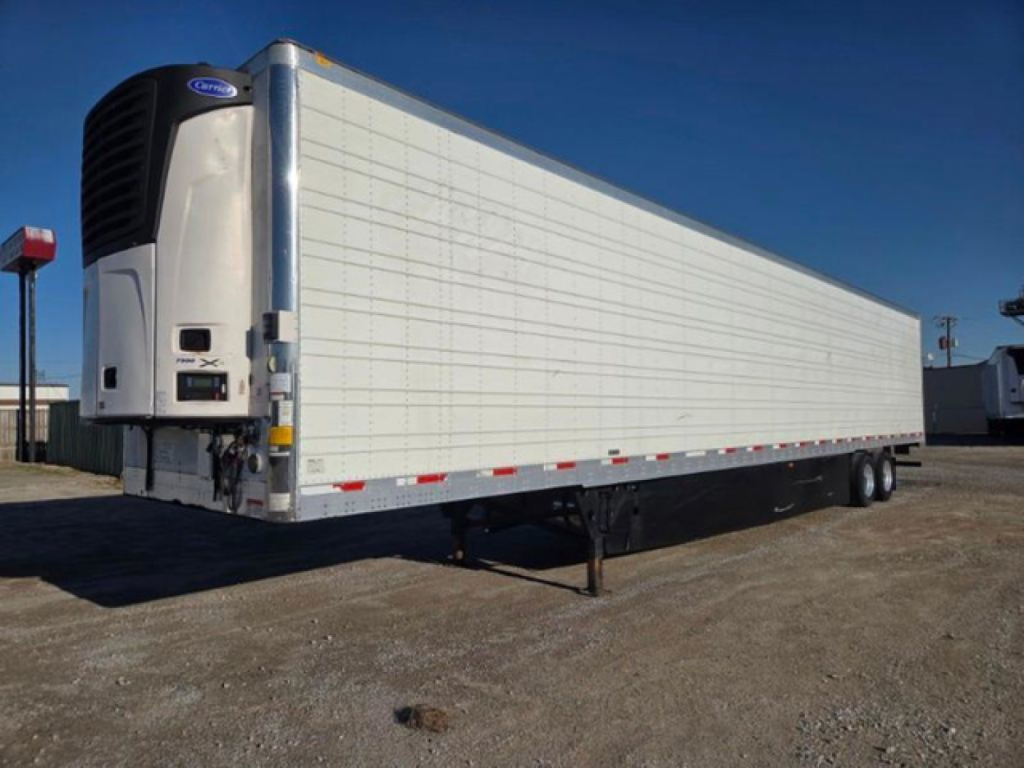
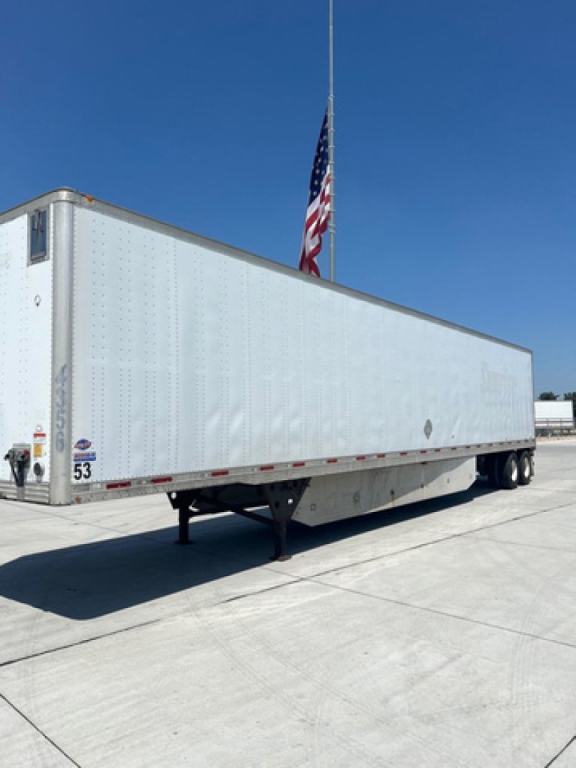
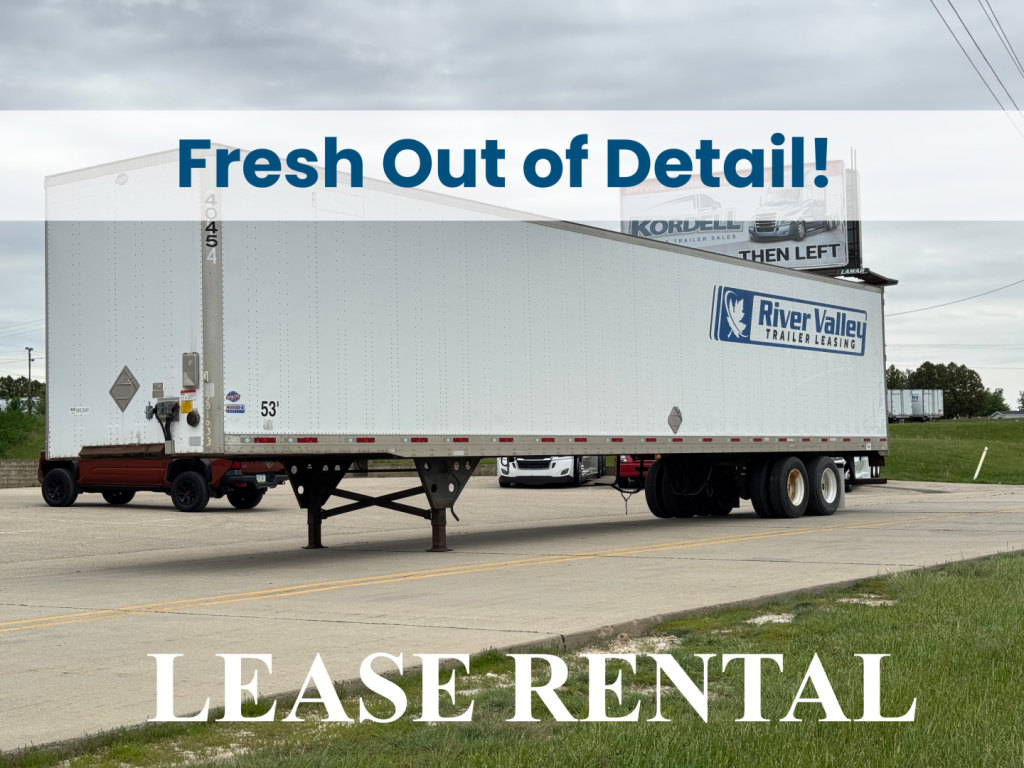
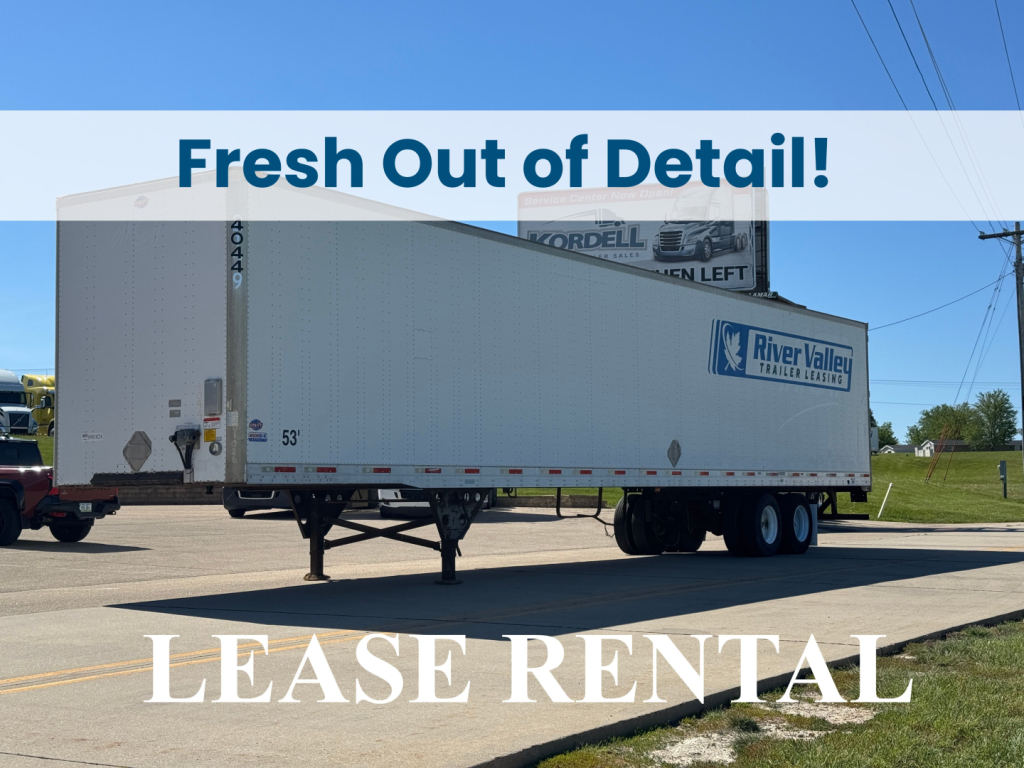
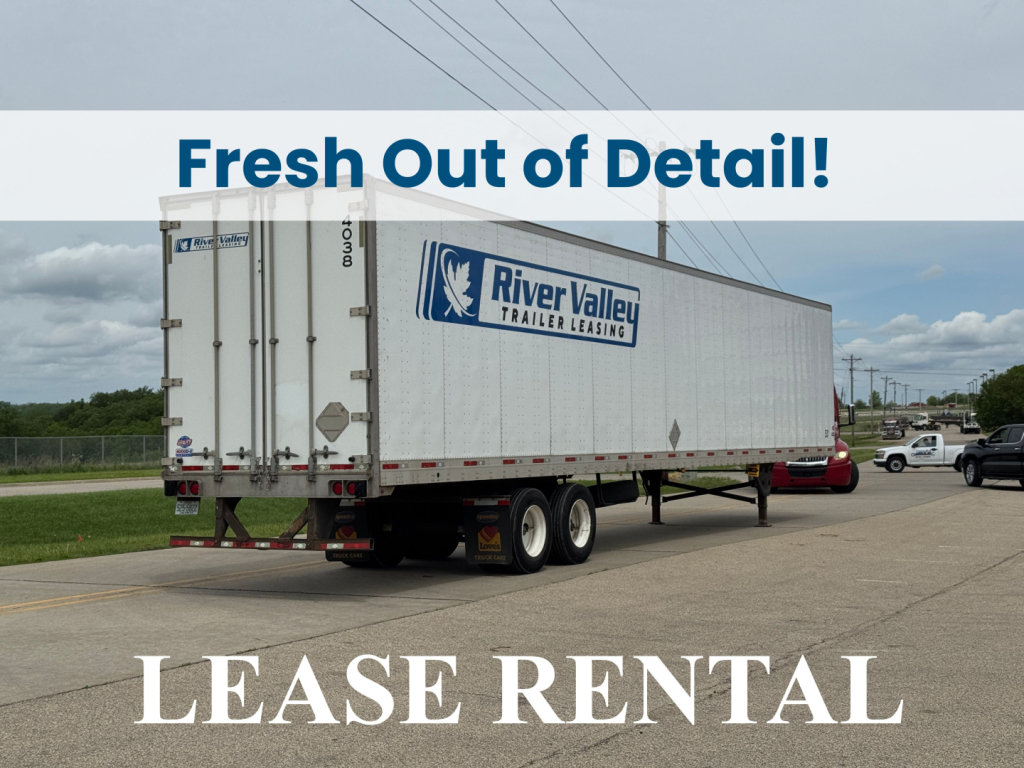
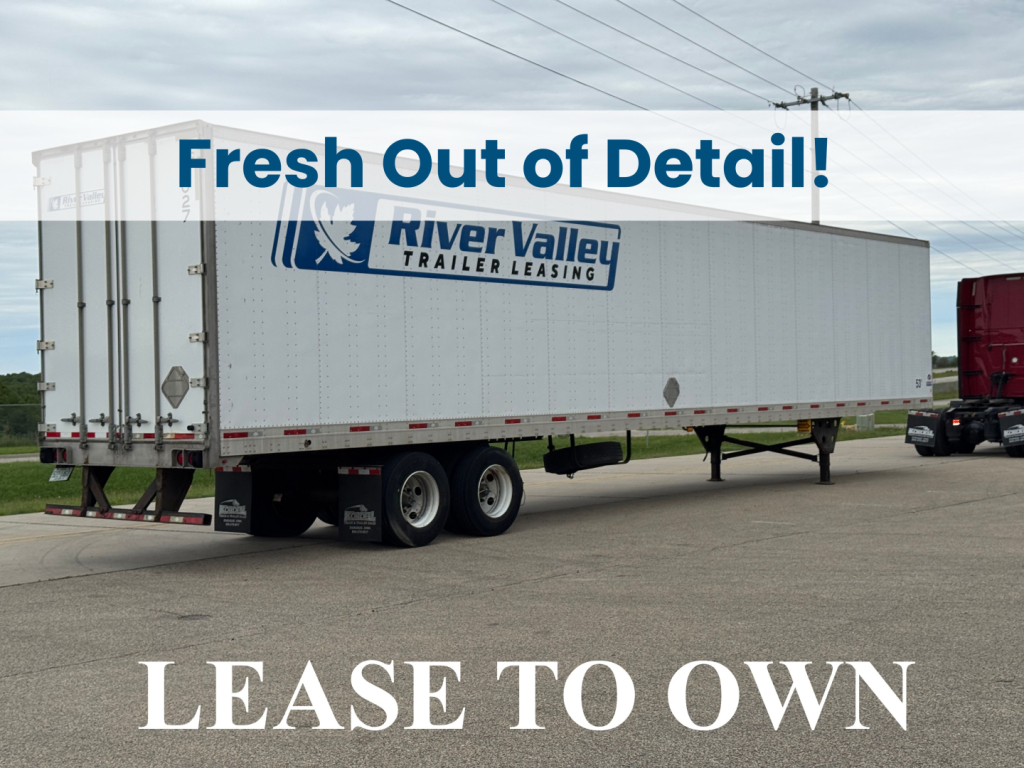
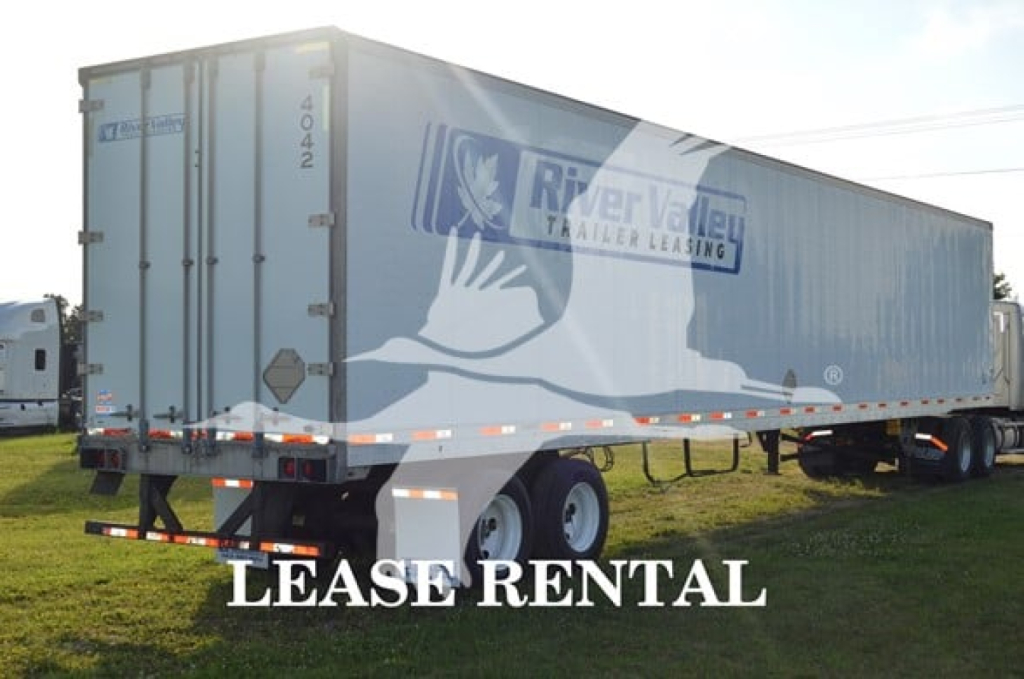
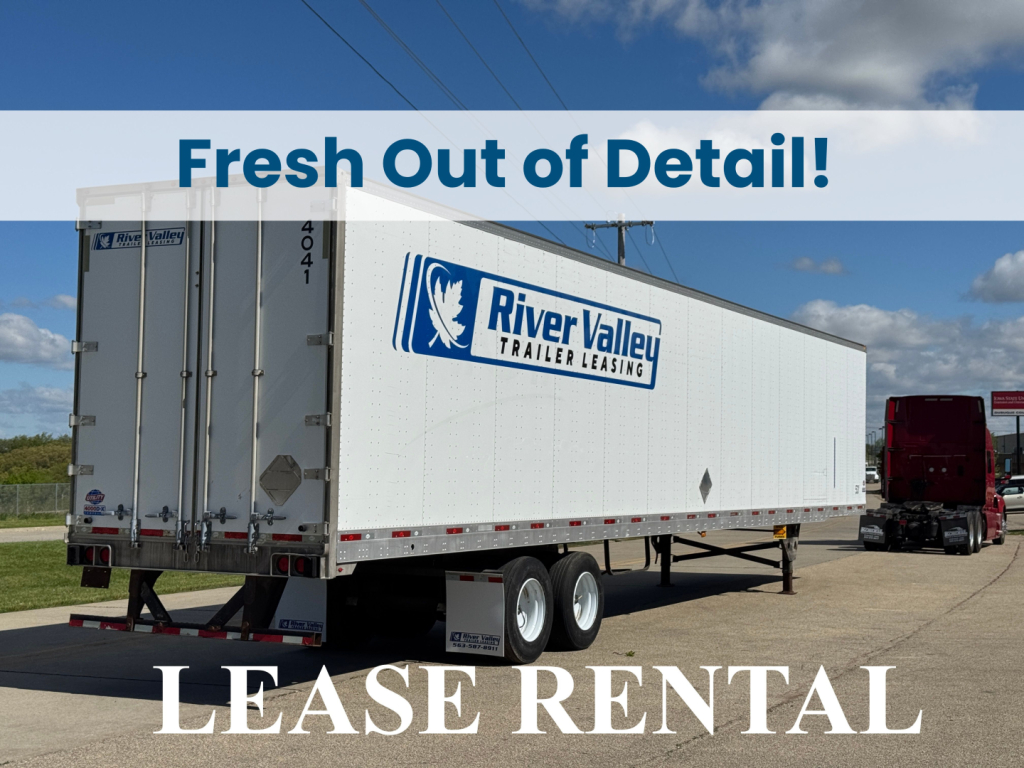
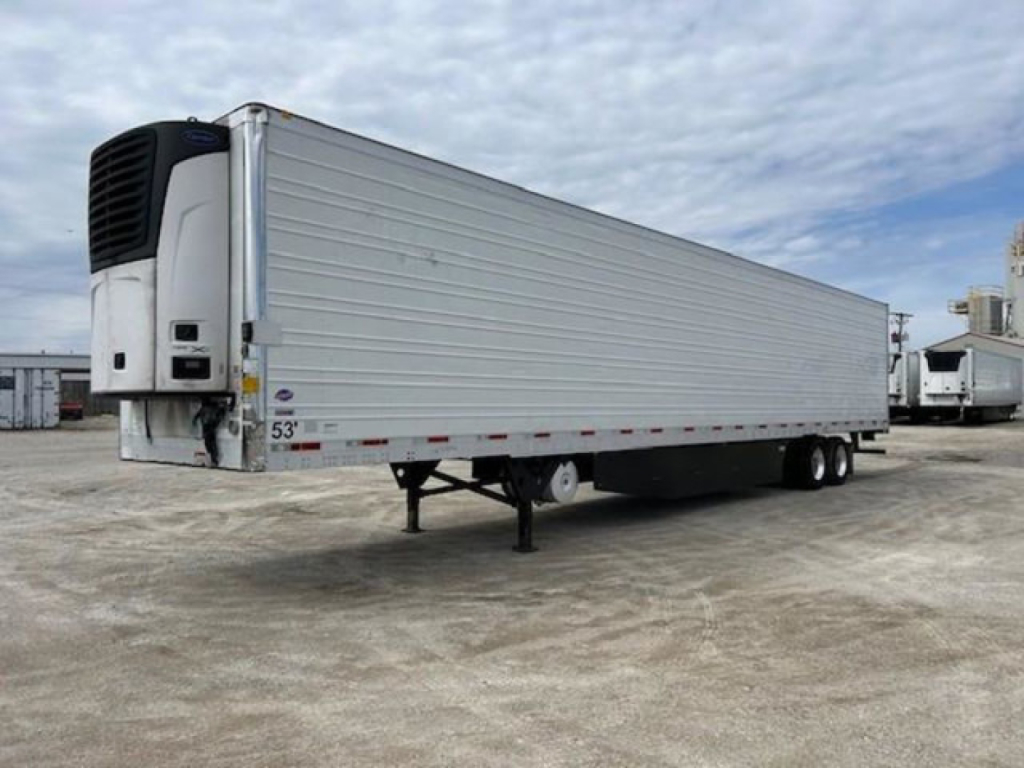
Showing 1 to 24 of 65 results
Have utility trailer to sell? List it here to reach thousands of buyers.
Utility Trailers in Iowa
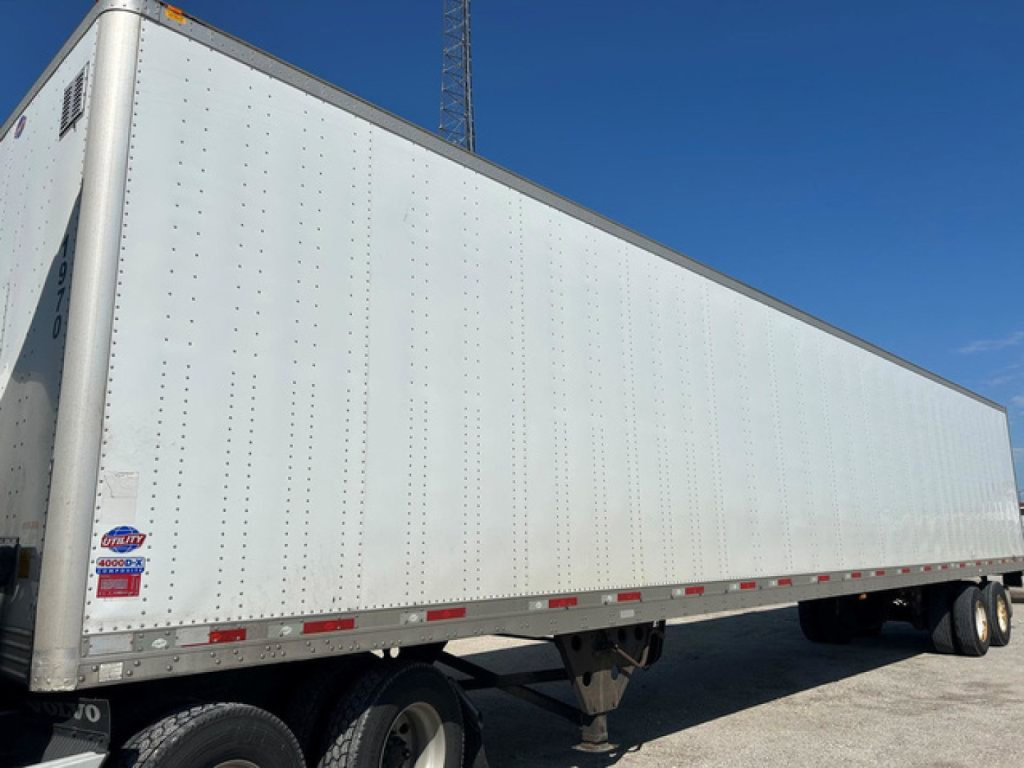
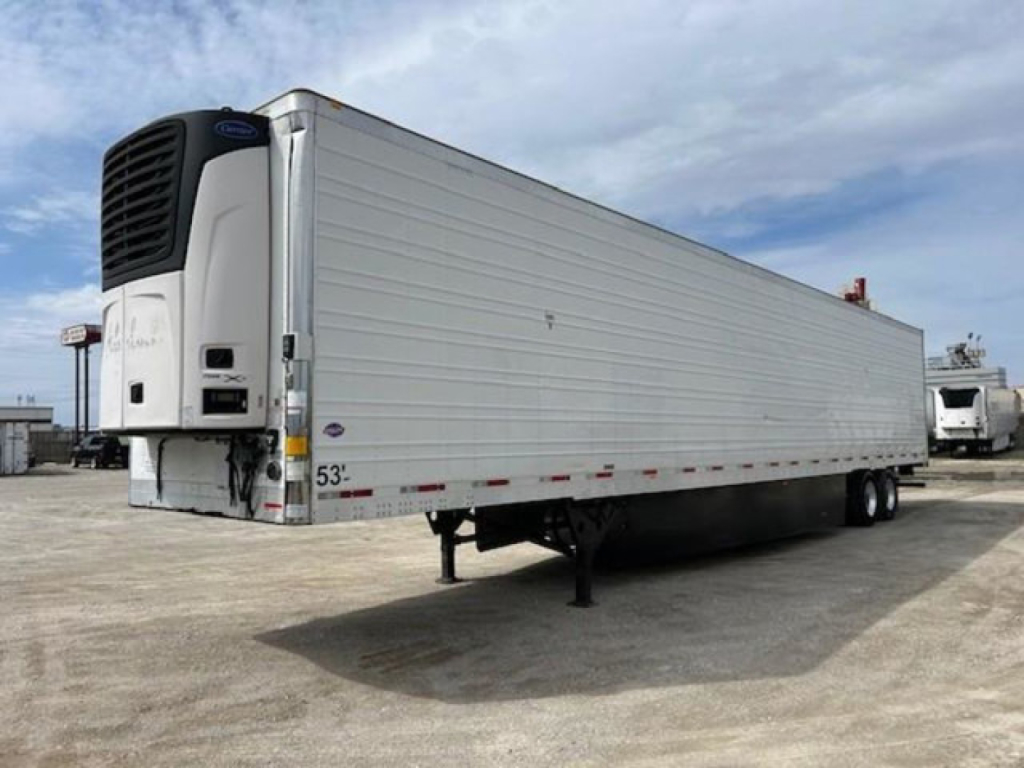
The first decision is usually dry van versus reefer. A Utility dry van, such as the 4000D-X, is typically chosen for general freight, palletized consumer goods, and dock-to-dock operations. Common specs include 53x102 dimensions, air ride suspension, aluminum roof construction, wood floors, composite swing doors, high base rails, and systems like PSI tire inflation. A Utility reefer is built for temperature-controlled freight and often carries Carrier units such as the X4 7300 or 7500. Buyers should look closely at unit hours, liner type, door style, floor condition, and suspension history because those items directly affect service life and operating cost.
On refrigerated Utility trailers, interior spec matters as much as the refrigeration unit itself. Liners such as Armor or Versitex help protect the walls in foodservice and grocery work, while flat aluminum floors or specialized door layouts can make a trailer better suited for liquid tender, beverage, or route delivery applications. Swing doors are common on over-the-road reefer service, but roll-up doors and side access doors can be valuable in local delivery. Tire condition, brake wear, plated status, and axle setup should be evaluated with the same attention as reefer hours, especially on older trailers where deferred maintenance can erase the value of a lower purchase price.
Utility trailers are also known for fleet-friendly standardization. That matters if you want equipment that technicians already understand and drivers can swap into service easily. In Iowa, where operations can range from long interstate runs to short agricultural and food distribution routes, a Utility trailer often makes sense for buyers who need a mainstream van or reefer with familiar components, serviceable suspension, and resale appeal. The best buy usually comes down to matching trailer configuration to freight: a dry van for general cargo, a reefer for cold chain work, or a specialized body for niche delivery patterns.
Frequently Asked Questions about Utility Trailers in Iowa
What are the most common Utility trailer types for sale?
The most common Utility trailer types on the used market are dry van trailers and refrigerated trailers. Dry vans are typically used for general freight, packaged goods, and standard dock operations, while Utility reefers are used for produce, frozen food, dairy, and other temperature-sensitive loads. Some reefer bodies also appear in specialized configurations with side doors, roll-up doors, or flat aluminum floors for route delivery or liquid tender applications.
What should I inspect first on a used Utility reefer trailer?
Start with the refrigeration unit model and hours, then inspect the floor, liner, doors, suspension, and tires. Unit hours give a quick read on engine and refrigeration system use, but they do not replace a full service review. Check for floor damage, wall liner repairs, air leaks around doors, and signs of moisture intrusion. Brake condition, tire tread depth, and suspension wear are also critical because reefer repair costs add up quickly when basic trailer components have been neglected.
Are Utility dry van trailers a good fit for fleet operations?
Yes. Utility dry vans are widely used in fleet service because they tend to follow common industry specs and are easy to place into standard freight operations. Features like air ride suspension, composite swing doors, aluminum roofs, wood floors, and tire inflation systems are familiar to maintenance departments and drivers. That standardization helps with uptime, driver acceptance, and resale when the trailer is eventually cycled out.
What dimensions and specs are typical on a Utility van trailer?
A typical Utility van trailer is a 53-foot by 102-inch configuration built for standard North American freight service. Common specs include tandem axles, air ride suspension, swing doors, plated trailer registration, aluminum roof construction, and a wood floor designed for forklift traffic. Some units also include PSI tire inflation systems, high base rails, and other fleet-preferred options that improve durability and reduce roadside issues.
Does door style matter when choosing a Utility trailer?
Yes. Door style has a direct effect on loading speed, dock compatibility, and the trailer's best application. Swing doors are common for highway reefer and dry van work because they seal well and are simple to maintain. Roll-up doors can be more convenient for frequent stop-and-go delivery, especially in tight urban settings, and side access doors may be useful in niche route or service applications. The right choice depends on how often the trailer will be opened, what type of dock access is available, and how the freight is handled.