
2024 Utility Trailers For Sale in North Carolina
Shop 2024 Utility trailers for sale in North Carolina. Compare Utility reefer trailer specs, refrigeration units, suspension, floors, and options.
Learn more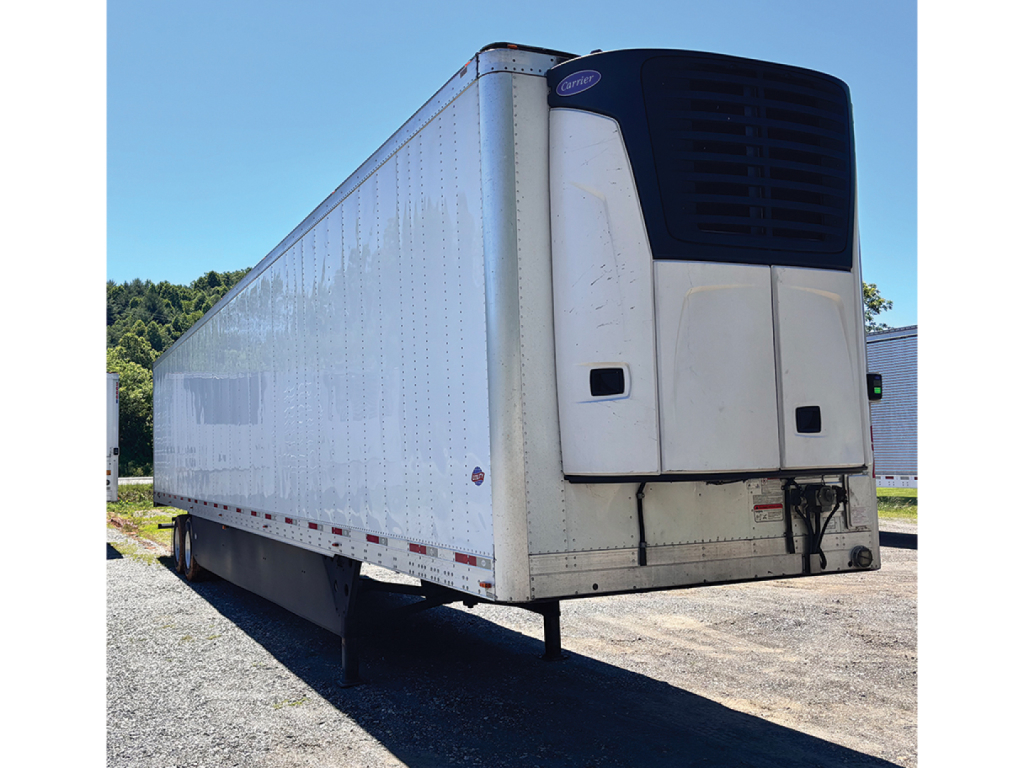
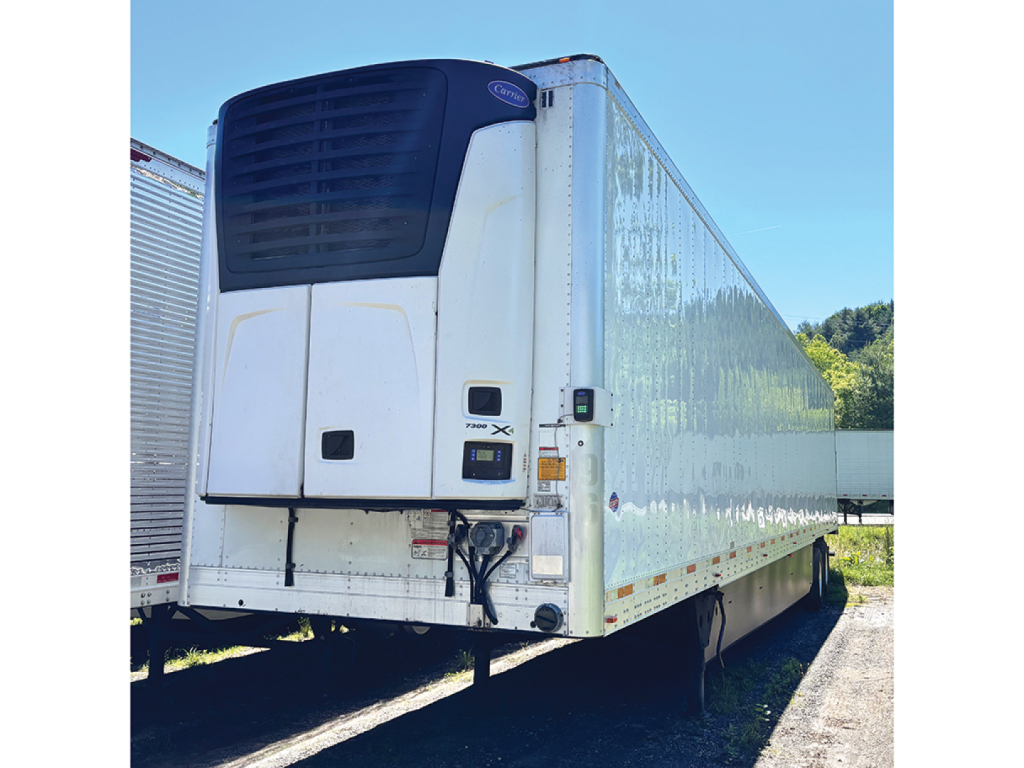
Have 2024 utility trailer to sell? List it here to reach thousands of buyers.
About 2024 Utility Trailers in North Carolina
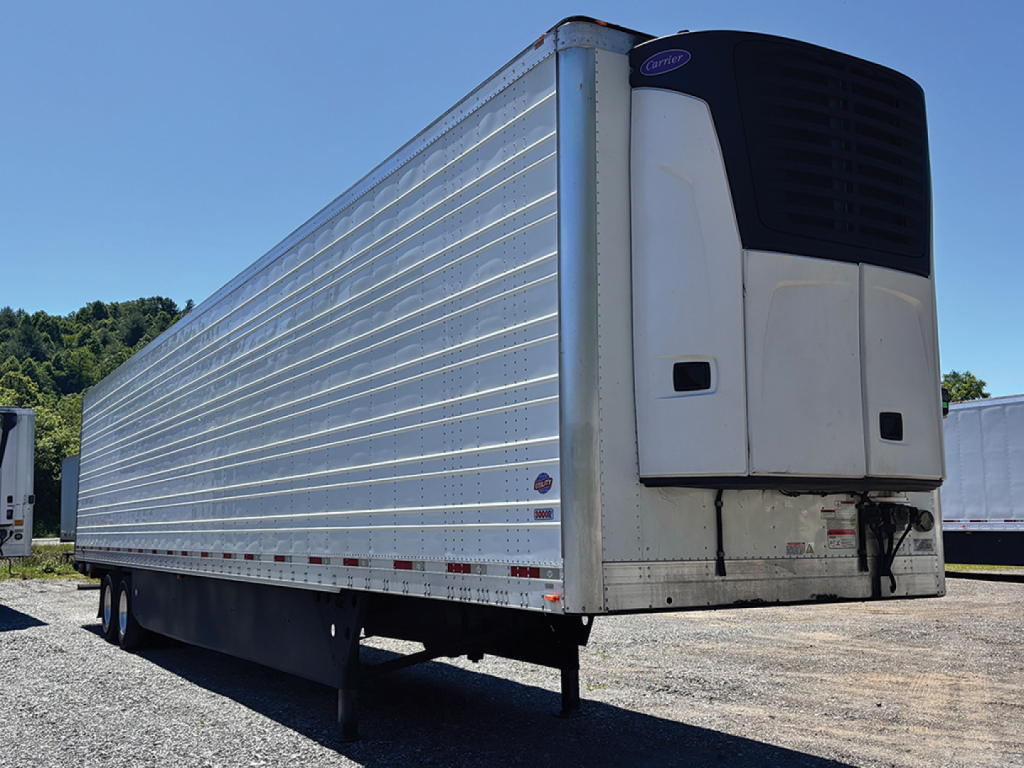
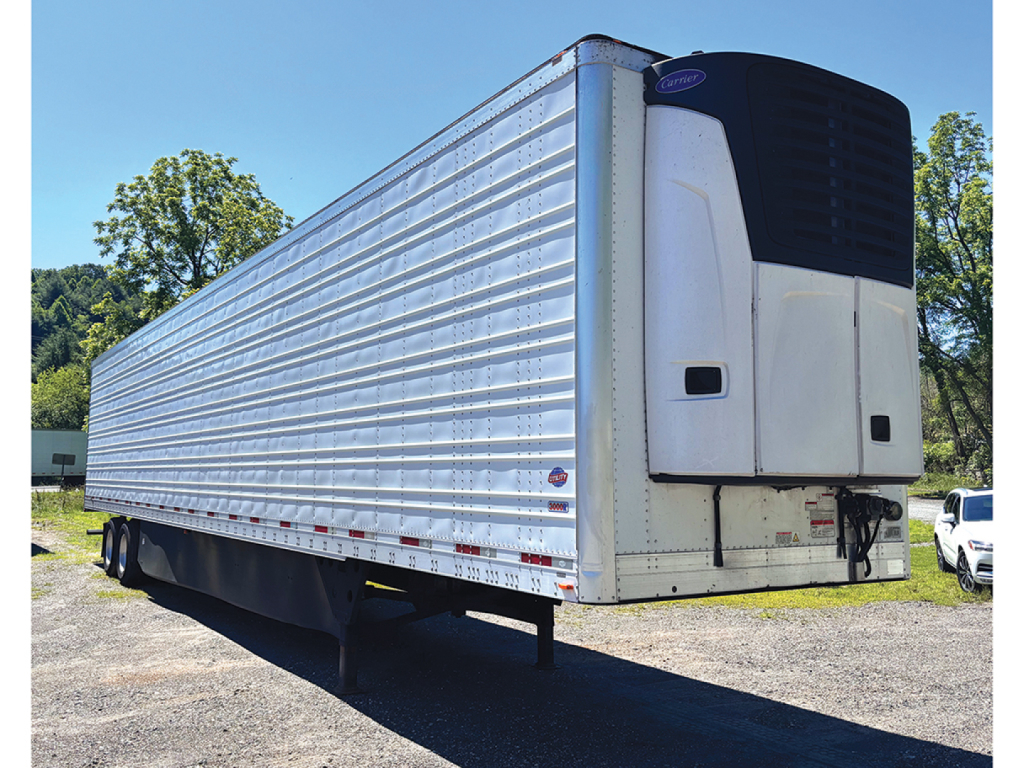
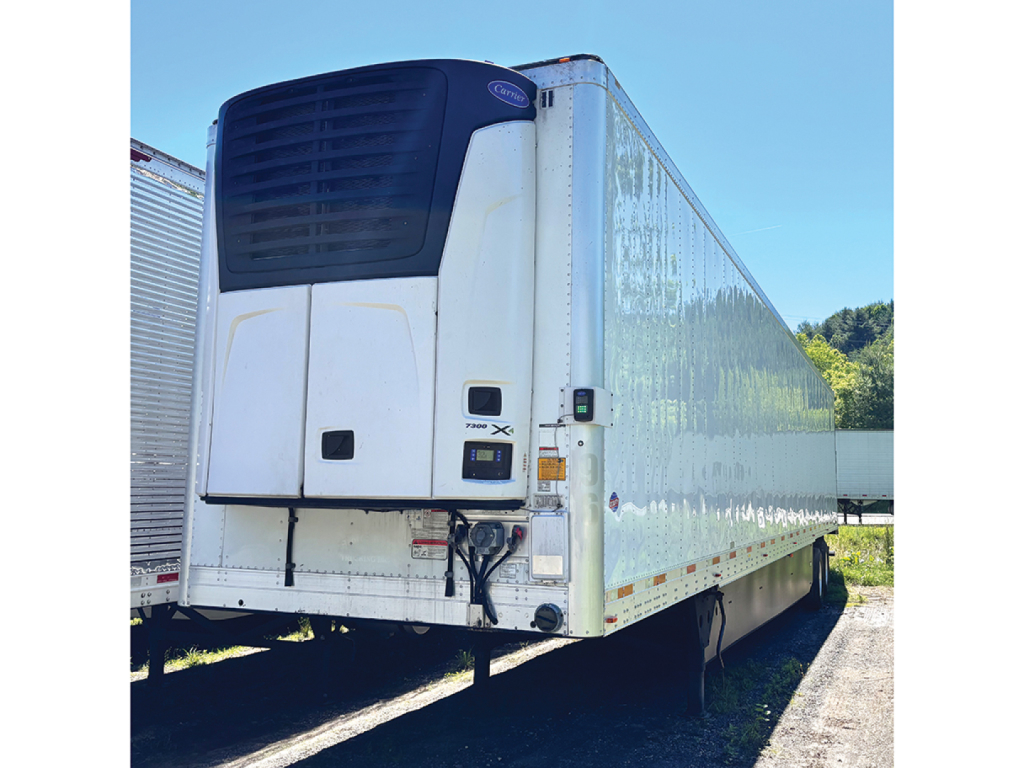
For reefer buyers, the important decisions usually start with the refrigeration package and the trailer interior. Utility reefer trailers are commonly spec'd with Carrier or Thermo King units, and the right choice depends on lane length, service support, and how tightly your operation manages fuel and temperature setpoints. Interior features such as heavy-duty aluminum duct floors, scuff plates, cold chutes, and E-track matter because they directly affect airflow, cargo securement, and long-term wall protection. Stainless steel front radius panels, door frames, rear frames, and quilted swing doors are also common on Utility reefers because they hold up well in dock-heavy service and frequent washout cycles.
Suspension and running gear deserve close attention on any 2024 Utility trailer for sale. Air ride suspension is the standard preference for sensitive refrigerated freight, and sliding tandems help with bridge law compliance and dock positioning. Buyers should also compare tire size, wheel material, disc versus drum brake configuration, and the presence of tire inflation systems, especially in high-mileage regional or over-the-road use. Side skirts can improve fuel economy, while options like undertray systems and rear vents may matter depending on the freight mix and routing. In North Carolina, reefer fleets often balance interstate haul work with short regional turns, so uptime, local refrigeration service coverage, and parts support can be just as important as base trailer spec.
A 2024 Utility reefer trailer is best evaluated by matching the build to the freight. High-cube foodservice work may call for maximum interior height and durable wall protection. Grocery distribution may put more value on multi-temp capability, airflow management, and door durability. Long-haul refrigerated carriers often focus on fuel efficiency, lightweight spec choices, and refrigeration unit performance over extended duty cycles. Utility trailers remain a practical fit for buyers who want a well-known refrigerated trailer platform with straightforward specs, common replacement parts, and broad acceptance across the used trailer market.
Frequently Asked Questions
What are the common specs on a 2024 Utility reefer trailer?
A common 2024 Utility reefer trailer configuration is 53 feet long, 102 inches wide, and 13 feet 6 inches tall with an aluminum trailer body. Many are equipped with air ride suspension, sliding tandems, 22.5 low-profile tires, aluminum wheels, and insulated swing doors. Interior equipment often includes an aluminum duct floor, scuff liners or scuff plates, and a cold chute to support proper airflow for refrigerated freight.
What should I look for when comparing refrigeration units on Utility trailers?
The main comparison points are unit brand, cooling capacity, operating hours, service history, and dealer support in the lanes you run. Carrier and Thermo King units are both common on Utility reefers, but the best choice depends on freight type, temperature tolerance, and access to service. Buyers should also confirm whether the unit is sized correctly for frozen, chilled, or multi-stop delivery work and check how the unit integrates with the trailer's insulation and airflow design.
Why do features like duct floors, cold chutes, and scuff liners matter on a reefer trailer?
These features directly affect cargo protection and temperature performance. A duct floor helps move cold air under the freight, while a cold chute helps return air circulate properly at the ceiling. Scuff liners and scuff plates protect interior walls from pallet and forklift damage, which matters because damaged interiors can reduce insulation performance and increase maintenance costs over time.
Is air ride suspension important on a Utility refrigerated trailer?
Air ride suspension is widely preferred on refrigerated trailers because it provides a smoother ride for sensitive food and beverage loads. It can help reduce cargo movement, limit packaging damage, and improve overall trailer stability. For operations hauling produce, dairy, frozen goods, or other temperature-sensitive freight, air ride is typically considered a strong baseline spec rather than an optional upgrade.
Are Utility reefer trailers a good fit for regional freight in North Carolina?
Utility reefer trailers are well suited for regional refrigerated work in North Carolina because they are commonly spec'd for both interstate lanes and frequent dock delivery cycles. Features like sliding tandems, durable stainless steel rear components, and tire inflation systems can be especially useful in regional service where trailers see repeated loading, unloading, and tight scheduling. Buyers should still match the trailer's refrigeration unit, floor design, and interior protection package to the exact freight they plan to haul.