
2024 Utility Reefer Trailers For Sale in North Carolina
Shop 2024 Utility reefer trailers for sale in North Carolina. Compare 3000R specs, refrigeration units, floors, suspension, and fuel-saving options.
Learn more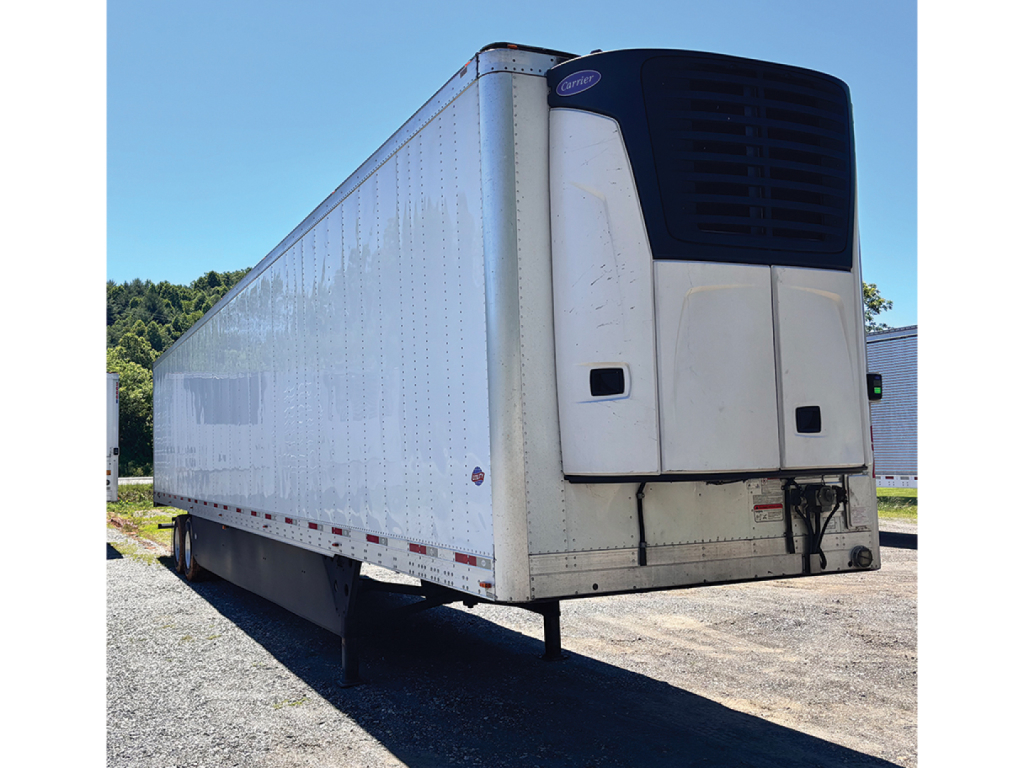
Have 2024 utility reefer trailer to sell? List it here to reach thousands of buyers.
About 2024 Utility Reefer Trailers in North Carolina
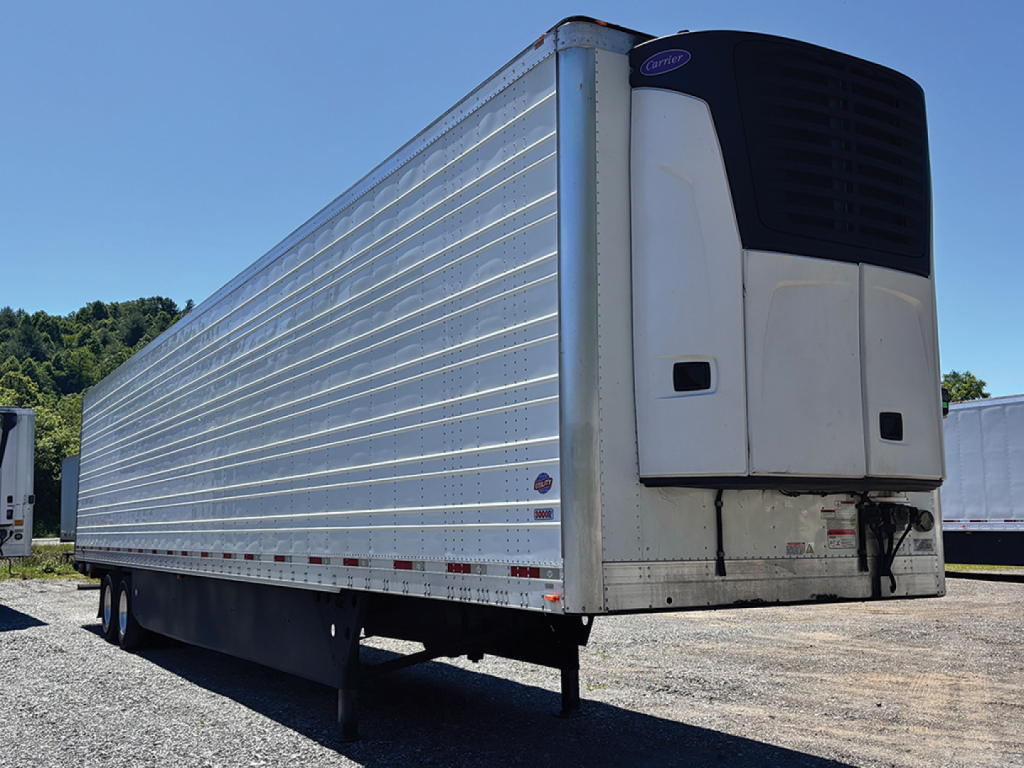
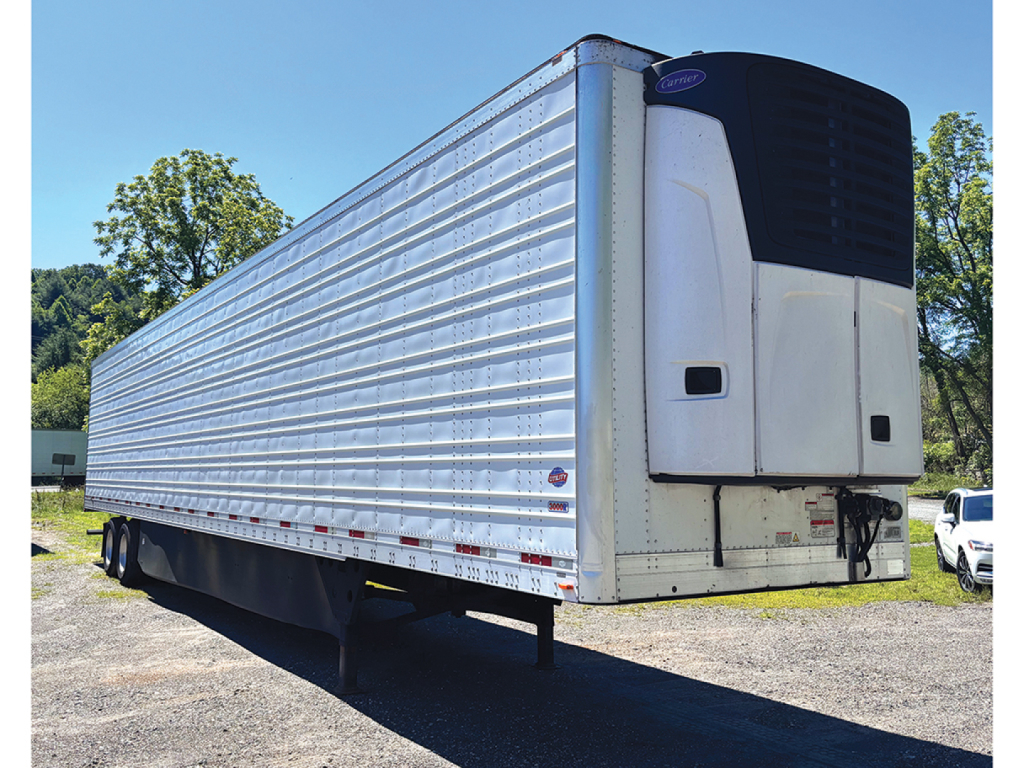
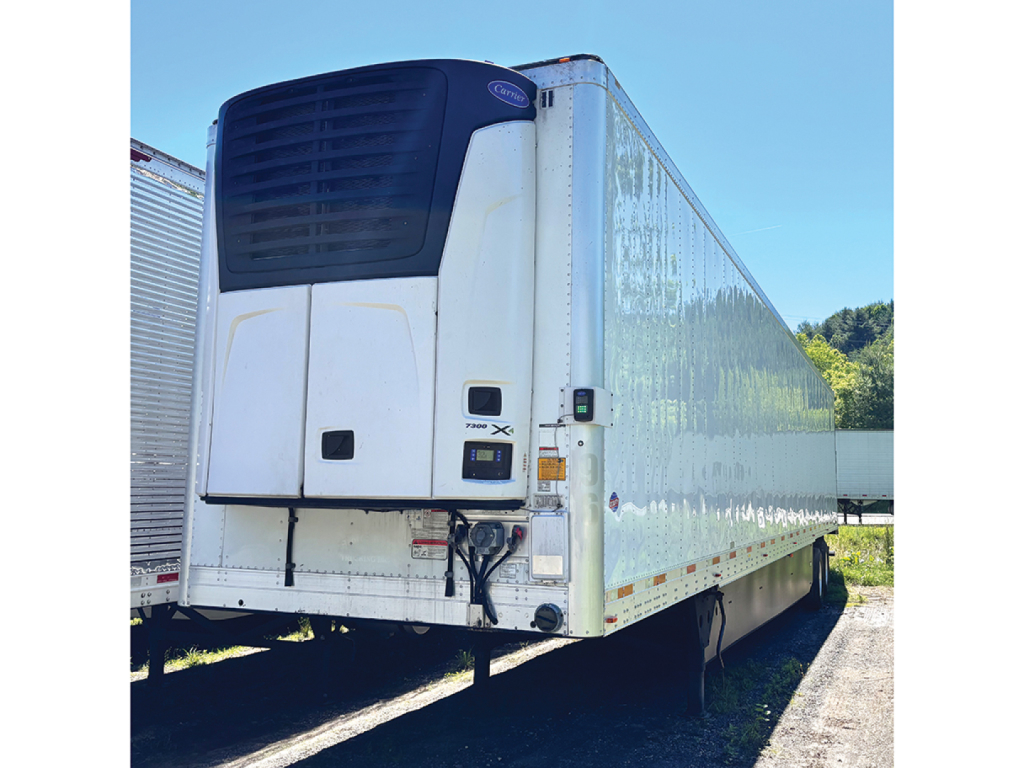
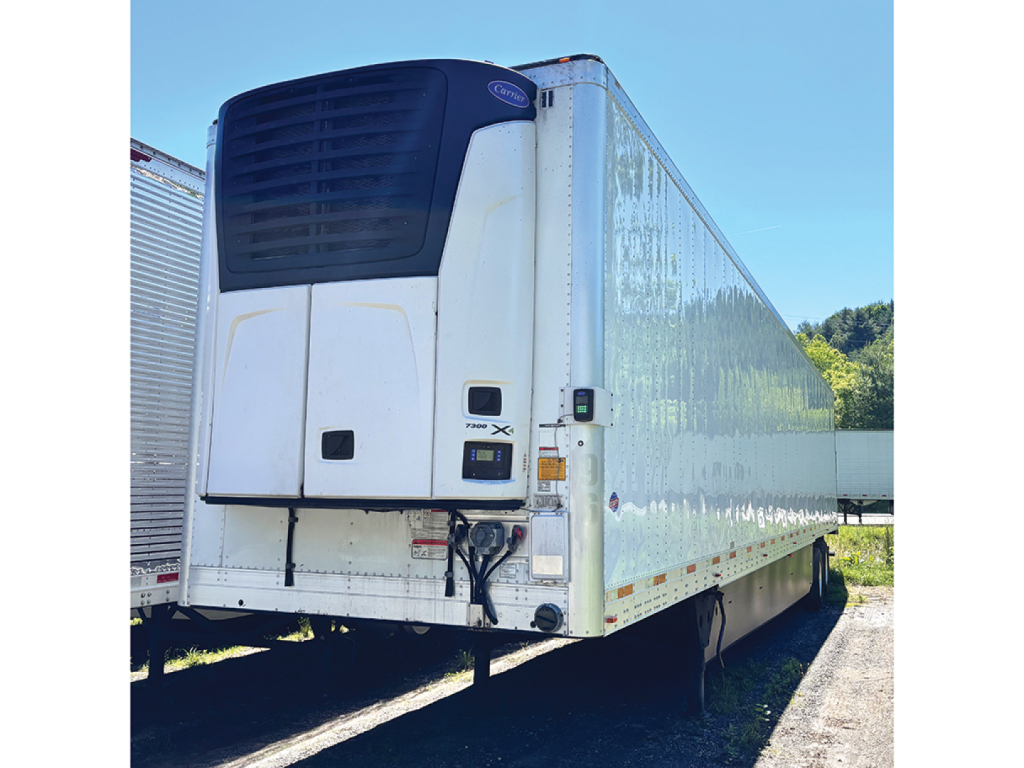
On a 2024 Utility reefer, common specs include a 53-foot length, 102-inch width, 13-foot 6-inch overall height, air ride suspension, and a sliding tandem. Many are equipped with heavy-duty aluminum duct floors, scuff liners or scuff plates, rear vents, cold chutes, and stainless steel rear door components. Those details matter. A duct floor supports consistent air circulation under the load, while a cold chute helps move supply air more evenly from front to rear. Stainless front radius panels, door frames, and quilted swing doors add durability in high-cycle loading environments. Tire inflation systems, side skirts, disc wheels, and in some specs disc brakes are also common on newer refrigerated trailers because they reduce downtime, improve fuel economy, and help with fleet standardization.
The refrigeration unit itself is a major buying decision. Many Utility reefers are paired with Carrier or Thermo King units, and buyers should match unit capacity and service network to the freight profile. Multi-stop grocery distribution, deep-frozen freight, and produce hauling each place different demands on pull-down performance, runtime, and temperature recovery after door openings. If the operation loads dense pallets, pay close attention to inside height, chute design, and airflow management. If the trailer will run long regional lanes through North Carolina and the Southeast, fuel-efficient options such as side skirts and low rolling resistance tire setups can make more difference than they do in shorter local work.
For buyers evaluating 2024 Utility reefer trailers for sale in North Carolina, the practical checklist usually comes down to reefer brand, floor and liner condition, door seal integrity, suspension spec, and whether the trailer is configured for dock-heavy distribution or long-haul continuous run service. Utility refrigerated trailers are also commonly called reefer vans or refrigerated vans, but the key distinction is how the trailer is set up to protect cargo temperature from pickup through final delivery. A well-spec'd Utility 3000R can fit a broad range of cold-chain applications, but the best choice is the one with the right unit, airflow package, and durability options for the freight it will haul every day.
Frequently Asked Questions
What are the most important specs to check on a 2024 Utility reefer trailer?
The most important specs are the refrigeration unit model, trailer length and interior cube, floor type, airflow features, suspension, and tandem configuration. Buyers should confirm whether the trailer has a heavy-duty aluminum duct floor, cold chute, rear vent, air ride suspension, sliding tandem, and fuel-saving options like side skirts or a tire inflation system. Door construction, scuff protection, and wheel-end spec also matter because they affect durability and maintenance cost in high-cycle loading operations.
Is the Utility 3000R a good reefer trailer for grocery and food-grade freight?
The Utility 3000R is widely used in grocery, frozen food, dairy, and produce service because it is designed for temperature-sensitive freight and frequent dock work. Its common configuration supports strong airflow management, food-grade interior protection, and reliable cube for palletized freight. The exact suitability depends on the refrigeration unit, interior condition, and whether the trailer is set up for multi-stop delivery, long-haul frozen lanes, or mixed-temperature operational demands.
What is the benefit of a duct floor and cold chute on a reefer trailer?
A duct floor allows conditioned air to move under the freight, which helps maintain more even temperature distribution throughout the trailer. A cold chute helps direct supply air from the front toward the rear, improving airflow over and around the load. These features are especially important when hauling dense palletized product, frozen freight, or multi-stop loads where door openings can disrupt internal temperature balance.
Which reefer unit is better on a Utility trailer, Carrier or Thermo King?
Neither brand is automatically better for every operation. Carrier and Thermo King both have strong market presence, and the better choice usually depends on local dealer support, fleet standardization, technician familiarity, and the unit's performance history in the intended application. A buyer should look at temperature-control capability, hours, maintenance records, fuel use, and service access in the lanes where the trailer will run.
Why do many late-model Utility reefer trailers have side skirts and tire inflation systems?
Side skirts and automatic tire inflation systems are common on newer reefer trailers because they help control operating costs. Side skirts can improve aerodynamic efficiency on highway lanes, while tire inflation systems help maintain proper tire pressure and reduce irregular wear, blowout risk, and fuel waste. For fleets running long regional or over-the-road refrigerated freight, these features can improve uptime and support lower cost per mile.