
2018 Utility Trailers For Sale
Browse 2018 Utility trailers including dry van and reefer models. Compare specs, construction, suspension, and trailer options.
Learn more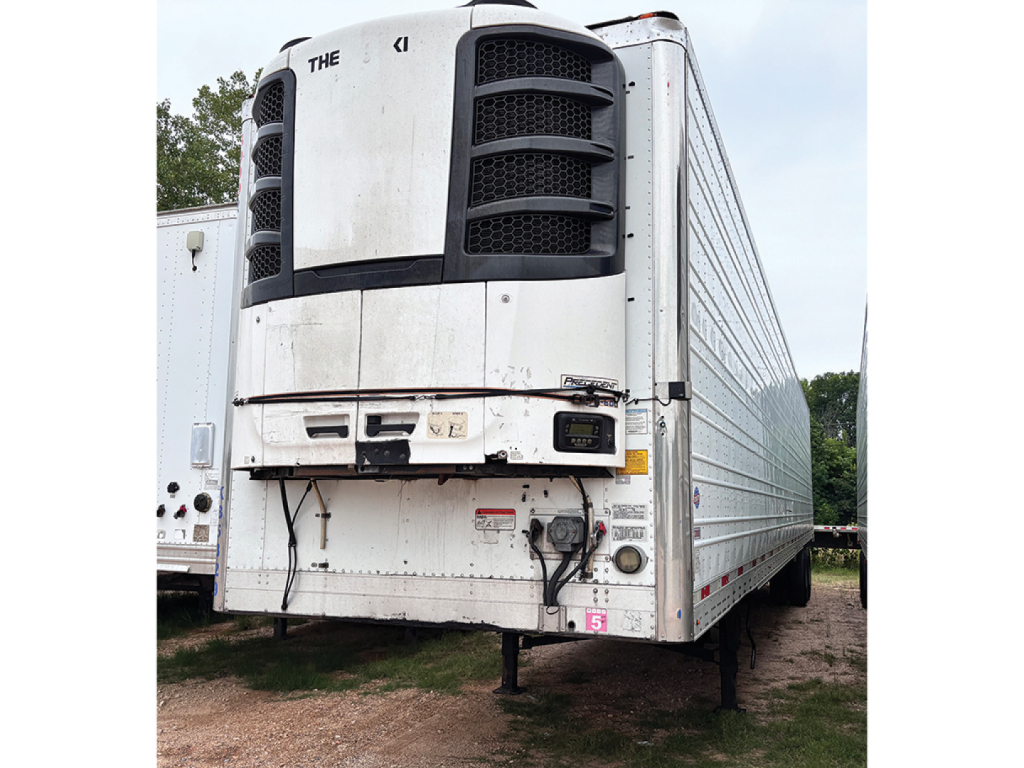
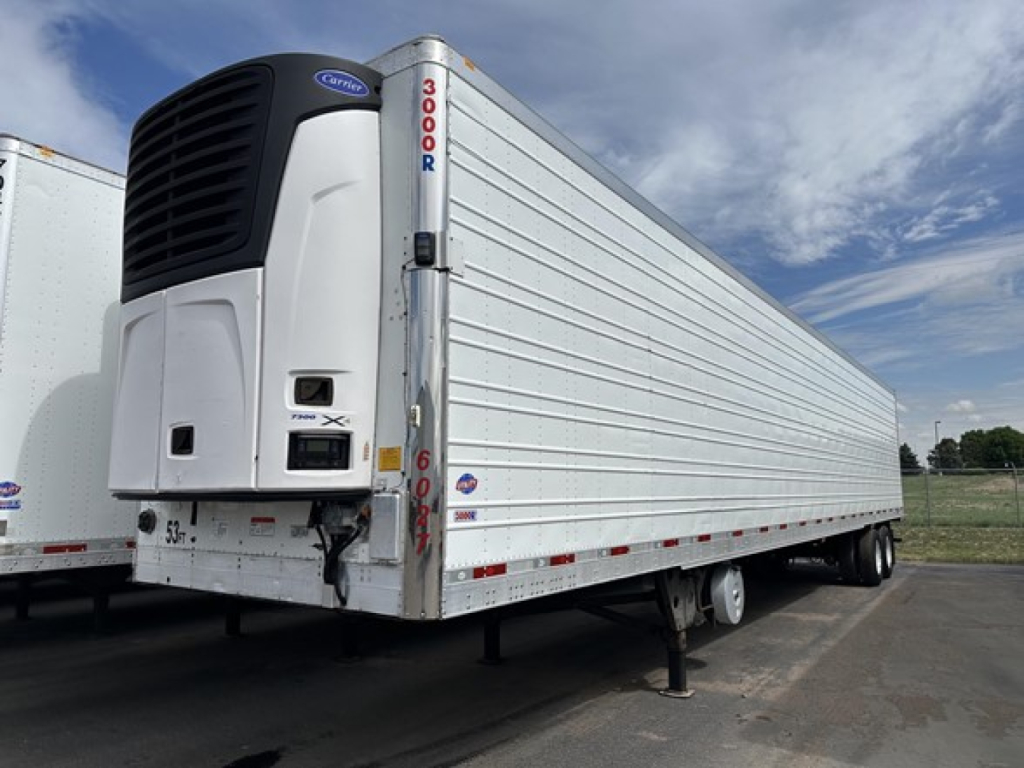
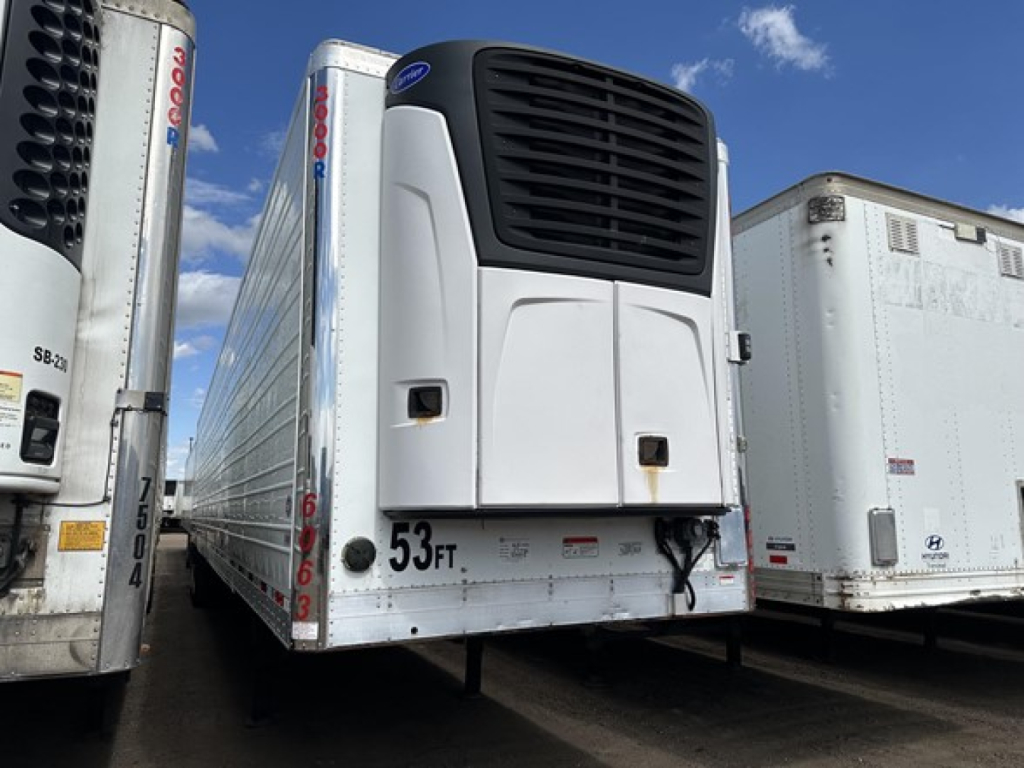
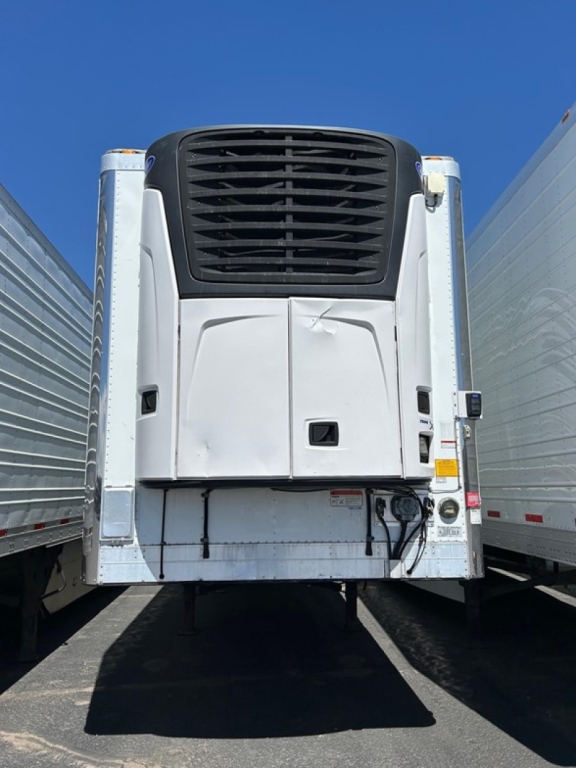
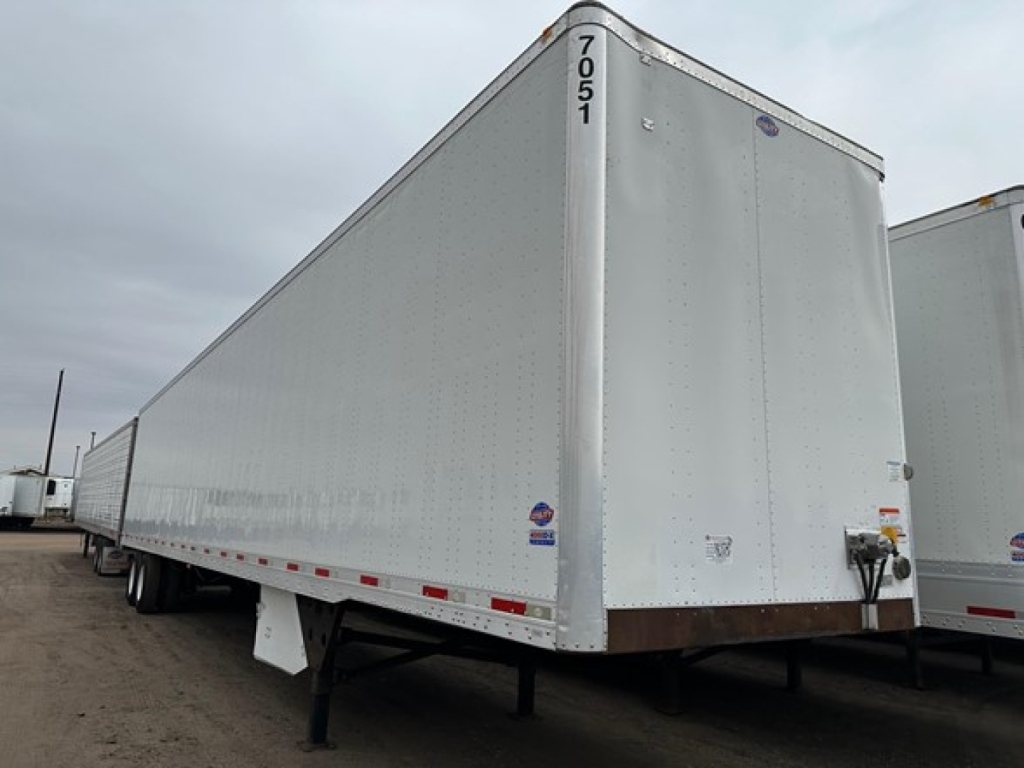
Showing 25 to 33 of 33 results
Have 2018 utility trailer to sell? List it here to reach thousands of buyers.
About 2018 Utility Trailers
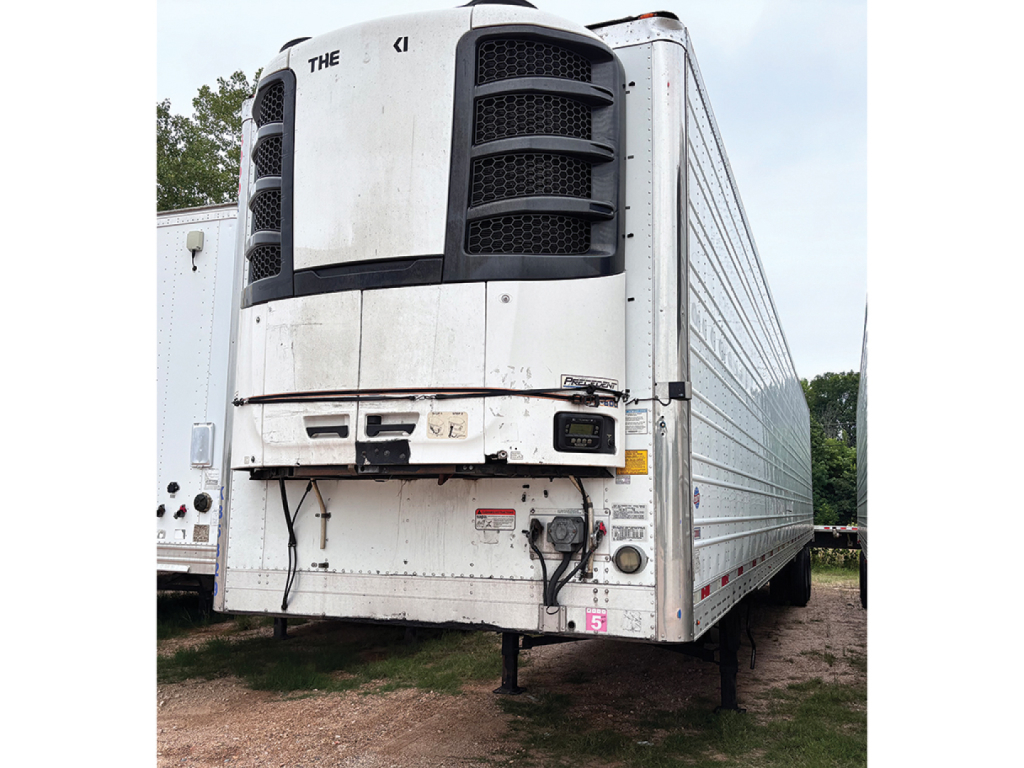
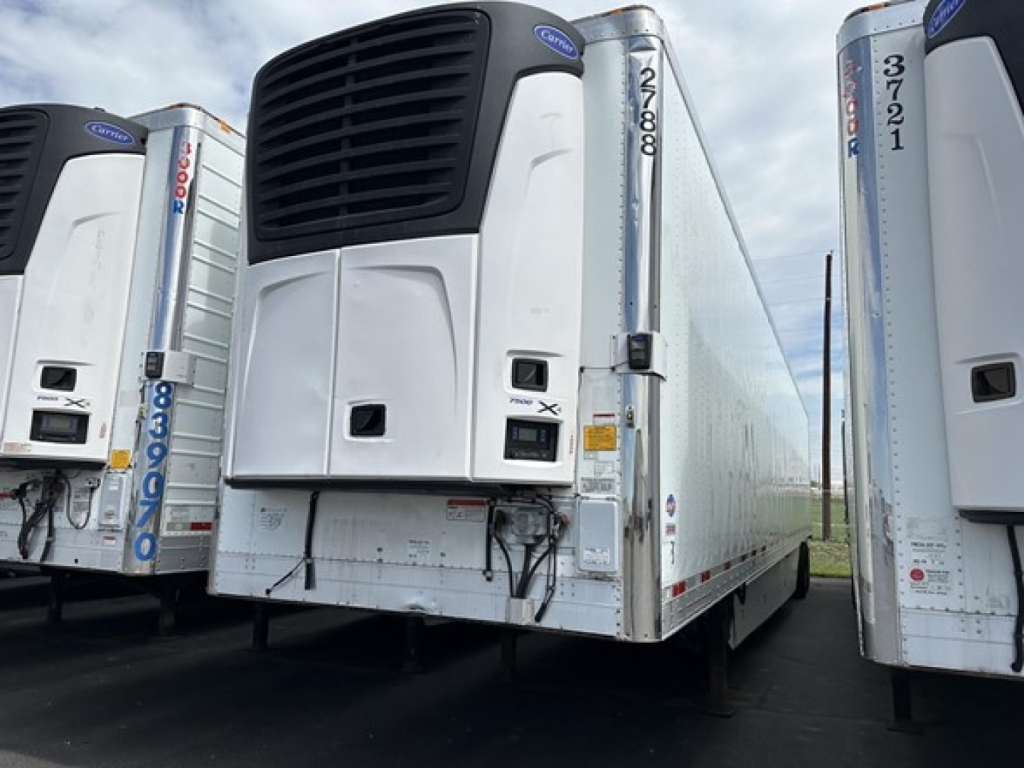
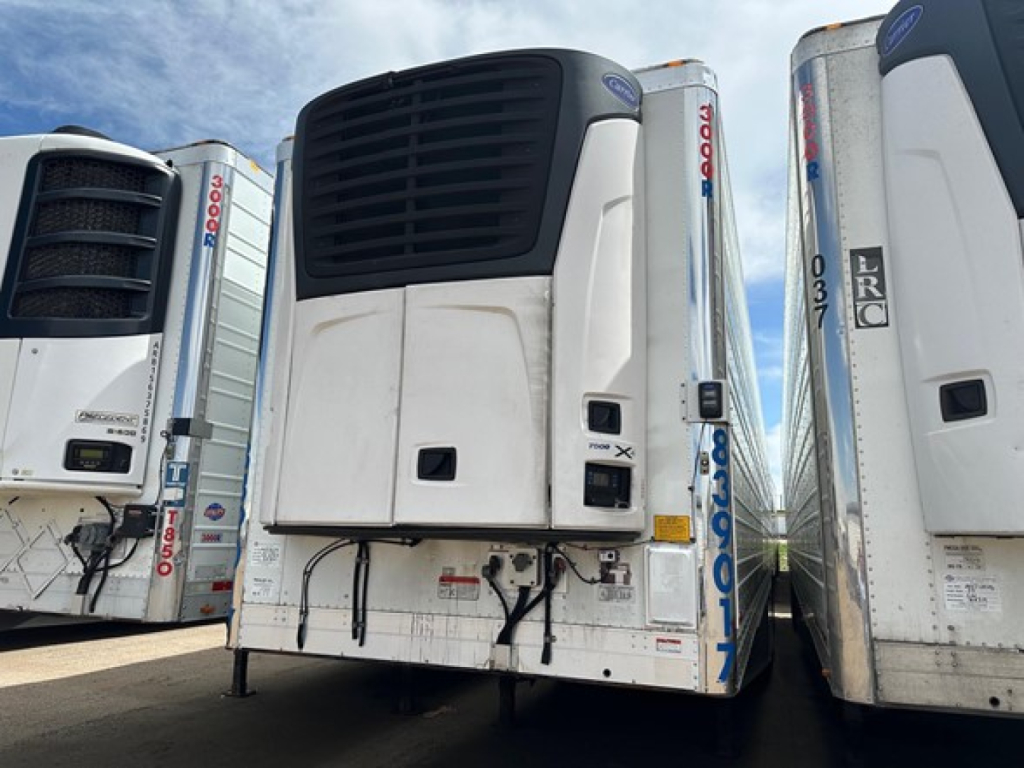
On the reefer side, many 2018 Utility trailers were built as 53' x 102" units with aluminum duct floors, stainless front corners, swing doors, air ride suspension, and slider tandems. Common points to check include refrigeration unit brand and model, engine hours, floor condition, door seal integrity, evaporator performance, and evidence of past panel or roof repairs. Features like PSI tire inflation systems, anti-dock walk, air pin sliders, and closed tandem setups can add value for fleets running high-mileage grocery, frozen, or foodservice lanes. Reefer buyers should also inspect the interior liner, drains, bulkhead area, and scuff protection, since those details affect washout, temperature hold, and long-term maintenance costs.
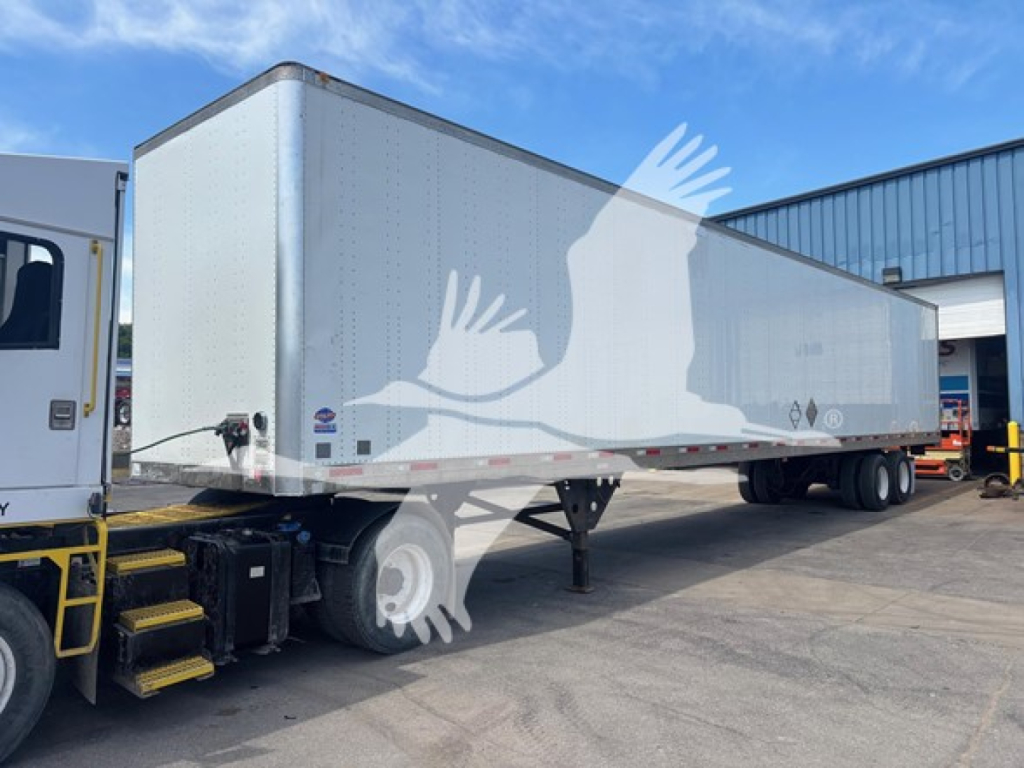
For dry van applications, 2018 Utility trailers are often chosen for general freight, retail distribution, dedicated contract freight, and high-cube dock loading. Key spec differences include smooth versus corrugated side panels, steel or aluminum wheels, suspension type, roof construction, rear frame design, and floor build. Logistics posts, scuff liners, wearbands, threshold plates, and slider configuration matter if the trailer will see heavy forklift traffic or multi-stop LTL-style loading. A taller bottom rail, composite wall panels, and air ride suspension can be especially attractive on van trailers that need to balance cargo protection, dock durability, and lower maintenance over long regional or over-the-road service.
The main advantage of a 2018 Utility trailer is that it sits in a practical age range where specification matters more than model year alone. Condition, repair history, brake and tire setup, suspension wear, and prior application tell you more than the badge on the nose. Buyers comparing multiple 2018 Utility trailers should pay close attention to tandem spread or closed tandem layout, 22.5 low-pro tire spec, wheel material, door style, floor type, and any trailer tracking or inflation system. If the trailer is a reefer, refrigeration service records and unit hours are just as important as trailer condition. If it is a dry van, floor life, crossmember condition, and sidewall integrity usually drive the real operating value.
Frequently Asked Questions
What are the most common 2018 Utility trailer models buyers look for?
The most common 2018 Utility trailers on the used market are usually 53-foot dry vans and 53-foot refrigerated trailers. Utility 3000R reefers are a frequent choice for cold-chain freight, while 4000-series dry vans are common in general freight and distribution service. The exact model matters, but buyers should also compare body construction, suspension, tandem configuration, and maintenance history because those factors often have a bigger impact on long-term value than the model name alone.
What should I inspect on a 2018 Utility reefer trailer before buying?
Start with the refrigeration unit hours, service history, and operating performance under load. Then inspect the aluminum duct floor, interior walls, door seals, bulkhead, drains, and roof for leaks, damage, or poor repairs. On the trailer side, check suspension components, slider operation, brake wear, tire condition, wheel-end maintenance, and signs of frame corrosion. A reefer can look clean and still have expensive deferred maintenance, so the unit and the trailer both need a full evaluation.
Are 2018 Utility dry vans a good fit for general freight?
Yes, 2018 Utility dry vans are commonly used for palletized freight, retail distribution, warehouse transfers, and dedicated route work. They are generally valued for solid body construction, straightforward parts support, and specs that can be matched to dock, forklift, and lane requirements. Buyers should pay close attention to floor condition, sidewall style, rear frame wear, and logistics post spacing because those details directly affect loading efficiency and service life.
What trailer specs matter most when comparing 2018 Utility trailers?
The most important specs depend on the trailer type, but several apply across the board. Buyers usually compare suspension type, slider tandem setup, tire size, wheel material, floor construction, door configuration, and body dimensions first. Reefer buyers also need to compare refrigeration unit brand, model, and hours. Dry van buyers often focus more on panel construction, scuff protection, logistics posts, and floor fastening because those features affect durability in everyday freight handling.
How important is maintenance history on a 2018 Utility trailer?
Maintenance history is one of the most important factors on any 2018 Utility trailer because it helps explain current condition and future repair risk. Regular brake work, suspension service, tire replacement, wheel-end maintenance, and documented structural or reefer-unit repairs can make a major difference in operating cost. A trailer with the right records is usually easier to evaluate than one that only presents well cosmetically.