
Used 2020 Trailers For Sale in Pennsylvania
Browse used 2020 trailers for sale in Pennsylvania, including dry vans, flatbeds, and lowboys with specs that matter for freight and compliance.
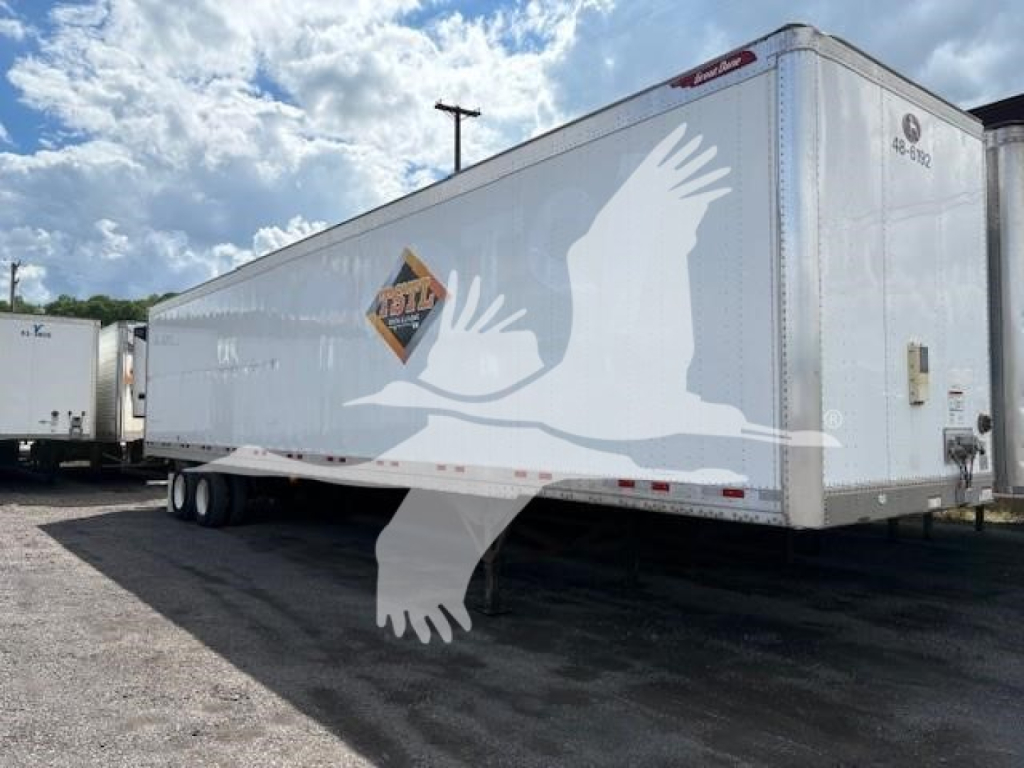
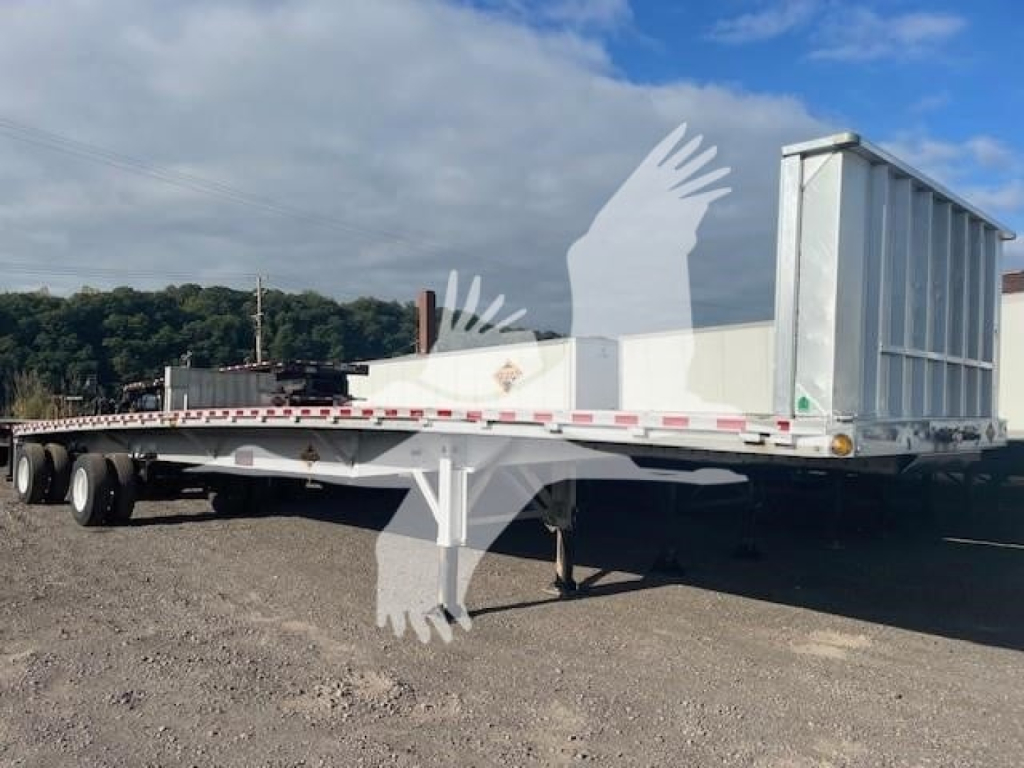
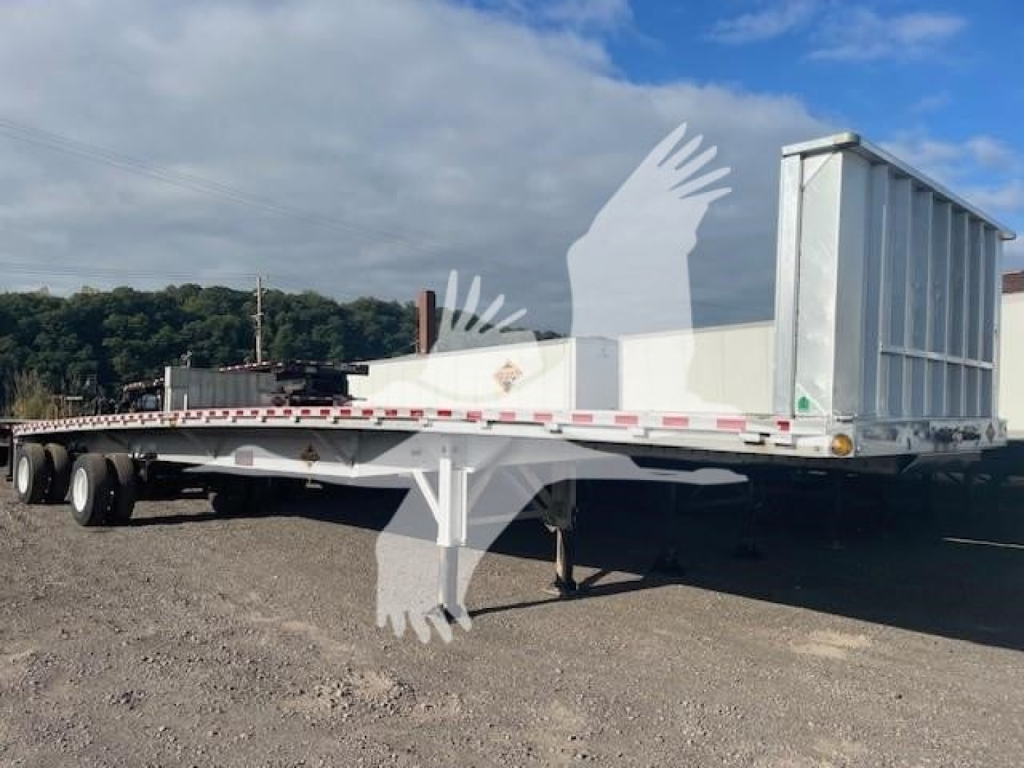
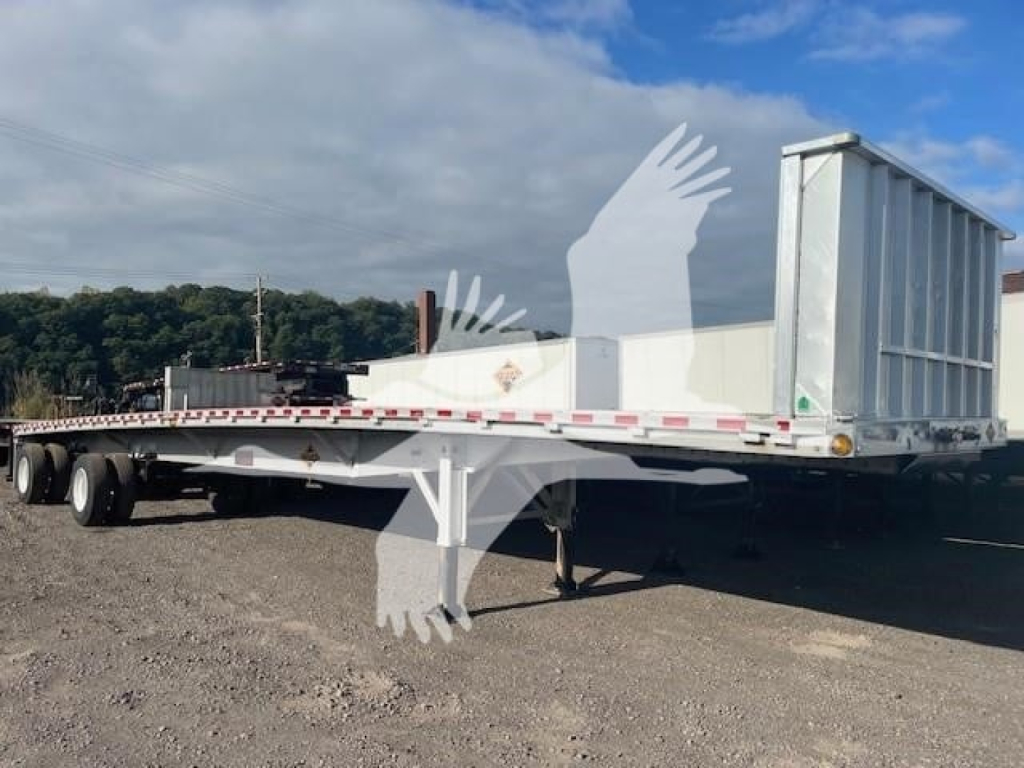
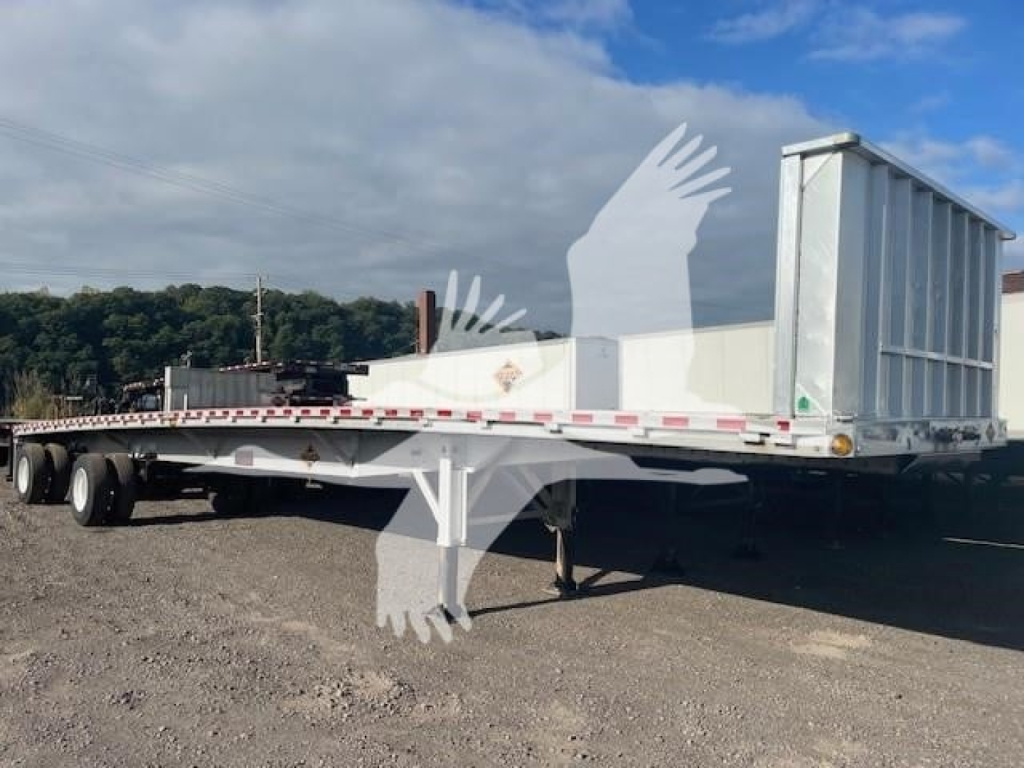
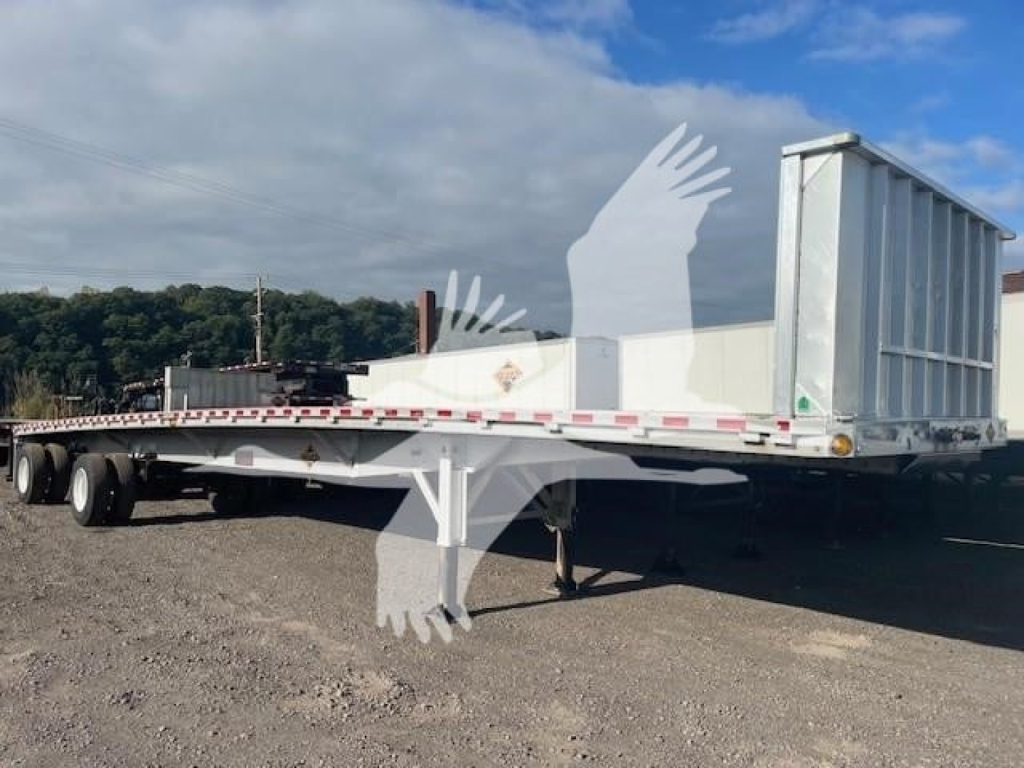
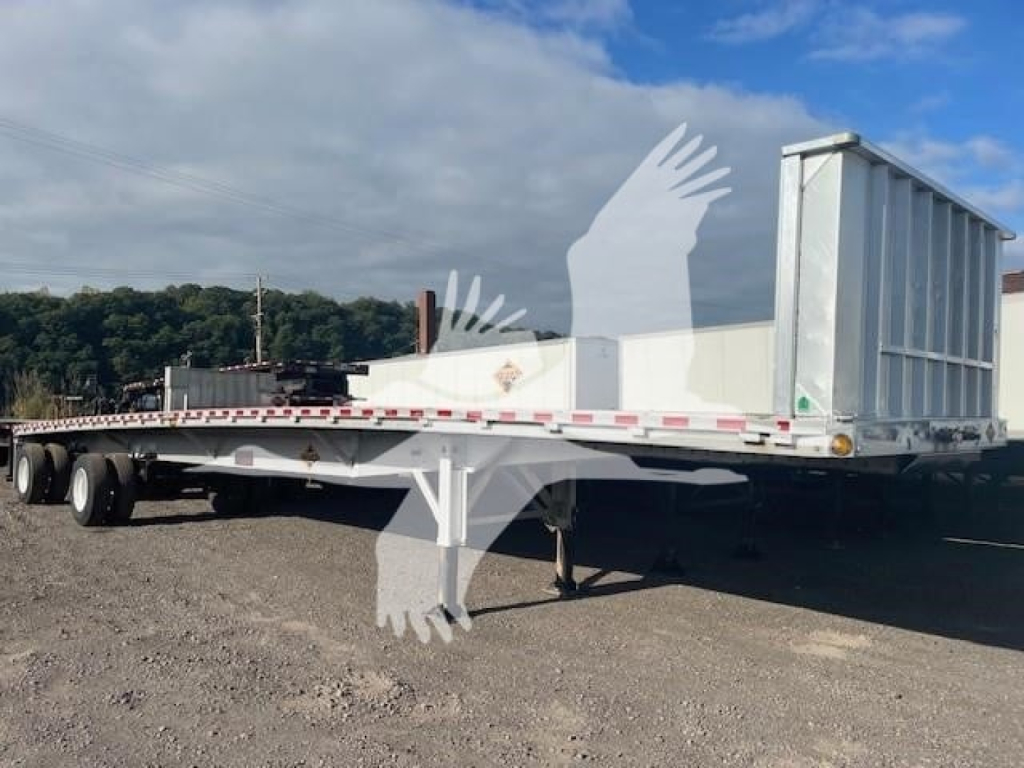
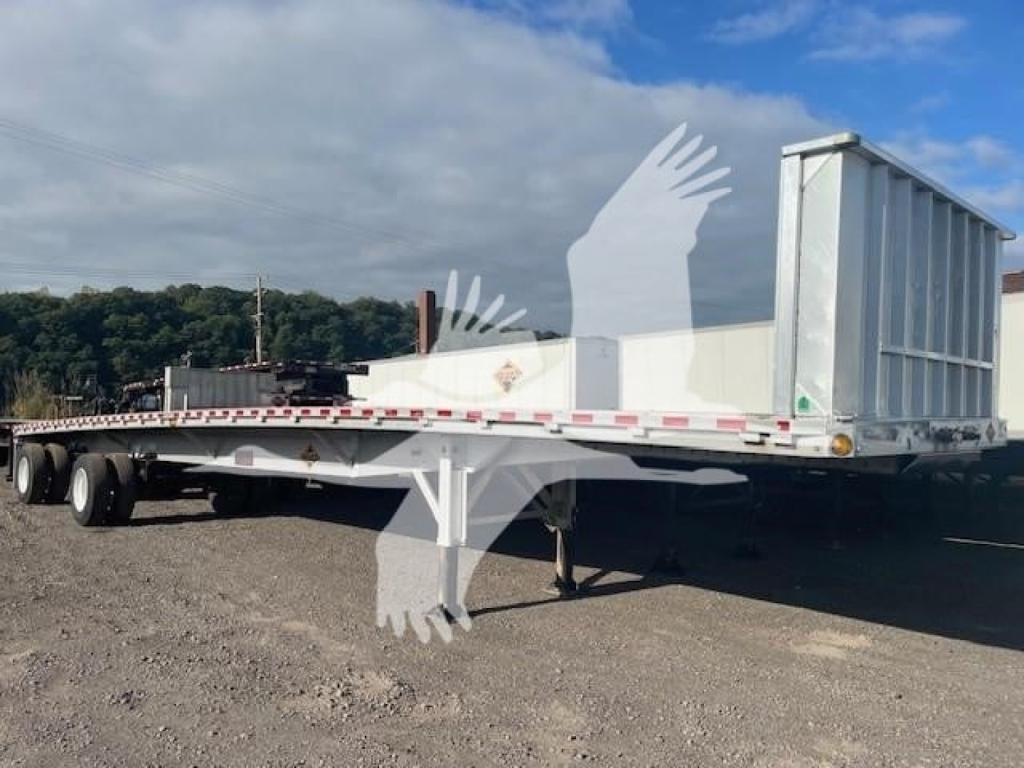
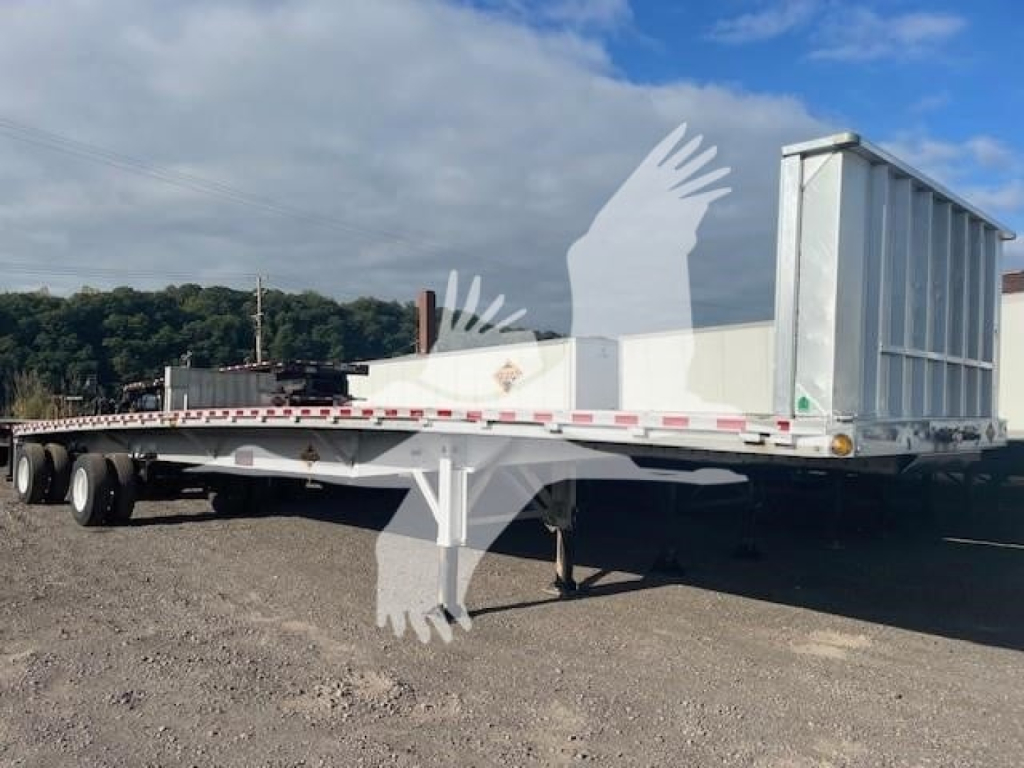
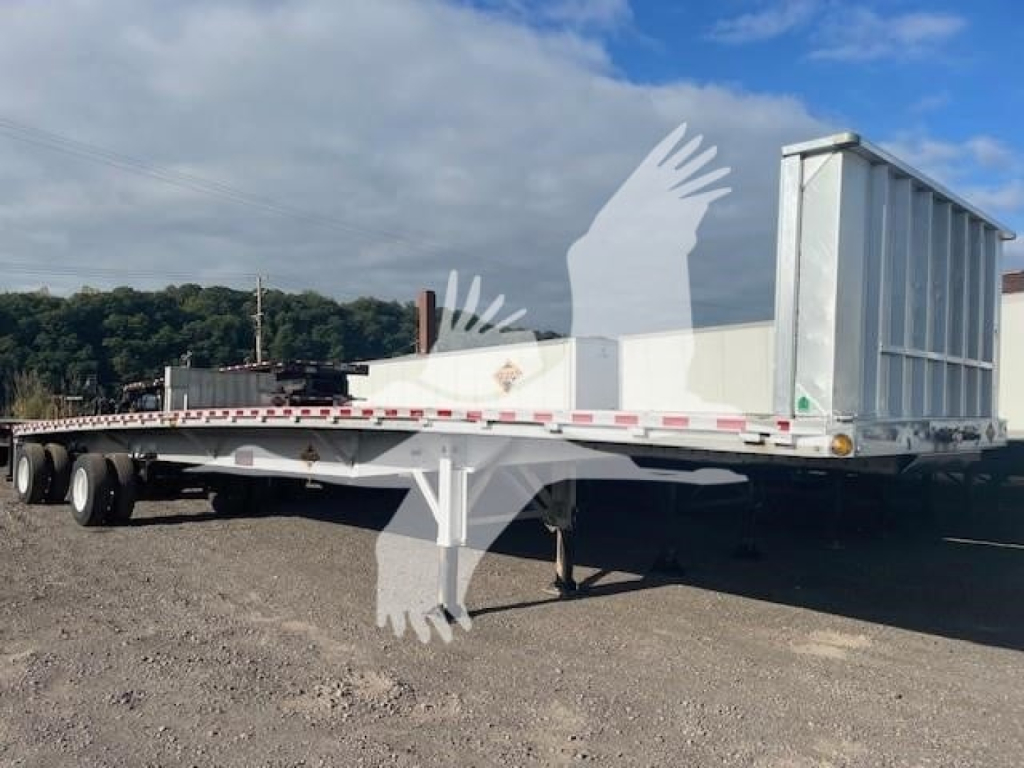
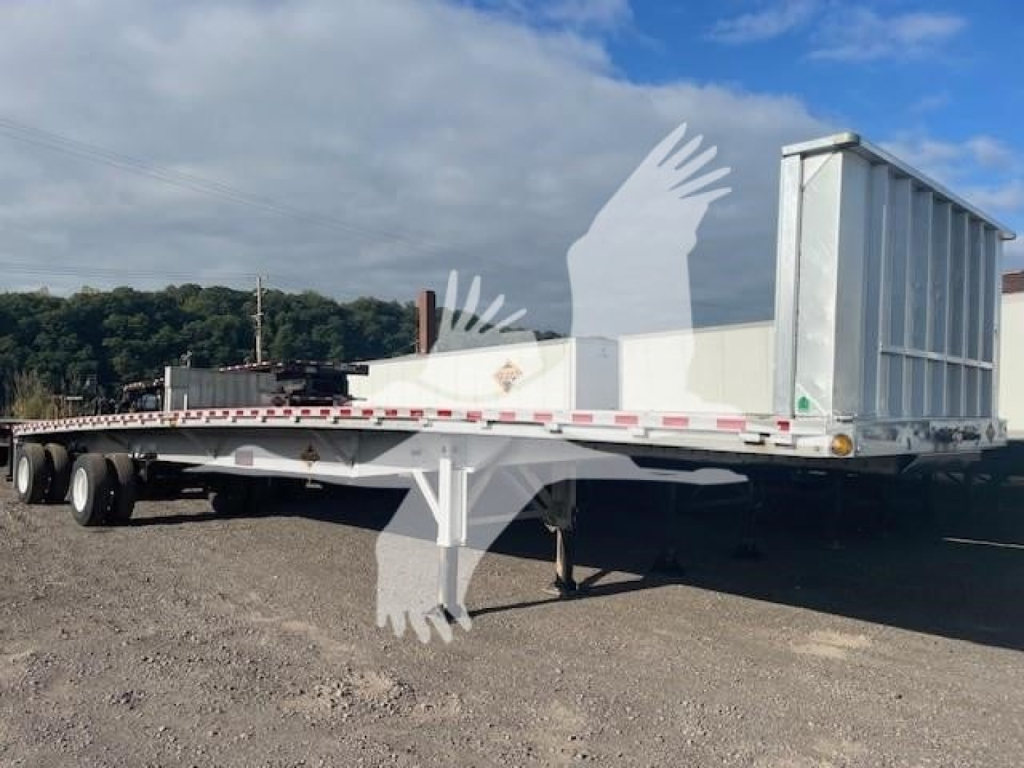
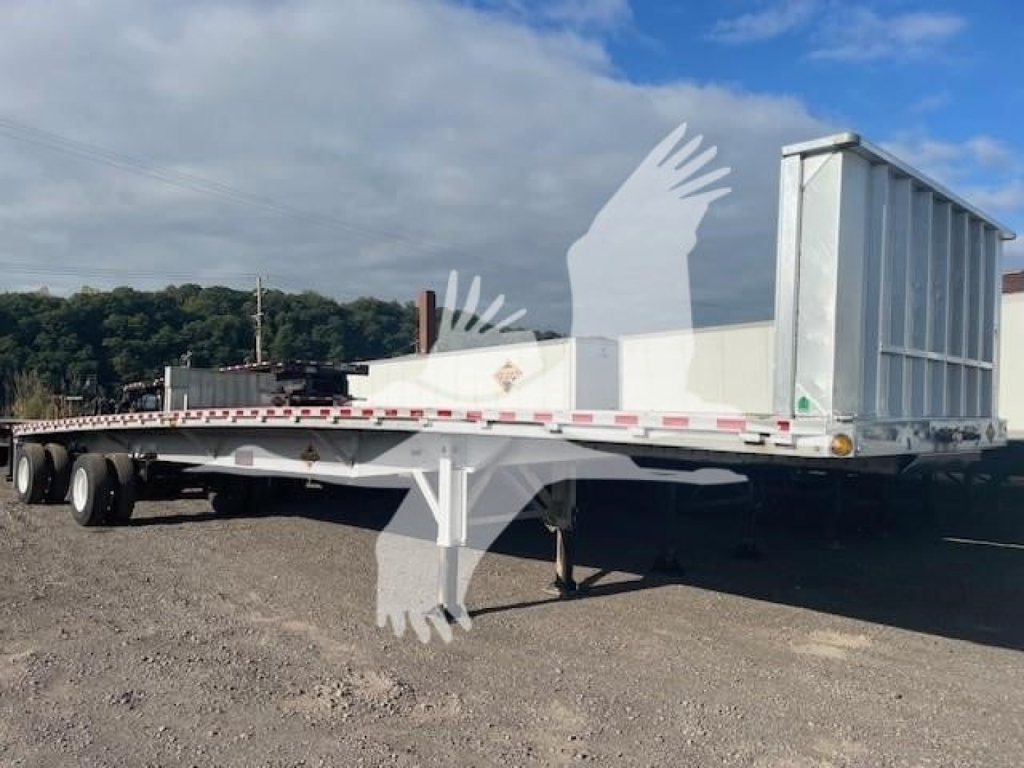
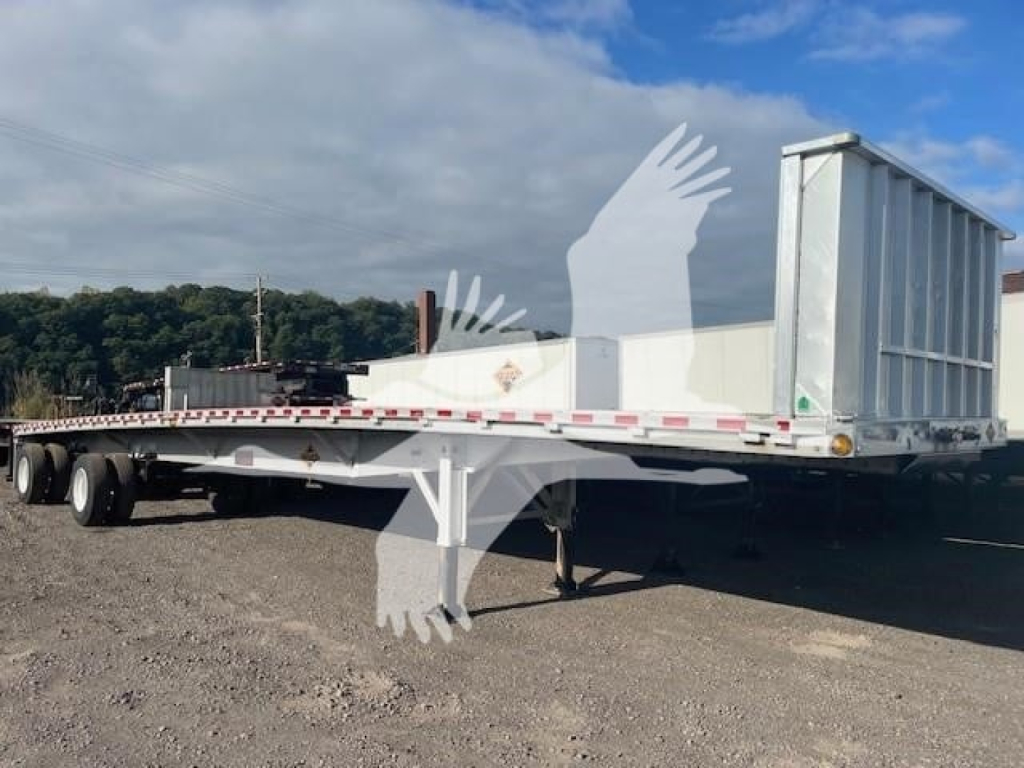
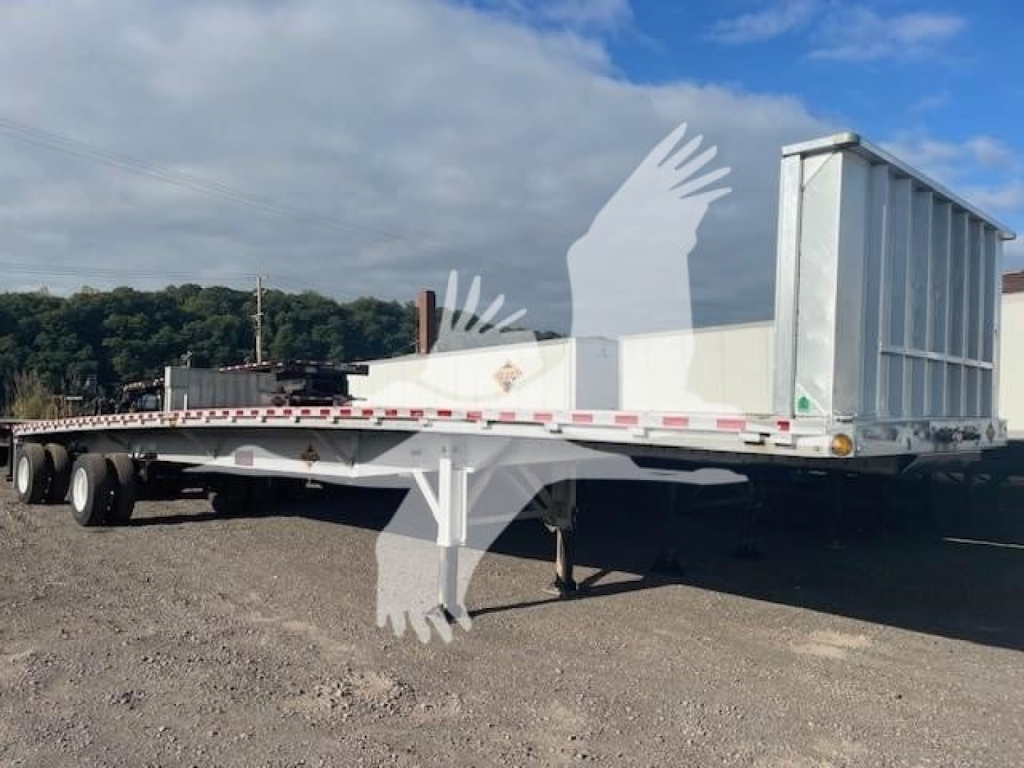
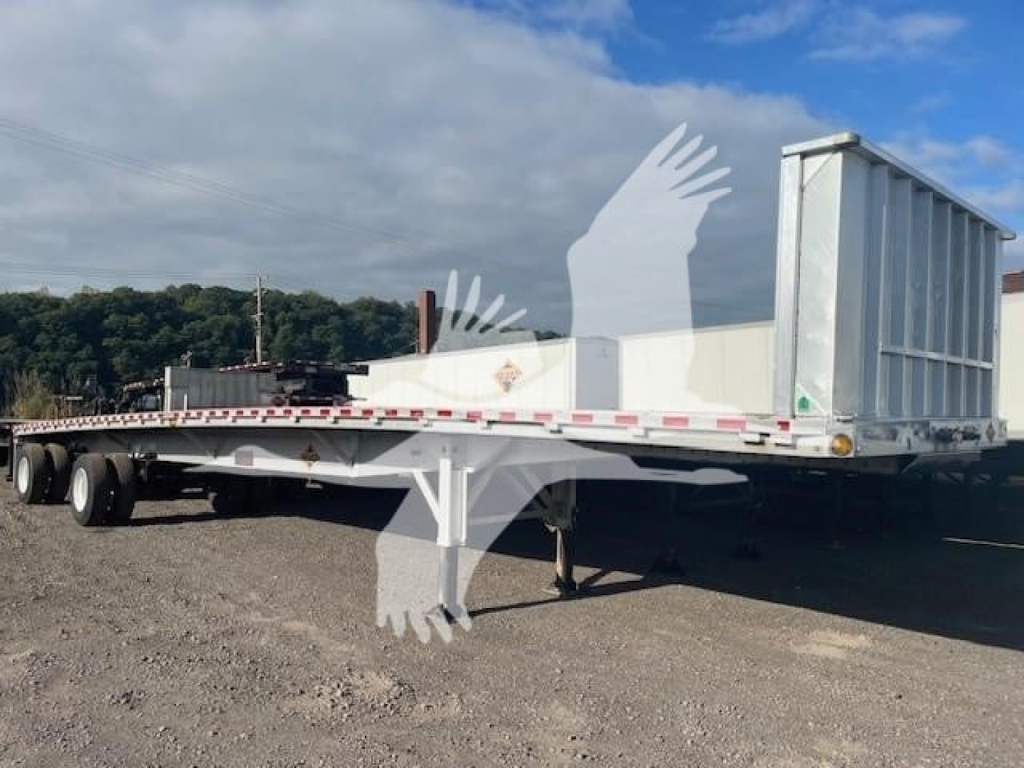
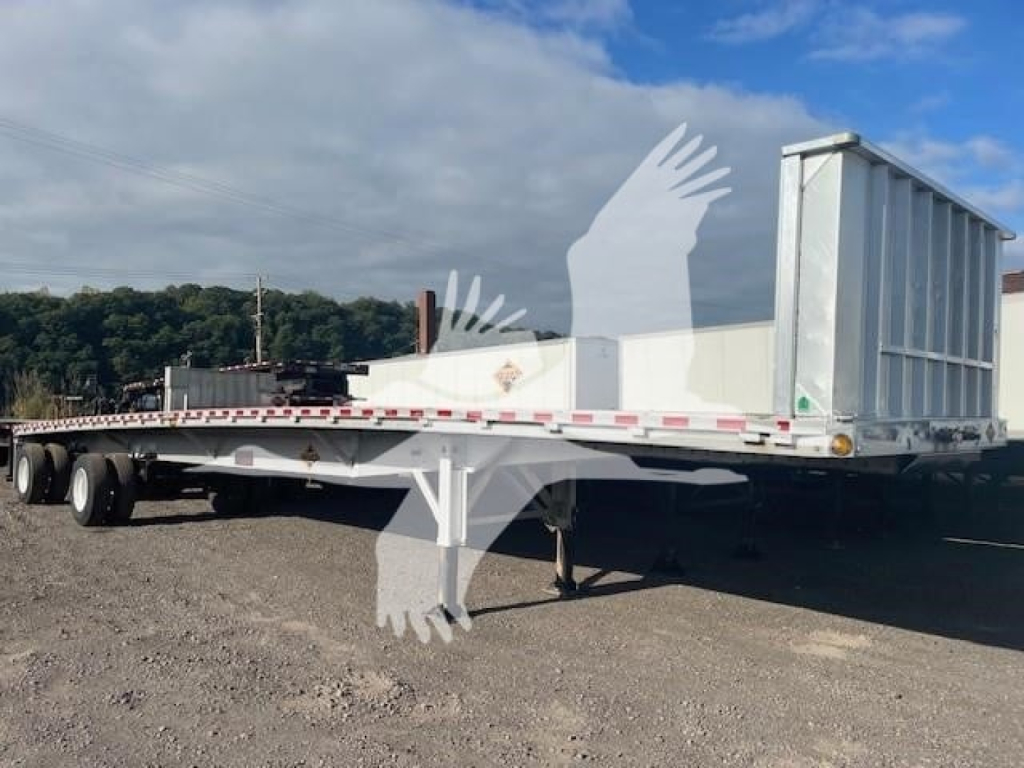
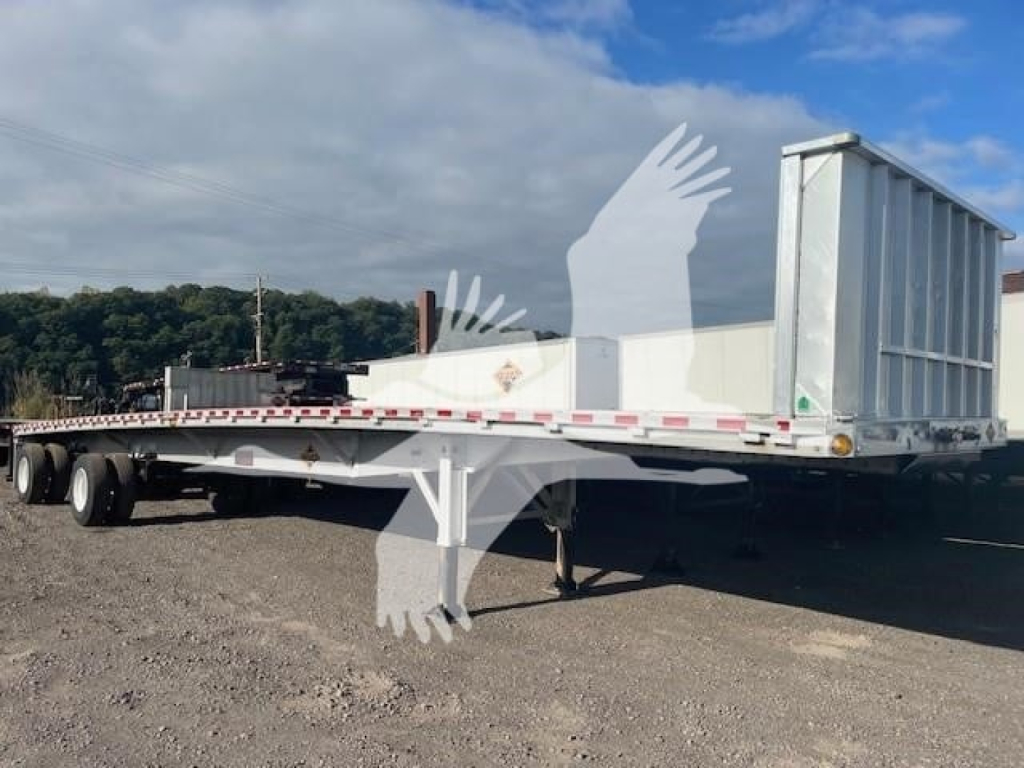
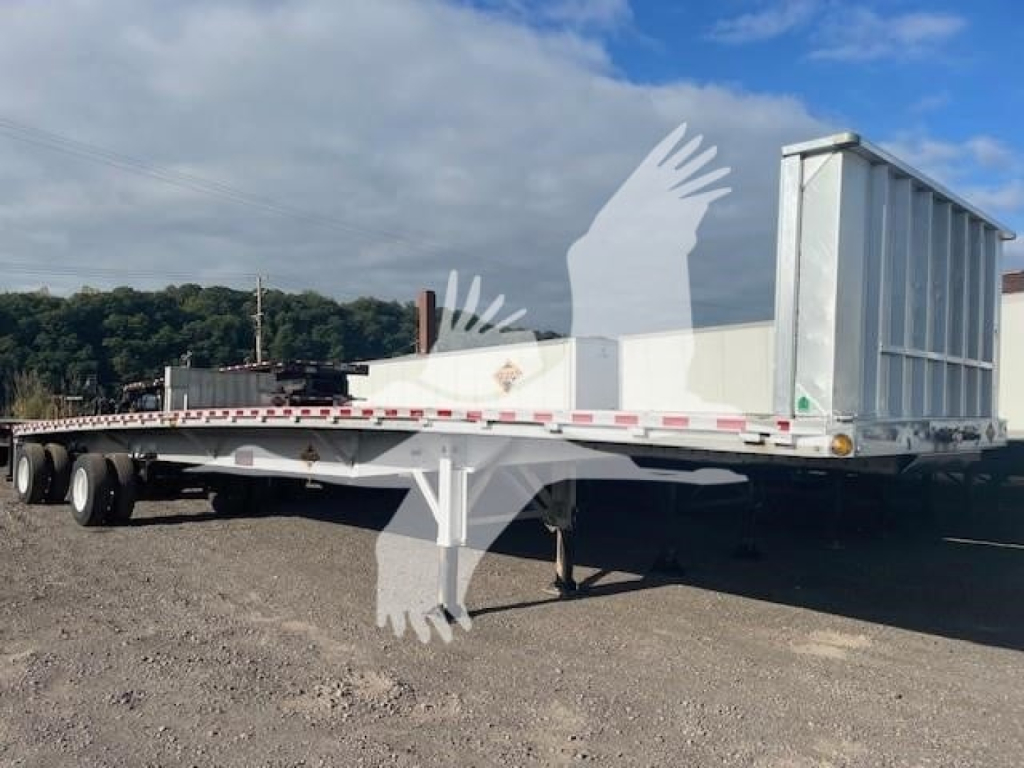
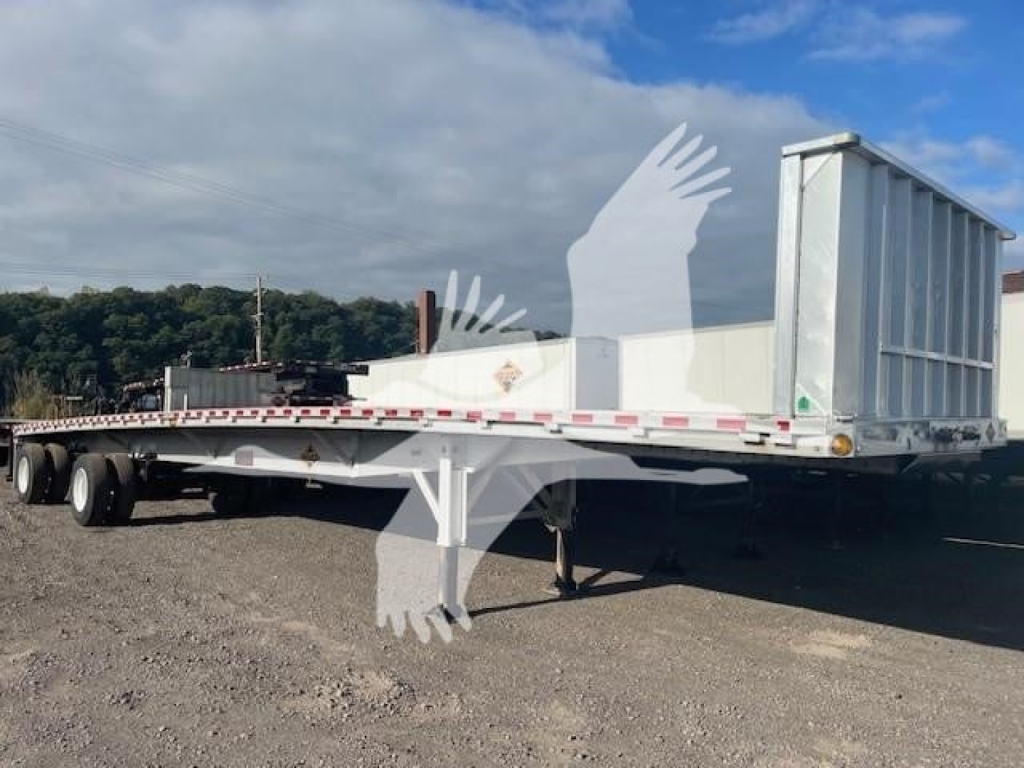
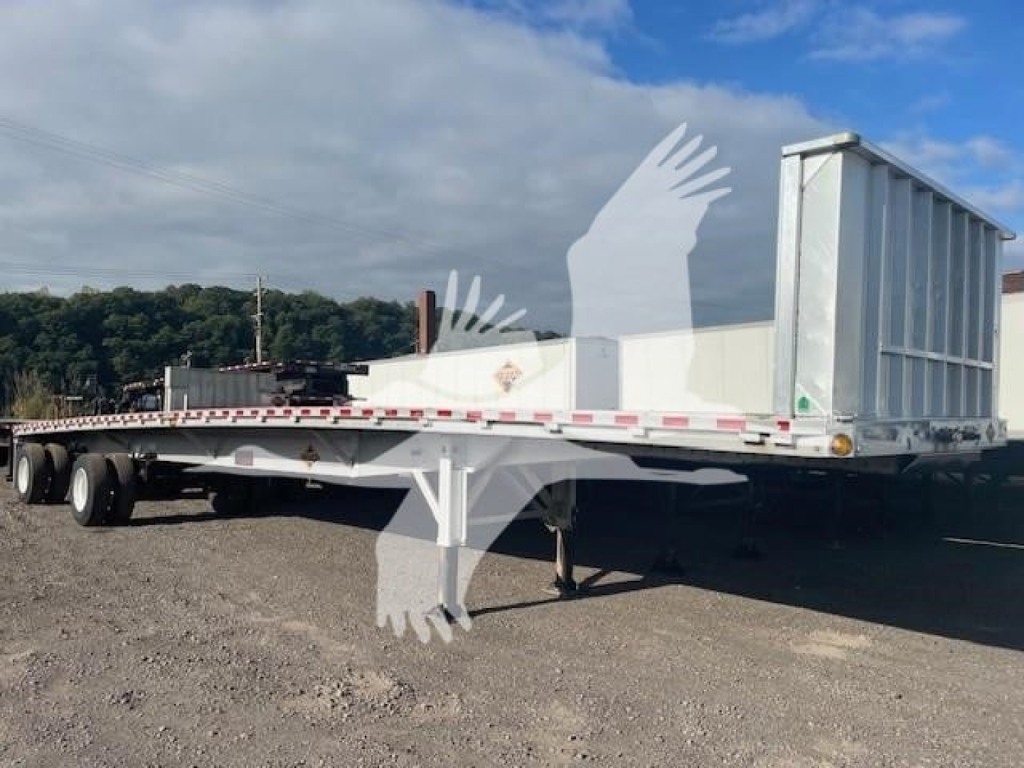
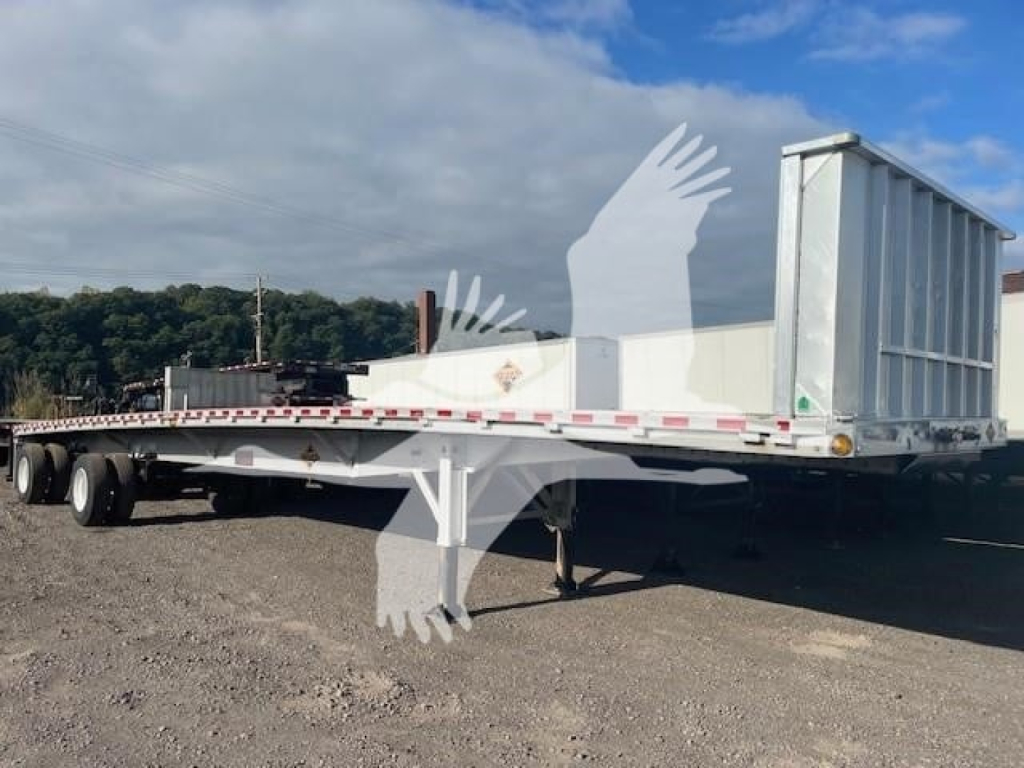
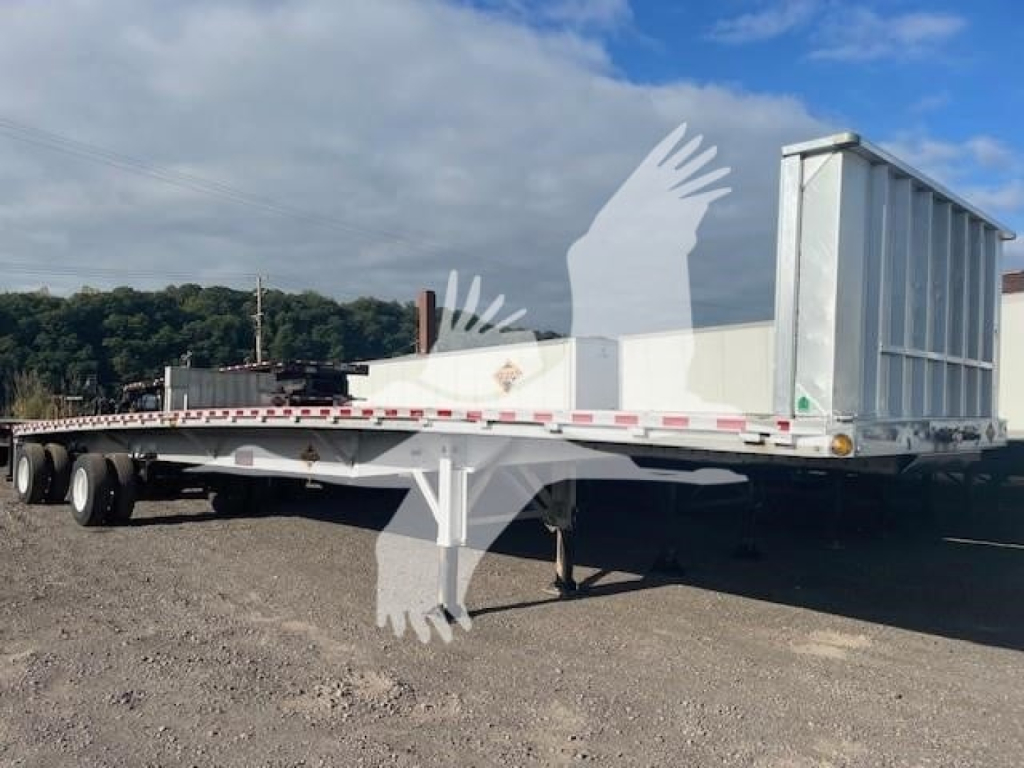
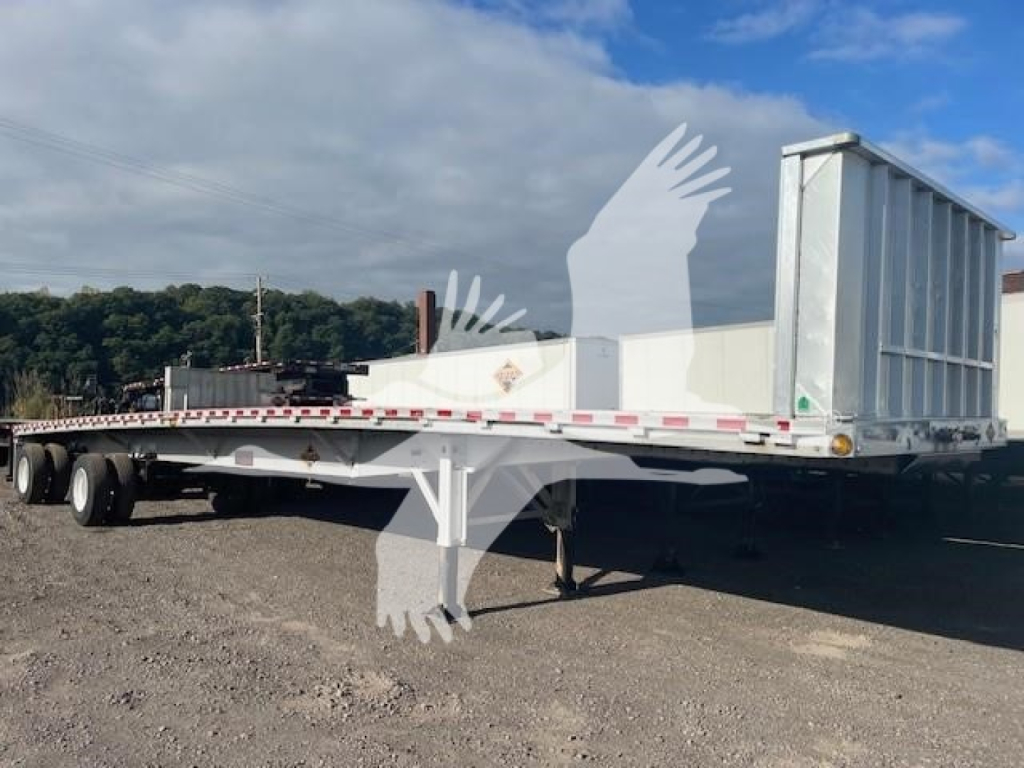
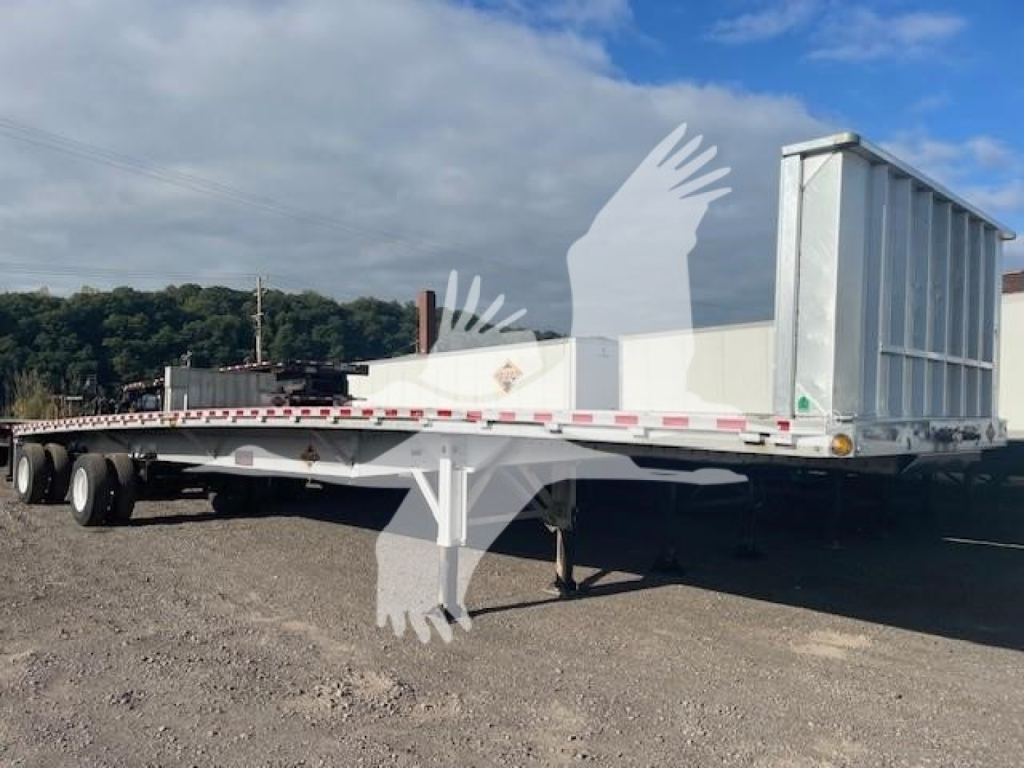
Showing 49 to 72 of 77 results
Have used 2020 trailer to sell? List it here to reach thousands of buyers.
Used 2020 Trailers in Pennsylvania
A 2020 model year trailer often sits in a useful middle ground for buyers who want newer specs without late-model pricing. Many 2020 trailers were built with features that directly affect operating cost and uptime, such as air ride suspensions, tire inflation systems, disc or drum brake setups, galvanized rear structures, side skirts on van trailers, and premium flooring or deck packages. On van trailers, pay close attention to interior condition, roof integrity, floor wear, rear frame corrosion, door hardware, and whether the trailer is logistics equipped for load securement flexibility. On flatbeds, look closely at side rail condition, aluminum cracking, nailing strips, landing gear, crossmember alignment, and tiedown setup. On lowboys, inspect hydraulic systems, gooseneck function, deck wear, beam condition, and the condition of ramps, D-rings, and suspension components.
Pennsylvania buyers should also weigh how the trailer will operate across mixed terrain, seasonal weather, and state bridge and road restrictions. Air ride is common for freight protection and ride quality, but suspension brand, axle rating, brake type, and tire size all affect maintenance planning and parts support. For Northeast regional hauling, corrosion resistance matters more than many first-time buyers expect, especially on frames, rear impact areas, wiring connections, and landing gear assemblies exposed to road salt. If the trailer will cross into surrounding states regularly, tandem slide range, axle spread, GVWR, and kingpin-to-rear axle dimensions should be verified against the lanes you run most.
The best used 2020 trailer is not just the cleanest one on the page. It is the one whose configuration matches your freight, tractor specs, loading environment, and compliance needs. A van trailer buyer may prioritize cubic capacity, door style, and dock compatibility. A flatbed buyer may care more about concentrated load ratings in 4-foot and 10-foot sections, coil package design, and securement hardware. A lowboy buyer usually starts with deck height, detachable neck style, and legal payload in the states where the trailer will work. Matching those details up front usually saves more money than chasing the lowest asking price.
Frequently Asked Questions about Used 2020 Trailers in Pennsylvania
What should I check first on a used 2020 trailer?
Start with the structural condition and the trailer type-specific wear points. On dry vans, inspect the floor, roof, rear frame, scuff liners, door seals, and suspension. On flatbeds, focus on the deck, side rails, crossmembers, winch tracks, landing gear, and any signs of cracks or repairs. On lowboys, inspect the main beam structure, hydraulic detachable gooseneck system, deck height, ramps, axle group, and suspension. Tire condition, brake wear, lighting, and VIN and title status matter on every trailer.
Is a 2020 trailer a good age for a used trailer purchase?
A 2020 trailer can be a strong value point because it is new enough to have modern specifications and common fleet features, but old enough to price below late-model equipment. Actual value depends more on maintenance history, prior application, corrosion exposure, and structural condition than model year alone. A well-maintained 2020 trailer can offer a good balance of cost, remaining service life, and parts availability.
What trailer specifications matter most for Pennsylvania hauling?
For Pennsylvania operations, buyers should pay close attention to suspension type, brake configuration, axle ratings, tire size, tandem slide range, kingpin setting, and any dimensions that affect bridge law compliance and route flexibility. Corrosion resistance is also important because trailers in the Northeast often see road salt and wet weather. On specialty trailers, deck height, loaded height, and legal axle spacing can be just as important as payload rating.
How do I choose between a dry van, flatbed, and lowboy trailer?
Choose based on the freight you haul most often. A dry van is designed for palletized, boxed, and weather-sensitive freight. A flatbed is better for oversized, irregular, or crane-loaded freight that needs side or top access. A lowboy is built for heavy equipment and taller machinery that require a lower deck height and heavier weight rating. The right trailer is the one that fits your core lanes, loading methods, and cargo securement requirements without forcing unnecessary compromises.
Which features add the most value on a used trailer?
The most valuable features are usually the ones that improve uptime, loading flexibility, and maintenance control. On van trailers, that includes logistics posts, air ride, tire inflation systems, side skirts, galvanized rear frames, and good door hardware. On flatbeds, buyers often value aluminum construction, winch tracks on both sides, coil packages, disc brakes, and quality landing gear. On lowboys, hydraulic detachable necks, outriggers, strong tie-down provisions, and a proven suspension setup typically add the most practical value.