
Used 2020 Trailers For Sale in New York
Browse used 2020 trailers for sale in New York, including dry vans, reefers, flatbeds, dumps, and more with buyer-focused specs and guidance.
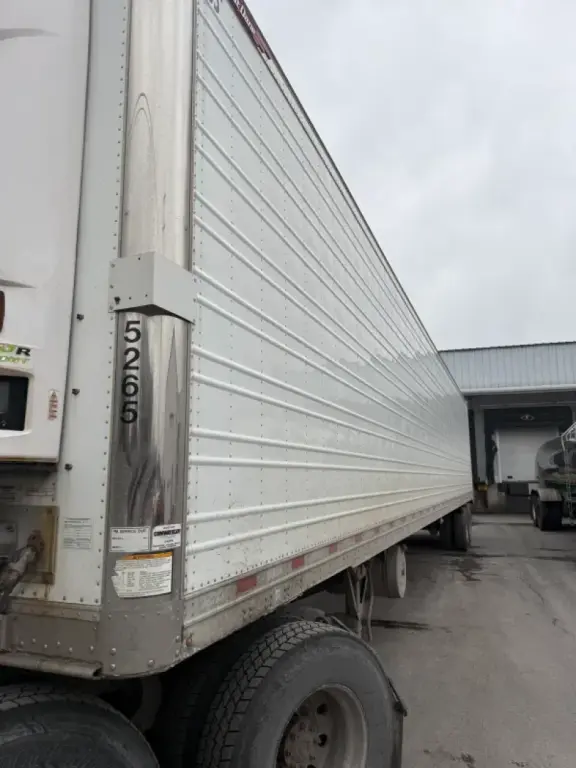
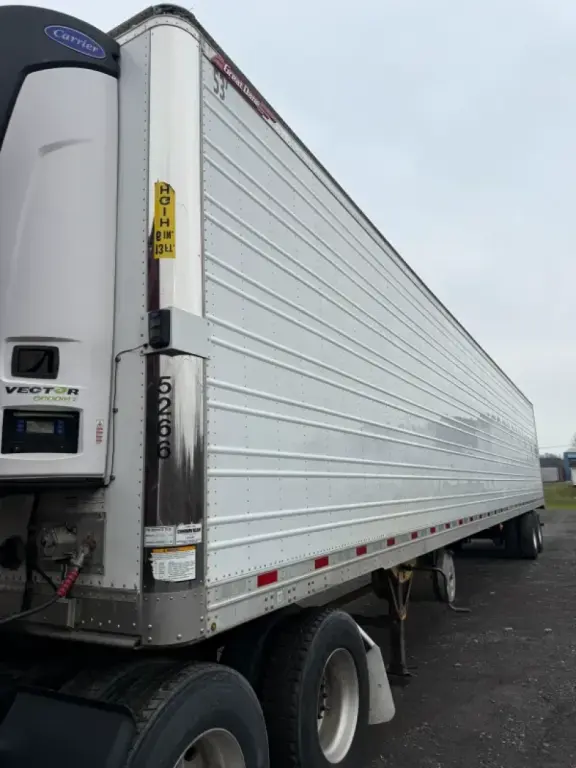

Selling a used 2020 trailer? List your used 2020 trailer for sale and reach thousands of commercial buyers.
Used 2020 Trailers in New York
The 2020 trailer market covers a wide range of equipment classes, including dry vans, refrigerated trailers, flatbeds, drop decks, dump trailers, chassis, and specialized vocational trailers. Dry vans remain one of the most common choices, usually in 48-foot and 53-foot lengths with 102-inch width, swing or roll-up doors, wood or composite floors, and either fixed or slide tandems. Reefer buyers should focus on both the trailer body and the refrigeration unit service history, including engine hours, fuel system condition, and interior wall integrity. Flatbed and step deck buyers should inspect deck condition, main rails, winch track, rub rail wear, and signs of concentrated load damage. Dump and vocational trailer buyers should look closely at hoist condition, tub or body wear, hinge points, gate seals, and hydraulic system leaks.
A 2020 model year trailer may include specs that directly affect payload, maintenance cost, and lane flexibility. Common items worth comparing are air ride versus spring ride suspension, drum versus disc brakes, aluminum versus steel wheel specs, tire size and age, automatic tire inflation systems, trailer telematics, side skirts, lift axles, and trailer composition. On van and reefer trailers, details like scuff liners, logistic posts, translucent or aluminum roofs, duct floors, reefer chute condition, and door frame integrity make a real difference in day-to-day use. On any trailer used in New York, buyers should also verify FHWA and DOT compliance items such as conspicuity tape, ABS function, lighting, mudflap setup, and overall brake condition.
The best used 2020 trailer is not just the cleanest one on first look. It is the unit whose specs match the freight, route profile, and loading environment. A regional dry van doing dense Northeast dock work has different priorities than an over-the-road reefer, a construction dump trailer, or a steel-hauling flatbed. Check GVWR, empty weight, axle configuration, kingpin setting, overall height, and door opening dimensions against the loads you actually move. A careful review of maintenance records, prior fleet use, tire and brake remaining life, and evidence of structural repairs will usually tell you more than appearance alone.
Frequently Asked Questions about Used 2020 Trailers in New York
What should I inspect first on a used 2020 trailer?
Start with the structural items that are expensive to correct. Inspect the frame rails, crossmembers, suspension hangers, landing gear mounts, tandem slide rails if equipped, brake components, wheel ends, and tire condition. On enclosed trailers, also check the floor, roof, sidewalls, rear frame, and door operation. In New York service, corrosion and winter road exposure can accelerate wear, so rust around the rear sill, wiring, air lines, and slider box deserves close attention.
Is a 2020 trailer considered late-model in the used market?
Yes. A 2020 trailer is still considered a relatively late-model used trailer in many fleet buying cycles. It is often new enough to have current safety equipment, better aerodynamics, and updated component packages, but old enough to avoid the price premium attached to very recent model years. The exact value depends on trailer type, prior application, maintenance history, and remaining life in the tires, brakes, suspension, and body.
Which specs matter most when comparing used 2020 trailers?
The most important specs depend on trailer type, but buyers should consistently compare length, width, height, GVWR, empty weight, axle configuration, suspension type, brake setup, tire and wheel package, floor construction, and trailer body material. For vans and reefers, door opening size, interior width, scuff protection, roof type, and logistics track matter. For flatbeds and dumps, deck or body condition, concentrated load capacity, tie-down equipment, and hydraulic condition are usually more important than cosmetic appearance.
Are used 2020 trailers a good fit for Northeast operations?
They can be a strong fit if the trailer has been maintained correctly and inspected for regional wear. Northeast service puts stress on brakes, suspension, floors, rear frames, and corrosion-prone hardware because of stop-and-go traffic, dock contact, winter salt, and rough pavement. A well-kept 2020 trailer can still offer years of productive service, but buyers should verify that rust, wiring damage, and structural fatigue are not hiding behind a clean exterior.
How do I choose the right trailer type for my freight?
Match the trailer to the cargo first, then to the route and loading environment. Dry vans are standard for palletized dry freight and general dock work. Refrigerated trailers are built for temperature-controlled loads and require attention to both the box and the reefer unit. Flatbeds and step decks fit machinery, steel, and oversized cargo that needs side loading or overhead loading. Dump and vocational trailers are built for aggregates, demolition, and other bulk material applications where body strength, hoist performance, and cycle durability matter most.