
Used 2019 Trailers For Sale in Pennsylvania
Browse used 2019 trailers in Pennsylvania, including dry vans, flatbeds, drop decks, and specialty trailers with buyer-focused specs and insights.
Learn more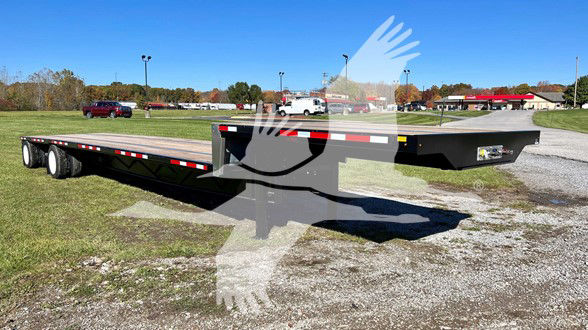
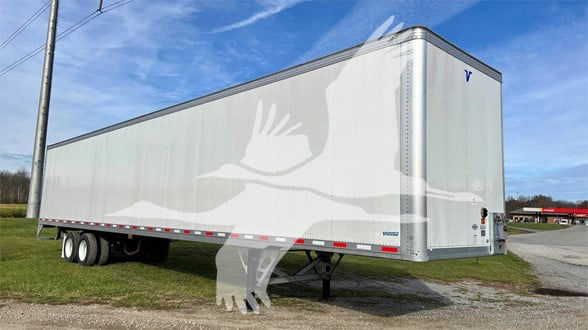
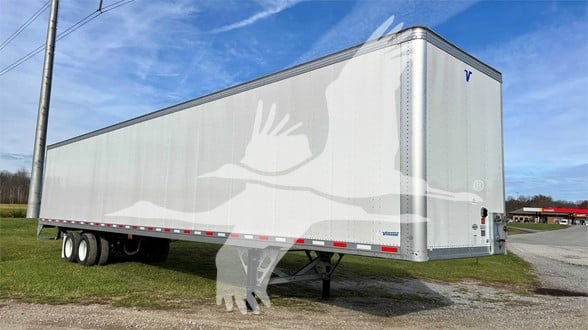
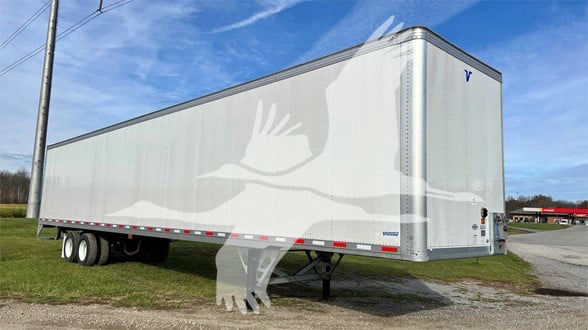
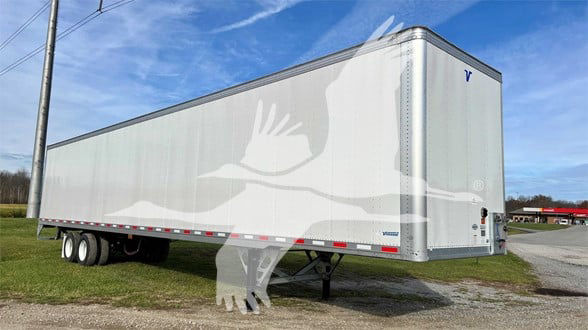
Showing 25 to 36 of 47 results
Have used 2019 trailer to sell? List it here to reach thousands of buyers.
About Used 2019 Trailers in Pennsylvania
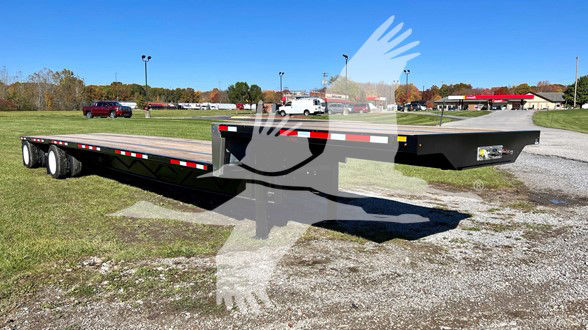
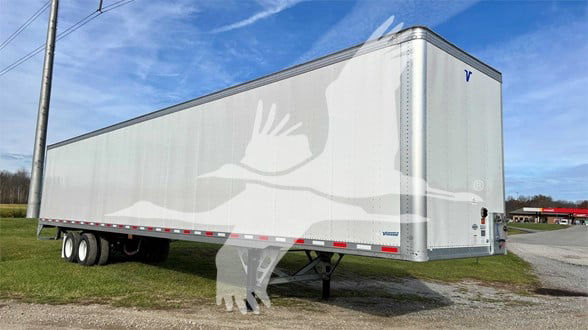
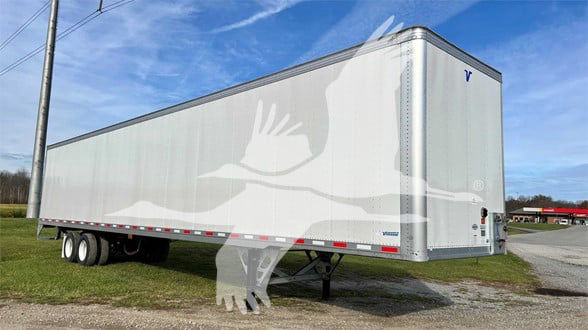
For dry vans, common 2019-era specs include 53-foot length, 102-inch width, swing or roll doors, and air ride suspension. Buyers should pay close attention to interior height, door opening, floor condition, roof bows, scuff liners, logistics posts, and rear frame wear. If the trailer will handle high-cycle dock freight, check for sidewall repairs, crossmember fatigue, and evidence of forklift impact. On flatbeds and drop decks, deck height, main deck length, kingpin setting, winch track placement, sliding winches, flooring material, and axle configuration matter more than brand decals. Steel trailers typically offer durability and lower upfront cost, while aluminum helps maximize payload and resist corrosion, which is a real consideration in Pennsylvania where winter road salt can shorten component life.
Specialty configurations in the 2019 used market can include curtainside or Conestoga-style trailers, extendable flatbeds, and coil package specs. These are worth comparing closely because replacement tarp systems, rollers, bows, and structural components can change the real operating cost quickly. On any used 2019 trailer, inspect suspension type, bushing wear, brake condition, tire size consistency, wheel material, lighting, ABS function, landing gear operation, and signs of frame cracking near slider boxes or suspension hangers. Buyers running bridge-law-sensitive lanes should also confirm axle spacing and spread settings, especially on drop decks and spread-axle flatbeds.
Pennsylvania buyers also need to think about registration, state inspection readiness, and route mix. A trailer that spends most of its time on turnpikes, urban docks, and winter-treated roads needs different priorities than one hauling regional steel, building products, or machinery. A 2019 trailer often sits in a useful middle ground where parts support is straightforward and most specs are familiar to shops, drivers, and dispatch. The best unit is usually the one with the right configuration, a clean maintenance history, and visible structural integrity in the areas that are expensive to repair.
Frequently Asked Questions
What should I inspect first on a used 2019 trailer?
Start with the structure and running gear because those areas drive repair cost fastest. Check the frame rails, crossmembers, suspension hangers, slider assembly if equipped, landing gear mounts, brake system, tire wear pattern, wheel condition, and signs of corrosion. After that, inspect type-specific items such as van floors and door frames, flatbed decking and winch tracks, or curtainside tarp systems and rollers. A used 2019 trailer can still have solid service life left, but hidden structural damage or neglected maintenance changes the value quickly.
Is a 2019 trailer a good year range for fleet use?
For many buyers, yes. A 2019 trailer is new enough to have modern spec options, common replacement parts, and generally familiar systems for fleet maintenance teams. It is also old enough to price below newer late-model equipment, which can make total cost of ownership more attractive if the trailer has been maintained properly. The key is not just the year but how the trailer was used, what freight it carried, and whether wear points like floors, suspension components, and rear frames have been kept up.
Which 2019 trailer type is best for Pennsylvania freight?
That depends on the freight lane and loading environment. Dry vans fit general freight and dock freight well, especially in all-weather regional service. Flatbeds and drop decks are common for steel, lumber, machinery, and construction-related freight. Curtainside and Conestoga trailers are useful when cargo needs weather protection but still loads from the side or overhead. In Pennsylvania, road salt, mixed terrain, and dense shipping corridors make corrosion resistance, suspension condition, and brake health especially important regardless of trailer type.
What specs matter most on a used 2019 flatbed or drop deck?
Deck dimensions, loaded deck height, axle layout, kingpin setting, flooring, winch equipment, and suspension spec are usually the first things to verify. Buyers should also look at whether the trailer has a coil package, chain tie-down points, tool storage, and the right spread setting for their routes. On drop decks, top deck length and main deck length affect what freight can actually be loaded legally and efficiently. Those details matter more in day-to-day use than the badge on the nose.
How important is corrosion on a used trailer in the Northeast?
It is a major value factor. Pennsylvania and surrounding states expose trailers to winter salt, moisture, and frequent temperature changes, which can accelerate rust on steel components and damage wiring, lighting connections, fasteners, and brake hardware. Surface rust is common, but heavy scaling on crossmembers, rear impact guards, suspension mounts, and landing gear supports deserves close attention. Corrosion can turn an otherwise usable 2019 trailer into a high-maintenance asset if it has already advanced into structural areas.