
Used 2019 Trailers For Sale in New York
Showing 25 to 25 of 25 results
Have used 2019 trailer to sell? List it here to reach thousands of buyers.
Used 2019 Trailers in New York
Dry van trailers from this model year are commonly found in 48-foot and 53-foot lengths, with 102-inch width and 13-foot 6-inch overall height as standard fleet dimensions. Buyers should pay close attention to trailer composition, floor type, suspension, and rear door configuration. Aluminum sheet-and-post construction helps with tare weight, while combo aluminum-steel builds can balance durability and repair cost. Wood-over-steel floors remain common and matter if the trailer will see heavy pallet jack traffic. Roll-up doors can be useful in city delivery and dock operations, while swing doors are simpler and often easier to maintain in long-haul use. Sliding tandems are still one of the most important specs for Northeast compliance and load distribution flexibility.
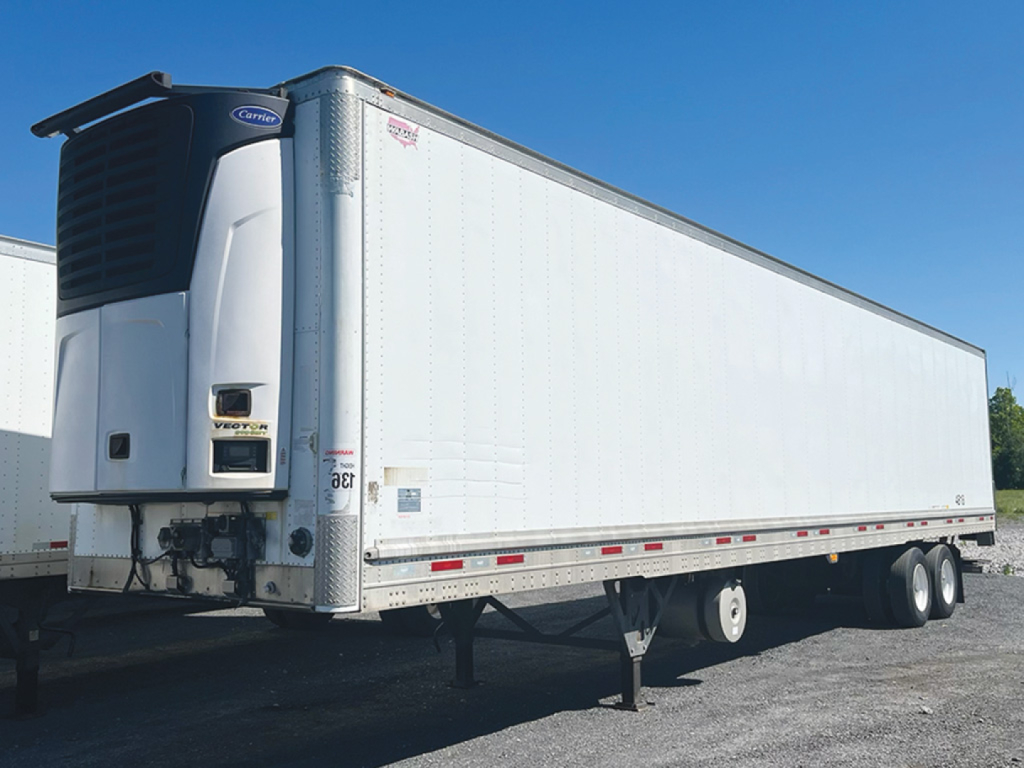
For reefer buyers, a used 2019 trailer can offer a good middle ground between equipment age and refrigeration technology. Multi-temp and single-temp units from this period often include Thermo King or Carrier systems, scuff liners, flat or ducted floors, E-track, stainless door frames, and side skirts. Refrigeration hours, service history, evaporator condition, insulation integrity, and door seal condition matter as much as the trailer shell itself. In New York service, buyers should also inspect crossmembers, rear frame sections, slider rails, and wiring for corrosion or winter-road exposure. Tire size, wheel type, brake setup, and ABS status should all be verified before putting a trailer into a fleet rotation.
The best used 2019 trailer choice depends on freight type, lane density, and maintenance priorities. A shipper handling general palletized freight may prioritize a clean dry van with sound floor structure and strong rear frame condition. Cold-chain operations will care more about reefer unit performance, bulkhead setup, interior liner condition, and fuel efficiency. Buyers running regional freight around New York City, the Hudson Valley, Long Island, or upstate distribution lanes should also consider door opening dimensions, axle spread or tandem adjustment, and the practical impact of suspension type on cargo protection and tire wear. A careful review of GVWR, empty weight, dimensions, and structural condition usually tells more than the badge on the nose.
Frequently Asked Questions about Used 2019 Trailers in New York
What should I look for first on a used 2019 trailer?
Start with structural condition and operating spec. Check the frame, crossmembers, floor, roof, rear frame, suspension mounting points, and tandem slider operation before focusing on cosmetic issues. Then confirm the trailer matches the job with the right length, door style, axle configuration, suspension, and GVWR. On a 2019 trailer, buyers should also inspect lighting, ABS function, tire condition, brake wear, and signs of corrosion from Northeast road use.
Is a 2019 trailer a good age for fleet use?
A 2019 trailer is often considered a practical fleet age because it is modern enough to include current dimensions, common aerodynamic features, and widely supported components, but old enough to avoid the premium attached to newer model years. For many buyers, it sits in the sweet spot between acquisition cost and service life. Actual value depends more on maintenance history, structural condition, and previous application than model year alone.
What are the most common trailer types in this category?
The most common used 2019 trailers are dry vans and refrigerated trailers, also called reefers. Dry vans are used for general freight, retail freight, and dock-to-dock palletized loads. Reefers are built for temperature-controlled freight and may be configured as single-temp or multi-temp units. Depending on the market, buyers may also find pup trailers, storage trailers, and regional specialty configurations with fixed or sliding tandems.
Why does tandem configuration matter on a used trailer in New York?
Tandem configuration affects bridge law compliance, weight distribution, turning characteristics, and dock flexibility. Sliding tandems are especially useful in the Northeast because they let operators adjust axle position for state requirements and customer loading conditions. A fixed tandem or single axle setup may work well for dedicated regional applications, but it gives up some flexibility compared with a standard slider trailer.
What reefer-specific items should buyers inspect on a used 2019 refrigerated trailer?
Beyond the trailer body, inspect the refrigeration unit hours, service records, fuel system, evaporator condition, bulkhead setup, interior lining, floor wear, drain condition, and door seals. A reefer can look clean and still have expensive issues related to cooling performance or insulation loss. Buyers should confirm the unit can hold setpoint under load conditions and check for alarm history, deferred maintenance, and damage around the front wall or ceiling that could affect temperature control.