
Used 2019 Wabash Trailers For Sale in New York
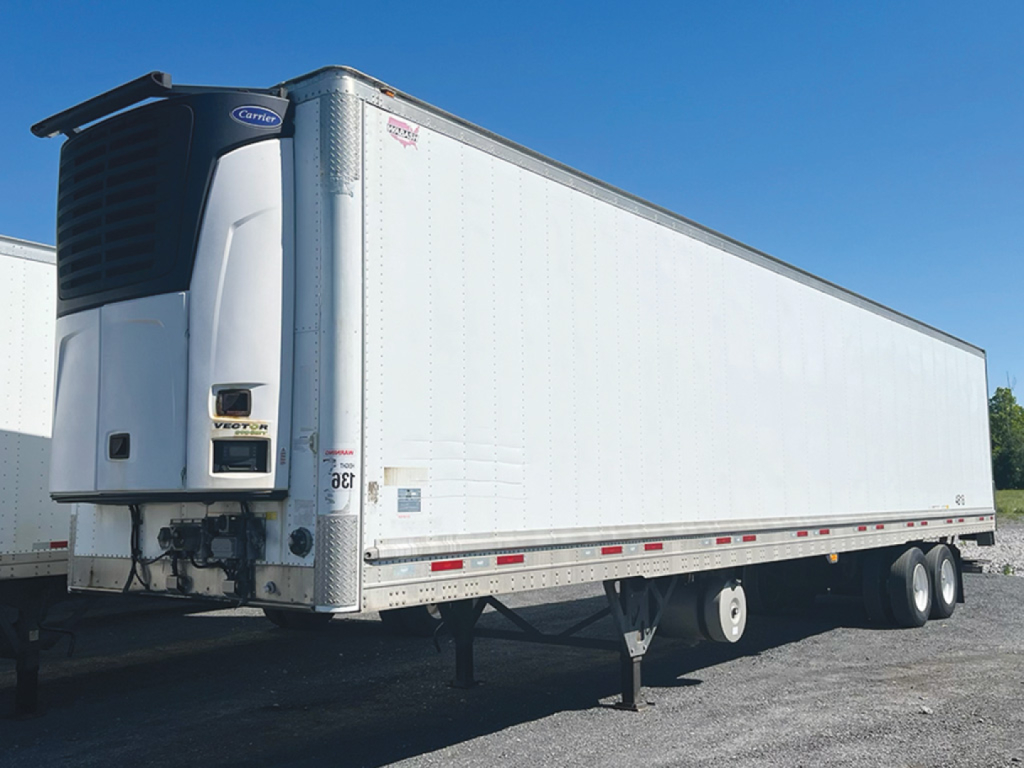

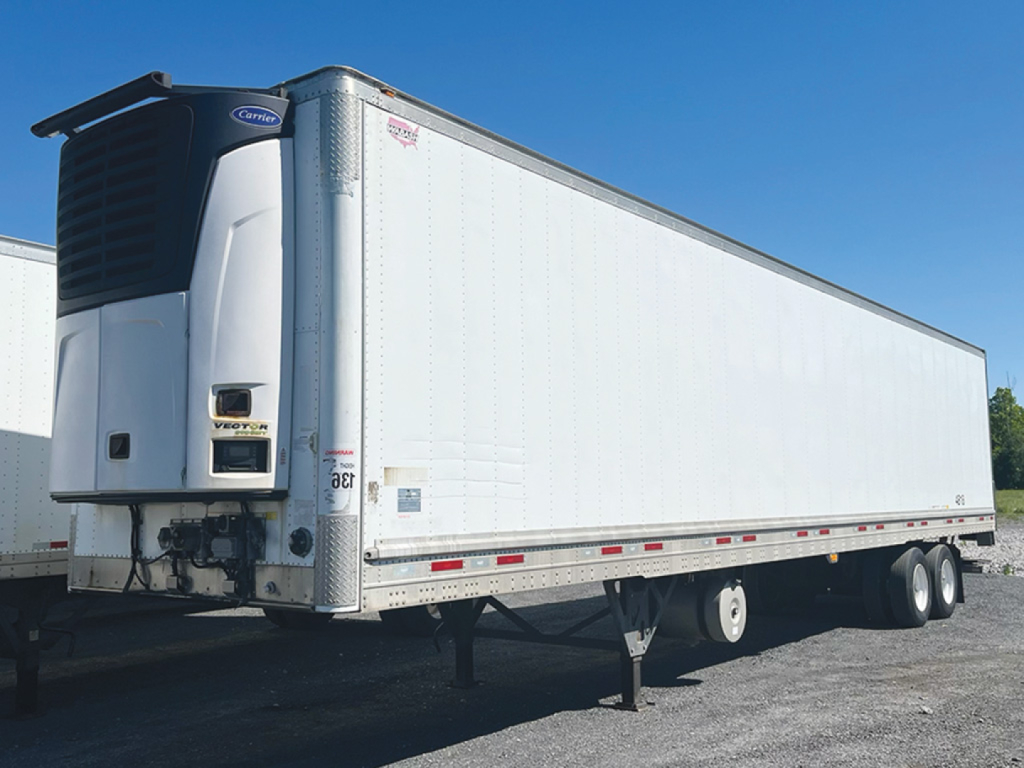
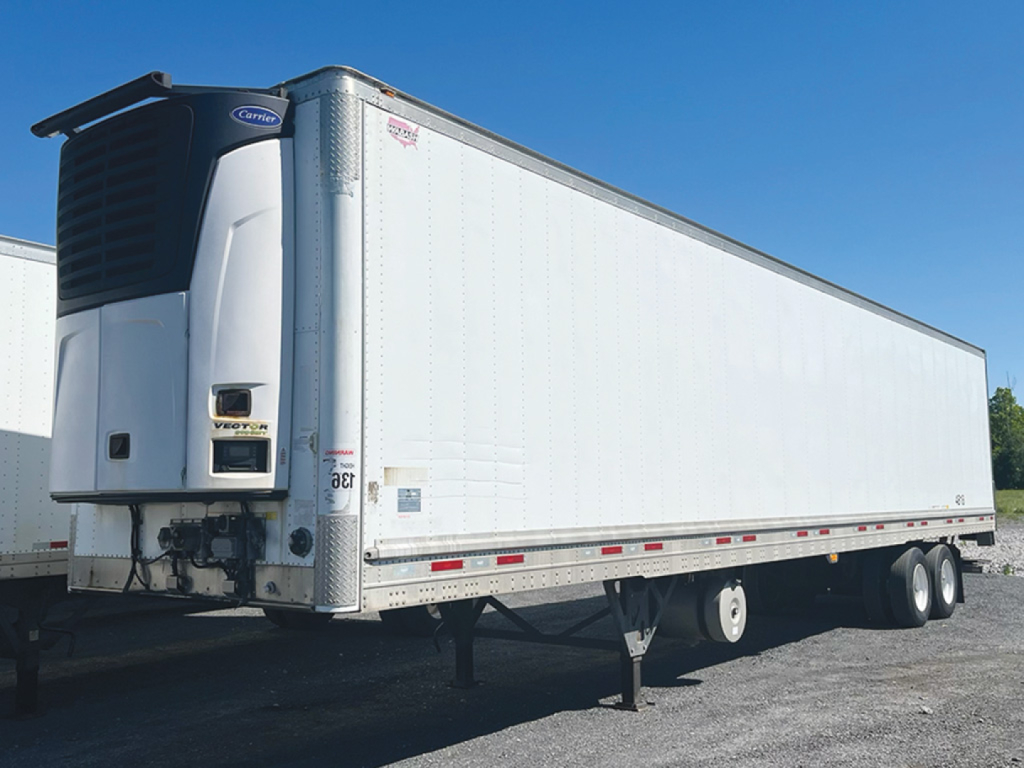
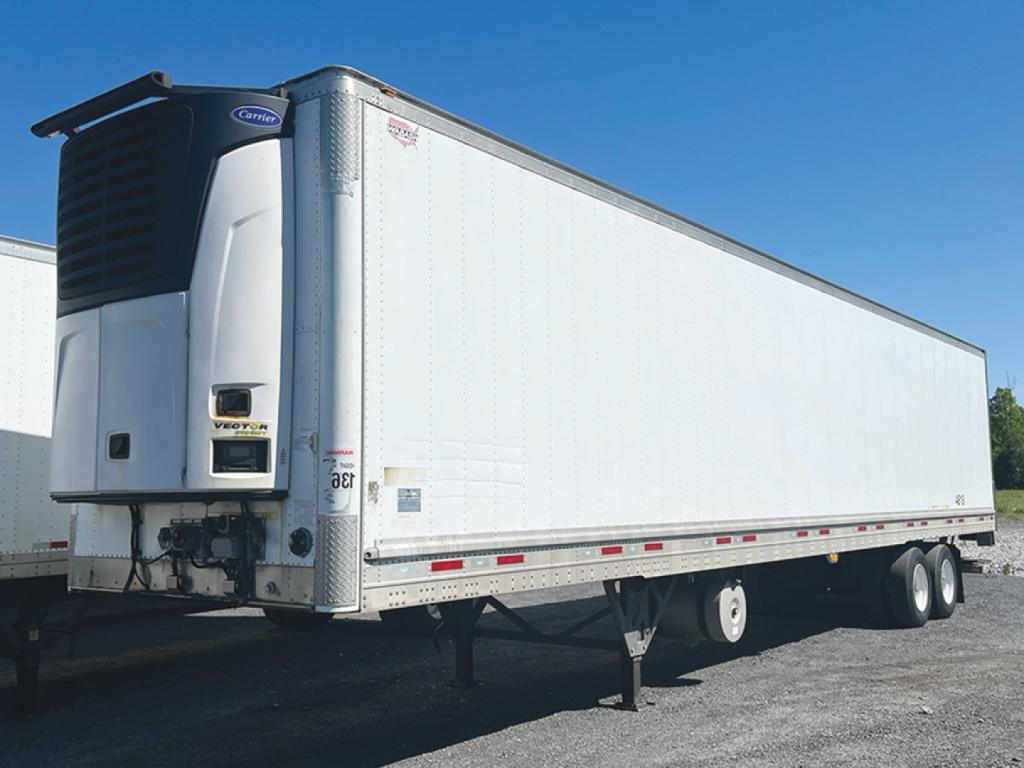
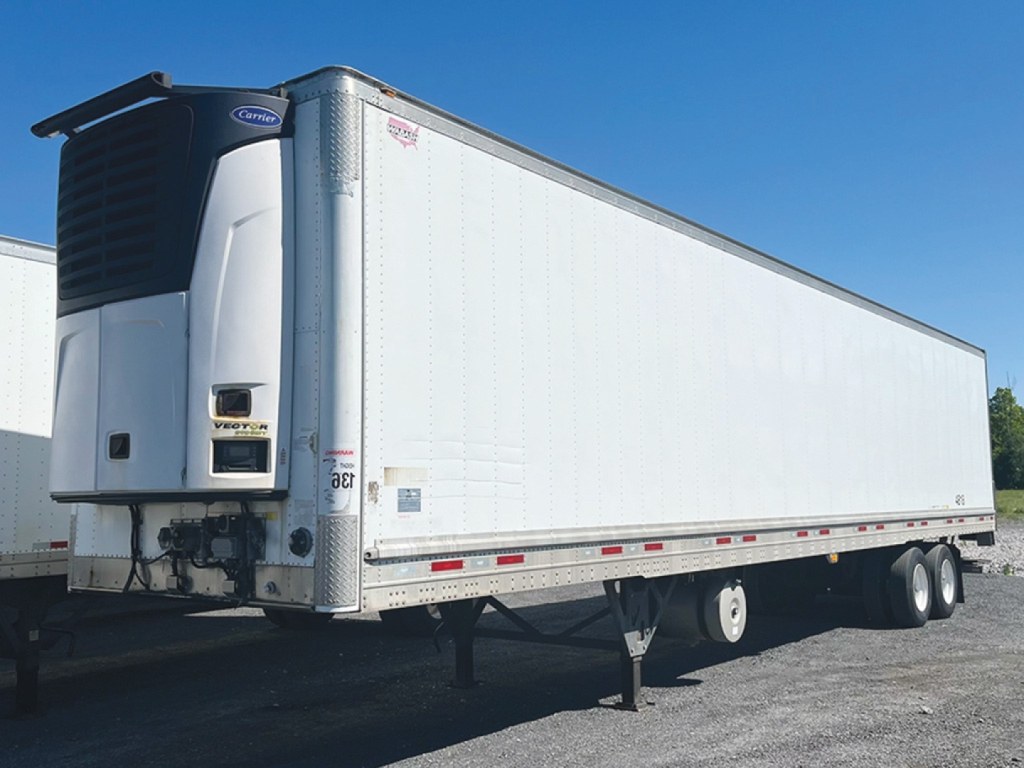
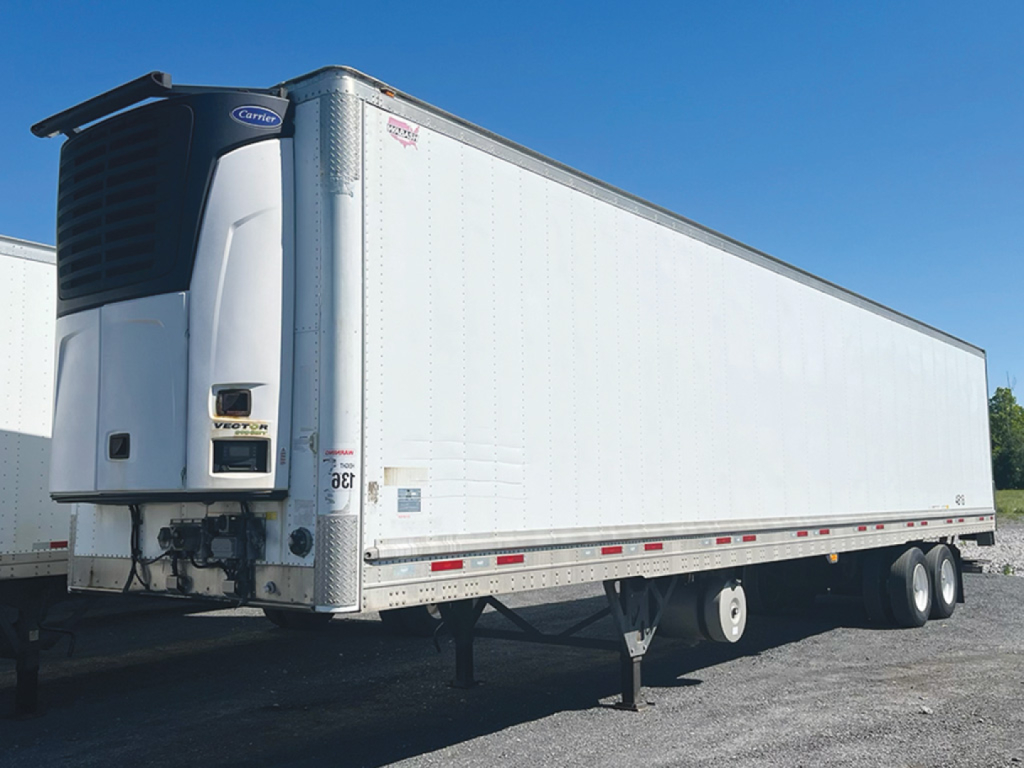
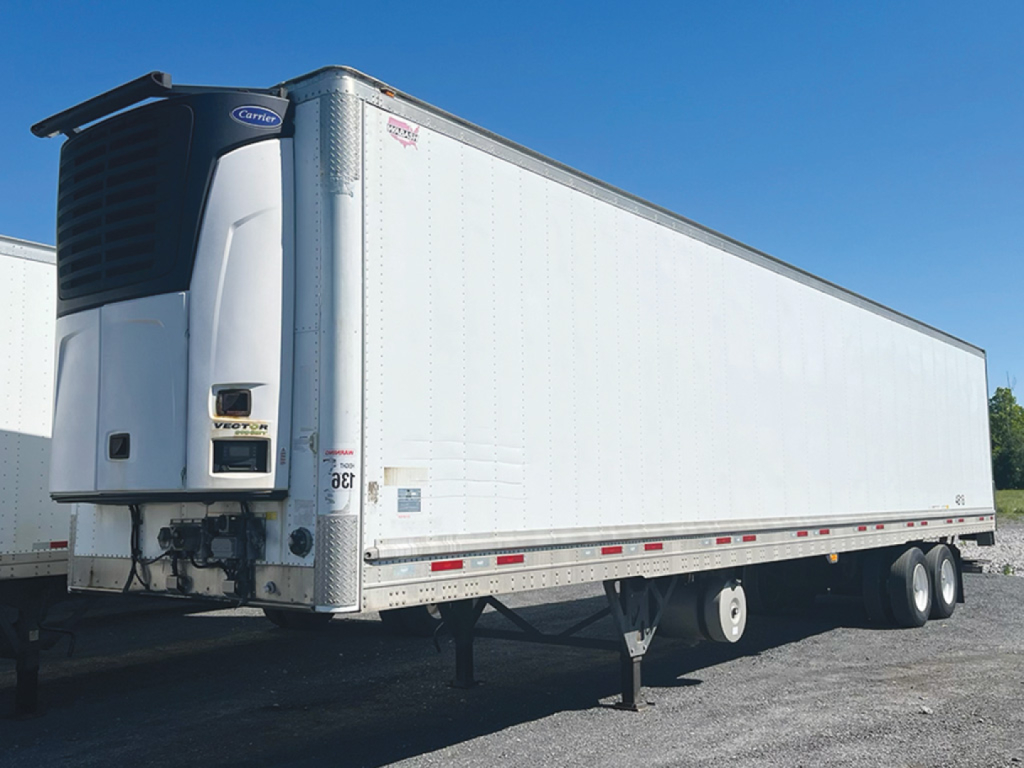
Showing 1 to 24 of 25 results
Have used 2019 wabash trailer to sell? List it here to reach thousands of buyers.
Used 2019 Wabash Trailers in New York
For many buyers, the core decision starts with construction. A 2019 Wabash van trailer will often be built around an aluminum-and-steel combination that balances durability and weight, with common features such as hardwood flooring, scuff liners, aluminum roofs, and steel rear frames. Typical road specs in this class include 53-foot length, 102-inch width, air ride or spring suspension, and either fixed or slideable tandems depending on the application. A slideable tandem matters more in New York and surrounding states where bridge laws, dock approach angles, and axle split requirements can influence how practical a trailer is day to day. Roll-up doors are often preferred in multi-stop urban work, while swing doors can still appeal to operations prioritizing simplicity, opening clearance, and lower repair costs.
Condition matters more than brand reputation on a used trailer, so inspection points should be specific. Buyers should look closely at crossmembers, floor wear from pallet jack traffic, rear frame and threshold condition, side sheet damage, roof repairs, and signs of chronic leak history. Check suspension wear, axle alignment, brake condition, wheel-end maintenance, and tire age, not just tread depth. On a 2019 unit, it is also worth confirming the status of trailer ABS, lighting systems, tire inflation system components if equipped, and any aerodynamic equipment such as side skirts that may have seen curb contact or snow damage. In New York service, corrosion exposure from winter road treatment makes undercarriage inspection especially important.
A used 2019 Wabash trailer can make sense for carriers running general dry freight, parcel support, food packaging, consumer goods, or dedicated contract lanes where cube, uptime, and dock compatibility matter more than specialized body features. Buyers comparing listings should weigh empty weight against floor rating, kingpin setting, suspension type, and maintenance history rather than just price. A cleaner late-model trailer with straight rails, sound doors, documented brake work, and a dry body usually delivers better long-term value than a cheaper unit that needs floor, tire, and structural attention right away.
Frequently Asked Questions about Used 2019 Wabash Trailers in New York
What should I check first on a used 2019 Wabash trailer?
Start with structural and operating condition. Inspect the floor, crossmembers, rear frame, roof, sidewalls, door hardware, suspension, brakes, tires, and wheel ends. On a New York trailer, corrosion underneath deserves extra attention because road salt can shorten the life of fasteners, air lines, and steel components even when the trailer still looks presentable from the outside.
Are 2019 Wabash trailers typically good for regional and urban freight?
Yes. A 2019 Wabash dry van is commonly used in regional freight, retail distribution, and dock-to-dock work because it offers standard dimensions, familiar parts support, and good compatibility with common warehouse operations. If the trailer will run tighter city lanes or frequent multi-stop routes, tandem slide, suspension condition, and door configuration become especially important.
Why does tandem setup matter on a used Wabash trailer in New York?
Tandem setup affects bridge compliance, weight distribution, and maneuverability. A slideable tandem gives more flexibility for axle positioning when loads vary or when operating across states with different enforcement patterns and bridge formulas. For many Northeast operations, that flexibility is a practical advantage over a fixed tandem trailer.
What are common specs on a 2019 Wabash dry van trailer?
Common specs in this class include a 53-foot trailer length, 102-inch width, air brakes, tandem axles, and aluminum-steel construction. Many units also have hardwood floors, scuff liners, roll-up or swing rear doors, and aerodynamic side skirts. Actual specifications vary by original fleet order, so buyers should confirm suspension type, kingpin setting, floor rating, and door opening dimensions on each unit.
Is a lighter trailer always the better buy?
Not always. Lower tare weight can improve payload, but overall value depends on how the trailer was built and maintained. A slightly heavier trailer with stronger floor structure, better repair history, straighter body condition, and sound running gear can be a better business decision than a lighter unit that needs immediate structural or brake work.