
Used 2019 Wabash Trailers For Sale
Browse used 2019 Wabash trailers, including dry vans and reefers, with specs on dimensions, suspension, floors, doors, and fleet-ready options.

Selling a used 2019 wabash trailer? List your used 2019 wabash trailer for sale and reach thousands of commercial buyers.
Used 2019 Wabash Trailers
Frequently Asked Questions about Used 2019 Wabash Trailers
What should I look for first on a used 2019 Wabash trailer?
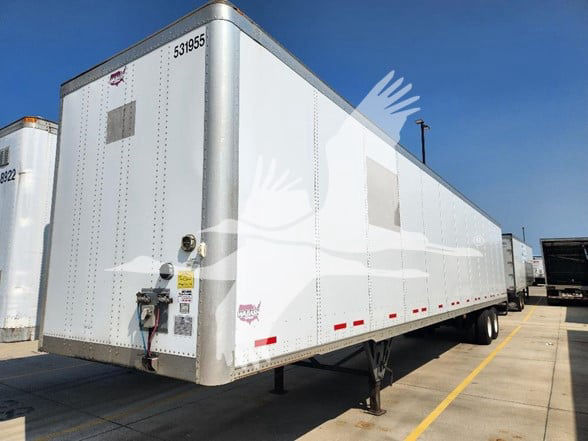
Start with the trailer category and the original fleet spec. On a 2019 Wabash, that usually means confirming whether it is a dry van or reefer, then checking length, inside height, suspension type, tandem setup, floor condition, door style, and wheel-end spec. Dry vans often use composite sidewalls such as DuraPlate construction, while reefers add insulation, stainless front and rear components, and refrigerated floor systems. A clean maintenance history and evidence of prior structural repairs matter as much as the base spec.
Are 2019 Wabash trailers typically dry vans or reefers?
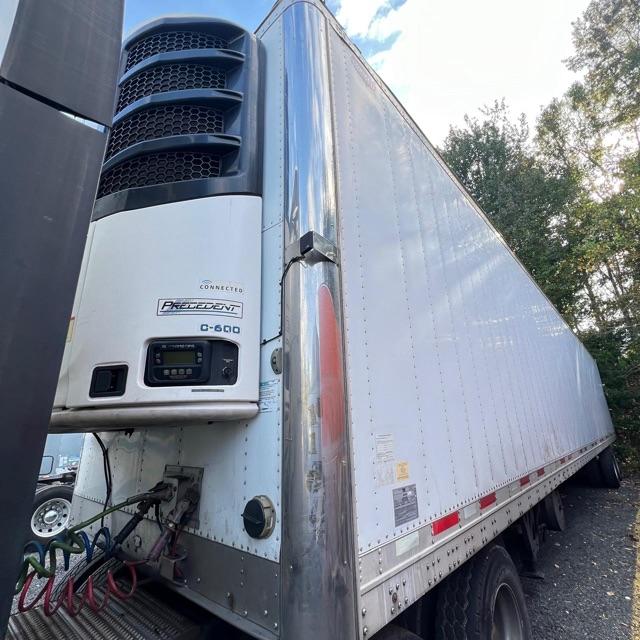
They are commonly found in both configurations. Wabash has a strong presence in 53-foot dry vans for general freight and in refrigerated trailers for grocery, foodservice, and cold-chain hauling. Dry vans are generally simpler and less expensive to maintain, while reefers require closer inspection of the insulation package, lining, door seals, duct floor, and refrigeration unit hours and service records.
What suspension and tandem setups are common on 2019 Wabash trailers?
Air ride suspension and sliding tandems are very common on late-model Wabash highway trailers because they give fleets flexibility on axle weight distribution and loading dock positioning. Some regional or specialized specs may vary, but a sliding tandem remains the standard on most 53-foot van and reefer applications. Buyers should inspect slider rails, locking pin operation, suspension bushings, air bags, shocks, and axle alignment because these areas directly affect tire wear and trailer tracking.
How important is floor and wall condition on a used Wabash van or reefer?
It is one of the most important parts of the inspection. On a dry van, check the wood floor for rot, patching, delamination, fastener pull-through, and forklift damage near the threshold and along the main travel path. On a reefer, inspect the aluminum duct floor for crushing, cracks, and blocked air channels, and look at the interior liner, scuff liners, and door frame for impact damage. Wall condition matters because hidden repairs or punctures can affect structural integrity, cargo protection, and resale value.
Do 2019 Wabash trailers commonly come with fleet options that improve operating costs?
Yes. Many 2019 Wabash trailers were ordered with options aimed at fuel economy, cargo protection, and uptime. Common examples include side skirts, tire inflation systems, aluminum wheels, stainless steel rear frames, threshold plates, scuff liners, and air ride suspension. On reefer models, buyers may also see cold chutes, stainless interior components, and popular refrigeration units from Carrier or Thermo King. These options can improve durability and operating efficiency, but they should still be evaluated for wear, damage, and compatibility with your lane and maintenance program.