
Used 2018 Trailers For Sale in Texas
Browse used 2018 trailers for sale in Texas, including dry vans, reefers, and flatbeds with specs, dimensions, suspension, and axle details.
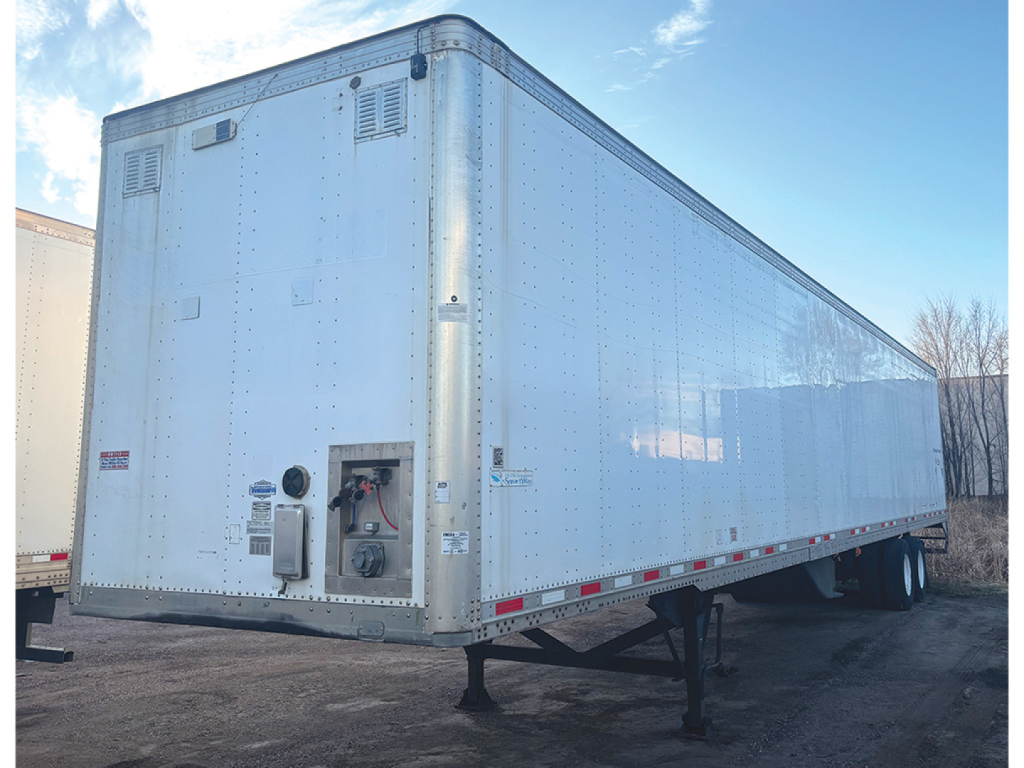
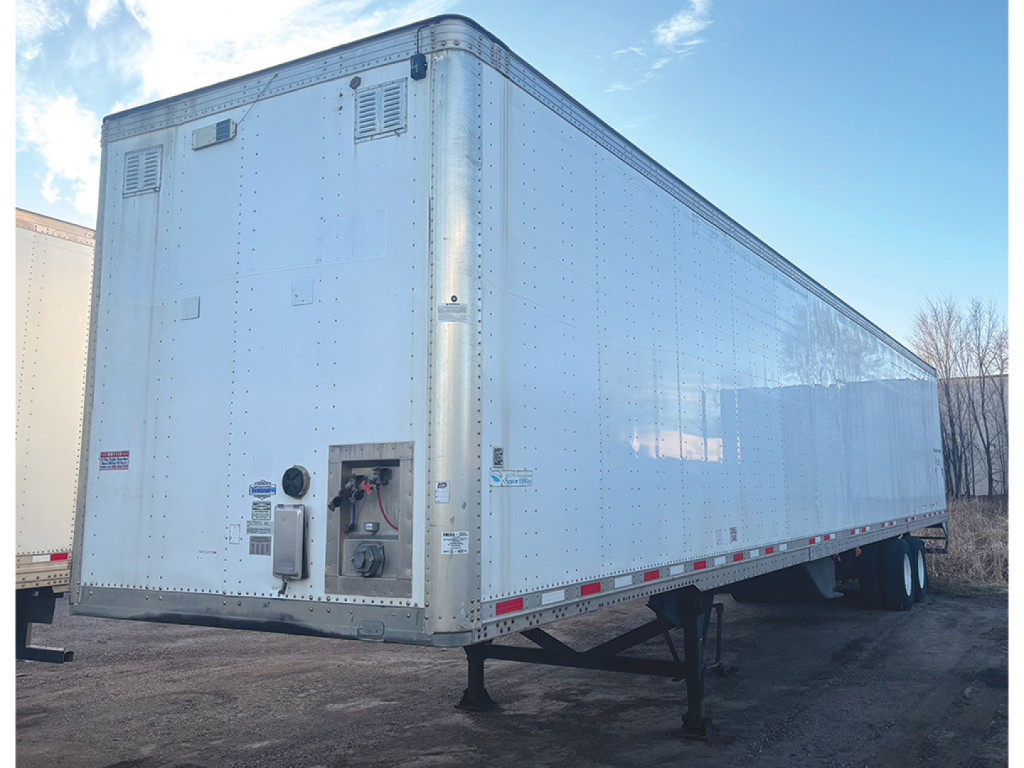
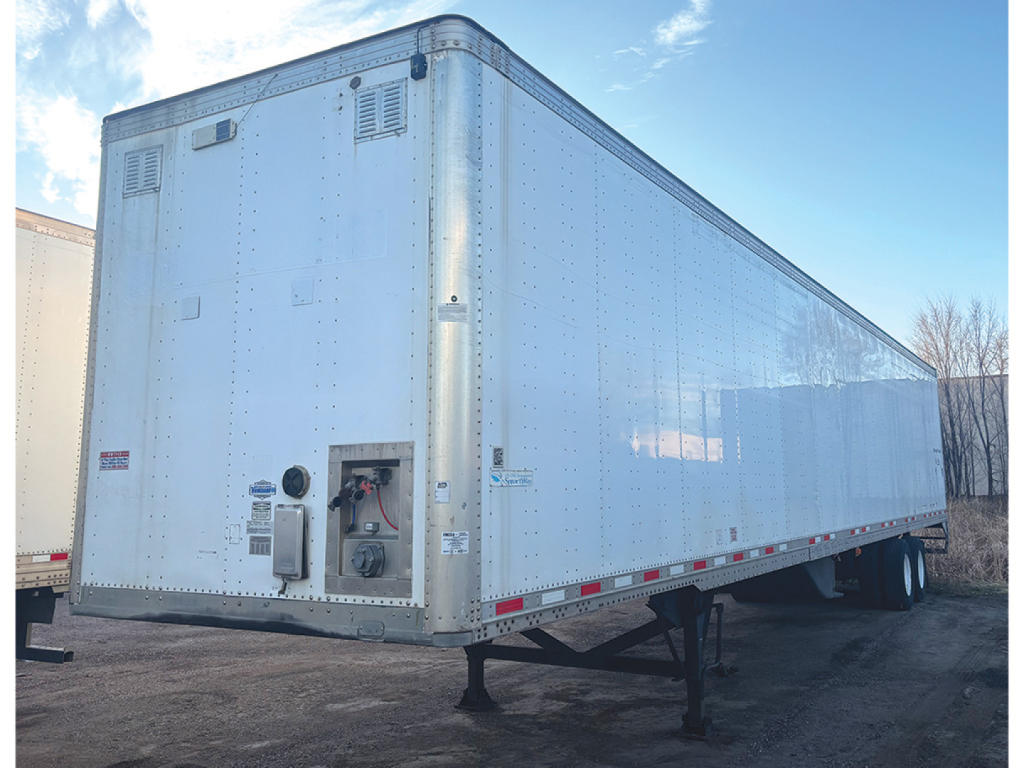
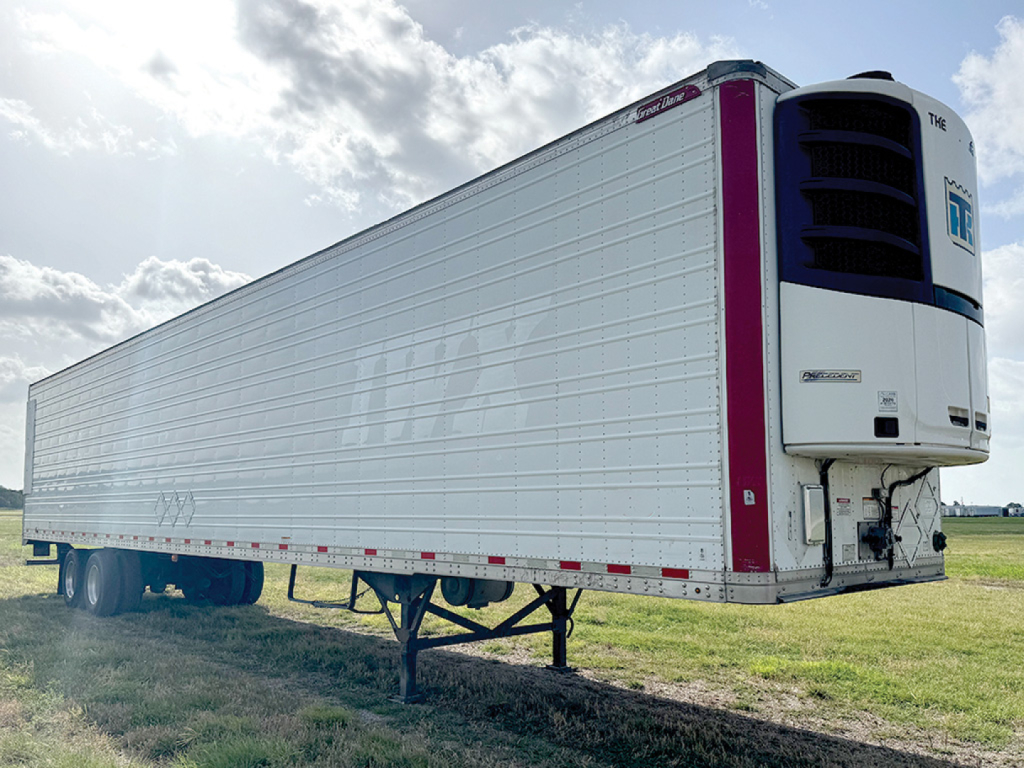
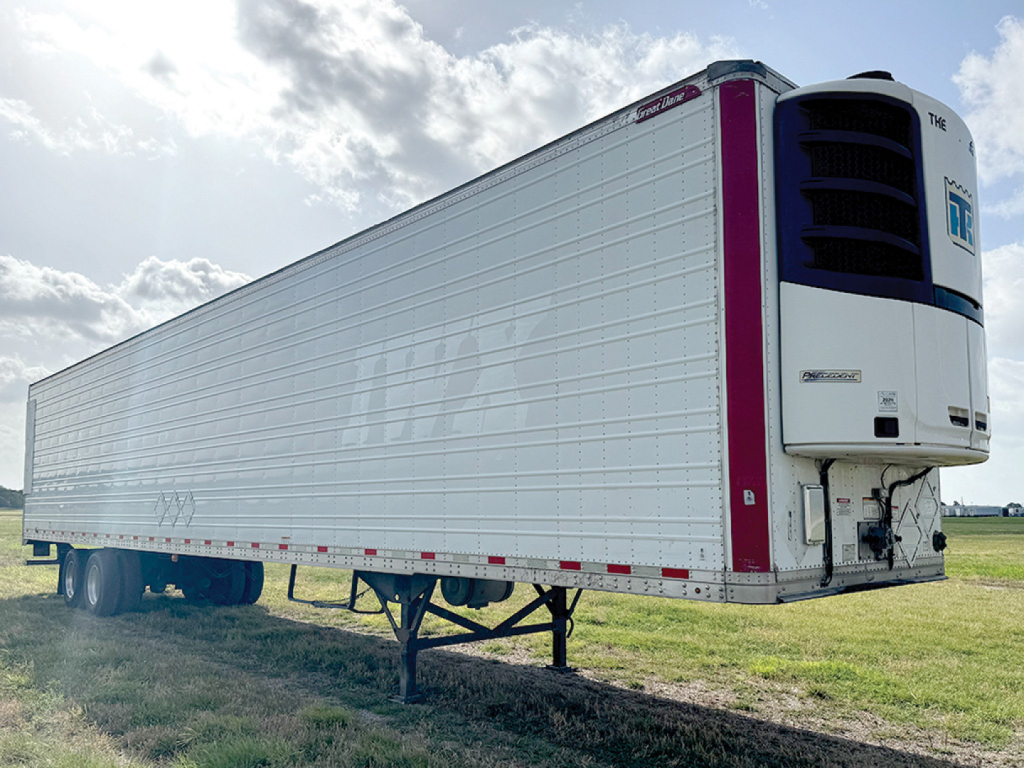
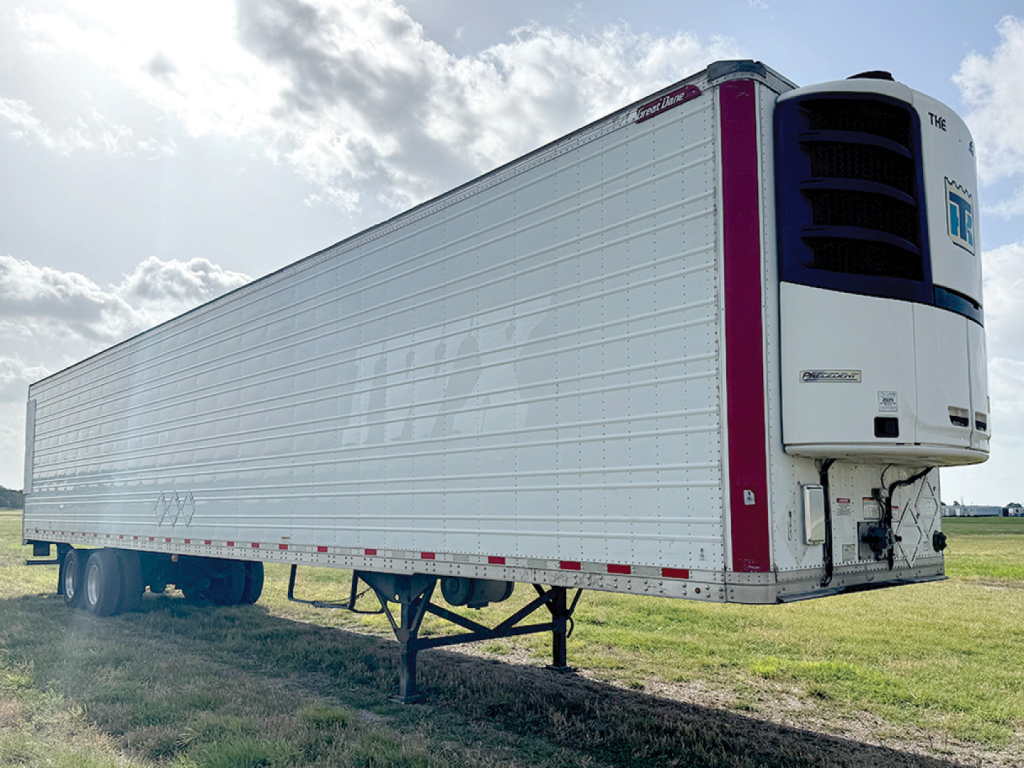
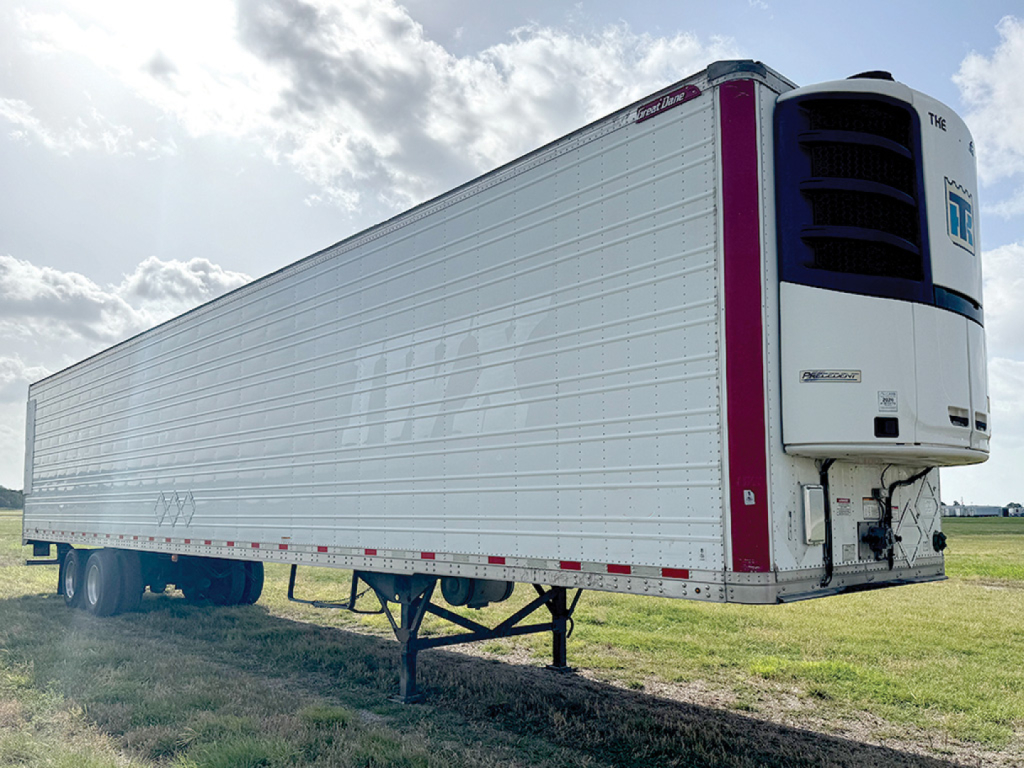

Showing 1 to 24 of 25 results
Have used 2018 trailer to sell? List it here to reach thousands of buyers.
Used 2018 Trailers in Texas
For dry van buyers, key checkpoints include wall construction, roof condition, crossmember integrity, door type, and interior securement. Wood floors remain common and are serviceable when they have not been overloaded or patched excessively, while logistics posts and E-track add versatility for mixed freight. Sliding tandems matter for bridge law compliance and dock positioning, especially in Texas lanes that may mix urban deliveries with longer interstate runs. Swing doors are still preferred for many dock applications, while roll-up doors can make sense in route delivery or tighter spaces, though they reduce some rear opening height.
For reefer shoppers, the trailer body and the refrigeration system need to be evaluated as a package. A 2018 reefer may be set up for single-temp or multi-temp work, and that decision changes its fit for grocery, foodservice, produce, and pharmaceutical freight. Inspect the unit hours, service history, evaporator layout, chute condition, floor type, scuff liners, and door seals. Features like stainless front radius panels, stainless rear frames, side skirts, tire inflation systems, and disc brakes can add durability or reduce operating cost, but buyers still need to confirm insulation integrity and look for signs of prior impact damage or moisture intrusion.
Flatbed buyers in the 2018 range should focus on deck composition, winch track setup, axle spread, and tare weight. Aluminum and steel combo trailers are popular because they balance payload and durability, while all-aluminum designs can help maximize legal weight on dense freight. Nail strips, double spool winches, tool boxes, and air ride suspension are common features that matter on steel, building materials, machinery, and general commodity work. Across all trailer types, Texas buyers should also verify title status, VIN tags, brake wear, tire date codes, wheel-end condition, kingpin wear, frame alignment, and signs of corrosion around crossmembers, slider rails, and rear structure before committing to a used 2018 trailer.
Frequently Asked Questions about Used 2018 Trailers in Texas
What should I check first on a used 2018 trailer?
Start with the structure and running gear. Inspect the frame, crossmembers, suspension, slider assembly, kingpin area, brakes, wheel ends, and tires before focusing on appearance. On vans and reefers, look for roof leaks, floor damage, and rear frame repairs. On flatbeds, inspect the deck, main rails, and winch track. A clean-looking trailer can still have expensive structural or alignment issues, so condition matters more than paint or decals.
Is a 2018 trailer still a good age for fleet or owner-operator use?
A 2018 trailer can still be a practical buy if it has been maintained correctly and matches the intended application. It is new enough that many units may still have modern specs like disc brakes, tire inflation systems, side skirts, logistics posts, or air ride suspension, but old enough that condition will vary widely by prior use. A regional grocery reefer, a drop-and-hook dry van, and a heavy-haul flatbed can age very differently even in the same model year.
What trailer types are most common in the used 2018 market in Texas?
Dry vans, refrigerated trailers, and flatbeds are among the most common used 2018 trailers seen in Texas. Dry vans fit general freight, consumer goods, and palletized shipments. Reefers serve food, beverage, and temperature-controlled freight. Flatbeds handle construction materials, steel, machinery, and oversized loads that cannot be loaded through a dock door. The best fit depends on freight profile, lane mix, and loading method.
What specs matter most on a used 2018 reefer trailer?
The most important reefer specs are refrigeration unit model, engine hours, service records, temperature configuration, insulation condition, interior dimensions, and floor design. Multi-temp setups can support more specialized freight but add complexity. Buyers should also check door seals, chute condition, scuff protection, and any signs of water intrusion or previous impact damage. A sound trailer body is just as important as the reefer unit itself.
Why do sliding tandems and suspension type matter on a used trailer?
Sliding tandems affect weight distribution, bridge compliance, and maneuverability at docks and in tight yards. Suspension type affects ride quality, cargo protection, and maintenance patterns. Spring ride remains common and simple to maintain, while air ride is often preferred for sensitive freight and improved ride control. On any used 2018 trailer, the slider rails, locking pins, bushings, and suspension components should be checked for wear and damage because those items directly affect safe operation.