
Used 2018 Trailers For Sale in Colorado
Browse used 2018 trailers in Colorado, including dry vans, reefers, flatbeds, and dumps with specs that matter for freight, axle setup, and condition.
Learn more
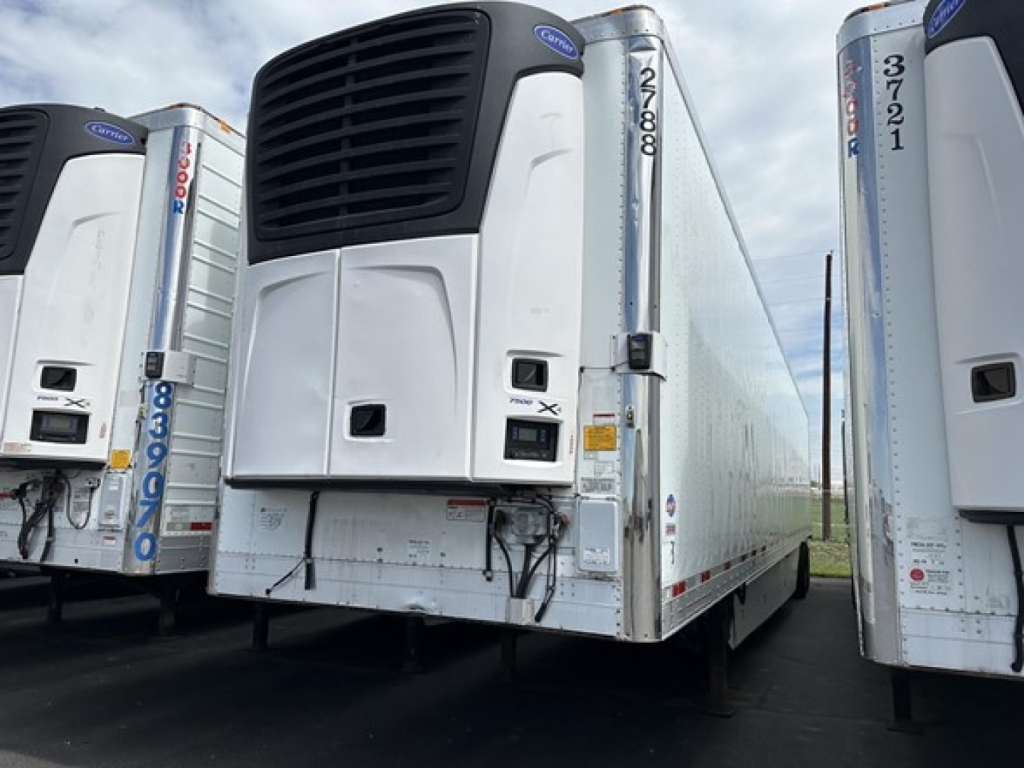
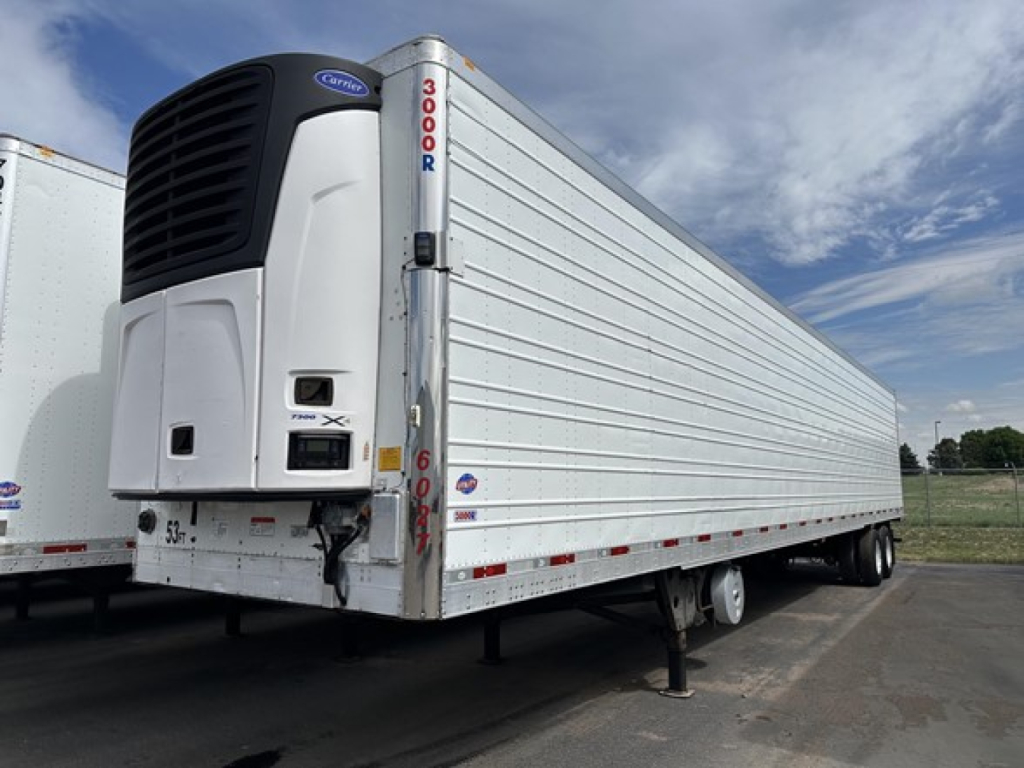
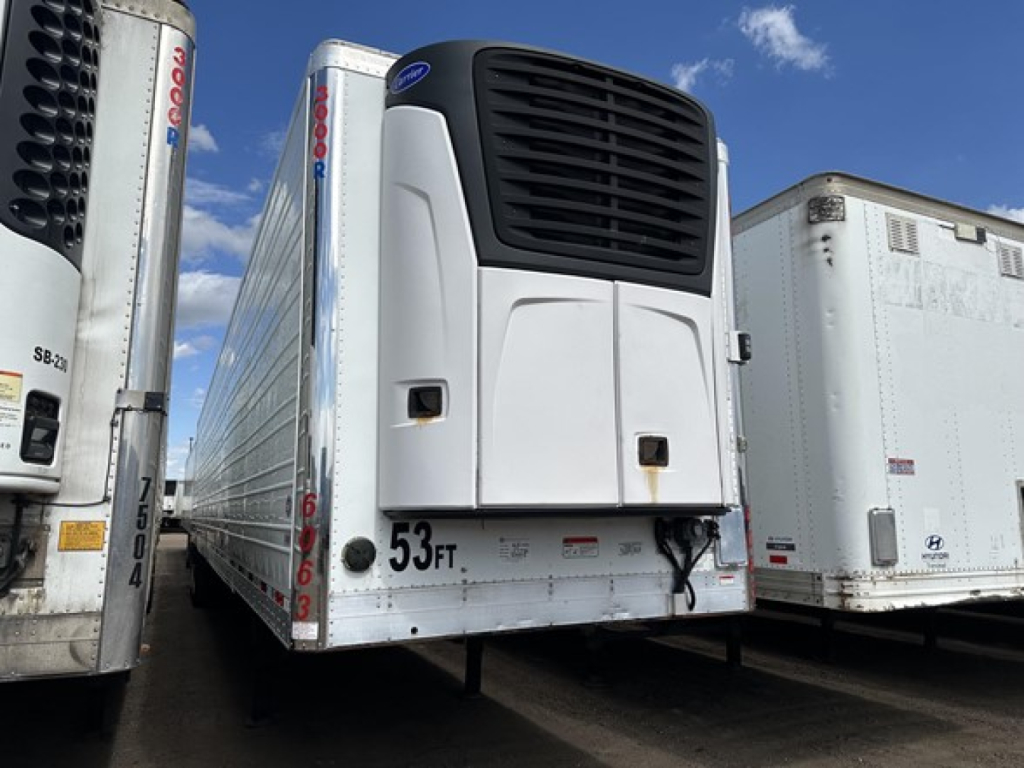
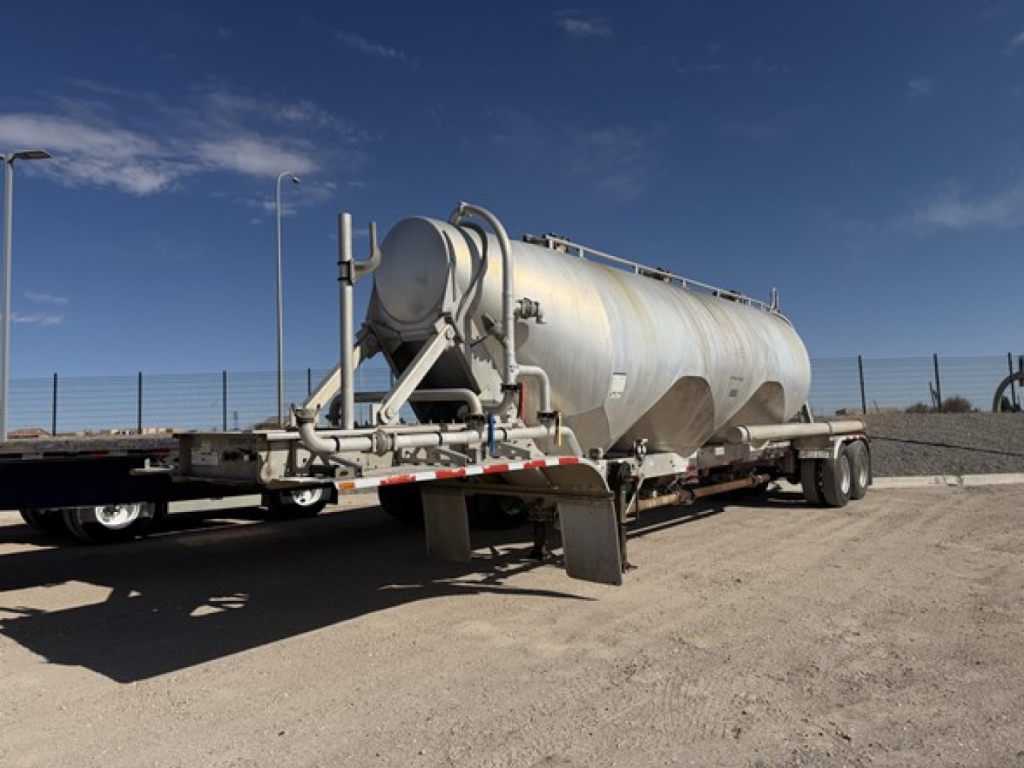
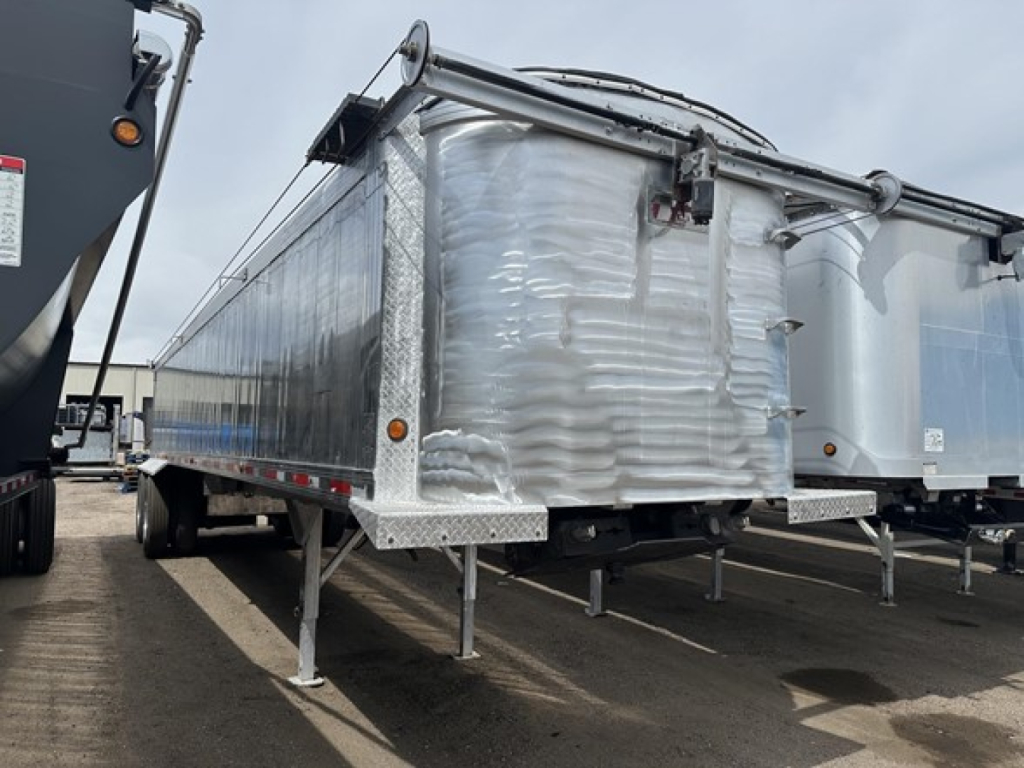
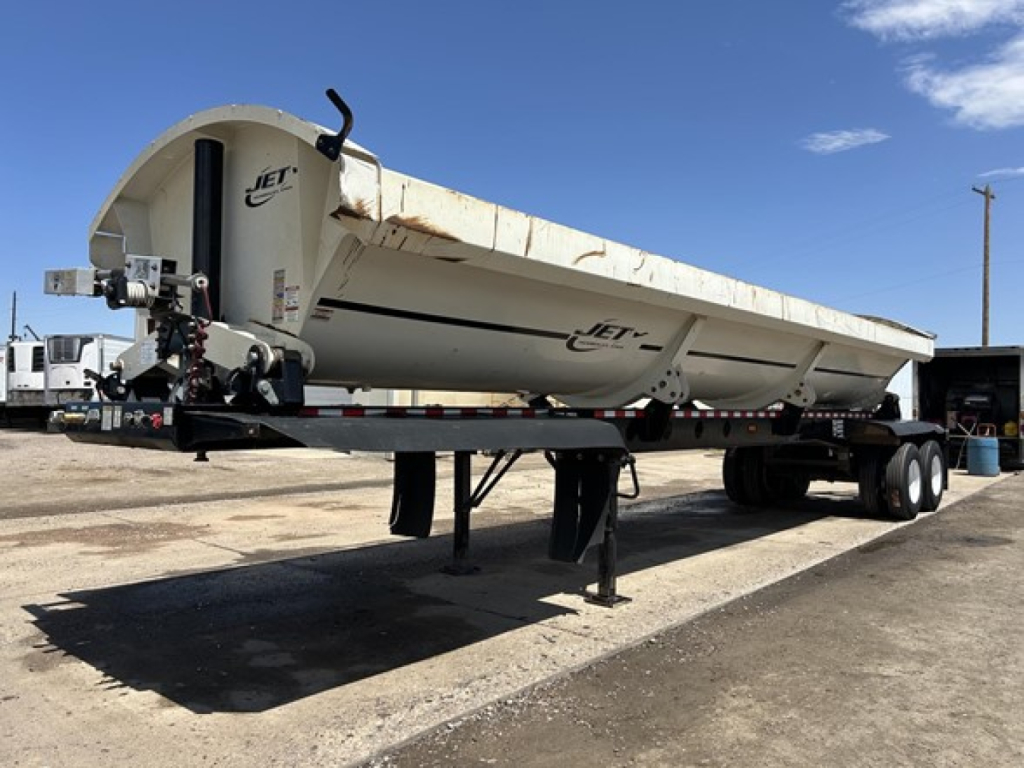
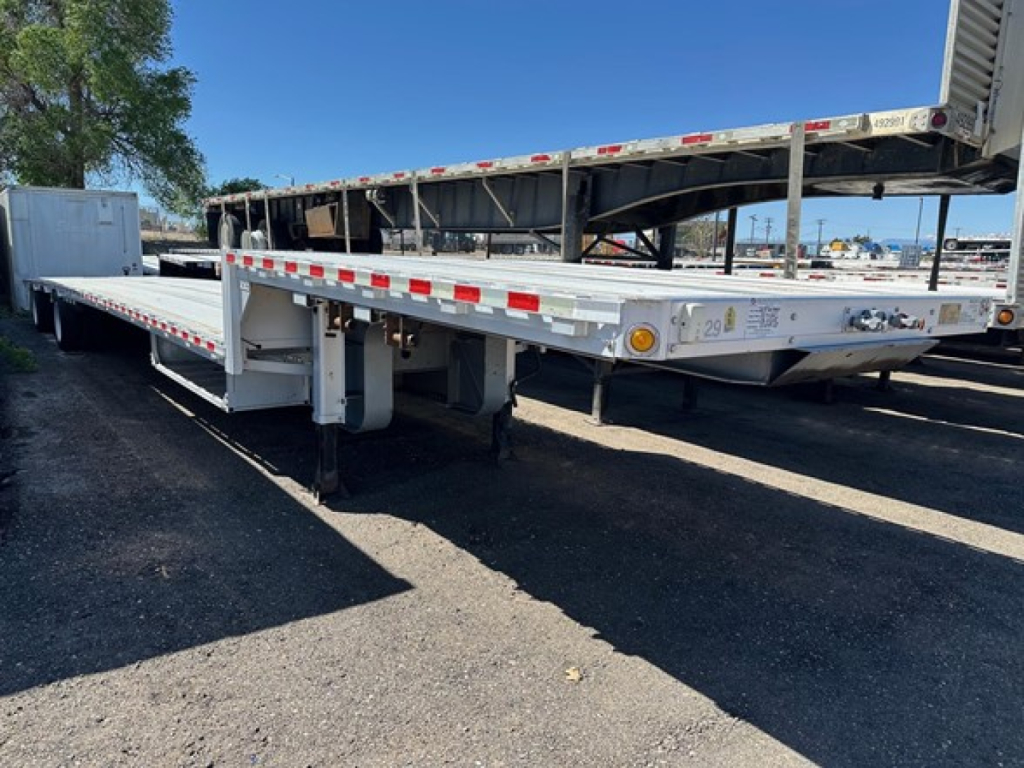
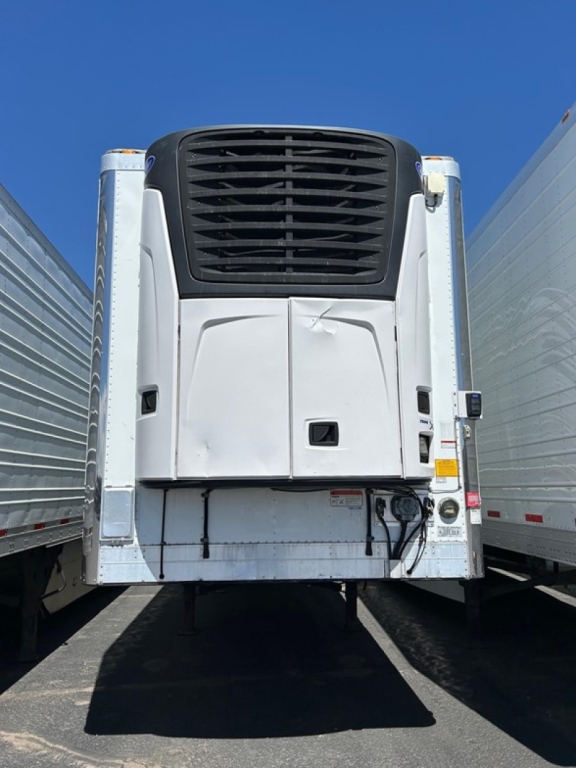
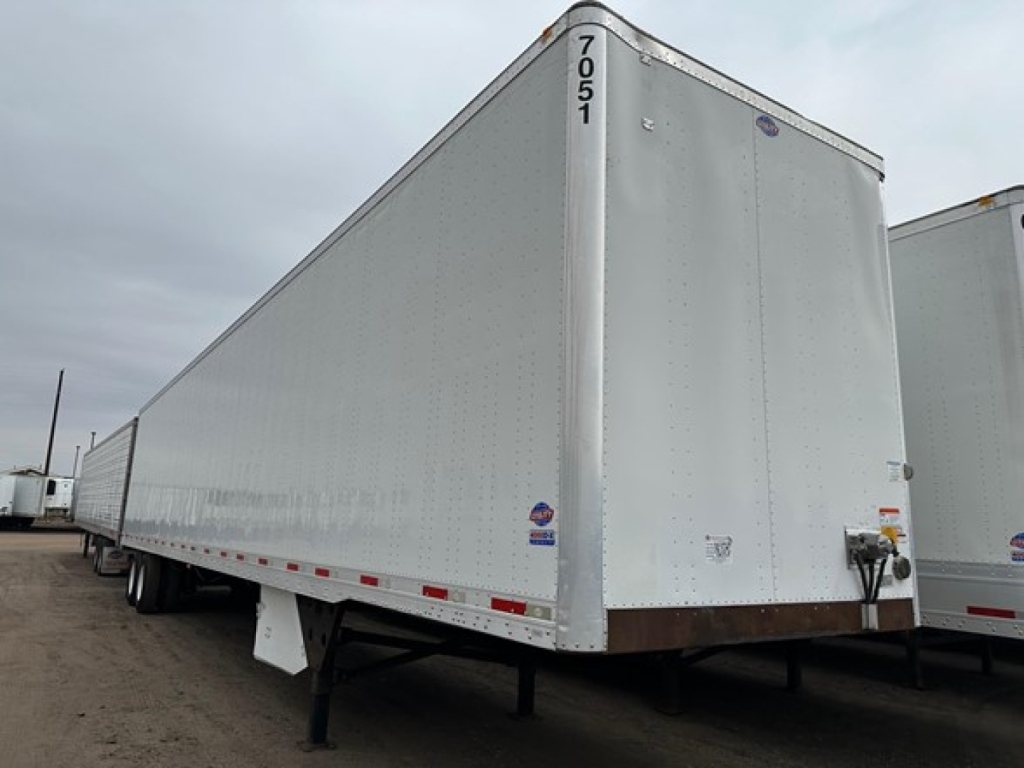
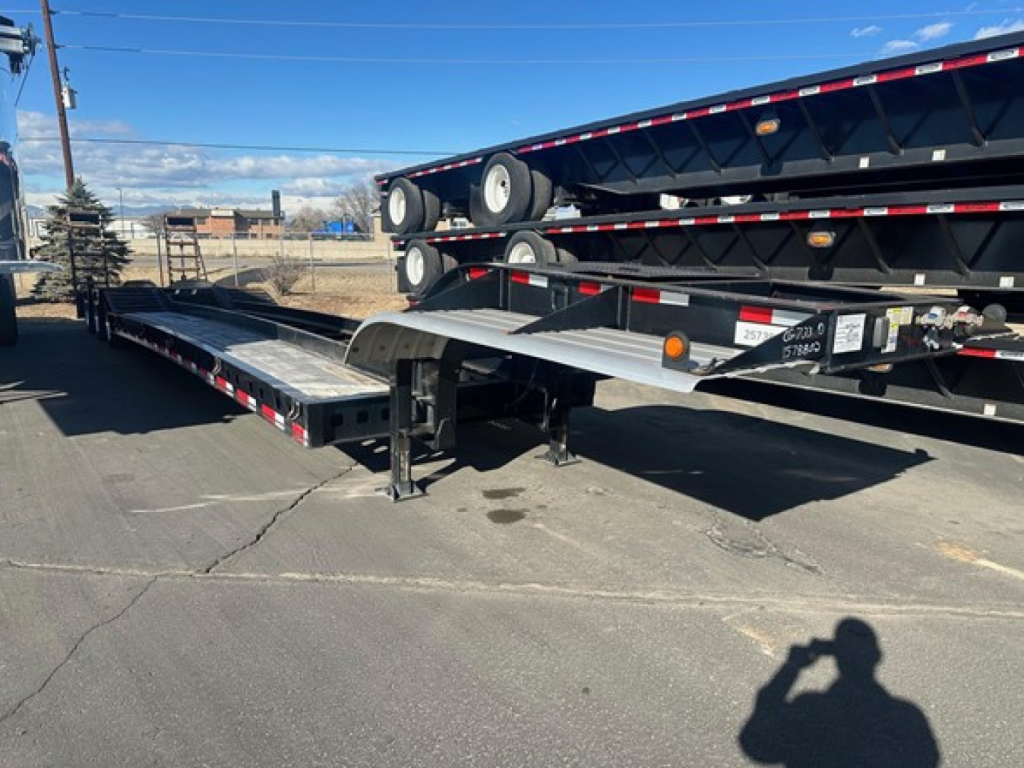
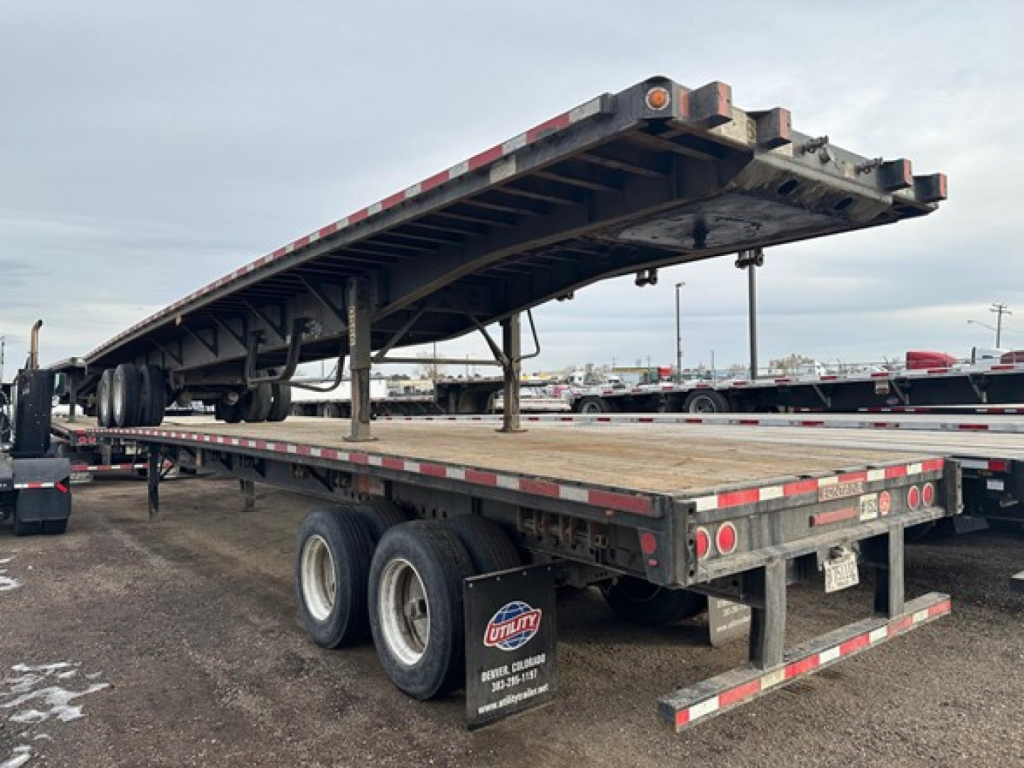
Showing 25 to 36 of 37 results
Have used 2018 trailer to sell? List it here to reach thousands of buyers.
About Used 2018 Trailers in Colorado
For dry van buyers, 2018 trailers often strike a good balance between price and current fleet spec. Common configurations include 53-foot length, 102-inch width, swing doors, wood floors, aluminum roofs, scuff liners, logistics tracks, and sliding tandem suspensions. In Colorado, altitude, temperature swings, and long interstate runs make attention to brakes, tires, wheel seals, and suspension bushings especially important. If the van will spend time at docks with heavy forklift traffic, inspect the threshold plate, rear frame, floor fasteners, and lower sidewall area for fatigue. Buyers hauling retail, packaged goods, or palletized freight should also check interior wall type, venting, and dock hardware to match shipper requirements.
For flatbeds, reefer trailers, and dump trailers, the right spec depends heavily on commodity and route. A 2018 flatbed may offer combo construction with steel main beams and aluminum crossmembers, stake pockets, sliding winches, coil package equipment, and either spread axle or closed tandem setup. Reefer buyers should look beyond the box and focus on reefer unit hours, service records, floor condition, door seals, chute, ducting, and insulation integrity. Dump and side dump buyers need to pay close attention to tub material, liner wear, hinge and pivot condition, tarp system operation, hydraulic components, and frame integrity. In mountain and Front Range service, axle configuration, suspension type, and tire spec can have a direct effect on payload, stability, and operating cost.
A used 2018 trailer is often a practical choice for buyers who want proven design, easier parts support, and lower acquisition cost than late-model equipment. The best value usually comes from matching the trailer to the job instead of chasing the lowest price. Verify VIN history, title status, maintenance documentation, brake and tire life, kingpin and apron condition, crossmember repairs, lighting function, and any fleet-spec features such as disc brakes, PSI systems, aerodynamic packages, or air pin sliders. Buyers in Colorado should also consider emissions-related reefer compliance where applicable, winter traction needs, and how the trailer’s suspension and axle setup will perform on mixed highway, yard, and mountain routes.
Frequently Asked Questions
What should I inspect first on a used 2018 trailer?
Start with the structural items that are expensive to correct. Check the frame, crossmembers, floor, roof, rear frame, kingpin area, suspension, brakes, and wheel ends before focusing on cosmetic issues. On vans and reefers, inspect the floor for forklift damage and the rear threshold for cracking or distortion. On flatbeds and dumps, pay close attention to deck condition, main beam integrity, suspension mounting points, and signs of welding repairs that may indicate prior overload or impact damage.
Is a 2018 trailer still a good year model for commercial use?
Yes, a 2018 trailer can still be a strong working asset if it has been maintained correctly and spec'd for the intended freight. Many 2018 trailers include features that remain current in today's market, such as air ride suspension, sliding tandems, aerodynamic components, logistics systems, and aluminum construction. The real value comes from maintenance records, component condition, and whether the trailer's axle, floor, door, and body specifications fit the operation.
Which 2018 trailer type is best for Colorado freight?
That depends on the commodity and route. Dry vans are common for general freight, retail, and warehouse distribution. Reefers are necessary for temperature-sensitive food and pharmaceutical loads. Flatbeds are better suited for construction materials, machinery, steel, and oversized freight that loads from the side or top. Dump and side dump trailers are common in aggregates, road work, agriculture, and excavation. In Colorado, mountain grades, winter weather, and mixed interstate use make brake condition, suspension performance, and tire selection especially important regardless of trailer type.
What are common specs to compare on used 2018 dry vans and reefers?
Focus on length, width, suspension type, tandem configuration, door style, floor construction, lining, scuff protection, roof material, and aerodynamic equipment. On reefers, also compare refrigeration unit brand, unit hours, service history, floor type, chute or ducting, and door seal condition. Features such as air pin sliders, side skirts, aluminum wheels, disc brakes, and tire inflation systems can improve operating efficiency, but they should be weighed against current condition and repair history.
How important is axle setup on a used 2018 trailer?
Axle setup affects payload distribution, bridge compliance, maneuverability, tire wear, and the kind of freight the trailer can handle. A sliding tandem dry van gives flexibility for dock positioning and axle scaling. A spread axle flatbed can improve stability and weight distribution but may reduce maneuverability in tight yards. Closed tandem and air ride combinations are common for highway service, while dump and specialty trailers may be spec'd around payload and jobsite conditions. Buyers should match the axle configuration to state laws, route density, and loading patterns.