
Used 2017 Trailers For Sale in Pennsylvania
Browse used 2017 trailers in Pennsylvania, including van, flatbed, and lowboy models with specs that matter for freight, axle setup, and duty cycle.
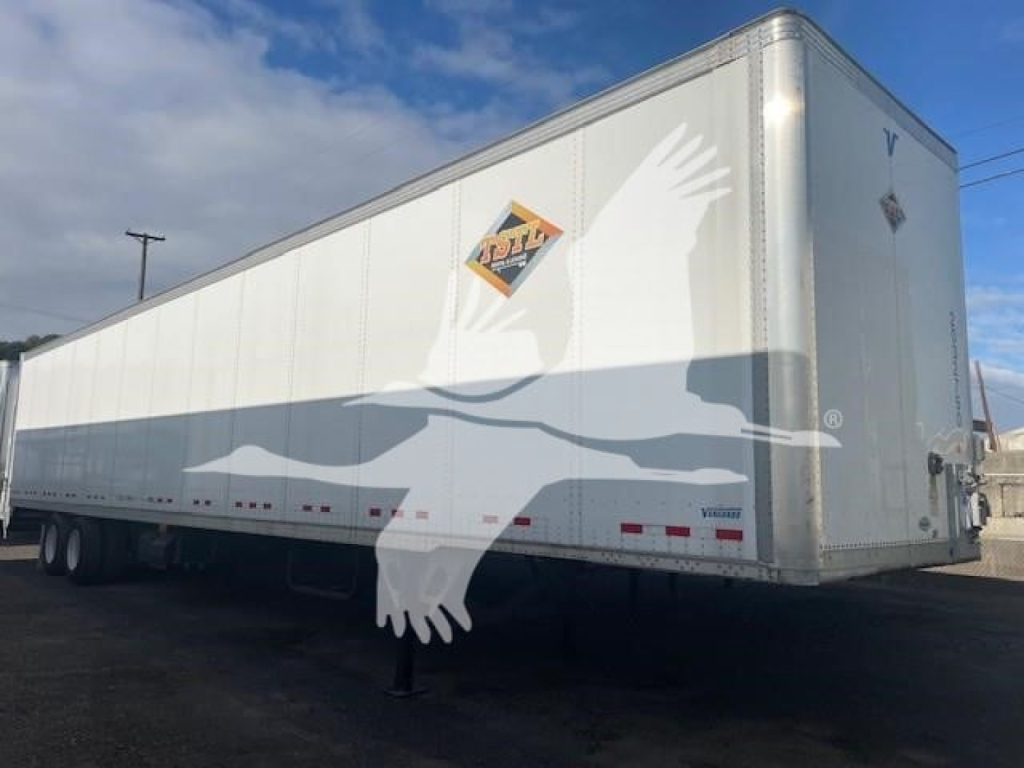
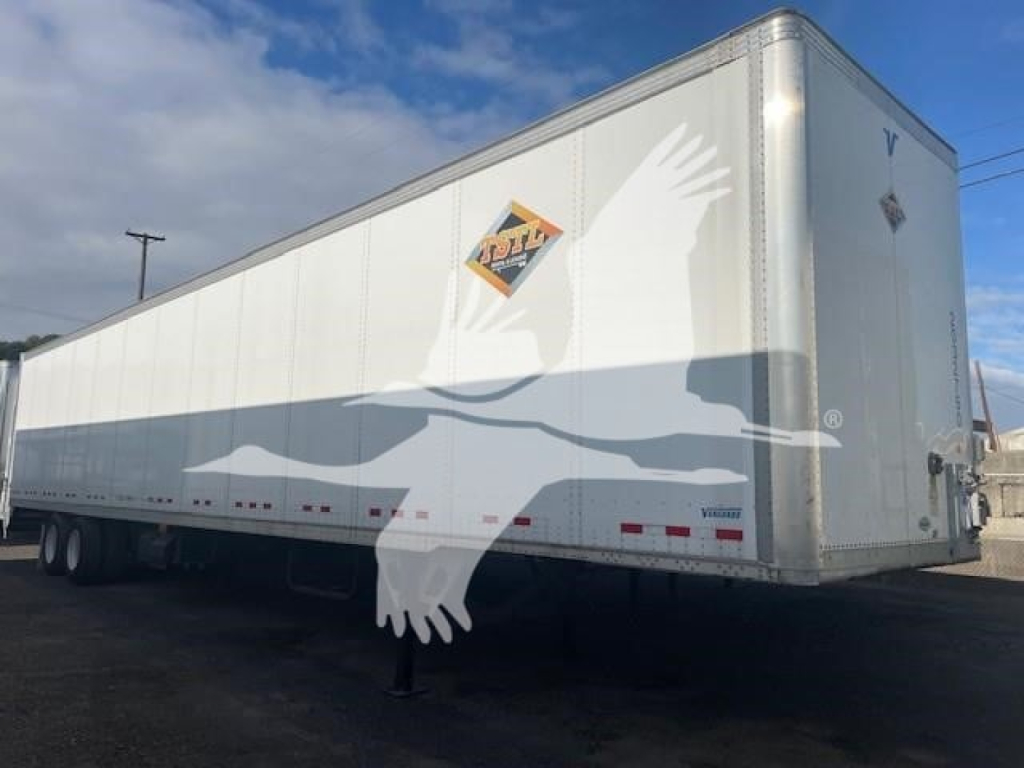
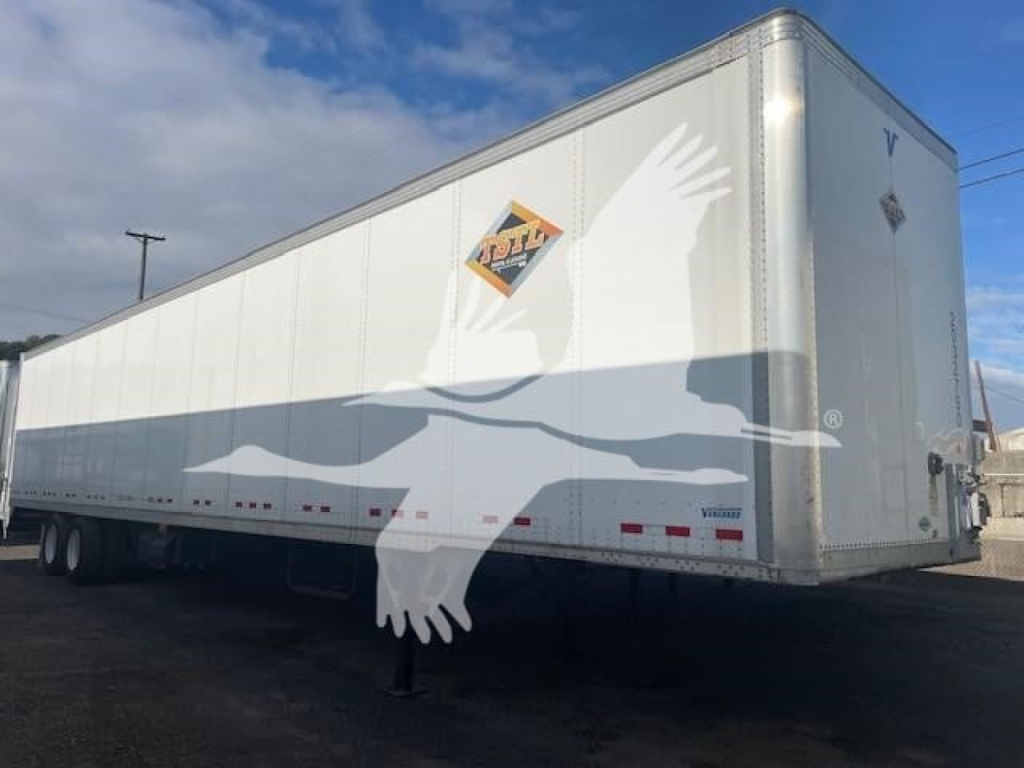
Showing 49 to 51 of 51 results
Have used 2017 trailer to sell? List it here to reach thousands of buyers.
Used 2017 Trailers in Pennsylvania
For 2017 van trailers, common specs include 53-foot length, 102-inch width, tandem axles, air-ride suspension, swing doors, hardwood floors, and logistics posts on 48-inch centers. Important details include kingpin setting, tandem slide range, crossmember spacing, roof bow design, rear frame material, and the condition of the floor, scuff liner, threshold plate, and door hardware. In Pennsylvania service, corrosion resistance matters, so galvanized rear frames, galvanized bumpers, and protected landing gear components can be a real advantage on used units. Check for patching in the floor, soft spots at high forklift traffic areas, cracked crossmembers, and uneven tire wear that can point to suspension or alignment issues.
For 2017 flatbeds and lowboys, buyers should look closely at deck construction, frame integrity, and axle configuration. A flatbed buyer usually focuses on trailer length, aluminum versus steel construction, spread axle or tandem layout, and the condition of the deck, winches, rub rail, and stake pockets. A 2017 lowboy buyer needs to go deeper into main deck length, loaded deck height, gooseneck style, rated capacity, tire and brake condition, lift axle function, and whether the trailer is set up for flip axles or deck extensions. On a detachable gooseneck trailer, hydraulic system condition, neck fit, and wear at connection points are critical because repair costs rise quickly if those components are neglected.
The 2017 model year often sits in a practical spot for buyers who want newer design features without late-model pricing. Many trailers from this era already include air-ride suspension, anti-snag roof bows, sliding tandems, better corrosion protection, and more durable lining and scuff packages. In Pennsylvania, inspection history, title status, brake compliance, and signs of winter road exposure are worth reviewing on any used trailer. A clean 2017 trailer with solid maintenance records, straight rails, and consistent tire wear can be a strong value, especially when the specs line up with the lanes, freight weight, and loading methods the operation handles every day.
Frequently Asked Questions about Used 2017 Trailers in Pennsylvania
What should I check first on a used 2017 trailer?
Start with the trailer type and structural condition. Confirm the trailer matches the freight you plan to haul, then inspect the frame, crossmembers, floor or deck, suspension, axle alignment, brakes, tires, and landing gear. On van trailers, pay close attention to floor wear, rear frame corrosion, door seals, and scuff liners. On flatbeds and lowboys, inspect the main beams, deck, outriggers, neck area, and tie-down components. A used 2017 trailer can still be a strong value if the structure is sound and the running gear has been maintained.
Is a 2017 trailer too old for regular fleet use?
Not necessarily. Trailer age matters less than maintenance history, prior application, and structural integrity. A 2017 trailer is often still well within useful service life if it has straight rails, a sound deck or floor, good brake components, healthy suspension, and no major corrosion or accident damage. Many fleets continue to run trailers from this model year productively because they offer modern specs without the cost of late-model equipment.
What specs matter most on a used 2017 dry van trailer?
The most important dry van specs are length, width, interior height, kingpin setting, tandem slide setting, suspension type, floor construction, crossmember spacing, and door configuration. Buyers also look for logistics posts, scuff liners, roof condition, galvanized rear frame components, and tire size consistency. These details affect payload flexibility, dock compatibility, maintenance cost, and how well the trailer handles repeated forklift loading.
What is important when buying a used 2017 lowboy trailer?
Capacity rating, loaded deck height, neck style, deck length, axle count, and compatibility with flip axles or extensions are the biggest factors. Buyers should also inspect hydraulic detachable neck operation, suspension performance, brake condition, tire wear, and wear points around the neck connection and main beams. A lowboy may look serviceable from a distance but still require expensive repairs if the hydraulic system, frame, or axle group has excessive wear.
Why does Pennsylvania use matter when shopping for a used trailer?
Pennsylvania use can affect corrosion, inspection readiness, and component life because of weather, road salt, and mixed highway and regional service. That makes undercarriage condition especially important on a used trailer. Look closely at the rear frame, crossmembers, suspension mounts, brake hardware, wiring, and landing gear. A trailer with strong corrosion protection and a documented maintenance history is usually a better long-term buy in this market.