
Used 2017 Trailers For Sale in Ohio
Browse used 2017 trailers for sale in Ohio, including dry vans, drop decks, curtainsides, and flats with common specs and buyer guidance.
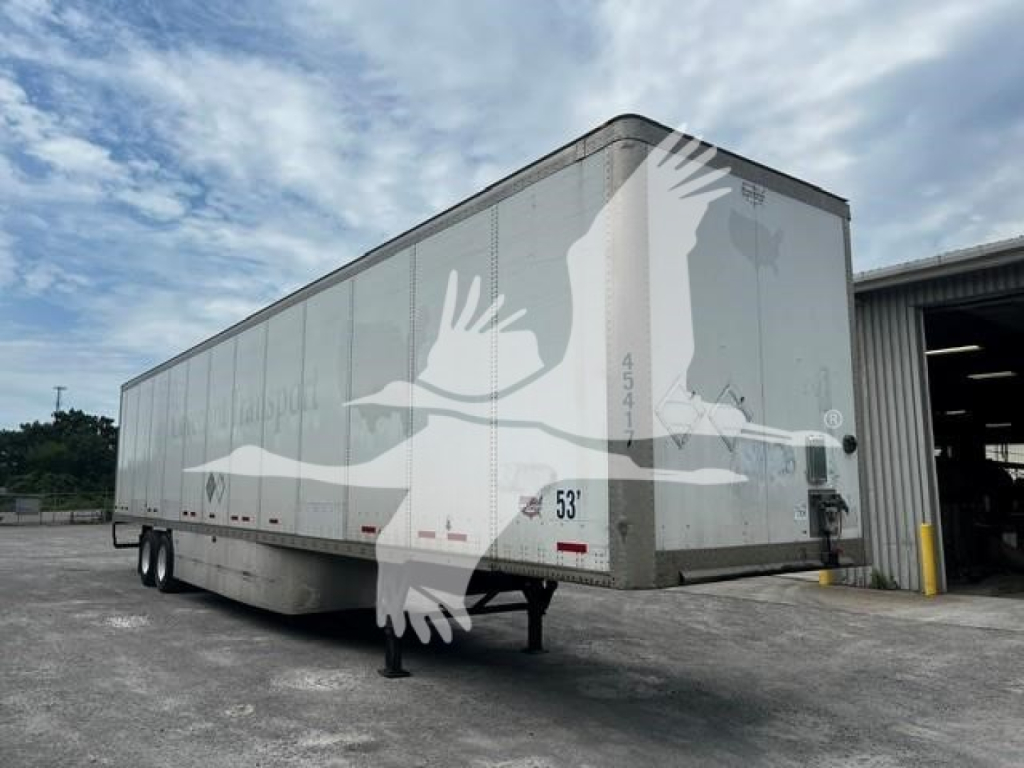
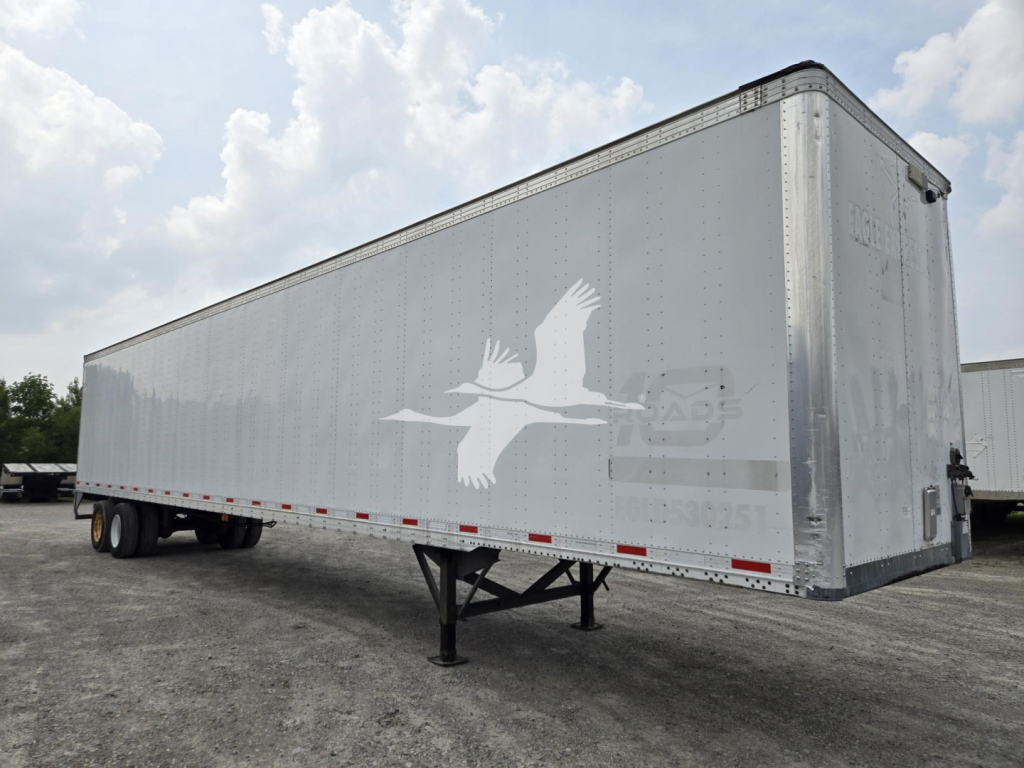
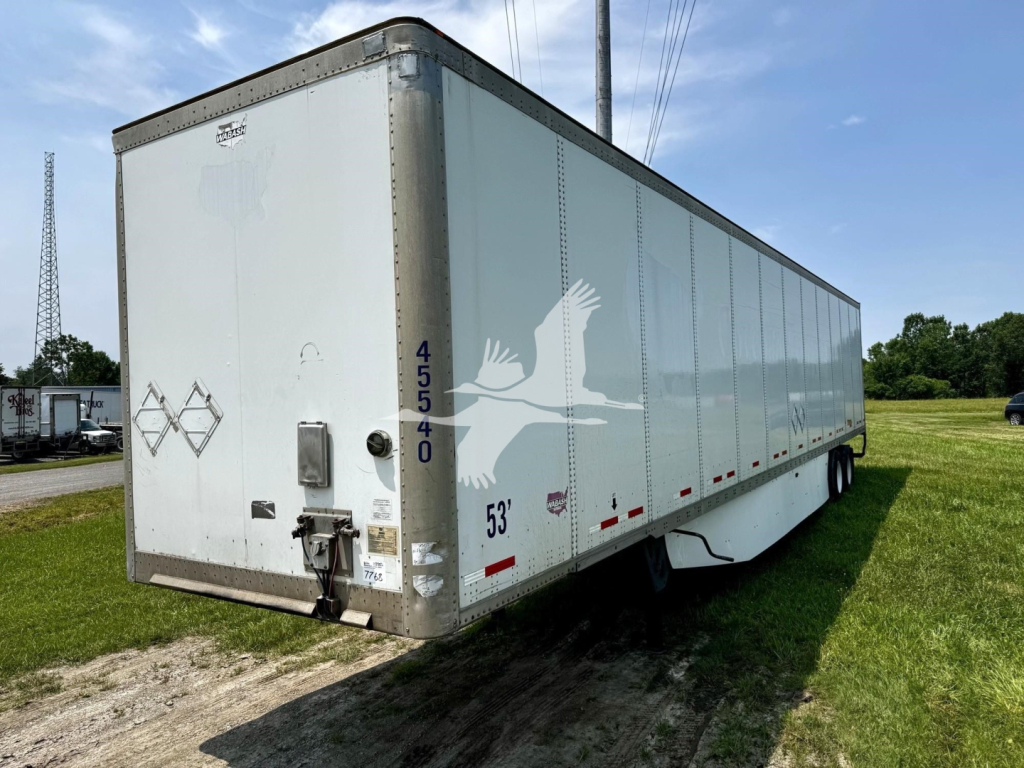
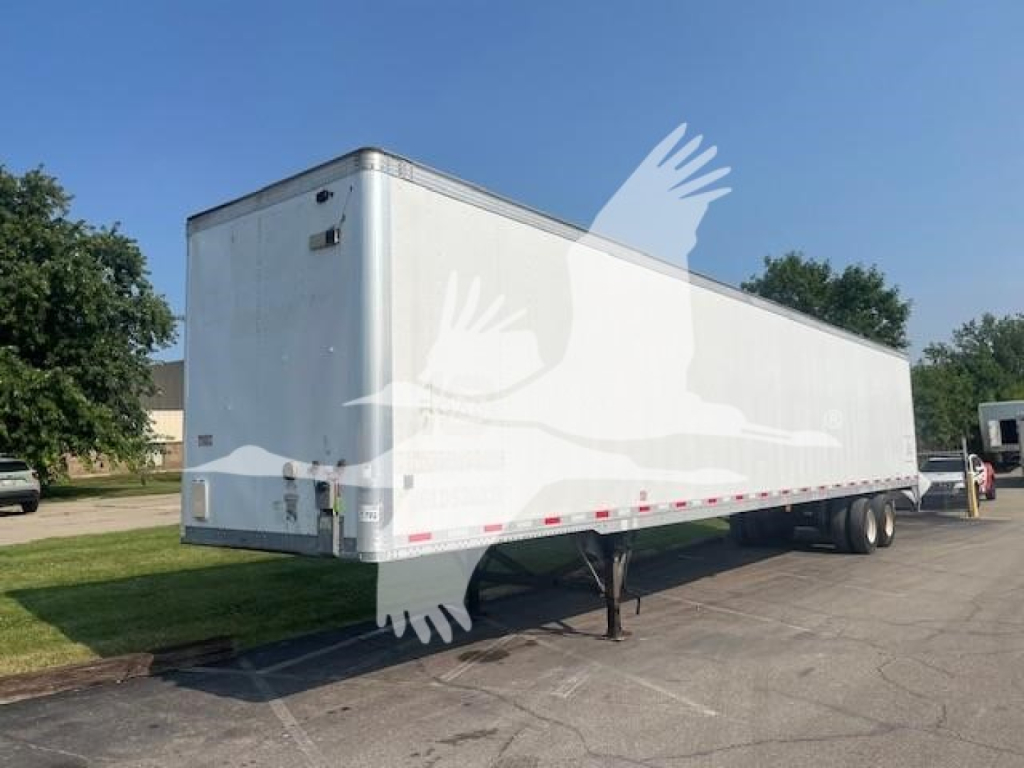
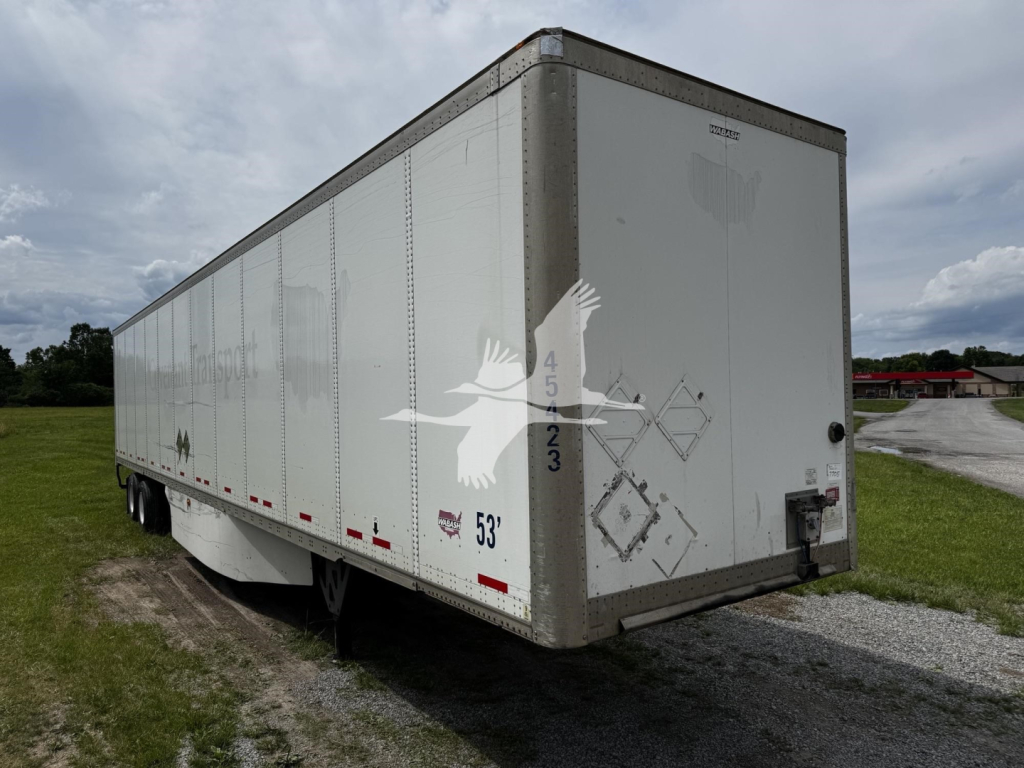
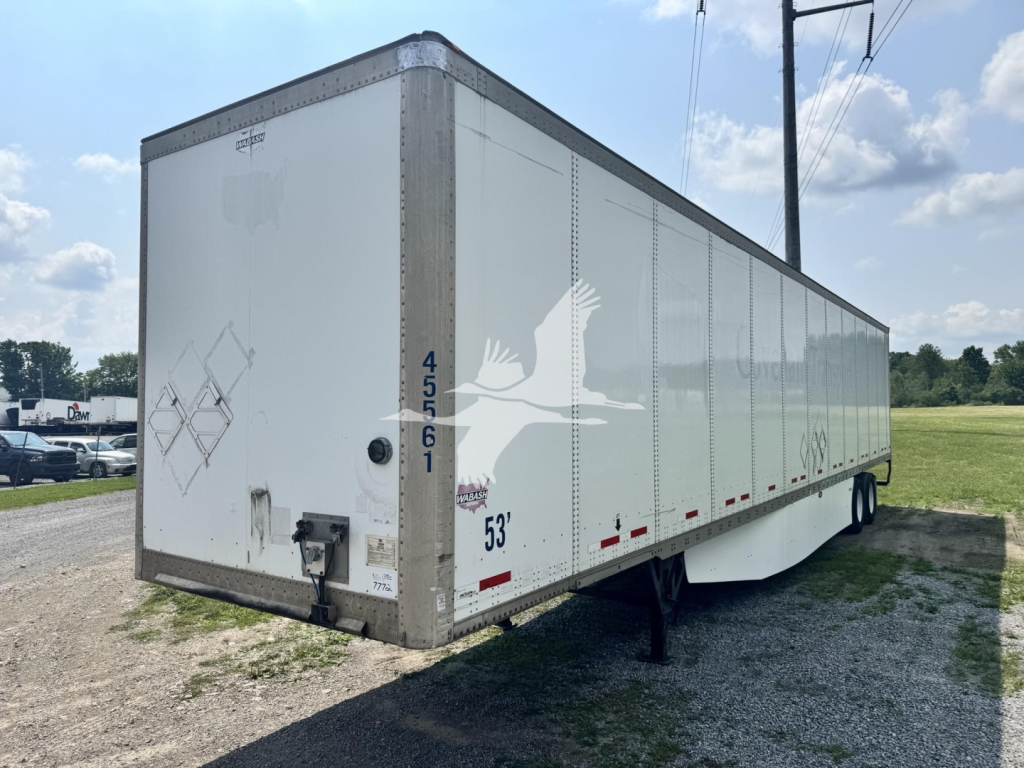
Selling a used 2017 trailer? List your used 2017 trailer for sale and reach thousands of commercial buyers.
Used 2017 Trailers in Ohio
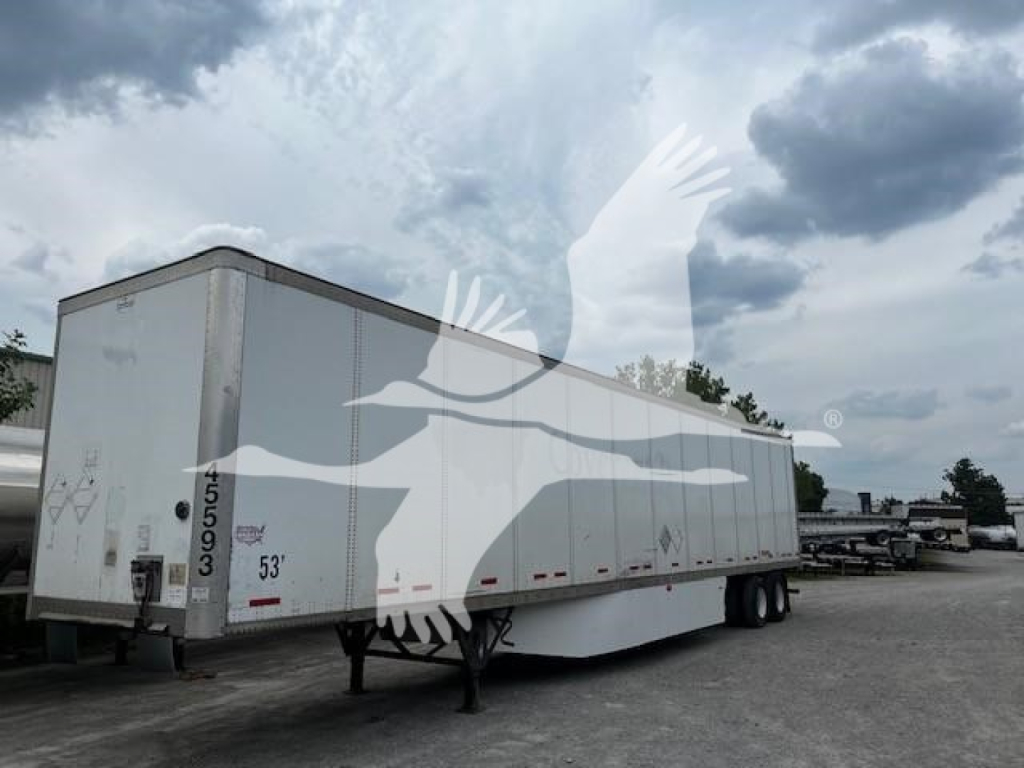
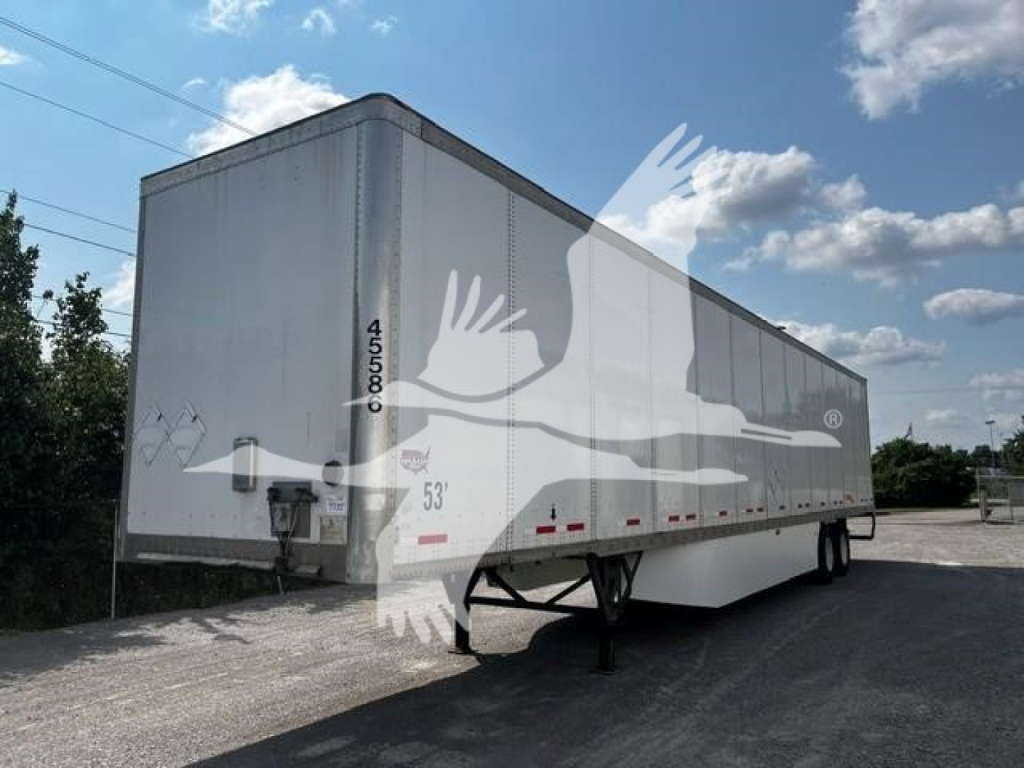
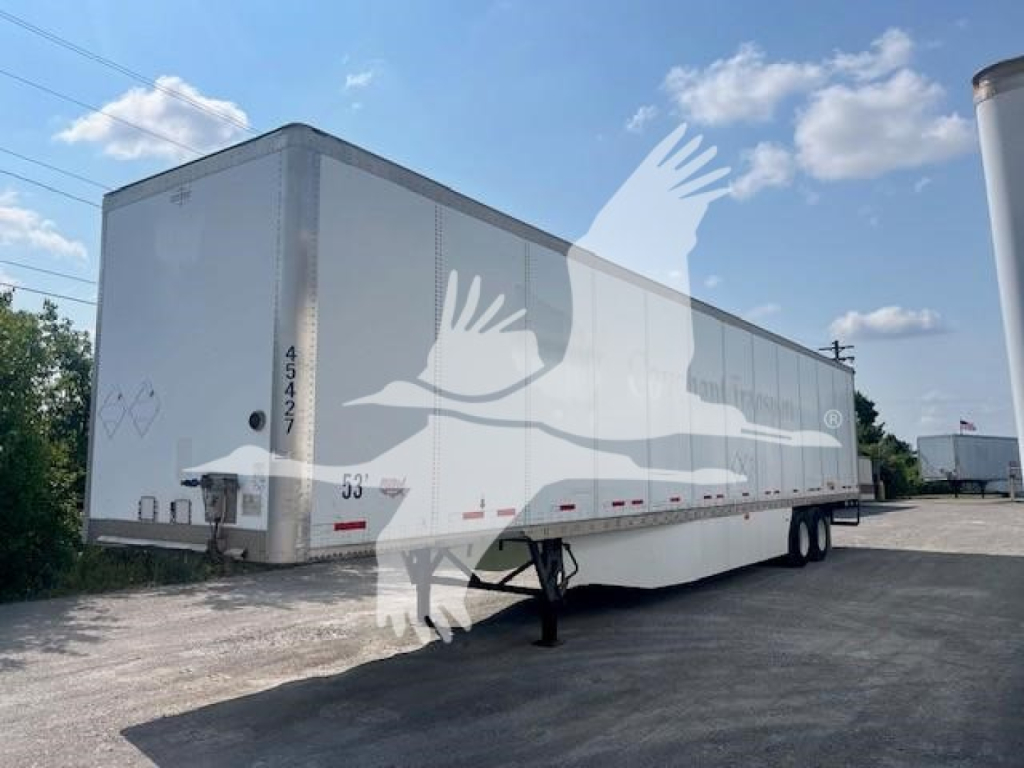
For van trailers, pay close attention to inside height, rear door style, post spacing, lining, scuff protection, and floor wear. Common dry van specs in this segment include 48-foot and 53-foot lengths, 102-inch width, swing or roll-up rear doors, wood floors, and either spring ride or air ride suspension. Logistics posts, galvanized rear frames, translucent roofs, and sliding tandems are all worth noting because they affect cargo securement, dock use, and long-term maintenance. If your operation handles palletized freight, consumer goods, or mixed LTL-style loads, the condition of the floor, threshold plate, crossmembers, and landing gear will tell you a lot about remaining service life.
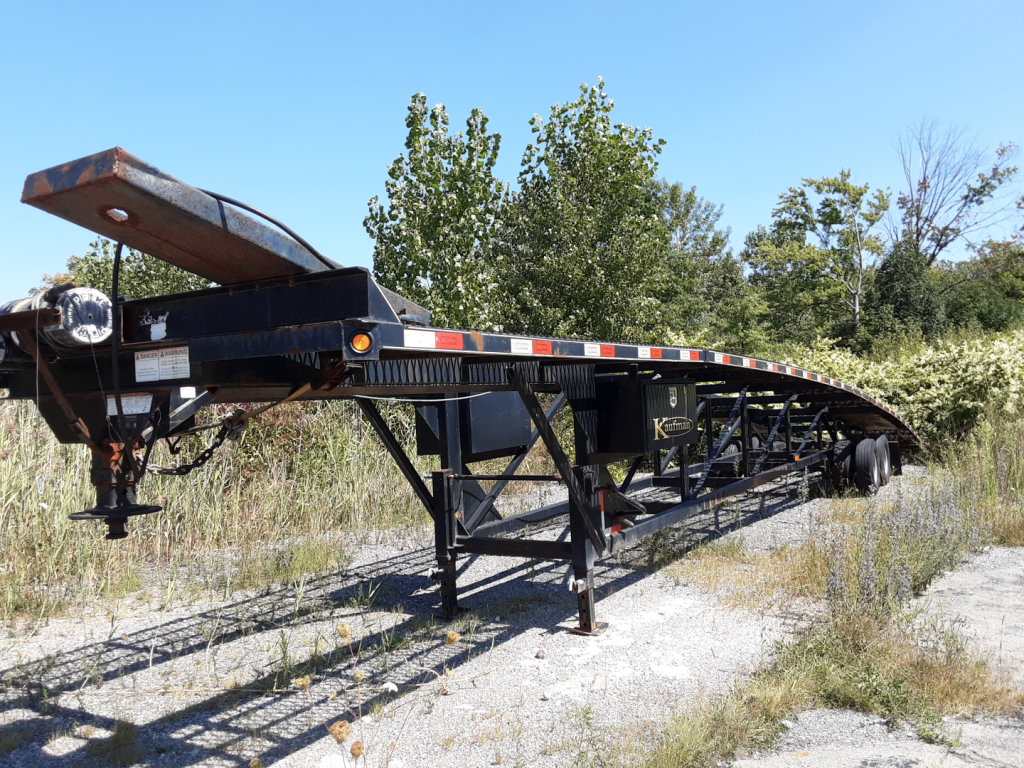
For open-deck work, 2017-era flatbeds, curtainsides, and drop decks are often spec'd with aluminum construction to keep tare weight down while maintaining payload flexibility. Buyers should look at deck length, top deck and main deck dimensions on drop decks, bulkhead design, winch track layout, number of sliding winches, pipe spools, coil package setup, and crossmember spacing. Air ride suspension is common on premium open-deck trailers, and features like tire inflation systems, dump valves, disc brakes, and anti-roll systems can make a noticeable difference in uptime and driver control. A curtainside, also known as a curtain van or rolling tarp trailer, can be especially useful when freight needs weather protection but still requires side loading by forklift.
Condition is everything on a used 2017 trailer, especially in a state like Ohio where corrosion, road treatment, and seasonal temperature swings can accelerate wear. Check brake type and remaining lining, tire size and percentage, wheel material, suspension brand, and signs of damage around side rails, rear frames, roof seams, and door hardware. For flatbeds and drop decks, inspect aluminum floors for gouging, tiedown points for deformation, landing gear operation, and kingpin and upper coupler wear. For vans, look closely at roof bows, interior moisture damage, scuff liners, and rear door seal integrity. A well-maintained 2017 trailer can still be a productive trailer for regional or over-the-road service if the spec matches the freight and the structural components are sound.
Frequently Asked Questions about Used 2017 Trailers in Ohio
What should I check first on a used 2017 trailer?
Start with structural condition and spec match. On any used 2017 trailer, inspect the frame, crossmembers, suspension, brakes, tires, wheels, kingpin area, and landing gear before focusing on appearance. Then confirm the trailer fits your freight requirements by checking length, deck or interior dimensions, axle configuration, suspension type, and loading features such as swing doors, roll-up doors, winch tracks, or coil package equipment.
Is a 2017 trailer too old for regular fleet use?
A 2017 trailer is not automatically old for commercial use if it has been maintained correctly and the major wear items are in good condition. Many trailers from this model year still work well in regional and over-the-road service, especially when floors, brakes, suspension components, tires, and structural members have been kept up. Service history, prior application, and corrosion exposure usually matter more than model year alone.
What trailer type is most common for freight in Ohio?
Dry vans are common across Ohio because they handle general freight, palletized goods, retail products, and manufacturing freight efficiently. Drop decks, flatbeds, and curtainsides are also important in Ohio due to the state's strong industrial, construction, steel, and agricultural sectors. The right choice depends on whether your freight needs weather protection, side loading access, lower deck height, or open-deck securement options.
What specs matter most on a used drop deck or flatbed trailer?
Key specs include overall length, top deck length, main deck length, deck height, trailer weight, axle spread or suspension setting, kingpin setting, winch track configuration, number of sliding winches, bulkhead design, and coil package details. Buyers should also verify crossmember spacing, floor condition, tiedown hardware, landing gear type, and whether the trailer has air ride suspension, disc brakes, dump valves, or a tire inflation system.
How important is suspension type on a used 2017 trailer?
Suspension type affects ride quality, cargo protection, maintenance profile, and resale appeal. Air ride is often preferred on dry vans, drop decks, and premium flatbeds because it helps reduce cargo shock and can improve ride characteristics. Spring ride may still be a good fit for some van applications, but buyers should compare suspension condition, bushing wear, axle alignment, and brand support when evaluating any used trailer.