
Used 2017 Trailers For Sale in North Carolina
Browse used 2017 trailers for sale in North Carolina, including van and reefer trailers with 53-foot specs, sliding tandems, and air ride options.
Learn more
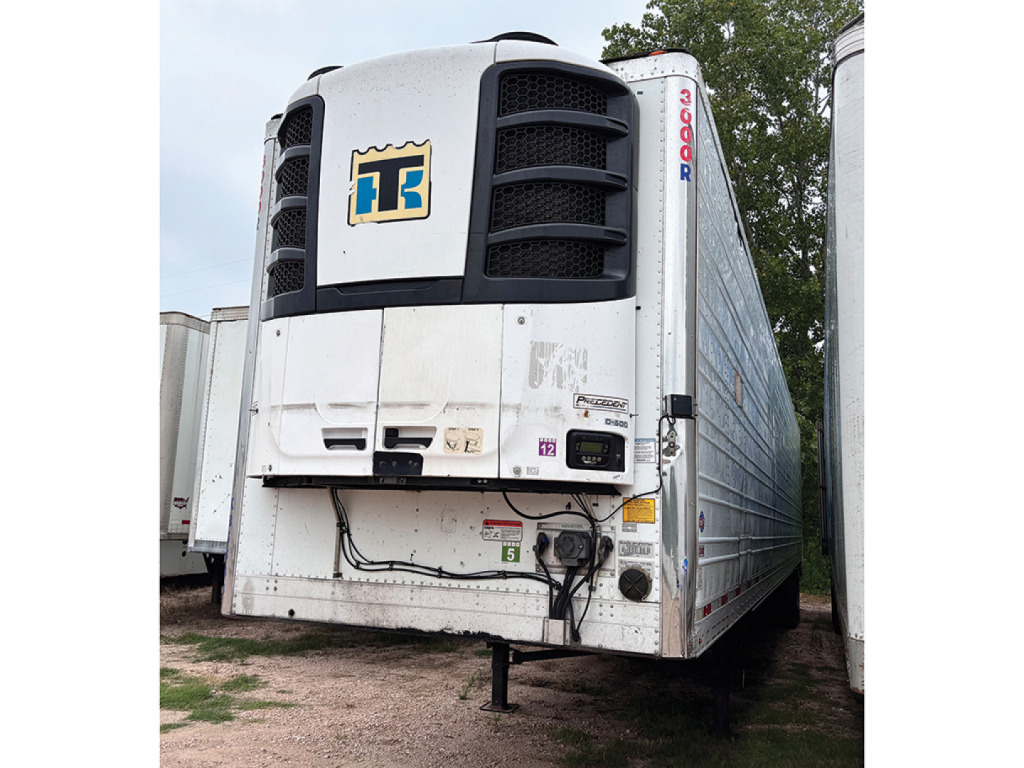
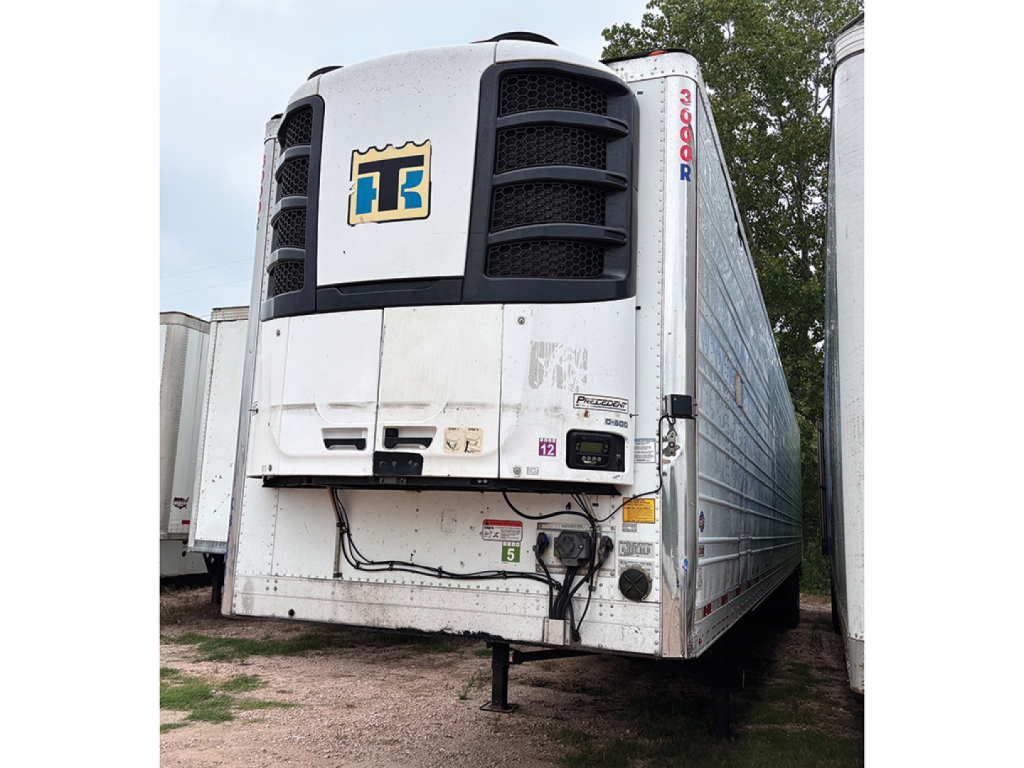
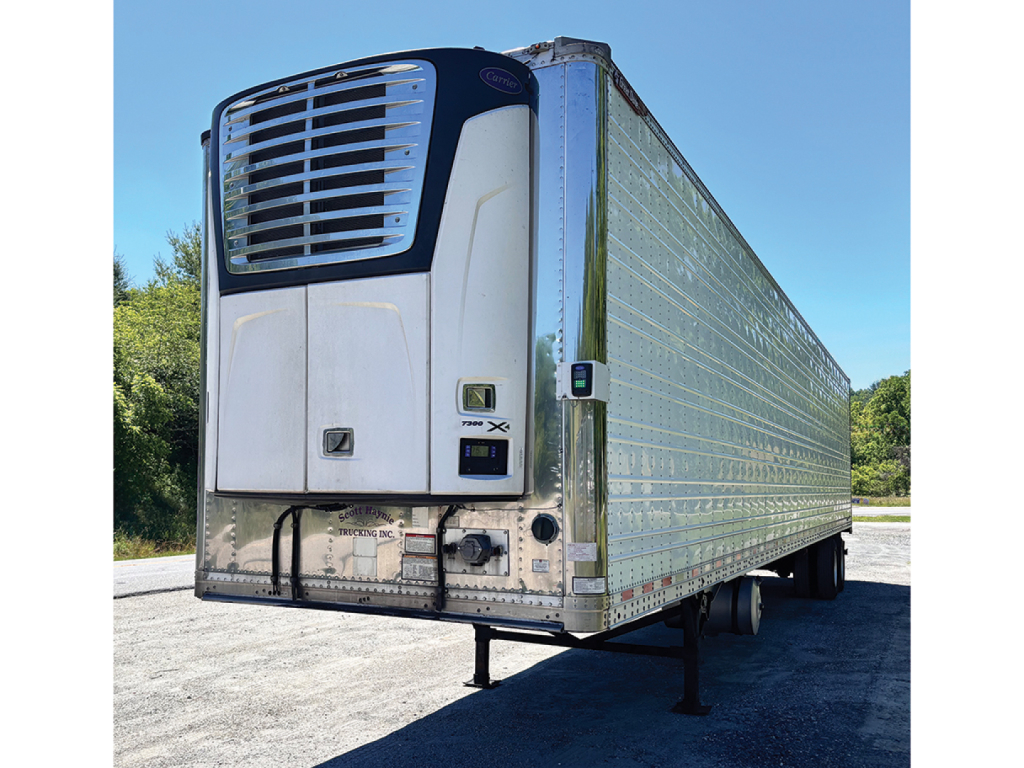
Showing 1 to 12 of 18 results
Have used 2017 trailer to sell? List it here to reach thousands of buyers.
About Used 2017 Trailers in North Carolina
For dry van buyers, key checkpoints usually include floor type, wall construction, roof condition, rear door configuration, and suspension. A 2017 van trailer may have a wood floor, translucent roof, roll-up door or swing doors, plus air ride or spring ride and a sliding tandem setup. DuraPlate-style composite walls remain popular because they balance durability and repairability in general freight service. Buyers hauling palletized consumer goods, boxed freight, or retail distribution loads should pay close attention to scuff liners, threshold wear, crossmember condition, and signs of forklift damage around the rear frame and floor transition.
For reefer buyers, the trailer body is only half the equation. The refrigeration unit, floor design, insulation integrity, and door seal condition are what determine whether the trailer can hold temperature and stay profitable. Many 2017 reefer trailers in this class use Thermo King or Carrier units, aluminum duct floors, stainless front components, rear vents, cold chutes, and swing doors. In North Carolina, reefer demand is tied to grocery, foodservice, produce, protein, and regional distribution lanes, so buyers should verify reefer engine hours, maintenance records, unit start-up performance, return air consistency, and the condition of the bulkhead, scuff plate, and interior lining.
Across both dry van and reefer categories, running gear and compliance details deserve a close look. Sliding tandems are common for bridge law flexibility and dock positioning, while low-profile 22.5 tires, aluminum or steel disc wheels, air ride suspension, and tire inflation systems can affect operating cost and uptime. Check VIN and title status, inspect brakes, wheel ends, suspension bushings, lights, ABS function, and kingpin wear, and confirm the trailer’s axle spread and tandem slider operation fit your lanes. A used 2017 trailer can still be a strong revenue asset if the structure is straight, the floor is sound, and the spec matches the freight you actually haul.
Frequently Asked Questions
What should I look for first when buying a used 2017 trailer?
Start with the structural basics before focusing on brand or cosmetics. Check the frame rails, crossmembers, kingpin area, tandem slider rails, suspension mounts, roof, floor, and rear frame for damage, corrosion, or poor repairs. On a 2017 trailer, overall condition and maintenance history usually matter more than model year alone, especially if the trailer has spent years in heavy dock service or high-mileage regional freight.
Is a 2017 reefer trailer still a good buy for temperature-controlled freight?
A 2017 reefer trailer can still be a strong choice if the box is tight and the refrigeration unit has been maintained correctly. Buyers should verify reefer engine hours, service intervals, unit performance under load, insulation condition, door seals, floor drainage, and interior wall integrity. A sound 2017 reefer with a well-documented Thermo King or Carrier unit can remain productive in grocery, produce, and foodservice applications.
Are 53-foot 2017 trailers the most common size on the used market?
Yes. In the used trailer market, 53-foot length, 102-inch width, and 13-foot 6-inch height are the most common specifications for both dry van and reefer trailers. That size works well for standard over-the-road freight, offers strong parts and service support, and gives buyers the broadest range of available configurations such as sliding tandems, air ride suspension, roll-up doors, and swing doors.
What is the difference between a 2017 dry van trailer and a 2017 reefer trailer?
A dry van trailer is designed for general non-temperature-controlled freight and typically has a wood or composite floor, enclosed body, and standard rear doors. A reefer trailer adds an insulated body and a refrigeration unit to carry frozen or chilled freight. Reefer trailers also tend to include features like aluminum duct floors, scuff liners, stainless front components, and interior airflow equipment such as cold chutes or bulkheads.
Why does tandem type matter on a used 2017 trailer?
Tandem setup affects bridge compliance, weight distribution, tire wear, and loading flexibility. A sliding tandem is common because it allows the axle group to move for state bridge laws and dock approach needs. Buyers should inspect the slider mechanism, locking pins, rails, and suspension carefully, because a neglected tandem assembly can create downtime, alignment issues, and expensive repairs.