
Used 2016 Trailers For Sale in Georgia
Browse used 2016 trailers for sale in Georgia, including dry van and reefer options with specs, maintenance points, and buyer-focused guidance.
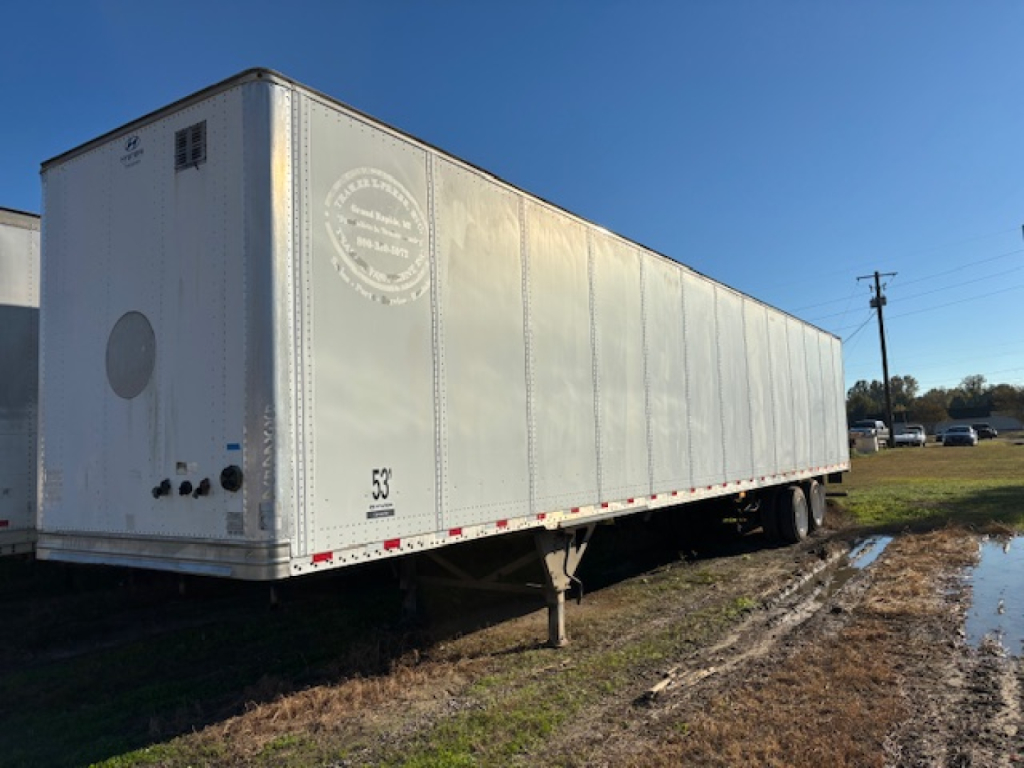

Selling a used 2016 trailer? List your used 2016 trailer for sale and reach thousands of commercial buyers.
Used 2016 Trailers in Georgia
For dry van and reefer buyers, body construction is one of the first decisions. Composite panel vans are popular for weight savings and smooth sidewalls, while sheet-and-post designs can be easier to repair after dock and sidewall damage. A 2016 reefer should be checked closely for unit hours, evaporator condition, air chute integrity, floor channel wear, and signs of prior temperature-control issues. In Georgia service, trailers may have seen heavy humidity, frequent dock work, and high annual mileage, so inspect rear frames, swing doors, seals, and ICC bumper areas for fatigue and rust. Tire inflation systems, aluminum roofs, logistics posts, scuff liners, and roll-up versus swing door setups can also affect long-term operating cost and loading efficiency.
Running gear and compliance items deserve just as much attention as the box. Common specs in this class include air ride suspension, tandem sliding axles, 53-foot overall length, 102-inch width, and standard 295/75R22.5 rubber, though actual build details vary. Check kingpin setting, axle spread, landing gear operation, brake drum or disc condition, ABS function, and wheel-end service records. Georgia buyers moving freight through the Southeast often prioritize trailers that can handle dense distribution schedules, so dock height consistency, light package condition, and easy parts availability from brands like Hyundai, Vanguard, and Utility can make a real difference in uptime.
The best used 2016 trailer is the one that fits the lane, loading environment, and maintenance plan. A lower tare weight may matter most for cube freight and payload-sensitive operations, while a heavier-duty floor and stronger rear structure may be the better choice for beverage, paper, or multi-stop distribution. Buyers comparing listings should look past year and price alone and focus on prior use, repair quality, and how the trailer is spec’d today. On a used trailer in this class, service records, recent brake and tire work, and a careful inspection of structure and running gear usually separate a dependable asset from a cheap problem.
Frequently Asked Questions about Used 2016 Trailers in Georgia
What should I inspect first on a used 2016 trailer?
Start with the structural and safety items that are expensive to correct. Inspect the floor, crossmembers, rear frame, roof, sidewalls, suspension, brakes, tires, wheel ends, and landing gear before focusing on cosmetic issues. On dry vans and reefers, door alignment, seal condition, and signs of prior accident or dock damage are especially important because they affect both usability and resale value.
Is a 2016 trailer still a good fleet purchase?
Yes, a 2016 trailer can still be a practical fleet purchase if it has solid maintenance history and the spec fits the work. Many trailers from this model year remain in active commercial service because parts are widely available and the designs are well understood by shops. The key is to evaluate condition, previous application, and repair quality rather than assuming all 2016 trailers have the same remaining life.
What trailer types are common in the used 2016 market in Georgia?
Dry vans, reefers, and utility-style highway trailers are common in the Georgia market. That reflects the state’s freight mix, which includes distribution, grocery, manufacturing, and port-related cargo. Buyers often see brands such as Hyundai, Vanguard, and Utility, with 53-foot tandem axle configurations being the most common for general freight.
How important is reefer unit history on a 2016 refrigerated trailer?
Reefer unit history is critical because the refrigeration system can be one of the most expensive components on the trailer. Buyers should review engine hours, maintenance intervals, alarm history, compressor performance, evaporator condition, and evidence of consistent temperature control. A clean trailer body with a neglected reefer unit can still become a high-cost purchase very quickly.
Which specs matter most when comparing used 2016 trailers?
The most important specs depend on the freight, but buyers usually focus on trailer type, body construction, suspension, axle configuration, kingpin setting, floor rating, door style, and tare weight. For Southeast regional work, it also helps to confirm tire size, brake setup, ABS operation, and whether the trailer has features like scuff liners, logistics posts, and tire inflation systems. These details affect loading efficiency, maintenance cost, and how well the trailer fits the route.