
Used 2014 Trailers For Sale in South Dakota
Browse used 2014 trailers for sale in South Dakota, including dry vans, reefers, dumps, and specialty trailers with buyer-focused spec insights.
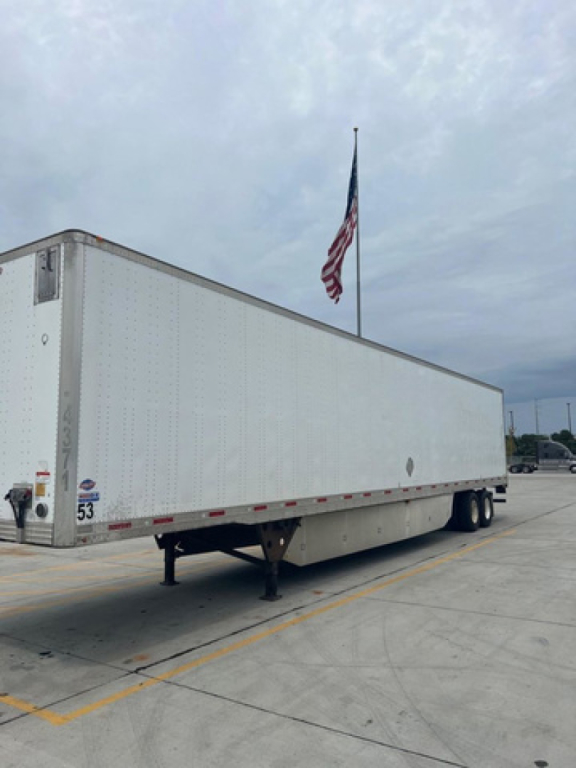
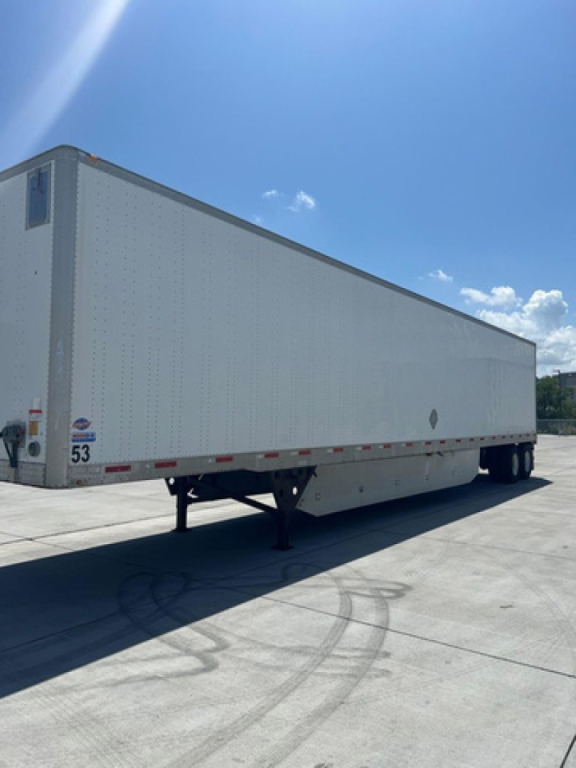
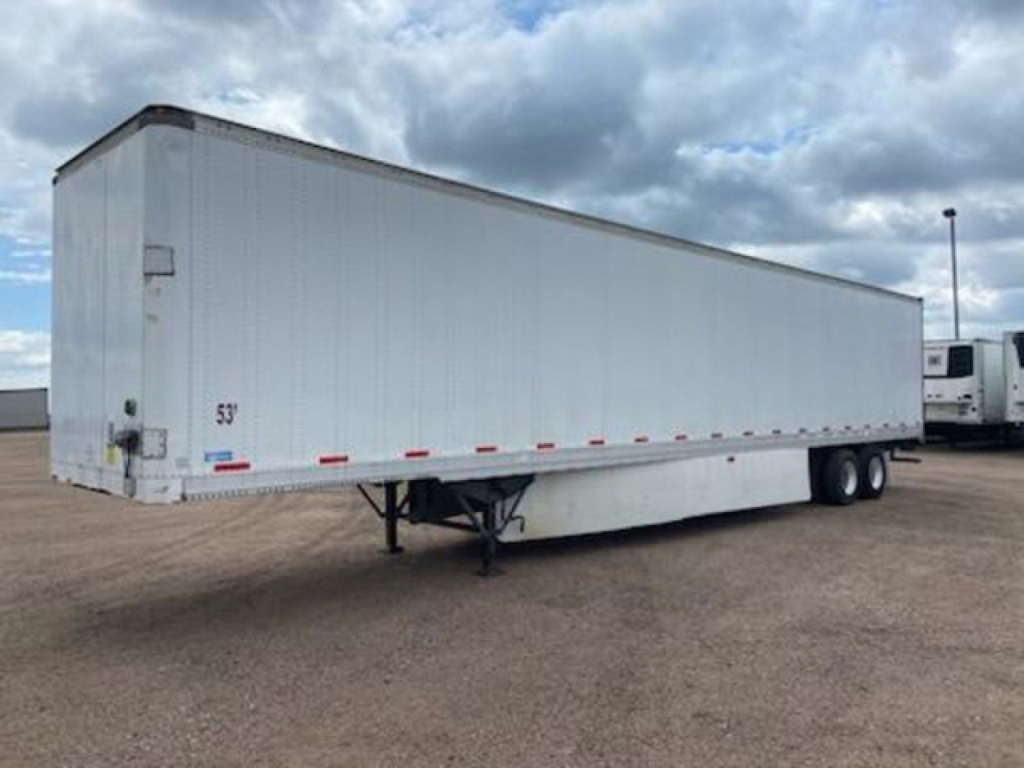
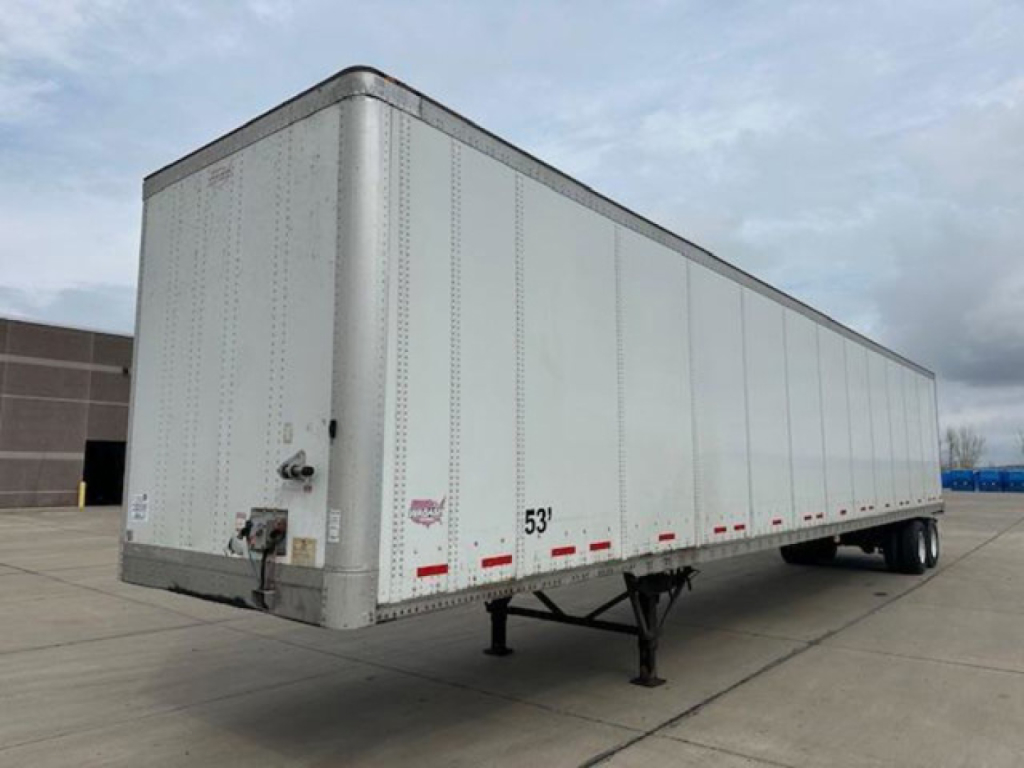
Selling a used 2014 trailer? List your used 2014 trailer for sale and reach thousands of commercial buyers.
Used 2014 Trailers in South Dakota
For dry vans, common 2014 specs include 53-foot lengths, air ride suspension, swing or roll-up doors, and either metal or plastic interior liners. Buyers comparing van trailers should pay attention to floor condition, sidewall scuffs, roof type, rear frame repairs, and door seal performance. A translucent roof can improve interior visibility for loading, while scuff liners and logistics posts matter more in higher-cycle freight service. On refrigerated trailers, reefer unit brand, engine hours, service history, lining condition, and door seal integrity usually matter more than paint or cosmetic appearance. Features like tire inflation systems, stainless lock boxes, and air ride suspension can add value in food-grade or long-haul applications.
If the trailer is built for aggregate, agricultural, or construction work, body style and structural condition become the main buying points. Dump and side dump trailers from this era should be checked for tub wear, frame stress, suspension condition, tarp operation, and any signs of cracking around high-load areas. In South Dakota, application matters because grain, livestock support, road building, and general freight all place different demands on suspension spec, axle spread, tire type, and body material. A trailer that spent its life in regional highway service will usually present differently than one used in off-road or quarry conditions.
A smart buyer shopping used 2014 trailers should compare axle and suspension setup, brake condition, tire tread across all wheel positions, door style, lining, roof construction, and any specialty equipment tied to the trailer’s intended cargo. Maintenance records, reefer hours where applicable, and evidence of prior structural repairs can tell you more than age alone. When a 2014 trailer has solid undercarriage condition, straight frame geometry, and the right freight-ready spec, it can still deliver strong value for fleets, owner-operators, and seasonal operators needing dependable capacity without late-model pricing.
Frequently Asked Questions about Used 2014 Trailers in South Dakota
What should I check first on a used 2014 trailer?
Start with the structural and running gear items that drive repair cost and uptime. Inspect the frame rails, crossmembers, suspension, axle alignment, brakes, wheel ends, tires, roof, floor, and rear door frame before focusing on appearance. On reefer trailers, reefer unit hours, maintenance records, and insulation or lining condition are also critical. A 2014 trailer can still be a sound purchase if the major components are straight, dry, and serviceable.
Are 2014 dry van trailers still a good buy?
Yes, many 2014 dry van trailers remain good fleet and owner-operator choices when they have a solid floor, sound roof, clean rear frame area, and properly functioning doors. Air ride suspension, a 53-foot length, and a clean interior liner are common features that support general freight use. The best value usually comes from units with consistent maintenance and limited structural repair history rather than simply low asking price.
What matters most when buying a used 2014 reefer trailer?
The reefer unit condition usually carries the most weight. Buyers should review unit brand, total hours, service intervals, start-stop performance, temperature pull-down, fuel system condition, and door seals. Trailer-side items such as lining condition, floor wear, air ride suspension, and tire inflation systems also affect long-haul reliability. A reefer trailer with a well-documented service history is generally a better risk than one with lower price but unknown maintenance.
How does South Dakota use affect a used trailer’s condition?
South Dakota operating conditions can accelerate wear in specific areas. Winter weather, road chemicals, gravel roads, and agricultural use can affect corrosion levels, suspension components, wiring, tarp systems, and tire wear. Buyers should look carefully underneath the trailer, around the rear frame, at brake plumbing, and at any exposed steel areas. A trailer used mainly on paved highway routes may show very different wear than one used in construction, farm, or off-road service.
Which trailer specs are most important to compare on a 2014 model?
Focus on specs that directly affect the trailer’s next job. Length, suspension type, axle configuration, door style, roof construction, interior lining, tire condition, and any specialty systems such as tire inflation or refrigeration equipment should all be compared closely. For dump or side dump trailers, tub dimensions, tarp setup, and frame condition are just as important. The right spec package will usually save more money over time than buying strictly by year or price.