
Used 2014 Trailers For Sale in Illinois
Browse used 2014 trailers for sale in Illinois, including dry vans and reefers with common specs, suspension, axle, floor, and door details.
Selling a used 2014 trailer? List your used 2014 trailer for sale and reach thousands of commercial buyers.
Used 2014 Trailers in Illinois
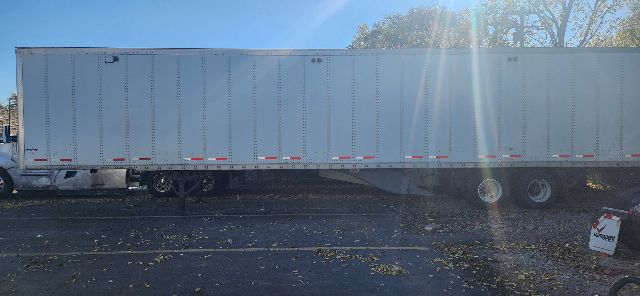
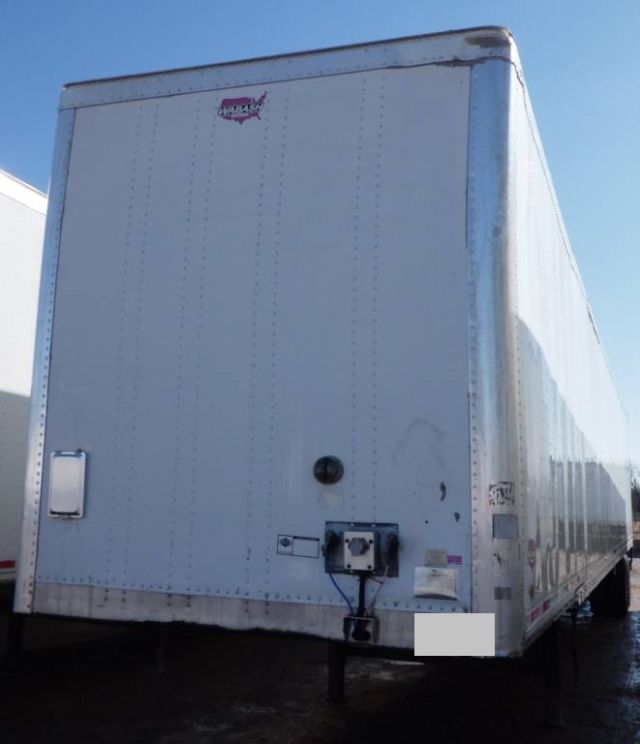
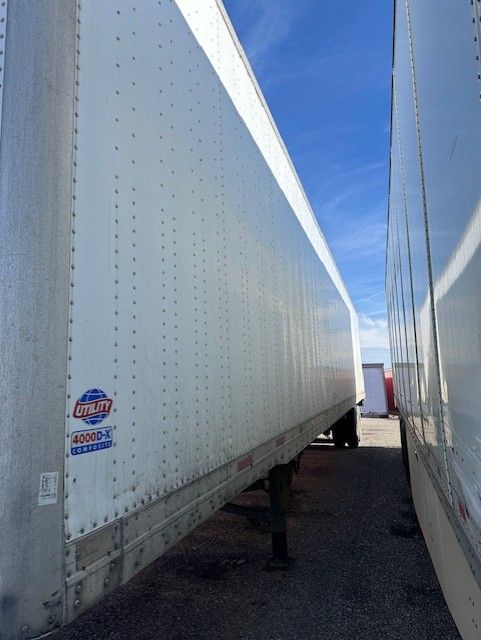
On dry vans, common features in this age group include aluminum or plate construction, 102-inch width, wood floors, scuff liners or scuff plates, threshold plates, logistics posts or E-track, and either swing or roll-up rear doors. Air ride suspension and sliding tandems are especially common on 2014-era road vans because they help with freight protection, axle compliance, and dock flexibility. Buyers should pay close attention to inside height, roof bow condition, sidewall repairs, crossmember integrity, and the condition of the rear sill and door frame. Tire inflation systems, side skirts, and disc wheels can add value if they are still serviceable, but structural condition and prior repair quality should carry more weight than add-on equipment.
For 2014 reefer trailers, the refrigeration unit is only part of the purchase decision. A trailer in this class should be evaluated as a complete temperature-control system that includes the box, insulation, door seal integrity, duct or chute setup, floor design, and unit hours. Common reefer specs include 53-foot length, aluminum construction, duct floors, stainless front radius panels, stainless rear frames, swing doors, air ride suspension, and sliding tandems. Buyers comparing 2014 reefers in Illinois should review reefer engine hours, maintenance history, evaporator and condenser condition, fuel tank condition, and whether the trailer has held consistent setpoint performance under load. Midwest seasonal extremes make insulation performance and door sealing more important than many buyers realize.
A used 2014 trailer can still be a strong value if it has the right maintenance background and the spec matches the lane. For regional and warehouse freight, a van with sound floors, straight rails, and clean logistics equipment may outperform a newer trailer with heavy dock damage. For cold chain work, a reefer with documented service records and a clean, tight body usually matters more than cosmetic appearance. Illinois operators should also consider bridge laws, tandem slide operation, 22.5 low-profile tire condition, brake type, and how easily replacement parts for the trailer body and refrigeration unit can be sourced through Midwest service networks.
Frequently Asked Questions about Used 2014 Trailers in Illinois
What should I check first on a used 2014 trailer?
Start with structural condition and application fit. On a 2014 trailer, inspect the frame rails, crossmembers, landing gear mounts, suspension, rear impact guard, rear sill, and door frame before focusing on cosmetic items. Floor condition is critical on dry vans, and body integrity is critical on reefers. Look for signs of hard dock impact, corrosion, patched sidewalls, roof damage, uneven tire wear, and poor-quality repairs. A solid older trailer with a clean maintenance history is usually a better buy than a newer one with structural damage.
Is a 2014 reefer trailer still a good buy?
A 2014 reefer can still be a good buy if the refrigeration unit, insulation package, and trailer body have been maintained properly. Unit hours, service records, fuel system condition, and temperature pull-down performance matter more than paint or cosmetic appearance. Check door seals, floor drains if equipped, duct floor condition, bulkhead area, and signs of moisture intrusion. In Illinois, where trailers see hot summers and freezing winters, reefer body integrity and seal quality have a direct effect on operating cost and cargo protection.
What are common specs on used 2014 dry van trailers?
Many used 2014 dry vans are 53 feet long and 102 inches wide, with aluminum or plate construction, wood floors, scuff liners, threshold plates, logistics posts or E-track, and either swing or roll-up rear doors. Air ride suspension and sliding tandems are very common in over-the-road fleet specs from this period. Some units also include side skirts, tire inflation systems, and disc wheels. The exact spec should match the freight, dock setup, and axle requirements of the operation.
Are sliding tandems important on a 2014 trailer in Illinois?
Yes. Sliding tandems are important for axle compliance, dock positioning, and weight distribution, especially in regional freight and warehouse operations common in Illinois. A tandem slider should move freely, lock correctly, and show no obvious damage to the slider rails, pins, or air release components. If the slider has been neglected, it can create delays, compliance issues, and repair expense. A working tandem slide is a functional requirement, not just a convenience.
How do I choose between a 2014 dry van and a 2014 reefer?
The choice comes down to freight type, maintenance tolerance, and revenue model. A 2014 dry van is simpler, lighter, and generally less expensive to maintain, making it a common choice for general freight, retail, packaging, and warehouse distribution. A 2014 reefer supports temperature-sensitive freight and can open higher-rate lanes, but it adds refrigeration system maintenance, fuel usage, and tighter inspection requirements. Buyers should choose based on the lane, customer requirements, and the service support available in their operating area.