
Used 2013 Trailers For Sale in Illinois
Browse used 2013 trailers for sale in Illinois, including dry vans, reefers, and other commercial trailer types with buyer-focused spec guidance.

Selling a used 2013 trailer? List your used 2013 trailer for sale and reach thousands of commercial buyers.
Used 2013 Trailers in Illinois
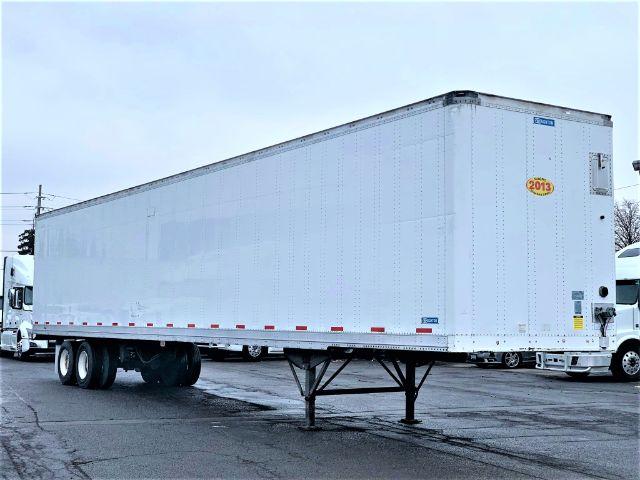
Dry vans from this era are often aluminum-bodied 45-foot to 53-foot units with 102-inch width, wood floors, plywood lining, scuff plates, threshold plates, and E-track or logistic post setups. Buyers should inspect floor wear, roof condition, sidewall repairs, rear frame integrity, and the condition of roll-up or swing doors. Air ride suspension is common and generally preferred for freight protection, while spring ride may still make sense for lower-cost regional use. Features such as tire inflation systems, side skirts, disc wheels, and sliding tandems can improve operating efficiency and resale appeal, especially for fleets running dense freight lanes through Illinois distribution corridors.
On refrigerated trailers, the reefer unit matters as much as the trailer body. A used 2013 reefer should be evaluated for hours, maintenance history, evaporator condition, insulation performance, floor type, rear door seal integrity, and chute or airflow setup. Buyers moving food, frozen freight, or pharmaceutical loads should confirm temperature pull-down performance and look closely at unit service records before purchase. Liftgates, stainless front radius panels, scuff liners, and aluminum floors can add value depending on the application, but deferred reefer maintenance can erase any upfront savings quickly.
Illinois buyers also need to think about corrosion exposure, title and registration compliance, and how the trailer will pair with the tractor fleet. Kingpin setting, overall height, dock compatibility, and tire size all affect day-to-day usability. A used 2013 trailer is often a practical choice for carriers, private fleets, and owner-operators who want lower acquisition cost without stepping too far back in spec. The best value usually comes from a trailer with a straight frame, clean crossmembers, consistent tire wear, solid brake components, and a body configuration that fits the freight instead of forcing operational compromises.
Frequently Asked Questions about Used 2013 Trailers in Illinois
What should I inspect first on a used 2013 trailer?
Start with the structural items because they are the most expensive to correct. Check the frame rails, crossmembers, landing gear mounts, suspension hangers, tandem slide rails, floor condition, roof, and rear frame. After that, inspect brakes, tires, hubs, lights, ABS function, and door operation. On reefers, add a full review of reefer hours, service records, and temperature performance.
Is a 2013 trailer still a good buy for commercial use?
A 2013 trailer can still be a strong value if it has been maintained properly and the core structure is in good condition. Many trailers from this model year remain productive in regional and over-the-road service. The key is not just age, but maintenance history, prior freight type, corrosion level, and whether major wear items such as floors, suspension components, brakes, and tires have been kept up.
What trailer specs matter most for Illinois freight operations?
Length, suspension, tandem configuration, door type, floor construction, and trailer weight are usually the most important specs. Illinois fleets often prioritize 53-foot dry vans and reefers with sliding tandems, air ride suspension, and dock-friendly overall dimensions. For dense freight and distribution work, E-track, scuff protection, tire inflation systems, and side skirts can also be important depending on the route and customer base.
How do I evaluate a used 2013 reefer trailer differently from a dry van?
A reefer trailer needs both a trailer inspection and a refrigeration unit inspection. In addition to checking the body, floor, suspension, and doors, review reefer engine hours, maintenance intervals, unit start-up behavior, fuel system condition, and temperature consistency. Insulation condition, chute setup, and door seals are critical because poor temperature control can limit the freight the trailer can legally and practically handle.
Are aluminum trailers from this era better than steel trailers?
Aluminum trailers are often preferred in van and reefer applications because they help reduce tare weight and resist rust better than steel bodies. That said, aluminum construction still needs careful inspection for cracks, impact damage, previous repairs, and corrosion in mixed-metal contact areas. The better choice depends on the application, expected payload, and the actual condition of the trailer rather than body material alone.