
Used 2012 Trailers For Sale in Texas
Shop used 2012 trailers in Texas, including dry vans, reefers, and more. Compare specs, suspension, doors, floors, and tandem setups.
Learn more
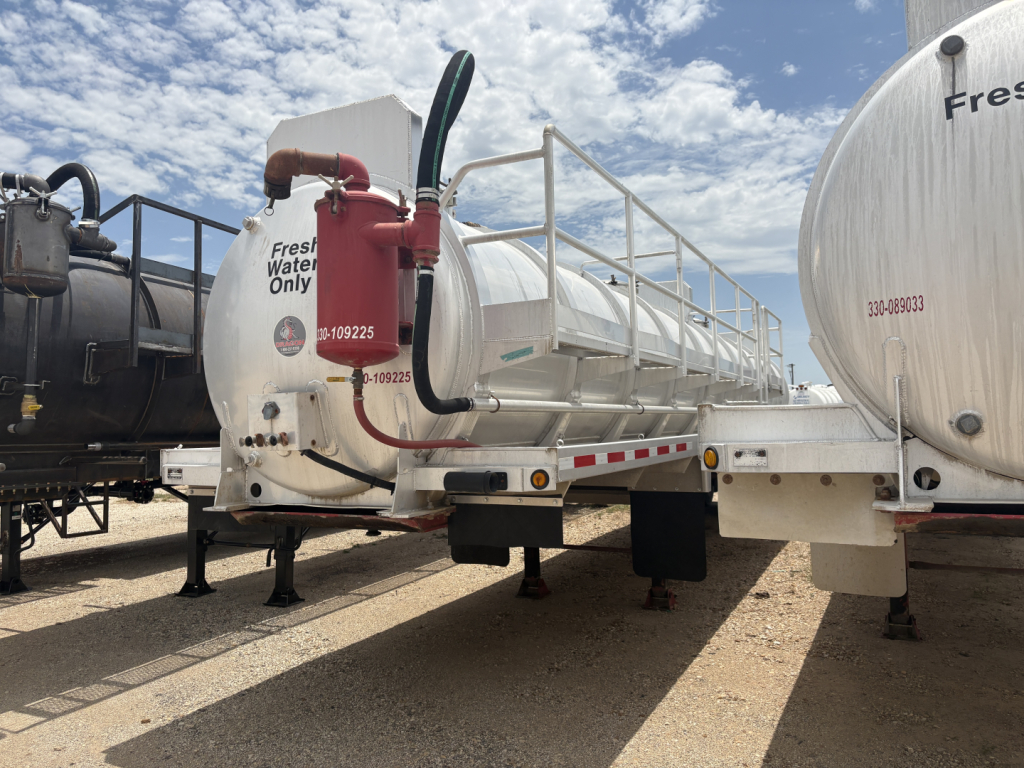
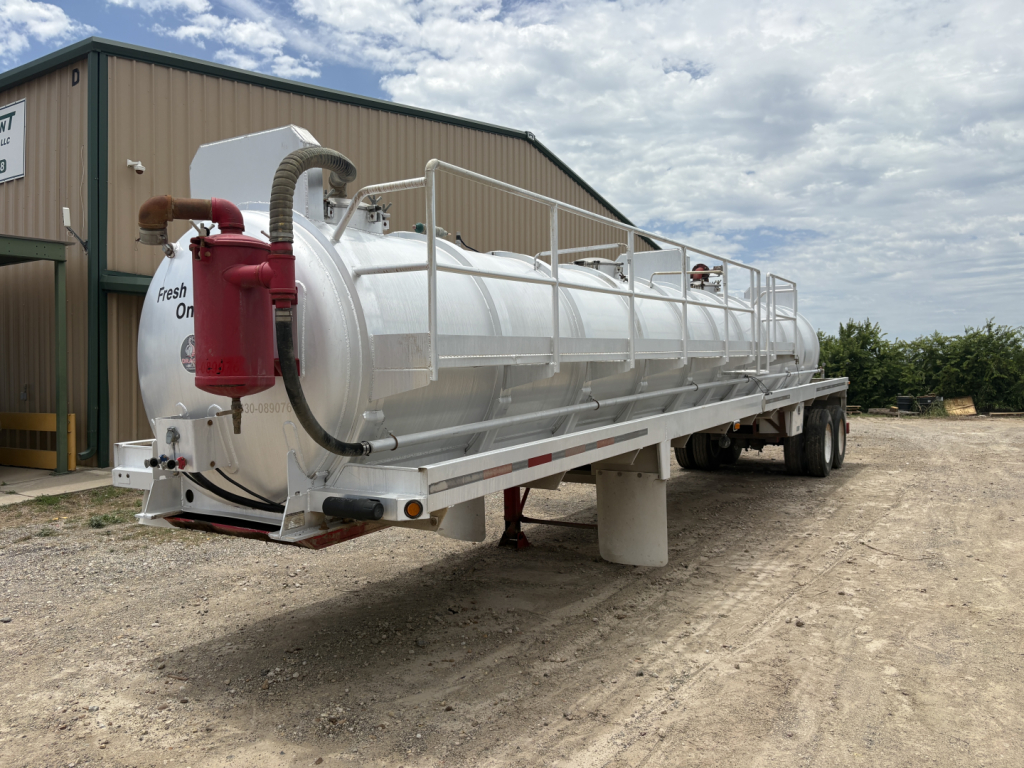
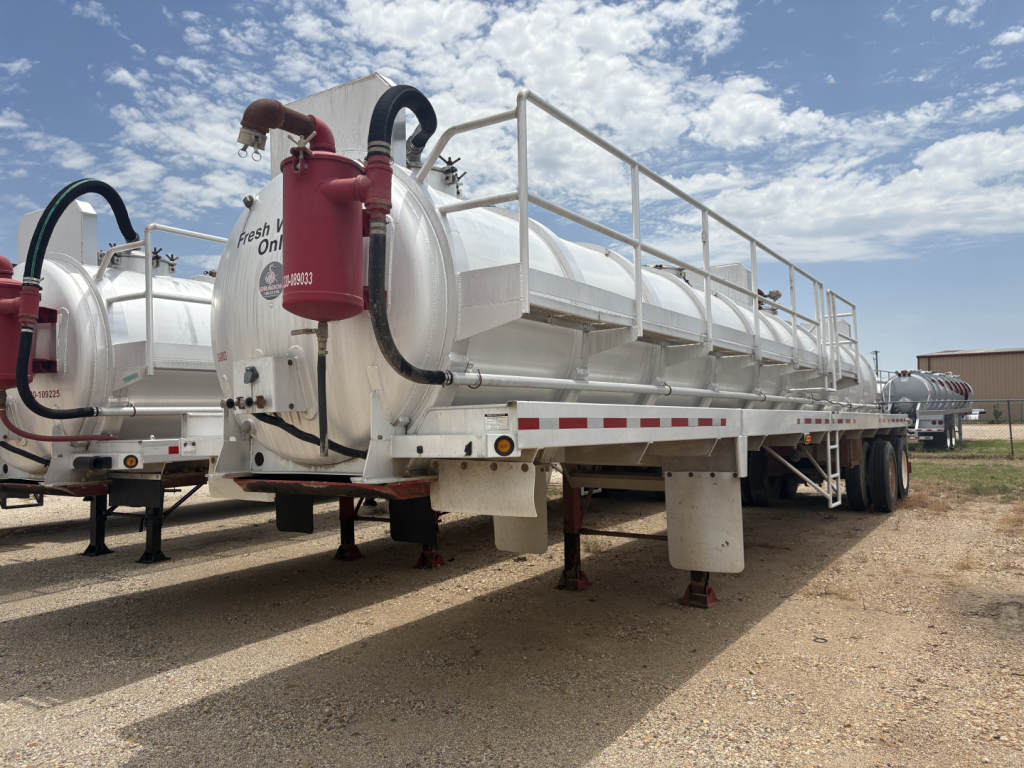
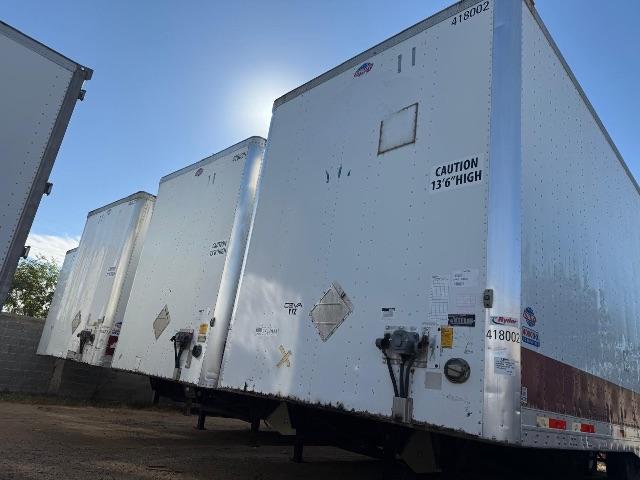
Showing 13 to 20 of 20 results
Have used 2012 trailer to sell? List it here to reach thousands of buyers.
About Used 2012 Trailers in Texas
For many buyers, the first decision is application. A 2012 van trailer, also known as a dry van trailer or box trailer, is typically chosen for general freight, palletized goods, and dock-to-dock work. Common specs include 53-foot length, 102-inch width, air ride or spring suspension, sliding tandems, swing or roll-up doors, wood floors, logistics posts, scuff liners, and 22.5 low-profile rubber. If the trailer is a reefer, pay attention to the refrigeration unit hours, evaporator condition, chute setup, floor type, door seals, and insulation integrity. Older reefers can still perform well, but deferred maintenance on the unit or body can turn a low purchase price into a high operating cost.
Running in Texas also puts extra emphasis on legality, axle spread, and tire condition. Sliding tandem operation should be smooth, locking pins should engage correctly, and suspension wear should be checked closely on any used 2012 trailer. Disc or drum brake condition, ABS function, wheel-end history, and tire age matter just as much as tread depth. On van and reefer trailers, buyers should inspect scuff plates, threshold plates, front wall repairs, ICC bumper condition, and signs of fork truck damage around the lower interior. For trailers used in grocery, retail, or LTL service, repeated dock impacts and frequent loading cycles often show up at the rear sill, hinges, and floor transition points first.
A good 2012 trailer purchase comes down to matching the trailer’s remaining life to the lane and revenue plan. Regional freight and short-cycle warehouse work may justify an older trailer with cosmetic wear but sound structure. Food-grade, high-cube, or shipper-sensitive freight usually calls for tighter seals, cleaner interiors, and better floor and wall condition. Buyers comparing used 2012 trailers for sale in Texas should weigh body condition, repair history, axle and suspension spec, door configuration, and maintenance records before focusing on price alone. A lower-cost trailer only makes sense if it can stay compliant, load efficiently, and avoid downtime.
Frequently Asked Questions
What should I inspect first on a used 2012 trailer?
Start with the frame, crossmembers, floor, roof, suspension, brakes, tires, and rear structure. On a 2012 trailer, structural condition matters more than appearance. Check for corrosion, cracked welds, bowed sidewalls, floor soft spots, door misalignment, and evidence of repeated dock or forklift damage. If it is a reefer, add refrigeration unit hours, service records, insulation condition, and door seal integrity to the inspection list.
Are used 2012 trailers still a good value for Texas fleets?
They can be, especially for regional freight, warehouse shuttles, seasonal demand, and cost-sensitive operations. The key is buying a trailer with solid structure and manageable maintenance needs. Texas service often means high heat, long miles, and frequent loading cycles, so buyers should expect wear on tires, brakes, suspension parts, seals, and flooring. A well-maintained 2012 trailer can still deliver value if it matches the intended application.
What trailer specs matter most on a 2012 dry van or reefer?
The most important specs usually include trailer length, width, interior height, suspension type, tandem setup, floor construction, door style, and tire and wheel package. On dry vans, logistics posts, scuff liners, plywood lining, and floor condition affect usability. On reefers, refrigeration unit type, unit hours, duct floor design, chute setup, insulation, and seal condition are critical. These specs directly affect payload handling, dock compatibility, maintenance cost, and resale potential.
How do I know if a 2012 reefer trailer is worth buying?
A 2012 reefer trailer is worth serious consideration when both the trailer body and the refrigeration system have been maintained properly. Review unit hours, preventive maintenance records, recent repairs, and operating performance under load. Inspect the evaporator area, bulkhead, floor channels, drains, interior lining, rear doors, and stainless rear frame sections. A reefer with poor insulation, bad seals, or a neglected unit can quickly erase any purchase savings.
Is air ride better than spring suspension on an older used trailer?
Air ride is often preferred for ride quality and cargo protection, especially in van and reefer applications, but condition matters more than suspension type alone on a 2012 trailer. Air bags, valves, shocks, and ride-height components need to be checked for leaks and wear. Spring suspension can be durable and simpler to maintain, but it may not offer the same ride characteristics. The best choice depends on freight type, maintenance approach, and how the trailer will be used.