
Used 2010 Trailers For Sale in New York
Have used 2010 trailer to sell? List it here to reach thousands of buyers.
Used 2010 Trailers in New York
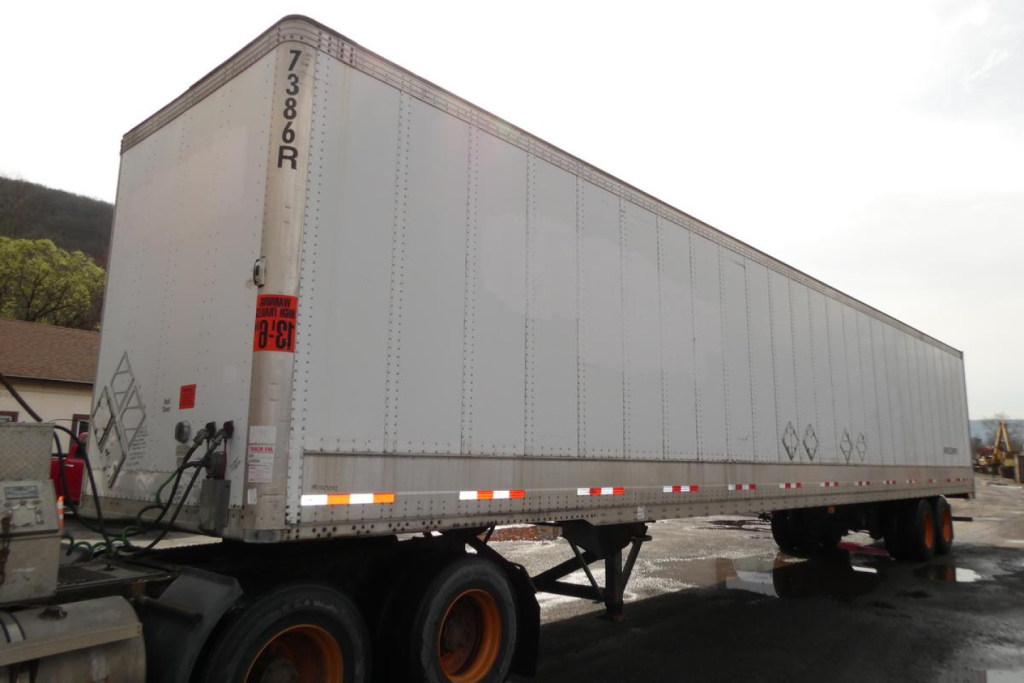
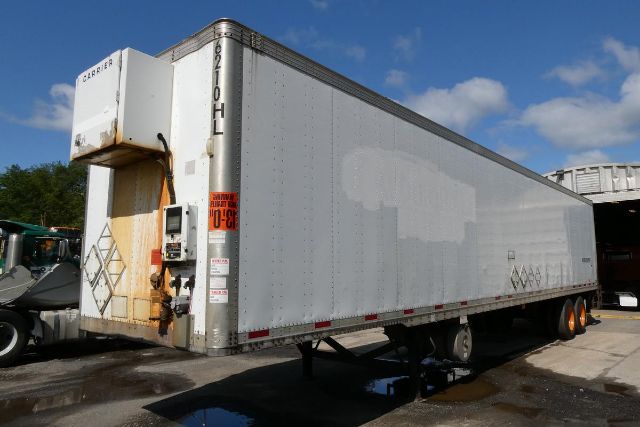
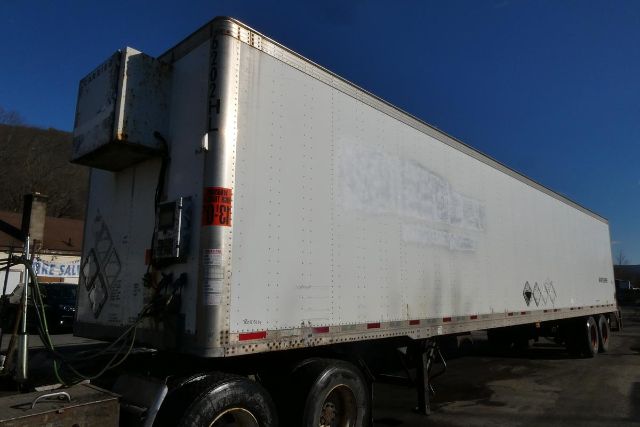
For van trailers, the key decisions are usually length, axle configuration, door style, and interior condition. In this age range, 28-foot pups and 48-foot to 53-foot dry vans are common, with fixed single, tandem, or sliding tandem setups depending on route and freight profile. Buyers should pay close attention to door frame damage, scuff liner condition, floor patching, moisture intrusion, and rear impact guard repairs. Roll-up doors can be useful for route freight and dock work, while swing doors are often preferred for full-load applications because they are lighter and simpler. Trailer composition also matters. Aluminum roofs and mixed steel-aluminum construction can help control tare weight, but repairs and corrosion history should still be inspected closely, especially in New York where winter road treatment can accelerate rust.
For flatbeds and other open-deck trailers, deck condition, main beam straightness, rub rail integrity, and securement provisions are front-line buying factors. A 2010 flatbed may have wood, steel, or combo flooring, and some are configured for specialty work such as carrying a truck-mounted forklift, building products, or steel. Check for cracked welds around suspension hangers, bent crossmembers, axle alignment issues, and uneven tire wear that may point to hard service or poor maintenance. If the trailer has sliding winches, pipe stakes, chain ties, or a headache rack, those features can add real value depending on the freight lane.
New York buyers also need to think about bridge law, axle spread, trailer height, and how the unit will operate in tighter urban and suburban environments. A 28-foot pup can be a strong fit for city deliveries, LTL relay work, and double setups, while a 53-foot tandem van is built for cube and dock efficiency on linehaul and warehouse freight. On any used 2010 trailer, service records, VIN history, current inspection status, brake type, tire size, wheel condition, and kingpin area wear deserve a close look before purchase. The right trailer in this year range can still deliver solid service life if the structure is sound, the running gear is straight, and the spec matches the job.
Frequently Asked Questions about Used 2010 Trailers in New York
What should I inspect first on a used 2010 trailer?
Start with the structure and running gear. Check the frame rails, crossmembers, floor, suspension mounts, slider assembly if equipped, landing gear, brakes, tires, and wheel ends. On van trailers, inspect the roof, side panels, door frame, and floor for leaks, patches, and forklift damage. On flatbeds, inspect the deck, main beams, rub rails, and tie-down points for distortion, cracking, or poor repairs. Cosmetic wear is expected on a 2010 trailer, but structural damage and corrosion are what drive repair cost and downtime.
Is a 2010 trailer too old for regular commercial use?
Not necessarily. A 2010 trailer can still be a dependable working asset if it has a sound frame, solid floor, good brakes and suspension, and a maintenance history that shows consistent upkeep. Trailer longevity depends more on prior application, environment, and repair quality than model year alone. Many 2010 trailers remain viable in regional freight, storage service, construction supply, and local delivery if the spec fits the operation and the unit passes a thorough inspection.
What trailer types are common in the used 2010 market?
The used 2010 market commonly includes dry vans, refrigerated trailers, flatbeds, step decks, container chassis, and short pup trailers. Dry vans in 28-foot, 48-foot, and 53-foot lengths are especially common, along with tandem and sliding tandem axle layouts. Flatbeds from this year often appear in building materials, machinery hauling, and forklift-assisted delivery applications. The right category depends on freight type, dock access, securement requirements, weight distribution, and route restrictions.
Why does New York use make trailer condition more important?
New York operating conditions can be tough on trailers because of winter salt exposure, freeze-thaw cycles, dense traffic, and frequent dock contact. Corrosion can show up around the rear frame, suspension components, crossmembers, and electrical connections. Urban use can also mean more door damage, sidewall scrapes, landing gear wear, and impact-related repairs. That makes underbody inspection, brake and light checks, and a careful review of prior repairs especially important for buyers in this market.
How do I choose between a 28-foot pup and a 53-foot van trailer?
A 28-foot pup is typically a better fit for city work, LTL operations, tight yards, and doubles service where maneuverability matters. A 53-foot van trailer is the standard choice for maximizing cubic capacity and dock efficiency in truckload and warehouse distribution. The decision comes down to freight volume, route density, dock layout, axle regulations, and whether the trailer will run local, regional, or linehaul service. Matching trailer length and axle configuration to the operation usually matters more than simply buying the biggest available box.