
Used 2010 Van Trailers For Sale in New York
Have used 2010 van trailer to sell? List it here to reach thousands of buyers.
Used 2010 Van Trailers in New York
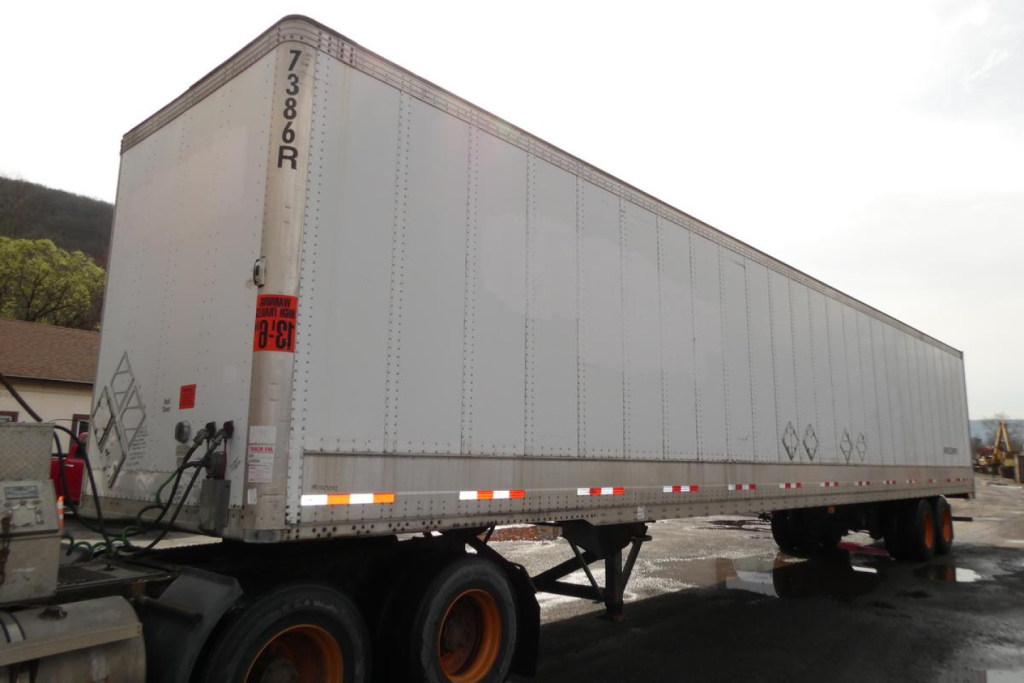
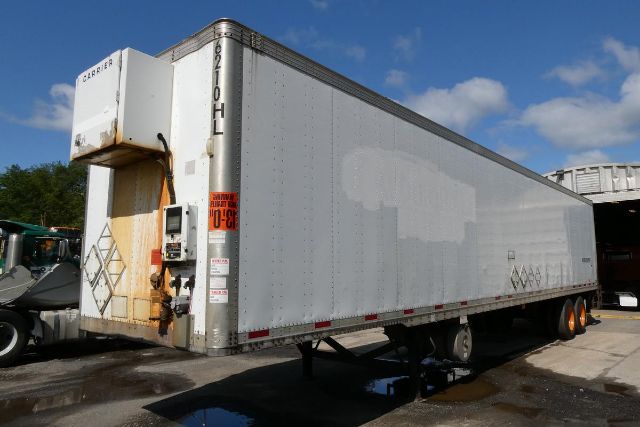
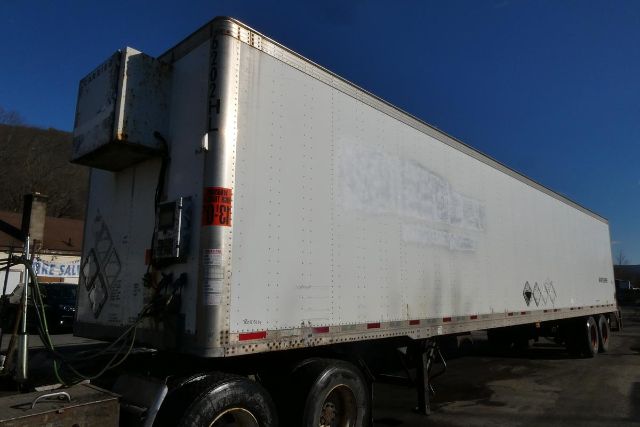
The most important spec decision is usually the running gear. A 28-foot single axle van can be a strong fit for P&D operations, LTL networks, and doubles applications where lower empty weight and maneuverability matter. A 53-foot dry van with a slideable tandem is the standard for dock freight, longer haul distribution, and maximizing pallet count. Many used van trailers from this era have spring suspension, air brakes, 22.5 low-profile tires, steel or aluminum wheels, and a GVWR around 68,000 pounds on tandem models. Buyers should also compare overall height, load height, and door opening dimensions, especially if freight includes taller pallet stacks, roll carts, or freight that must clear a roll-up door opening without losing usable cube.
Construction details make a real difference in long-term operating cost. Many 2010-era van trailers use aluminum side panels with steel components for strength, plus wood floors over steel or aluminum crossmembers. Floor condition is critical on a used dry van because concentrated forklift traffic can expose soft spots, fastener issues, or crossmember fatigue. Roll-up doors are common for multi-stop and dock work, while swing doors can offer a slightly wider clear opening and simpler repair in some operations. Look closely at roof condition, front wall integrity, side scuffs, logistics posts, and the door frame or stainless rear surround, since those areas take repeated impact in city and terminal service.
For New York operations, practical inspection points go beyond the basic spec sheet. Check tire age and matching sizes, brake condition, bushing wear, suspension equalizers, slider operation on tandem units, and signs of corrosion on the subframe, crossmembers, rear sill, and landing gear mounts. Confirm the trailer width is the standard 102 inches and review interior width for side-by-side pallet loading. If the trailer will run food, consumer goods, or higher-value freight, buyers often prioritize clean interior walls, functional scuff liners, secure logistics track, and a watertight roof. A well-matched used 2010 van trailer can still be a productive freight box if the structure is sound, the floor is forklift-ready, and the axle setup fits the lane and loading pattern.
Frequently Asked Questions about Used 2010 Van Trailers in New York
What should I check first on a used 2010 van trailer?
Start with the structural condition. Floor integrity, crossmembers, roof bows, side panels, rear frame, and landing gear mounts tell you more about remaining service life than cosmetic appearance. After that, inspect brakes, tires, suspension, hubs, air system, and on slider trailers make sure the tandem slides and locks correctly. On a dry van, water intrusion and forklift damage are two of the biggest value drivers.
What is the difference between a 28-foot van trailer and a 53-foot van trailer?
A 28-foot van trailer is commonly used as a pup trailer for city routes, terminal operations, and doubles service where maneuverability matters. A 53-foot van trailer is built for higher cubic capacity and full pallet count on regional or long-haul freight. The 53-foot size is the standard choice for distribution and dock freight, while the 28-foot size fits tighter delivery environments and certain LTL applications.
Are roll-up doors or swing doors better on a dry van trailer?
It depends on the job. Roll-up doors are popular for frequent dock stops and city work because they are quick to operate and stay clear of the dock area. Swing doors can provide a more open rear entry and are often simpler to repair after damage, but they require room behind the trailer to open fully. For many used van trailers, door condition and frame alignment matter as much as the door type itself.
Why does axle configuration matter on a used van trailer?
Axle setup affects payload flexibility, tire wear, maneuverability, and legal loading. Single axle pup vans are lighter and easier to move in tight areas, while tandem axle trailers carry more and are the standard for heavier freight. A slideable tandem can help with bridge law compliance and weight distribution, which is especially important in states and lanes where axle placement affects legal gross and handling.
What floor and body materials are common on used van trailers from this period?
Many dry vans from this era combine aluminum and steel construction. It is common to see aluminum sidewalls and roof panels paired with steel subframes or selected steel structural components. Floors are often wood over steel or aluminum crossmembers. This mix balances empty weight, repairability, and durability, but on any used trailer the real issue is present condition, especially around forklift travel paths and high-stress structural points.