
Used 2006 Trailers For Sale in New York
Browse used 2006 trailers for sale in New York, including vans, bulk and specialty trailers with key specs, applications, and inspection points.
Learn more
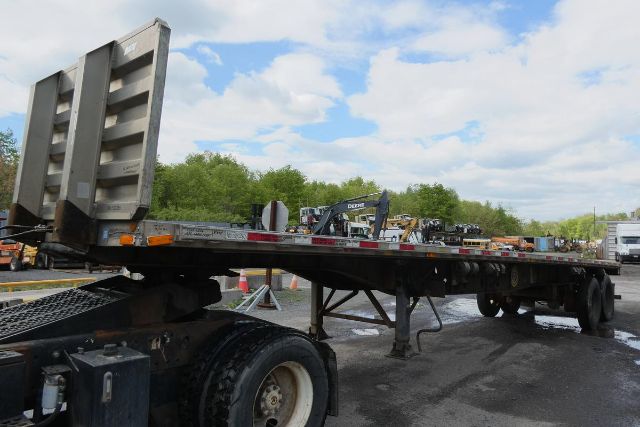
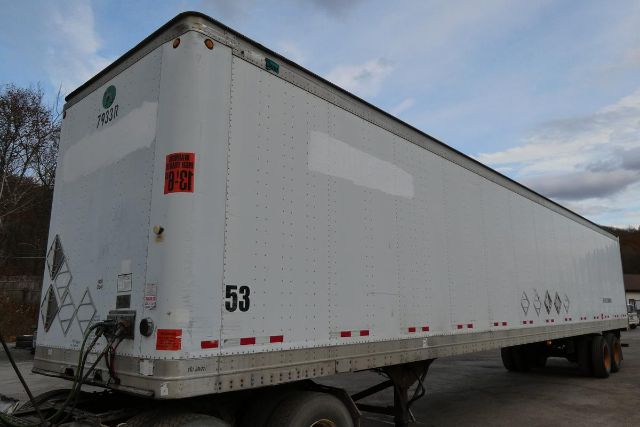
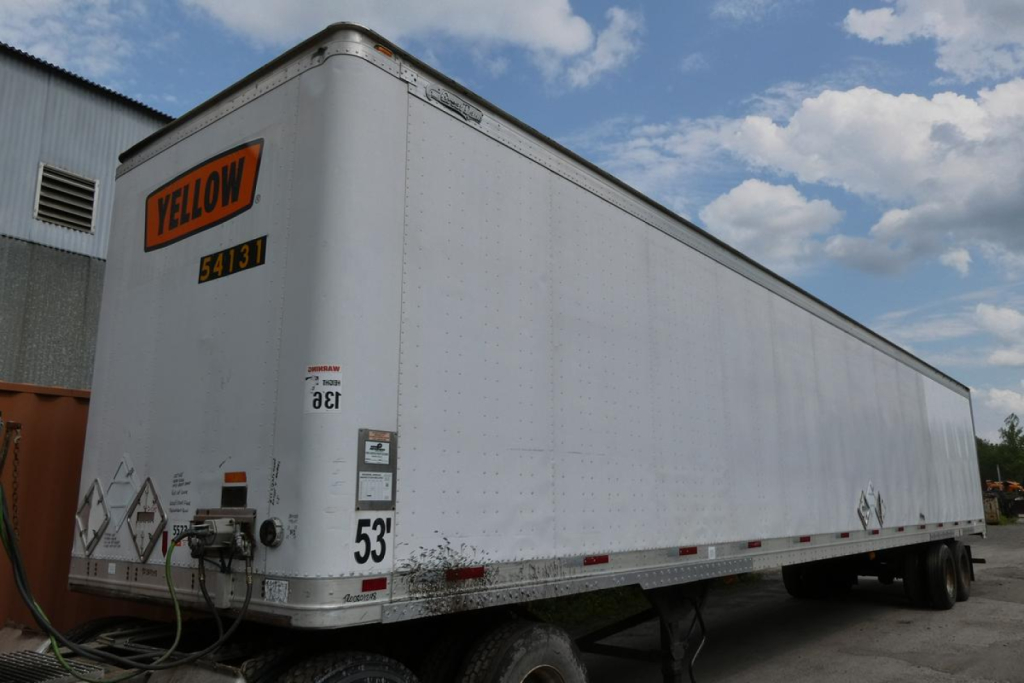
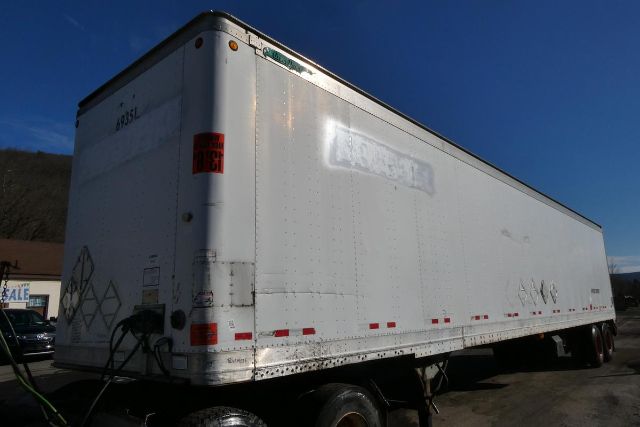
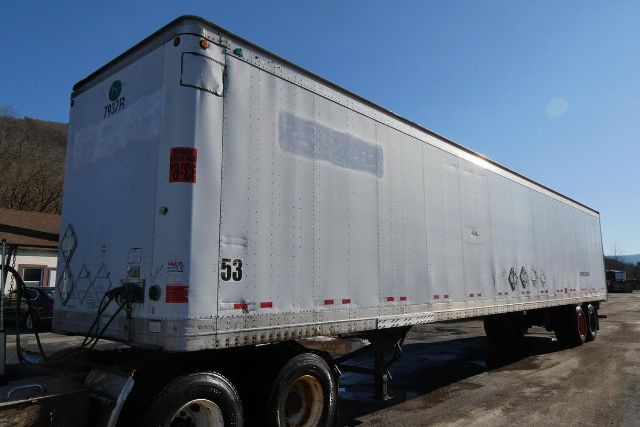
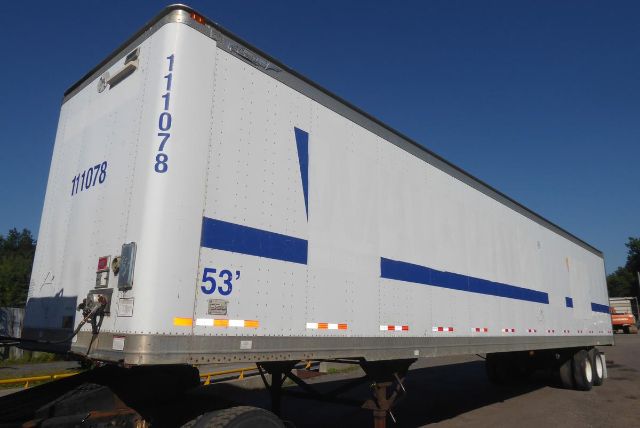
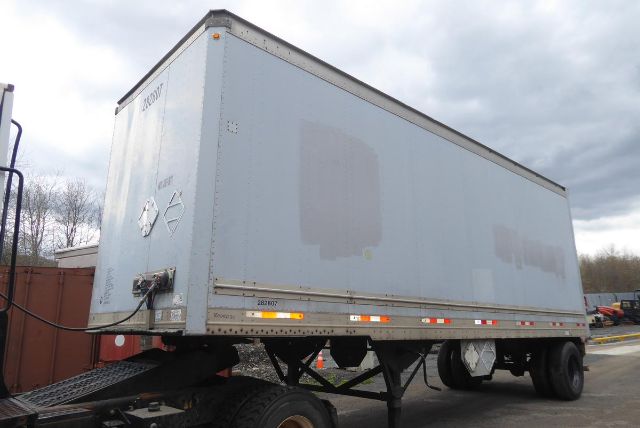
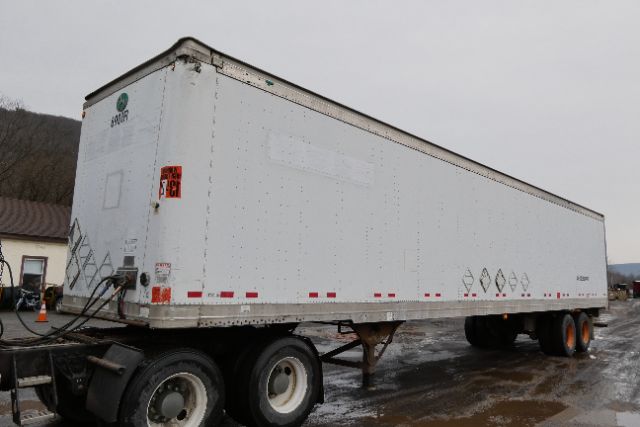
Showing 13 to 22 of 22 results
Have used 2006 trailer to sell? List it here to reach thousands of buyers.
About Used 2006 Trailers in New York
For van trailers, the common benchmark specs are 48-foot or 53-foot length, 102-inch width, tandem axles, air brakes, and either aluminum or aluminum-steel construction. Buyers should pay close attention to suspension type, slider function, floor condition, rear frame integrity, and door opening dimensions. A 2006 dry van, also known as an enclosed van trailer or box trailer, may have a wood-steel floor, roll-up or swing doors, scuff liners, logistics posts, and translucent or aluminum roof panels. In Northeast freight, a sound rear sill, clean crossmembers, and a floor that still handles concentrated forklift traffic are more important than cosmetic appearance.
For bulk and specialty trailers, the inspection focus shifts to vessel integrity, hopper and discharge condition, product plumbing, valves, and brake system health. Dry bulk pneumatic trailers from this era are often aluminum or aluminum-steel combinations with multiple hopper discharges, top fills, and product piping sized around the commodity being hauled. Capacity in cubic feet, discharge layout, and axle configuration have a direct effect on productivity and legal payload. Corrosion around fittings, frame attachment points, and suspension hangers deserves a close look, especially in a state where road salt is a factor.
A 2006 trailer buyer should also verify kingpin wear, tandem slide rails, ABS function, tire date codes, wheel-end condition, and signs of previous repairs at the nose, rear frame, or landing gear mounts. In New York operations, bridge formulas, tight delivery footprints, toll considerations, and winter maintenance exposure all influence the right spec. The best value in this age range is usually a trailer with a straightforward configuration, documented upkeep, and a structure that remains square, dry, and serviceable for the freight it is expected to handle.
Frequently Asked Questions
What should I inspect first on a used 2006 trailer?
Start with the structural items that are expensive to correct: frame rails, crossmembers, rear frame, landing gear mounts, suspension hangers, and kingpin area. Then check axle alignment, brake components, ABS operation, wheel ends, tire condition, and any signs of water intrusion or floor failure. On van trailers, the floor, roof, and door frame tell you a lot about how the trailer was used. On bulk trailers, focus on the vessel, hoppers, valves, and product plumbing.
Are 2006 dry van trailers still viable for regional or local freight?
Yes, many 2006 dry vans are still viable if the structure is sound and the floor, suspension, brakes, and doors are in working order. Age by itself is less important than maintenance history and previous freight type. A trailer that spent its life on moderate regional runs may present better value than a newer unit with heavy dock abuse or repeated forklift damage. Buyers should match the trailer's interior condition and dimensions to the freight they plan to haul.
What are common specs on a 2006 trailer?
Common specs vary by category, but many road trailers from that period feature tandem axles, air brakes, 22.5-inch rubber, and either spring or air-ride suspension depending on application. Dry vans are commonly 48 or 53 feet long and 102 inches wide, with aluminum, steel, or combination construction. Specialty trailers such as pneumatic dry bulk units may be set up with multiple hoppers, top fills, and different pipe and valve sizes based on the commodity.
Does New York use change what trailer spec makes sense?
Yes. New York operations put more emphasis on maneuverability, corrosion resistance, brake condition, and compliance-related details. Urban and regional routes may favor durable doors, healthy slider assemblies, and a trailer that tracks well in tight docks and congested traffic. Winter road treatment also makes undercarriage corrosion and electrical system condition more important than they might be in drier regions.
How do I judge value on a used 2006 trailer?
Value comes from remaining service life, not just purchase price. A lower-cost trailer can become expensive if it needs floors, brakes, tires, suspension work, rear frame repair, or bulk system components right away. Compare empty weight, body material, axle setup, and repair history against the intended freight. The best buy is usually the trailer that can be put to work with minimal downtime and no major structural surprises.