
Used 2006 Great Dane Trailers For Sale in New York
Browse used 2006 Great Dane trailers in New York. Compare dry van specs, lengths, tandem setups, doors, suspension, and trailer condition.
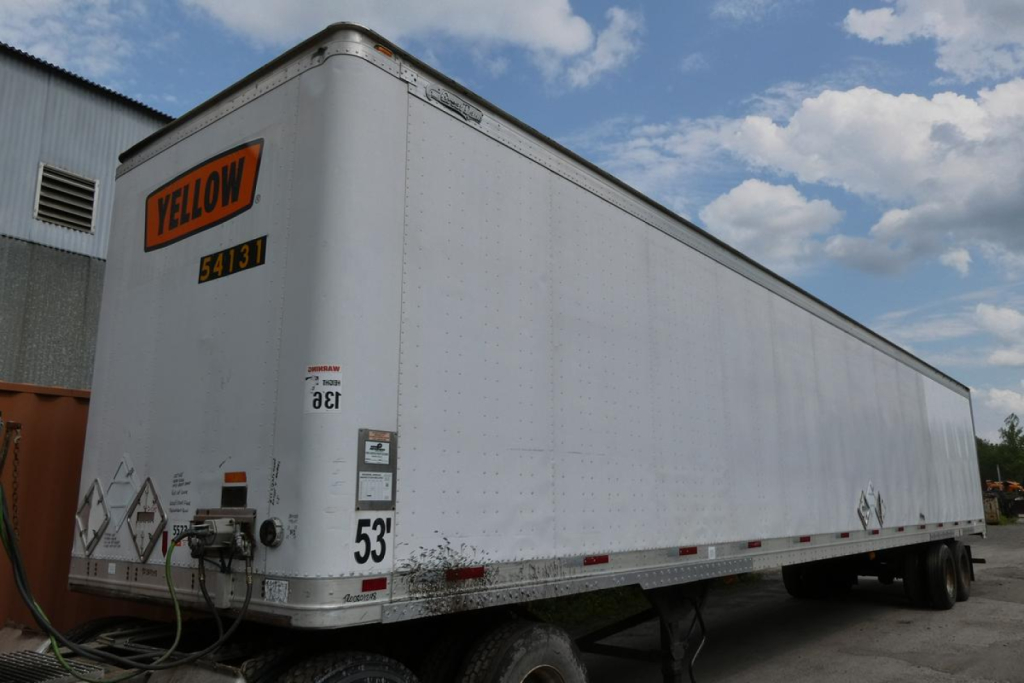
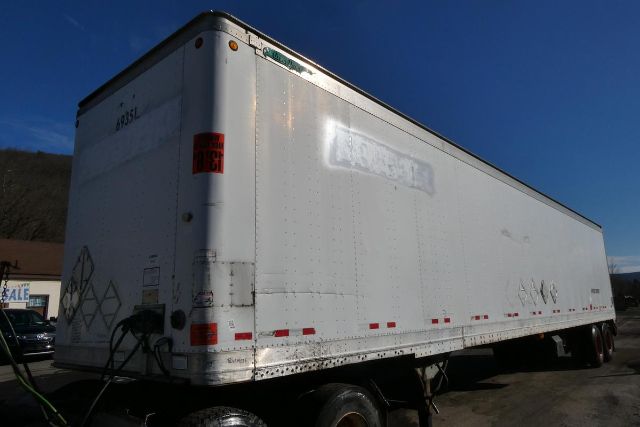
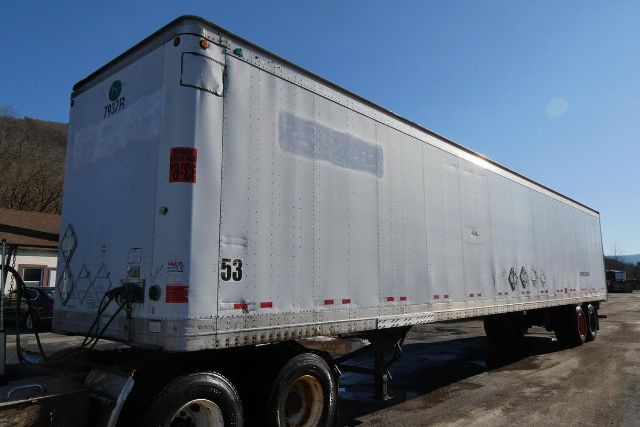
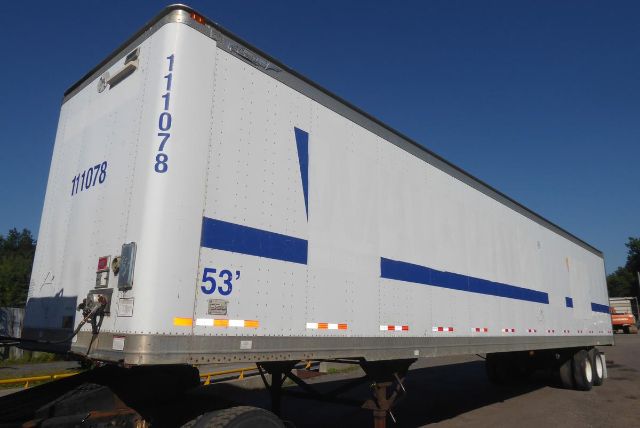
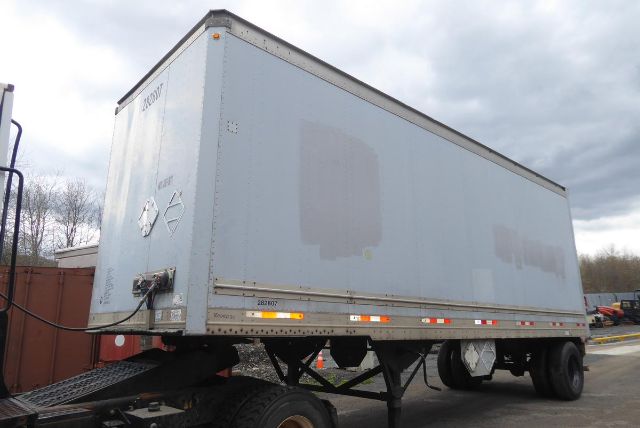
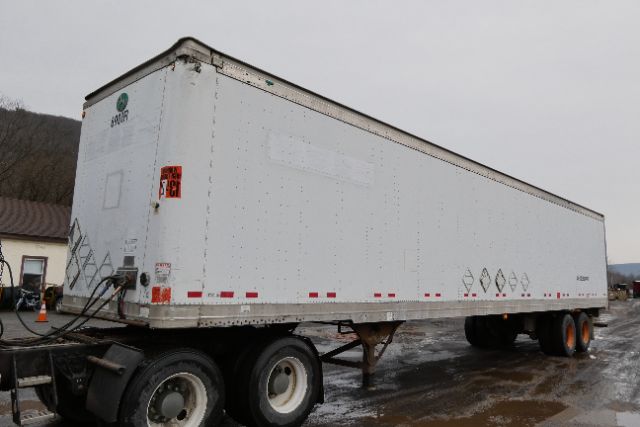
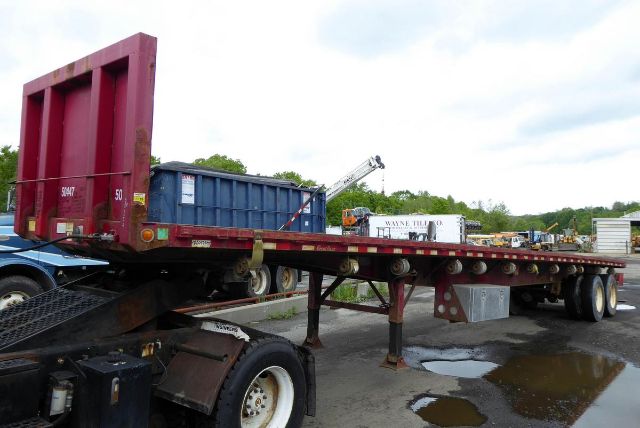
Selling a used 2006 great dane trailer? List your used 2006 great dane trailer for sale and reach thousands of commercial buyers.
Used 2006 Great Dane Trailers in New York
The biggest buying decision is usually condition, not brand alone. On a 2006 Great Dane van trailer, pay close attention to the roof, rear frame, crossmembers, flooring, and door operation. Many trailers from this era use aluminum construction with wood or wood-over-steel floors, and those details matter if the trailer has seen heavy forklift traffic. Check for soft spots in the floor, patched or cracked crossmembers, rub rail damage, and corrosion around the rear sill and door frame. If the trailer has a translucent or transparent roof, inspect for leaks, aging panels, and signs of prior repair. Roll-up doors can be a plus for tight docks, but cable condition, balance, and track wear should be inspected closely.
Running gear specs are just as important. Slideable closed tandems are common on Great Dane vans from this period and matter for bridge law compliance, dock positioning, and weight distribution. Suspension may be air ride or spring ride, and each has tradeoffs. Air ride helps protect freight and can improve ride quality, while spring ride is simpler and often cheaper to maintain. Buyers should also review tire size, wheel type, brake condition, hub and seal leakage, and any tire inflation system if equipped. A typical GVWR in this class is 68,000 pounds, but payload depends heavily on actual empty weight and the trailer's structural condition.
For New York operations, trailer dimensions and axle placement can affect route flexibility, toll considerations, and urban delivery practicality. A 48-foot Great Dane may suit tighter metro work better than a full 53-footer, while a 53-foot van remains the standard for maximizing cube on linehaul freight. Dry van buyers should also look for interior features such as scuff liners, logistics posts, E-track, duct flooring, and repair history around the nose and side panels. A well-kept 2006 Great Dane trailer can still be a productive asset if the structure is sound, the doors seal correctly, the tandems slide as they should, and the maintenance record supports the condition you see in person.
Frequently Asked Questions about Used 2006 Great Dane Trailers in New York
What should I inspect first on a used 2006 Great Dane dry van trailer?
Start with the structural items that are expensive to repair. Inspect the floor for forklift damage, soft spots, and patched sections. Look underneath at crossmembers, landing gear mounts, tandem slider rails, suspension hangers, and the rear sill. Then check the roof, side panels, and door frame for leaks, corrosion, and impact damage. On a trailer from this model year, overall structural condition usually matters more than cosmetic appearance.
Are 2006 Great Dane trailers typically aluminum or steel?
Many Great Dane van trailers from this era use aluminum construction for the body, often combined with wood or wood-over-steel flooring. That setup helps reduce tare weight while maintaining good durability for general freight use. Buyers should still verify the floor composition, rear frame condition, and any steel reinforcements because corrosion and wear patterns can vary depending on use, climate, and prior repairs.
Is a slideable tandem important on a used Great Dane trailer?
Yes. A slideable tandem gives the trailer more flexibility for axle weight distribution, bridge law compliance, and dock approach. It can be especially useful in mixed regional and over-the-road service where freight weight and lane requirements change. On a used trailer, make sure the slider mechanism locks correctly, the rail is not excessively worn, and there is no major damage around the suspension or pin settings.
What length is more practical, a 48-foot or 53-foot 2006 Great Dane trailer?
That depends on the freight and operating area. A 53-foot dry van gives you the most cube and is the standard choice for linehaul and high-volume freight. A 48-foot trailer can be easier to maneuver in tighter urban areas and some older dock environments. In New York, buyers often weigh city access, dock space, and route constraints against the higher capacity of a 53-footer.
What rear door style is better on an older dry van trailer, roll-up or swing doors?
Each has advantages. Roll-up doors are convenient at busy docks and reduce the chance of door damage from wide opening swings, but they have more moving parts and need close inspection for cable, spring, and track wear. Swing doors usually provide a full-height opening and simpler hardware, but hinge, seal, and frame condition are critical. On an older trailer, the better choice is usually the one in better operating condition with a solid rear frame and a good seal.