
Used 2006 Trailers For Sale in Nebraska
Browse used 2006 trailers in Nebraska, including dry vans and reefers. Compare specs, suspension, doors, lining, and trailer condition.
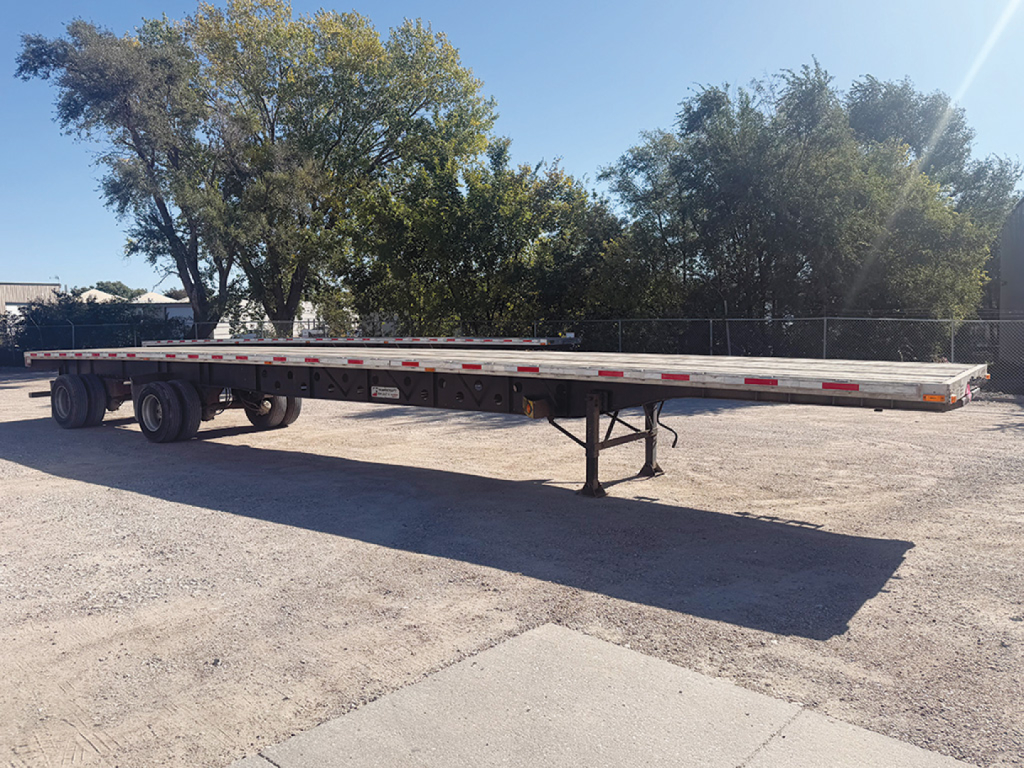
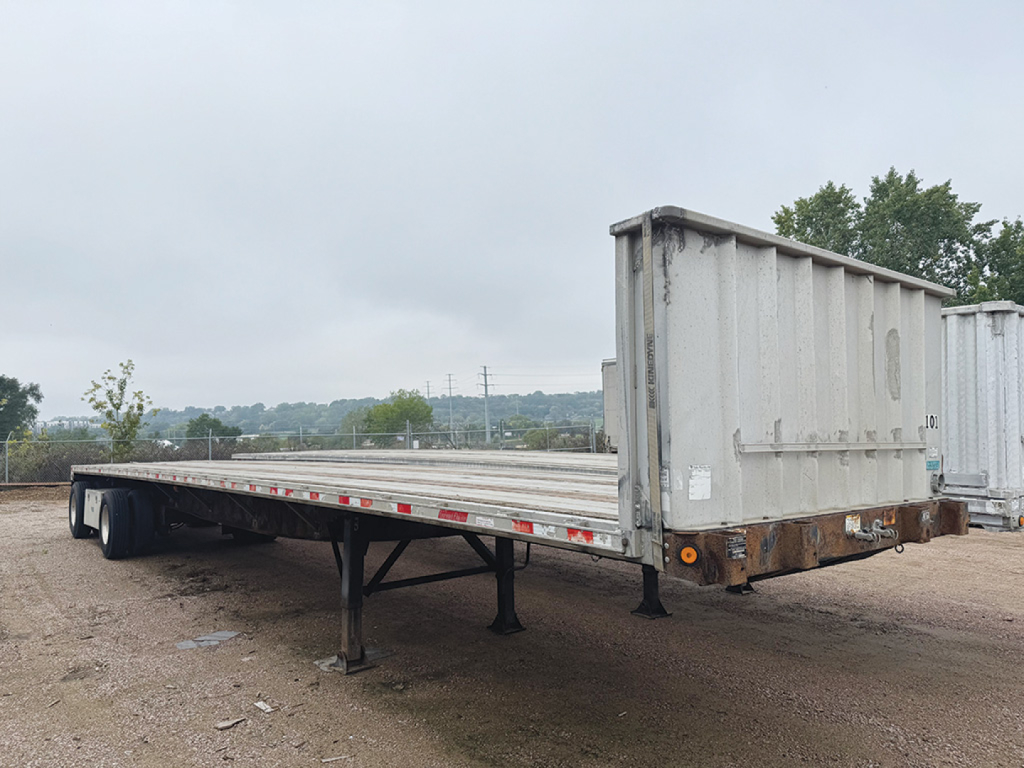

Selling a used 2006 trailer? List your used 2006 trailer for sale and reach thousands of commercial buyers.
Used 2006 Trailers in Nebraska
For dry van trailers, pay close attention to lining, roof construction, rear door configuration, and signs of previous dock or forklift damage. Plywood, metal, and composite liners each affect repair cost and day-to-day durability. Roll-up doors can be convenient for frequent stops, but swing doors generally seal better and are simpler to service. Roof type also matters. Aluminum roofs are common, while translucent roofs can improve interior visibility for loading. On older vans, floor wear around the threshold, crossmember corrosion, sidewall repairs, and rivet line condition tell you more than the model year alone. Suspension is another key spec, with air ride remaining popular for ride quality and cargo protection.
For refrigerated trailers, the reefer unit is only part of the purchase. Buyers should evaluate unit hours, service history, insulation performance, lining condition, scuff liner height, door seals, and the overall ability of the trailer to hold temperature under load. Older reefer trailers are often repurposed for storage, local distribution, or short-haul food service work, but a well-maintained unit can still support revenue service in the right lane. Thermo King and Carrier units are the most common on this class, and repair access, controller age, and fuel system condition should all be reviewed. In Nebraska, where seasonal temperature swings are significant, door seal quality and bulkhead condition can directly affect operating cost.
A smart 2006 trailer purchase starts with the total cost to put it to work. Check kingpin wear, tandem slide operation if equipped, brake component life, tire date codes, wheel-end condition, ABS status, and any evidence of previous structural repairs. For dry freight, focus on cubic capacity, loading pattern, and dock compatibility. For reefer work, verify pull-down performance and operating stability rather than assuming the unit is road-ready because it starts. Older trailers can still earn well in dedicated lanes, yard storage, and secondary fleets when the spec is right and the trailer has been maintained with a clear purpose in mind.
Frequently Asked Questions about Used 2006 Trailers in Nebraska
What should I inspect first on a used 2006 trailer?
Start with the structure and safety items before looking at cosmetic details. Check the frame rails, crossmembers, floor condition, roof, rear header, and sidewalls for rust, cracks, patches, and collision repairs. Then inspect brakes, tires, wheel ends, suspension components, lights, and ABS function. On a trailer of this age, structural soundness and running gear condition have a bigger impact on value than brand name alone.
Is a 2006 dry van trailer still a good investment?
A 2006 dry van can still make sense for local hauling, dedicated contract freight, storage use, or lower-mileage regional work if the floor, doors, suspension, and understructure are in good shape. The best candidates are trailers with consistent maintenance, limited structural damage, and specs that match the freight. Buyers should budget for wear items and expect condition differences from one unit to another to be significant, even among trailers from the same manufacturer.
How do I evaluate a used 2006 reefer trailer?
Look beyond whether the reefer unit starts. Review engine hours, maintenance records, controller operation, fuel system condition, and evidence of regular preventive service. Then inspect the box itself for insulation performance, interior liner damage, door seal condition, floor channel cleanliness, and signs the trailer can hold temperature. A reefer trailer with a tired box can be more expensive to operate than one with higher hours but better structural and thermal integrity.
What trailer specs matter most for Nebraska operations?
In Nebraska, buyers often prioritize 53-foot length, air ride suspension, reliable door seals, and strong tire and brake condition because of long highway miles, weather swings, and mixed freight applications. For reefers, insulation quality and unit reliability are especially important in both summer heat and winter cold. For dry vans, floor durability and dock-friendly rear door configuration matter when trailers are used for agricultural products, warehousing, and regional distribution.
How much does trailer age matter compared with trailer condition?
On a used 2006 trailer, age sets expectations, but condition determines utility and value. Two trailers with the same year can differ widely based on mileage, maintenance, freight type, climate exposure, and repair history. Buyers usually get the best result by treating the model year as a starting point and making the final decision based on inspection findings, maintenance records, and the cost to make the trailer compliant and dependable for the intended job.