
Used 1999 Trailers For Sale in New York
Browse used 1999 trailers for sale in New York, including van, reefer, and freight trailer options with common specs, axle setups, and dimensions.
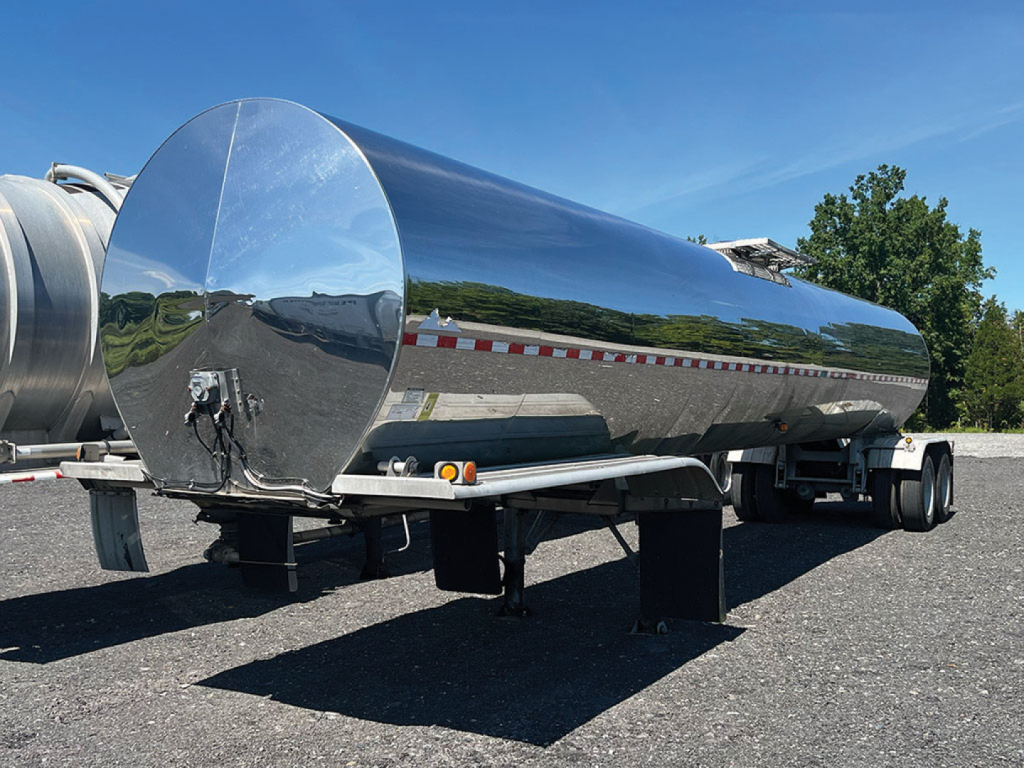
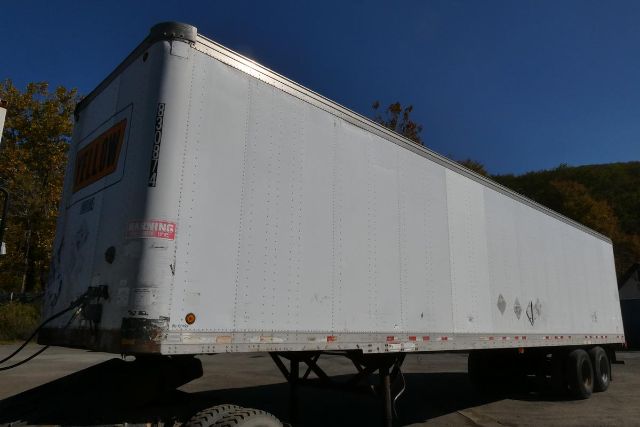
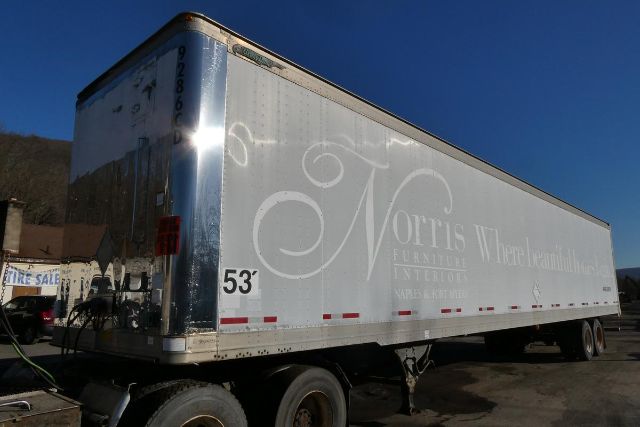
Have used 1999 trailer to sell? List it here to reach thousands of buyers.
Used 1999 Trailers in New York
For New York operations, dimensions, door style, and axle configuration deserve extra scrutiny. Many older trailers on the market have sliding tandems, closed tandem setups, air brakes, and 22.5 low-profile rubber, but the condition of the slider rails, suspension components, brake chambers, bushings, and hub assemblies can vary widely on a 1999 model. Buyers moving urban freight or dock-to-dock LTL often prefer vans with roll-up doors, scuff liners, E-track, and threshold plates, while linehaul and warehouse freight can make better use of swing doors for maximum rear opening. If the trailer will run in the Northeast year-round, inspect the frame, rear sill, crossmembers, door surrounds, and roof bows closely for corrosion, prior patching, and fatigue.
Construction details matter more on an older trailer than brand name alone. Aluminum trailers generally offer lower tare weight and better corrosion resistance, while composite aluminum-steel designs may bring a different repair profile and operating weight. Check floor composition carefully, especially on wood-over-steel floors that may have seen forklift traffic for decades. Load height and internal width are important if the trailer is expected to handle palletized freight, beverage, retail, paper, or mixed LTL. On older reefers, look for duct floors, scuff plates, stainless front radius panels, and door seal condition, then verify hours and service records on the Thermo King or Carrier unit if equipped.
A 1999 trailer is often bought for regional freight, storage, yard spotting, seasonal overflow, or lower-cost over-the-road use. The right unit can still deliver value, but buyers should evaluate it as a system rather than a shell. Suspension type, tandem slide operation, brake setup, tire age, wheel type, kingpin area wear, roof integrity, and door function all affect what the trailer will cost after purchase. For many fleets and owner-operators, the best buy in this class is the trailer with the cleanest structural condition, the most usable interior, and the fewest deferred maintenance items, not simply the lowest purchase price.
Frequently Asked Questions about Used 1999 Trailers in New York
What should I inspect first on a used 1999 trailer?
Start with structural condition. Inspect the frame rails, crossmembers, floor, roof, rear frame, kingpin area, and suspension mounts before focusing on tires or cosmetic issues. On a 1999 trailer, hidden corrosion, cracked crossmembers, rotten flooring, damaged rear sills, and worn tandem slider components can turn a low purchase price into a costly repair project. A sound structure usually matters more than paint, decals, or minor body damage.
Are 1999 dry vans still worth buying for freight use?
They can be, if the trailer has a solid floor, functional brakes, a straight frame, and doors that seal and operate properly. Many 1999 dry vans are still used for regional hauling, warehouse shuttles, storage, and seasonal freight. The key is matching the trailer to the job. An older van that is not ideal for premium over-the-road service may still be very useful for local freight, dedicated lanes, or drop trailer applications.
What trailer specs are common on 1999 models?
Common specs on 1999 trailers include 48-foot or 53-foot overall length, 102-inch width, air brakes, tandem axles, steel or aluminum wheels, and either spring ride or air ride suspension. Dry vans from this period often have wood floors over steel crossmembers and swing doors, though roll-up doors are also common on certain applications. Reefer trailers may include aluminum duct floors, scuff liners, and older refrigeration units that require close inspection for hours, maintenance history, and parts support.
Is a 1999 reefer trailer a good buy compared with a dry van?
A 1999 reefer can still have value, but it usually requires a deeper inspection than a dry van. Buyers need to assess the trailer body, insulation integrity, floor wear, door seals, bulkhead condition, and the refrigeration unit itself. Unit hours, engine condition, service records, and parts availability are critical. If the reefer unit is weak or unsupported, the trailer may be better suited for storage or non-temperature-critical use unless the purchase price leaves room for major repairs.
What matters most for buying an older trailer in New York?
Corrosion exposure, brake condition, lighting, tire condition, and overall structural integrity matter most in New York. Northeast weather, road salt, and stop-and-go service can accelerate wear on rear frames, crossmembers, suspension parts, and electrical systems. Buyers should also think about route type, dock conditions, and urban maneuverability. A trailer that looks acceptable on the outside may still need significant work underneath, so an underbody inspection is especially important in this region.