
Used 1999 Trailers For Sale
Shop used 1999 trailers by type, size, and spec. Compare van, bulk, and specialty trailer features, axle setups, doors, suspension, and materials.

Selling a used 1999 trailer? List your used 1999 trailer for sale and reach thousands of commercial buyers.
Used 1999 Trailers
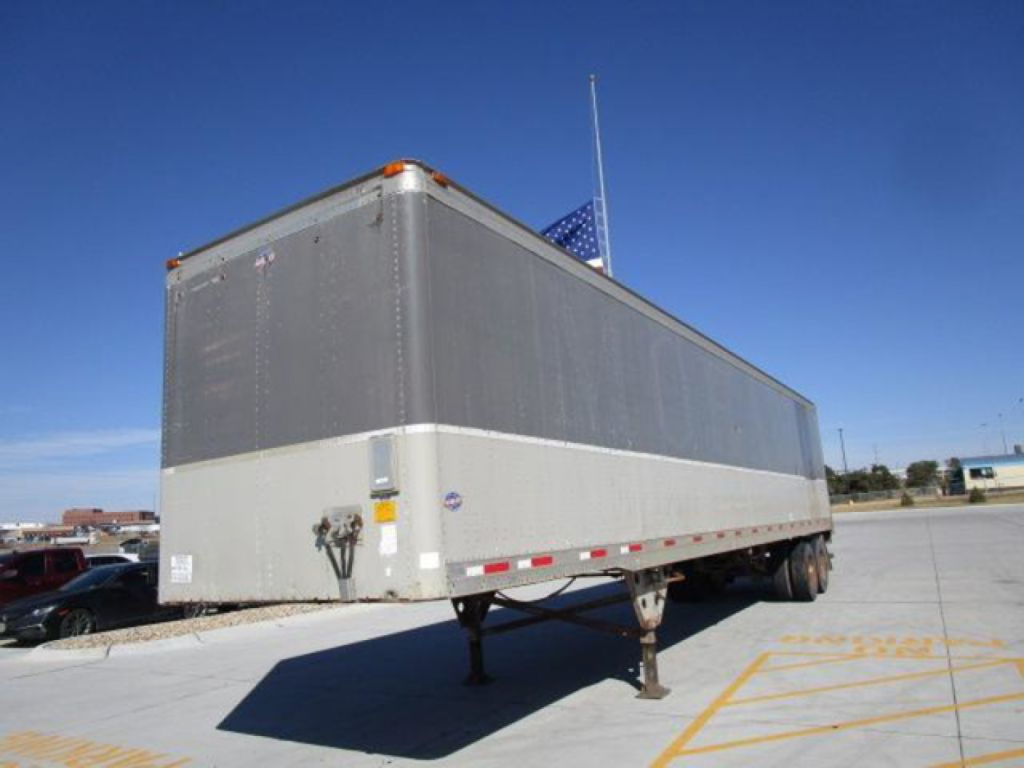
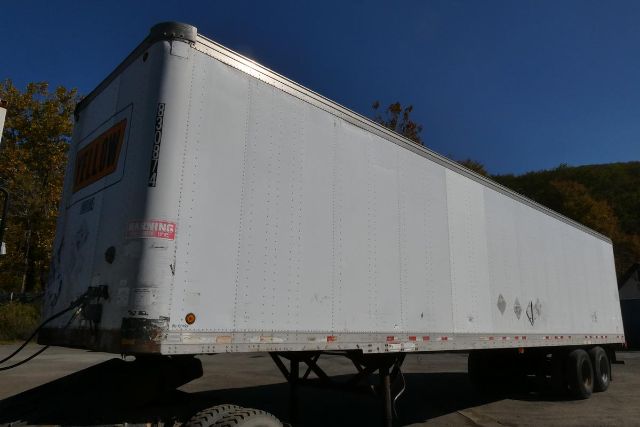
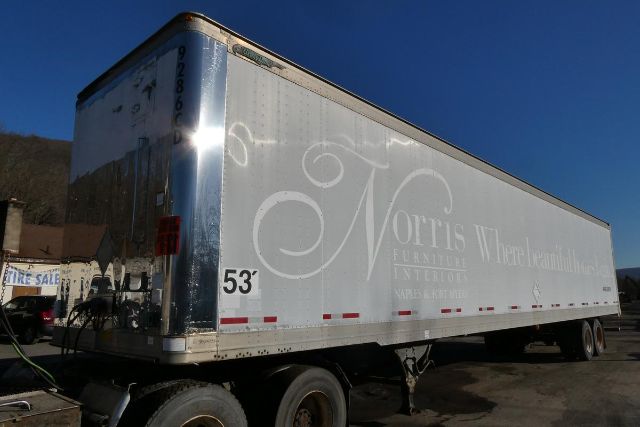
For enclosed trailers, common checkpoints include overall length, 102-inch width, inside height, door style, floor condition, and axle configuration. Dry van buyers usually look closely at wood floors, scuff liners, logistics posts, E-track, threshold plates, and whether the trailer has swing doors or a roll-up door. Suspension type is another major factor, with air ride often preferred for ride quality and cargo protection, while spring ride can be simpler and less expensive to maintain. On older vans, pay close attention to roof bows, side sheet repairs, water intrusion, and signs of patchwork around the nose, rear sill, and dock impact zones.
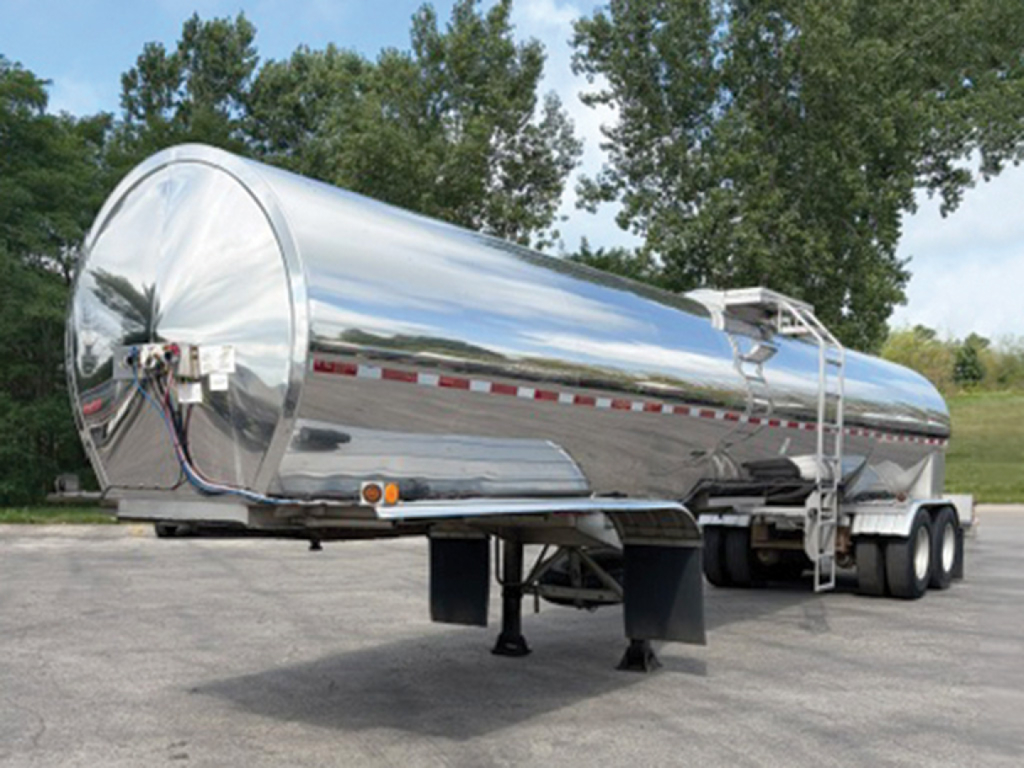
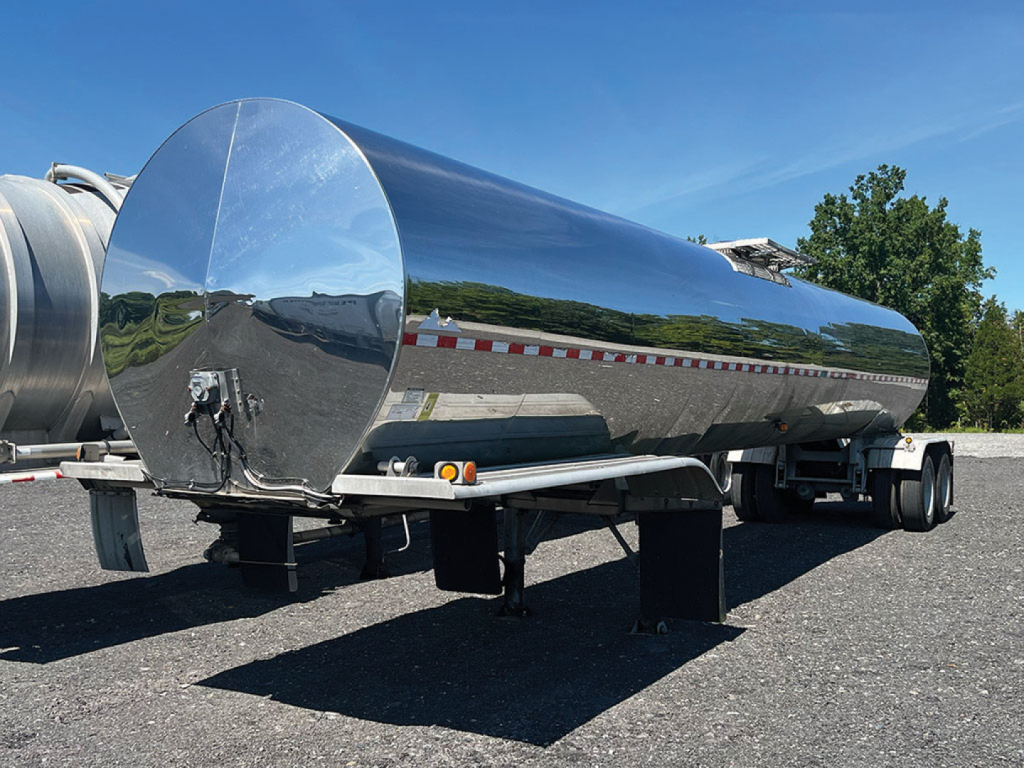
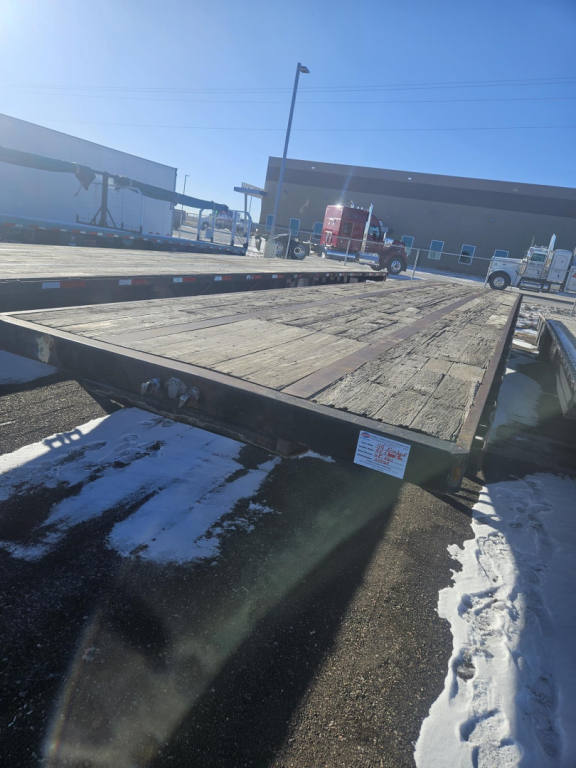
For bulk, tank, and vocational trailers from 1999, spec details drive usability. Pneumatic dry bulk buyers should verify cubic capacity, hopper count, discharge layout, blower compatibility, product history, and the condition of valves, piping, and aeration components. Flatbed and drop deck buyers should inspect main beams, aluminum versus steel construction, deck condition, winch track integrity, and any evidence of concentrated load damage. Dump and heavy haul trailers require careful review of frame alignment, suspension wear, cylinder mounts, hinge points, and brake condition. Older specialty trailers can offer strong value, but only if their current spec still matches the intended commodity and operating region.
A used 1999 trailer also needs to pencil out on compliance and maintenance. Tire size, wheel type, brake configuration, ABS status, lighting, mudflaps, DOT inspection readiness, and parts support all affect total ownership cost. Sliding tandems, kingpin setting, axle spread, and bridge-law compliance matter if the trailer will run interstate freight. Buyers should also consider empty weight versus payload, corrosion exposure, and whether prior repairs were cosmetic or structural. The best 1999 trailer purchase is usually the one with a clear maintenance history, a sound frame and body, and a spec that fits the job without requiring expensive rework.
Frequently Asked Questions about Used 1999 Trailers
What should I inspect first on a used 1999 trailer?
Start with the frame, suspension, brakes, tires, floor, roof, and rear structure. On an older trailer, structural condition is more important than cosmetic appearance. Look closely for corrosion, cracked welds, bent crossmembers, worn slider components, patched sidewalls, soft spots in wood flooring, and damage around the kingpin plate and landing gear mounts. A trailer that looks clean but has frame or running gear issues can become much more expensive than a rougher unit with solid structure.
Is a 1999 trailer still worth buying for commercial use?
Yes, if the trailer has been maintained well and its specification matches the work. Many 1999 trailers remain serviceable in regional, vocational, farm, storage, and dedicated-route applications. The key is parts support, brake and lighting compliance, structural integrity, and realistic expectations about maintenance. Buyers should budget for tires, brake work, suspension wear items, wiring repairs, and door or floor work if the trailer has seen heavy service.
Which specs matter most when comparing used enclosed trailers from this year range?
Length, width, inside height, door style, suspension, axle setup, and floor condition are the core specs. For dry vans, buyers also pay attention to logistics posts, scuff liners, E-track, roof material, lining, and whether the tandem is fixed or sliding. A sliding tandem can improve bridge compliance flexibility, while air ride can be better for sensitive cargo. Door opening height and floor condition matter if the trailer will handle pallets, liftgate freight, or repeated dock loading.
What is the main risk with older specialty trailers like pneumatic, tank, or dump trailers?
The biggest risk is buying a trailer whose current condition or configuration no longer matches the intended commodity or duty cycle. On pneumatic and tank trailers, worn valves, piping, seals, and discharge systems can create downtime quickly. On dump and heavy-duty vocational trailers, frame fatigue, cylinder wear, hinge damage, and corrosion can be costly to correct. Specialty trailers can be strong value purchases, but only when the vessel, frame, and running gear are sound and the trailer is set up for the material being hauled.
How do axle setup and suspension affect trailer value on a used 1999 model?
Axle configuration affects payload distribution, bridge-law flexibility, tire wear, and maintenance cost. Tandem axles are common across many trailer types, but fixed versus sliding tandems can change how useful the trailer is in different freight lanes. Suspension matters for both cargo protection and upkeep. Air ride is often preferred for smoother ride quality and freight protection, while spring suspension may be simpler and less costly to service. On any 1999 trailer, worn bushings, hangers, airbags, shocks, and alignment issues should be considered part of the value equation.