
Used 1999 Van Trailers For Sale
Browse used 1999 van trailers for freight hauling. Compare dry van specs, lengths, doors, suspension, floors, and tandem setups.
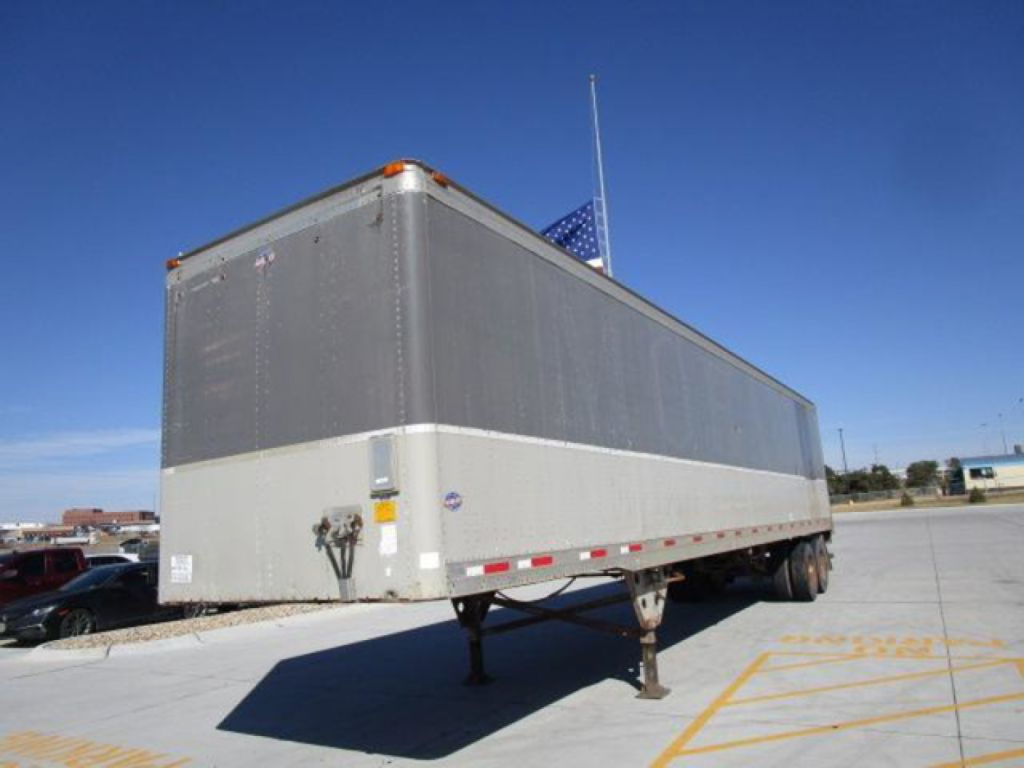
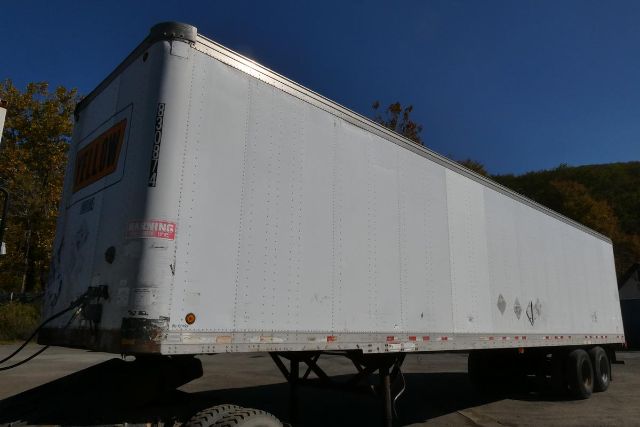
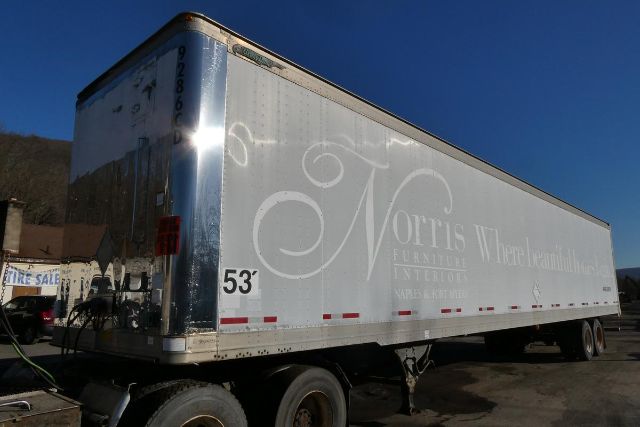
Have used 1999 van trailer to sell? List it here to reach thousands of buyers.
Used 1999 Van Trailers
The biggest buying decisions on a 1999 van trailer usually come down to structure, floor condition, and door style. Many trailers from this period were built with aluminum side panels over steel posts, wood floors, and steel rear frames, so corrosion around the rear sill, crossmembers, threshold plate, upper coupler, and landing gear mounts deserves close attention. Floor life matters if the trailer will handle heavy forklift traffic. Check for soft spots, patched boards, fastener pull-through, and crossmember fatigue. Rear swing doors are common and simple to maintain, while roll-up doors can improve dock convenience but add weight and create another wear point in the track and spring assembly.
Spec differences can make an older van trailer much more useful for certain lanes. A sliding tandem helps with bridge law and axle spread requirements, while a fixed tandem may be lighter and simpler. Air ride is preferred for more fragile freight, but spring ride can still make sense for tougher commodity hauling and lower acquisition cost. Interior details such as scuff liners, plywood or plastic lining, logistics posts, and E-track can add real value if the trailer is going into retail, LTL, moving, or dedicated contract service. Buyers should also confirm inside height, door opening height, tire size, wheel type, and kingpin setting, especially if the trailer needs to match established fleet standards.
For a 1999 model, roadability and remaining service life are more important than brand name alone. Look closely at roof condition, wall repairs, rivet lines, light wiring, ABS function, brake wear, and suspension components. Tire age, bushing wear, slider operation, and alignment can quickly change the true cost of ownership on an older dry van. A sound 1999 van trailer can still serve well in short-haul freight, storage service, farm supply work, regional warehouse shuttles, or as a lower-cost backup trailer, provided the frame, floor, and rear structure are still solid.
Frequently Asked Questions about Used 1999 Van Trailers
What should I inspect first on a used 1999 van trailer?
Start with the frame, crossmembers, floor, rear frame, and roof. On an older dry van, structural condition drives the trailer's value more than cosmetic appearance. Look for corrosion around the rear sill and landing gear supports, cracked or repaired crossmembers, soft wood flooring, roof leaks, and signs of sidewall separation or heavy patchwork. After that, inspect brakes, tires, suspension, lighting, ABS, and slider function if it has a sliding tandem.
Are 1999 van trailers usually 48 foot or 53 foot models?
Both are common, but the answer depends on the trailer's original application. Many 1999 dry vans in regional and dock freight service were built as 48-foot trailers, while 53-foot vans were already well established in over-the-road freight. Buyers should verify overall length, inside dimensions, and tandem configuration because those details affect payload distribution, lane compliance, and dock compatibility.
Is air ride better than spring ride on an older van trailer?
Air ride is generally preferred for ride quality and freight protection, especially with palletized consumer goods, retail freight, and other damage-sensitive loads. Spring ride is simpler and can cost less to maintain, which may suit rougher freight or lower-mileage use. On a 1999 trailer, actual condition matters more than the suspension type alone, so worn air bags, tired shocks, or damaged spring components should be factored into the purchase decision.
Can a used 1999 van trailer still be a good buy for commercial work?
Yes, if the trailer is structurally sound and matched to the right job. Many older van trailers continue working in regional freight, warehouse transfer, storage, and seasonal overflow service. The key is to buy based on condition and intended use. A well-maintained older dry van can still provide good value, but a trailer with major floor damage, heavy corrosion, or rear frame fatigue can become expensive quickly.
What interior features matter most in a dry van trailer?
The most useful interior features depend on the freight. Scuff liners help protect sidewalls from pallet and forklift contact. Plywood or plastic lining can reduce damage and simplify repairs. Logistics posts and E-track improve load securement flexibility. Floor thickness and condition are critical for frequent forklift loading, and inside height matters for cube-sensitive freight. On an older 1999 van trailer, these features can meaningfully affect both usability and refurbishment cost.