
Used 1997 Trailers For Sale
Browse used 1997 trailers for sale, including van, flatbed, drop deck, tanker, reefer, and specialty models with common specs and buying tips.
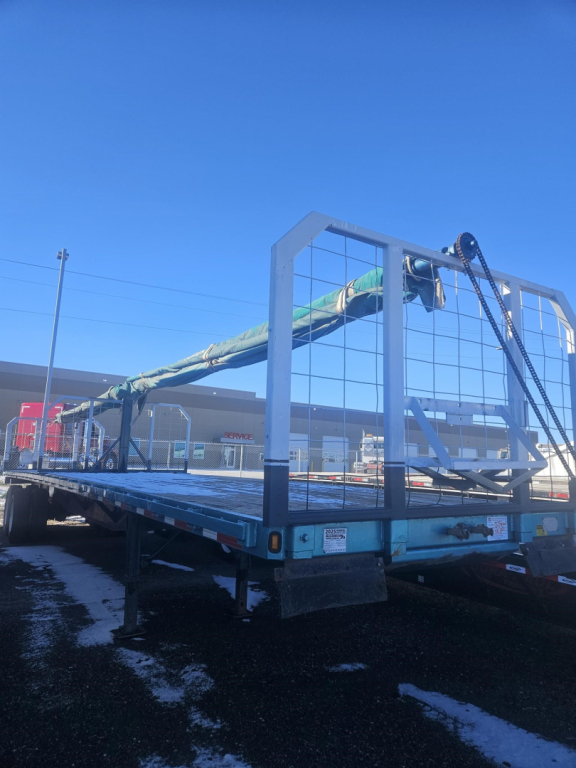
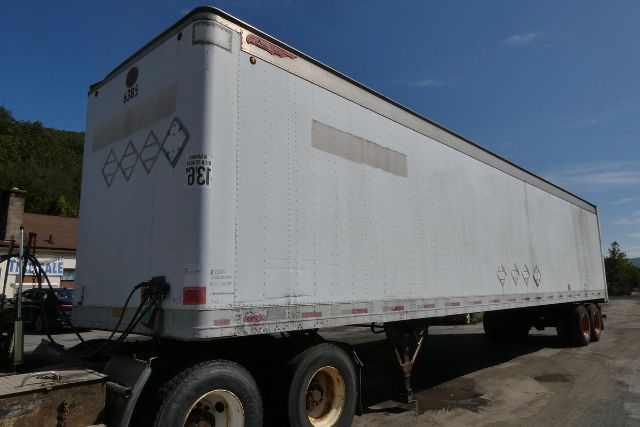
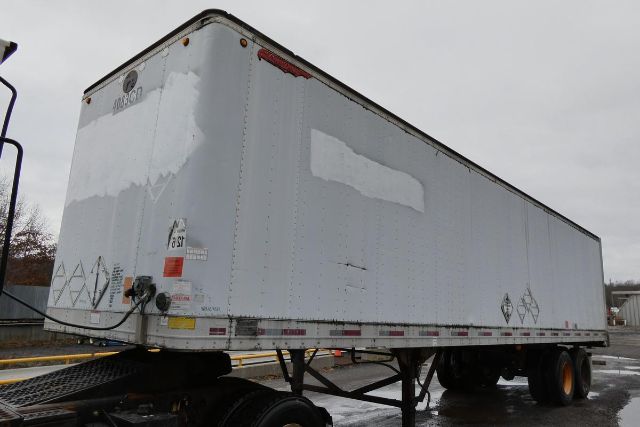
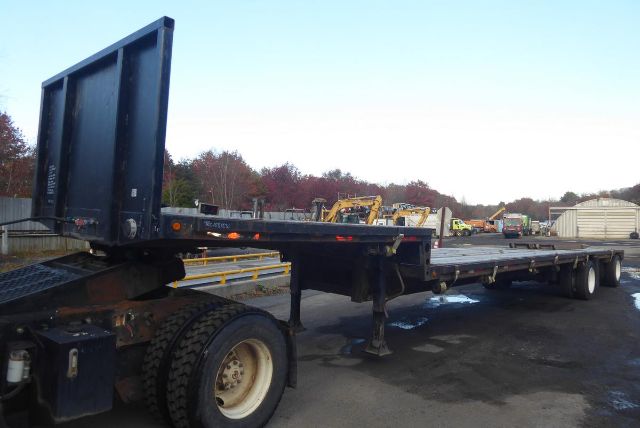

Selling a used 1997 trailer? List your used 1997 trailer for sale and reach thousands of commercial buyers.
Used 1997 Trailers
Construction details matter more on older trailers because material fatigue and corrosion can vary widely by region and application. On van trailers, check roof bows, front wall condition, scuff liners, floor wear, rear door frame integrity, and slider operation if equipped with sliding tandems. On flatbeds and drop decks, pay close attention to the main frame, crossmembers, deck condition, concentrated load rating, and signs of neck or suspension stress. Steel trailers from this era may show more corrosion but can be straightforward to repair, while aluminum and combo trailers often save weight but need careful inspection for cracks, prior weld repairs, and rivet or fastener issues.
Common specs on 1997 trailers depend on category, but many still follow standard dimensions that work in today’s market. Dry vans are often 48 or 53 feet long and 102 inches wide, with air ride or spring ride suspensions, swing or roll-up doors, and sliding or fixed tandem axles. Flatbeds and drop decks from this period are commonly built around tandem axle setups, 48-foot deck lengths, wood floors, and GVWR ratings that fit standard over-the-road freight requirements. Tire size, wheel type, brake condition, suspension bushings, hub condition, and kingpin wear are all high-priority checkpoints because these are the items that can quickly change the true cost of ownership.
A 1997 trailer is usually best suited for buyers who value lower acquisition cost and have a clear maintenance plan. That can make sense for farm use, regional freight, dedicated lanes, storage applications, export, or seasonal demand where a late-model unit is not necessary. Before buying, confirm VIN documentation, inspect for frame damage and hidden rust, check lights and ABS function where applicable, and review any evidence of major floor, roof, or suspension work. A well-kept older trailer can still deliver useful service, but only if the inspection is disciplined and the trailer’s condition matches the intended payload and route profile.
Frequently Asked Questions about Used 1997 Trailers
What should I inspect first on a used 1997 trailer?
Start with the frame, suspension, axles, brakes, tires, wheels, and kingpin area because those components drive both safety and near-term repair cost. After that, inspect the trailer body and floor based on type. On a van, look closely at the roof, front wall, rear frame, doors, and floor condition. On a flatbed or drop deck, inspect crossmembers, deck wear, frame rails, and any cracked or reinforced areas. Older trailers can still perform well, but structural condition matters more than appearance.
Are 1997 trailers still legal and practical for commercial use?
Yes, many 1997 trailers can still be used commercially if they meet current DOT and state requirements and are maintained in safe operating condition. Practical use depends on the trailer type, its maintenance history, and the lane it will run. Some buyers use older trailers for regional hauling, farm work, storage, or dedicated short-haul applications where the lower purchase price offsets higher maintenance risk. Compliance items such as brakes, lighting, tires, and ABS-related equipment should be verified before placing the trailer into service.
Is a 1997 trailer better for occasional use than daily over-the-road service?
In many cases, yes. A trailer from 1997 is often a strong fit for lighter-duty cycles, seasonal work, backup capacity, storage, or shorter regional routes where utilization is lower and downtime is easier to manage. For heavy daily over-the-road service, buyers should inspect more aggressively and budget for repairs to suspension parts, brake components, floors, wiring, and structural items. The right older trailer can still earn, but it should be matched to a realistic operating schedule.
What trailer types are common in the 1997 used market?
The 1997 used trailer market can include dry vans, refrigerated trailers, flatbeds, drop decks, dump trailers, tank trailers, and specialty vocational models. Dry vans and flatbeds are often the easiest categories to evaluate because their dimensions and components are familiar to most fleets and owner-operators. Specialty trailers can also be good values, but buyers need to pay closer attention to application-specific components such as hydraulic systems, pumps, gates, insulation, or cargo securement equipment.
How do I judge value on a used 1997 trailer?
Value comes from condition, configuration, and expected repair cost more than model year alone. A clean, well-maintained 1997 trailer with solid brakes, good tires, straight frame rails, sound floors, and documented repairs can be a better buy than a newer trailer with hidden structural issues. Compare axle setup, suspension type, body material, door configuration, deck or floor condition, and any recent maintenance. The best purchase is usually the trailer with the lowest total operating cost after inspection, not simply the lowest asking price.