
Used 1997 Flatbed Trailers For Sale
Shop used 1997 flatbed trailers for sale. Compare aluminum and steel specs, axle setups, deck length, tie-down gear, and legal payload factors.
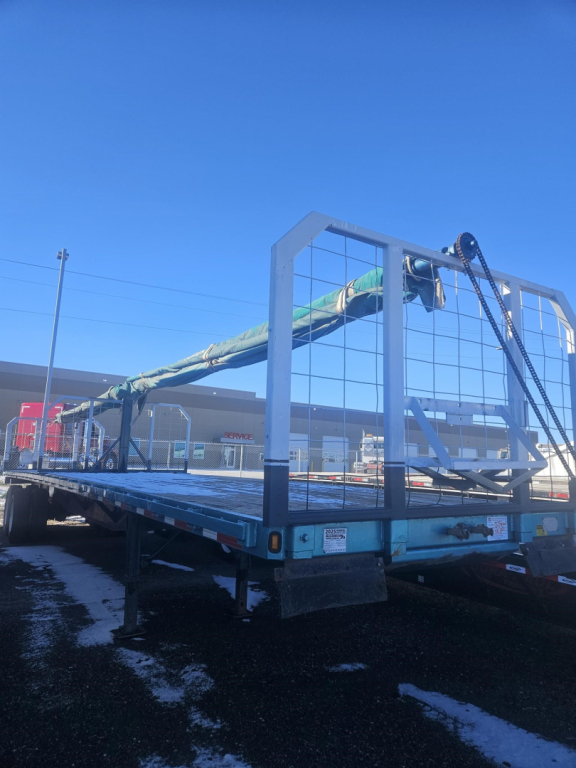
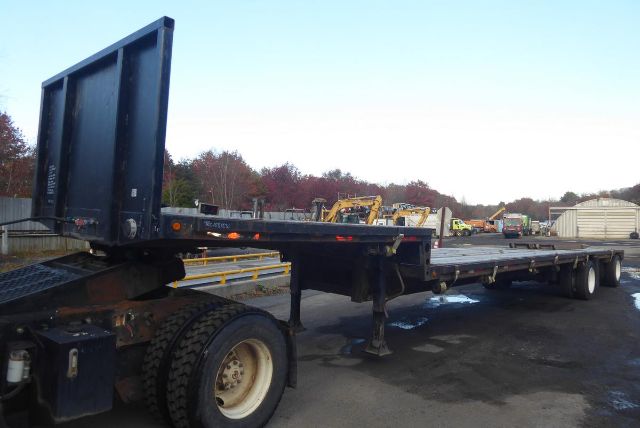
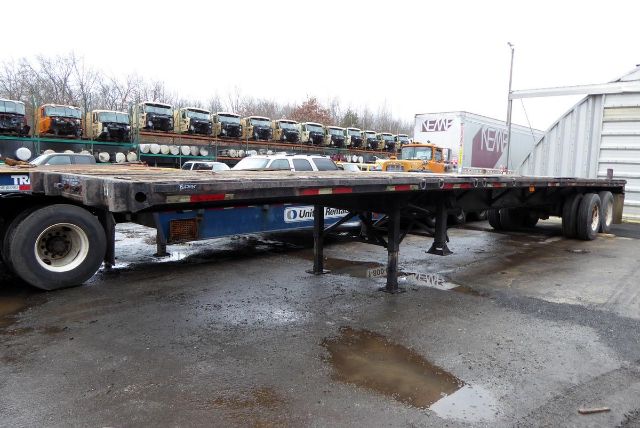
Have used 1997 flatbed trailer to sell? List it here to reach thousands of buyers.
Used 1997 Flatbed Trailers
Deck construction is one of the biggest value drivers on a 1997 flatbed. Many older units were built with aluminum floors and apitong nailer strips, while others used full wood decking or mixed-material designs. Check for soft spots, cracked boards, loose fasteners, corrosion around floor transitions, and excessive wear near forklift traffic areas. Tie-down equipment is just as important. Sliding winch tracks, chain spools, stake pockets, rub rails, and coil package layouts determine how versatile the trailer will be across steel, building materials, machinery, and palletized freight. If your freight mix includes coils, pipe, or concentrated loads, pay close attention to beam ratings, crossmember spacing, and the condition of the coil well or coil package.
Suspension and axle layout affect both maintenance cost and route flexibility. A 1997 flatbed may have a fixed tandem, spread axle, or a slider setup, often with spring ride or air ride depending on original application. Air ride typically helps with ride quality and cargo protection, but older air systems need careful inspection for worn bushings, leaking bags, and neglected valves. Axle spacing, kingpin setting, and overall bridge compliance matter if the trailer will run in California or other weight-sensitive lanes. Tires, wheels, brakes, slack adjusters, hubs, and landing gear deserve a close look because age-related wear can turn a low purchase price into immediate shop expense.
The best used 1997 flatbed trailers are usually bought by operators who know exactly what freight they want to haul and what repairs they are willing to take on. A lighter aluminum trailer may make sense for maximizing legal payload, while a heavier steel unit may fit tougher jobsite use. Look closely at DOT inspection history, VIN plate legibility, tire date codes, brake lining life, and signs of rust jacking or cracked welds around the suspension hanger area. If the trailer has been maintained, an older flatbed can still serve regional construction freight, steel products, lumber, pipe, and general commodity work with a straightforward design that is familiar to most shops and drivers.
Frequently Asked Questions about Used 1997 Flatbed Trailers
What should I inspect first on a used 1997 flatbed trailer?
Start with the frame, crossmembers, suspension hangers, and deck. Structural condition is the main issue on a trailer from 1997. Look for cracked welds, bent rails, corrosion, previous repairs, and floor damage from forklifts or concentrated loads. After that, inspect brakes, tires, hubs, air lines, lights, and landing gear to estimate near-term maintenance cost.
Is an older aluminum flatbed better than a steel flatbed?
Neither is automatically better. Aluminum flatbeds usually weigh less, which helps payload and fuel economy, and they resist rust better. Steel flatbeds are often less expensive to buy and can be easier to repair after hard use. On a 1997 trailer, the real question is how well the trailer has been maintained and whether the deck, rails, and understructure are still sound.
Are 1997 flatbed trailers still suitable for over-the-road freight?
They can be, provided the trailer passes inspection and the specs fit the freight. Many older flatbeds still work in lumber, steel, machinery, and general building materials. The key is confirming roadworthiness, legal axle configuration, secure tie-down equipment, and sufficient deck and beam strength for the loads you expect to haul.
What deck length and axle setup are most common on a 1997 flatbed trailer?
The most common setup is a 48-foot by 102-inch tandem axle flatbed. Some 53-foot and spread axle versions are also on the market. Tandem axles are simpler and common in many fleets, while spread axles can help with weight distribution but may limit maneuverability and can create route restrictions in some states.
How important is tie-down equipment on a used flatbed trailer?
Tie-down equipment is critical because it determines what freight the trailer can handle safely and efficiently. Buyers should check the condition and count of sliding winches, winch tracks, stake pockets, rub rails, chain spools, and coil package components. Replacing missing or damaged securement hardware adds cost quickly, so a well-equipped trailer often has better real-world value than a cheaper but stripped-down unit.