
Used 2015 Unknown Trailers For Sale
Have used 2015 unknown trailer to sell? List it here to reach thousands of buyers.
Used 2015 Unknown Trailers
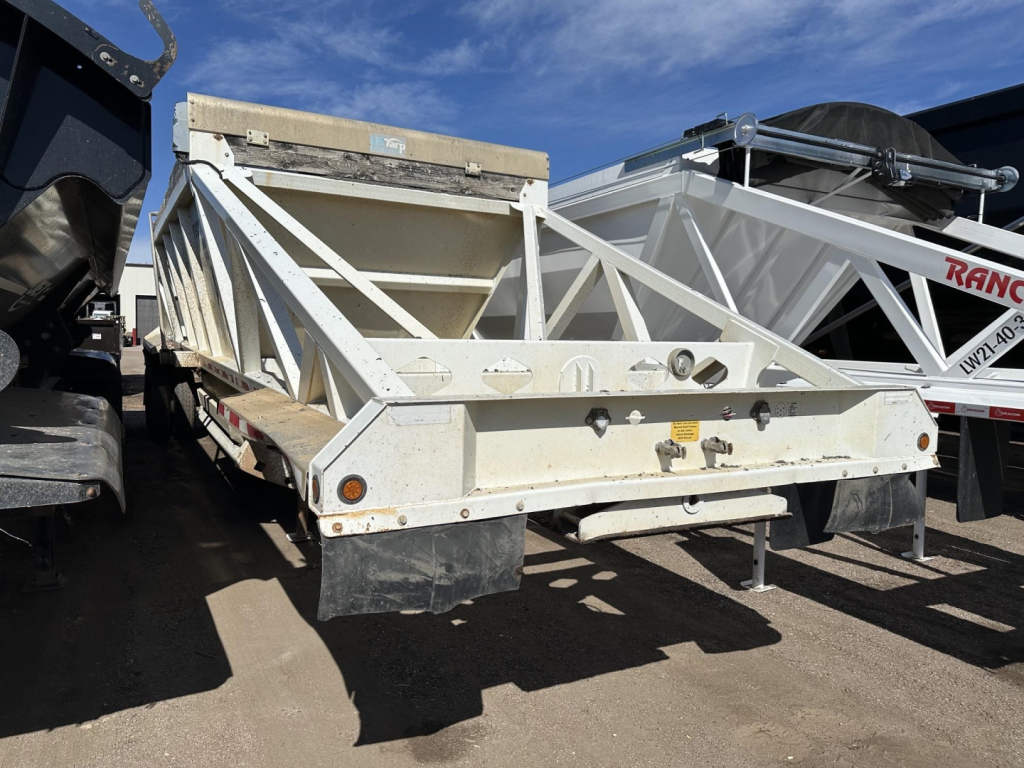
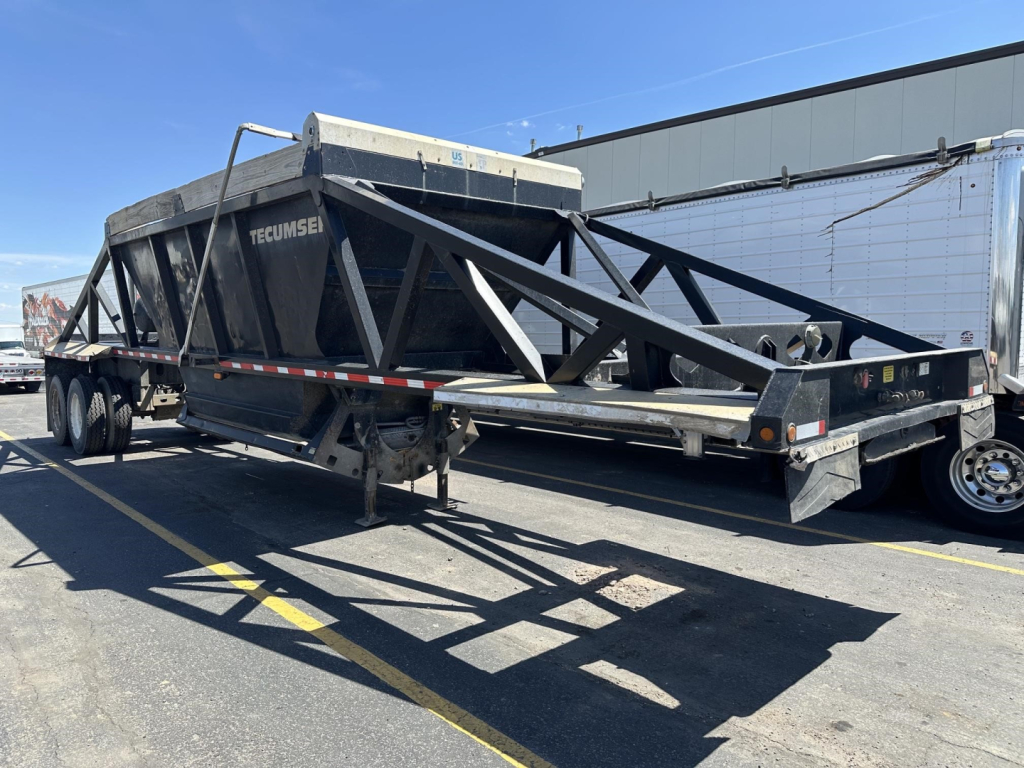
For platform and equipment hauling, focus on deck length, deck height, legal width, ramp style, axle spread, and suspension. Lowboy and equipment trailers in this class may use hydraulic air ramps, beavertails, D-rings, spring ride or air ride, and 17.5 or 22.5 rubber depending on capacity. If the trailer will haul compact equipment, skid steers, paving machines, or farm machinery, verify lower deck length, concentrated load rating, and how the kingpin setting affects bridge law compliance. On dump trailers, buyers should look closely at body material, cylinder condition, gate style, liner wear, and the condition of the tub floor and substructure, especially on older aluminum bodies that may show fatigue around high-stress areas.
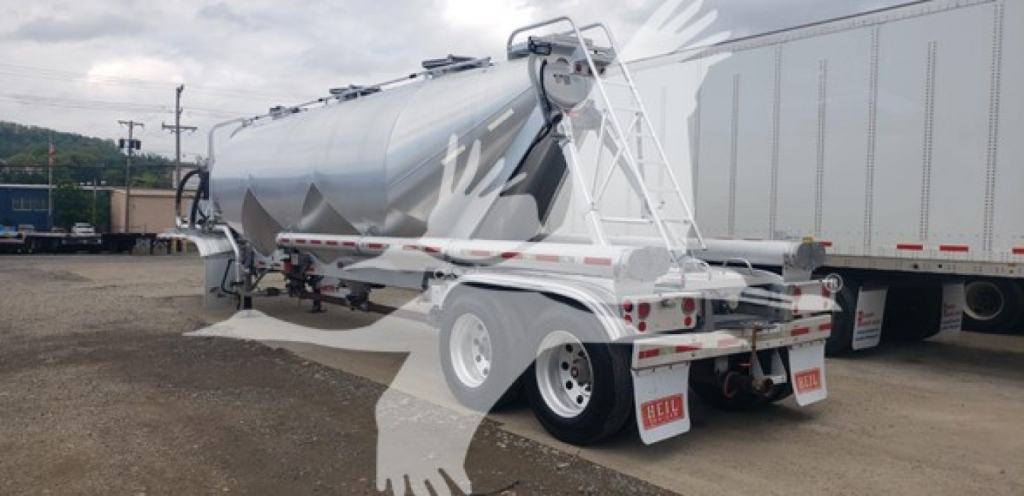
Specialized 2015 trailers such as reefer and pneumatic dry bulk units need a more technical inspection. A reefer trailer should be evaluated for insulation integrity, floor condition, door seal condition, air chute or bulkhead setup, and the status of the refrigeration unit, including hours and service history. Pneumatic dry bulk trailers, including sand tanks, should be checked for barrel condition, hopper count, piping layout, butterfly valves, aeration system, discharge plumbing, hose tube setup, and signs of corrosion around steel components and end frames. Air ride suspension, aluminum wheels, galvanized structural pieces, and good brake percentages can add value, but only if the trailer’s pressure system and discharge components are still tight and operational.
A used 2015 trailer can fit fleets, owner-operators, construction outfits, and agricultural operations if the spec matches the work. Buyers should confirm GVWR or capacity, axle configuration, overall length, inside dimensions where relevant, and current DOT compliance items such as lights, ABS function, brakes, and mud flap setup. If the trailer has an unknown make, VIN verification and parts support become even more important. Standard components from Hendrickson, Wabash, Utility, Great Dane, Carrier, Thermo King, or common brake and valve suppliers are easier to service over the long term than proprietary hardware. The best value usually comes from a trailer with a clean, application-appropriate spec and a straightforward maintenance history.
Frequently Asked Questions about Used 2015 Unknown Trailers
What should I inspect first on a used 2015 trailer with an unknown make?
Start with the VIN plate, frame, suspension, brakes, tires, and any structural wear points tied to the trailer type. On a flatbed or lowboy, inspect the deck, crossmembers, neck area, and ramp pivots. On a dump trailer, inspect the tub floor, hoist or cylinder, and hinge points. On a reefer, inspect the floor, doors, and refrigeration system. On a pneumatic dry bulk trailer, inspect the barrel, hoppers, valves, and discharge plumbing. Unknown make trailers can still be solid purchases, but buyers need to confirm parts availability and verify that major components are standard and serviceable.
Is a 2015 trailer still a good buy for commercial hauling?
Yes, if the trailer has the right spec for the job and the condition supports continued service. A 2015 model is old enough that maintenance history matters more than age alone. Many trailers from this year remain productive because the core structure and running gear are durable when properly maintained. Buyers should compare repair needs against expected use, especially for brakes, tires, suspension bushings, floors, doors, valves, and any hydraulic or refrigeration systems.
How do I choose the right used 2015 trailer type for my operation?
Match the trailer to the freight first. Lowboy and equipment trailers are built for heavy machinery and concentrated loads. Dump trailers fit aggregate, scrap, demolition, and farm work. Reefer trailers are for temperature-controlled freight. Pneumatic dry bulk trailers are designed for products like sand, cement, lime, and other dry materials moved by air discharge. Capacity, dimensions, axle setup, loading method, and unloading method should all line up with the freight you haul most often, not just occasional jobs.
Are parts harder to source for a trailer with an unknown manufacturer?
They can be, especially for body panels, proprietary structural parts, or model-specific hardware. That said, many trailers use common industry components for suspension, axles, brakes, valves, lights, landing gear, and refrigeration units. Buyers should identify the component brands on the trailer before purchase. Standard parts from major suppliers are usually much easier to source and maintain than custom-built or limited-production components.
What specs add the most value on a used trailer from this year range?
The best value comes from practical specs that reduce downtime and match the intended application. Air ride suspension, good brakes, aluminum wheels, sound floors or decks, clean wiring, and recent tire replacement are all meaningful. On specialized trailers, the value drivers are more specific. Reefers benefit from a healthy unit and tight doors. Dry bulk trailers benefit from clean barrels, functional valves, and intact aeration systems. Equipment trailers benefit from a strong deck, properly functioning ramps, and a legal, usable axle and neck configuration.