
Used Travis Trailers For Sale
Shop used Travis trailers, including aluminum dump and end dump models known for light weight, payload capacity, and durable construction.
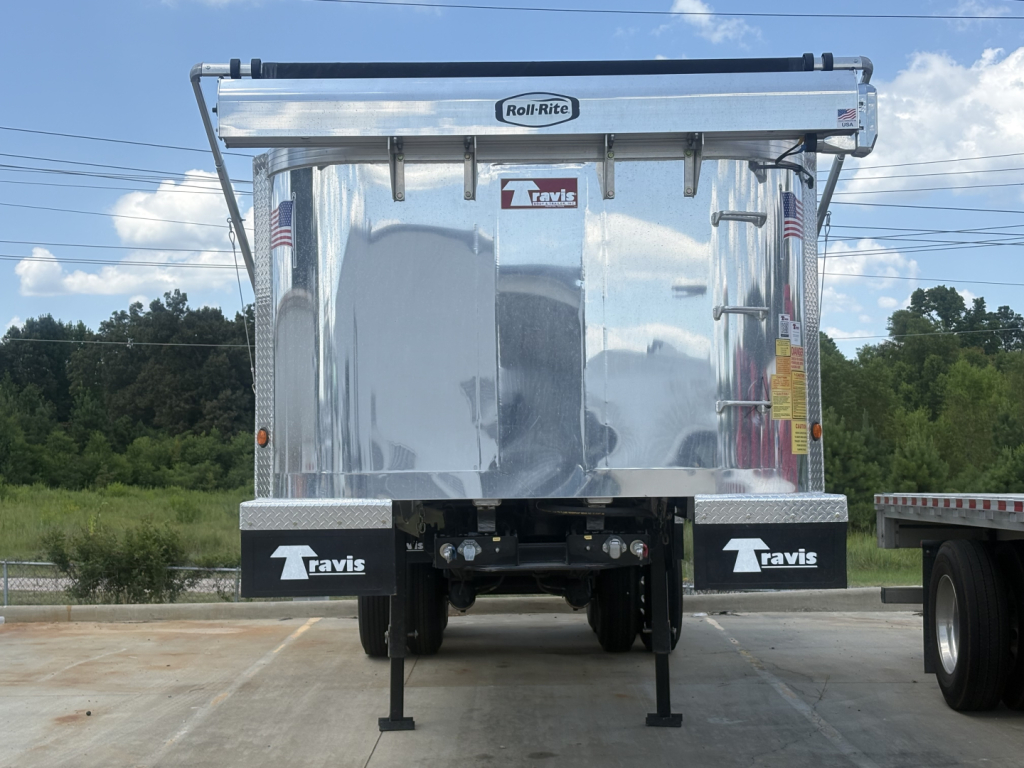
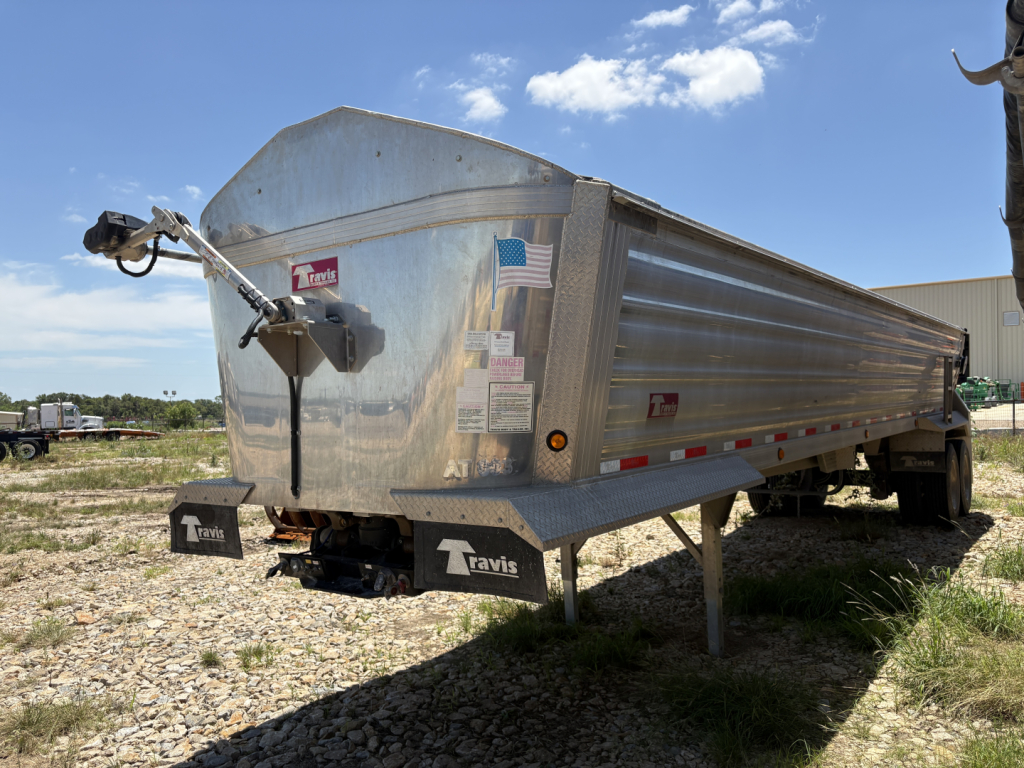
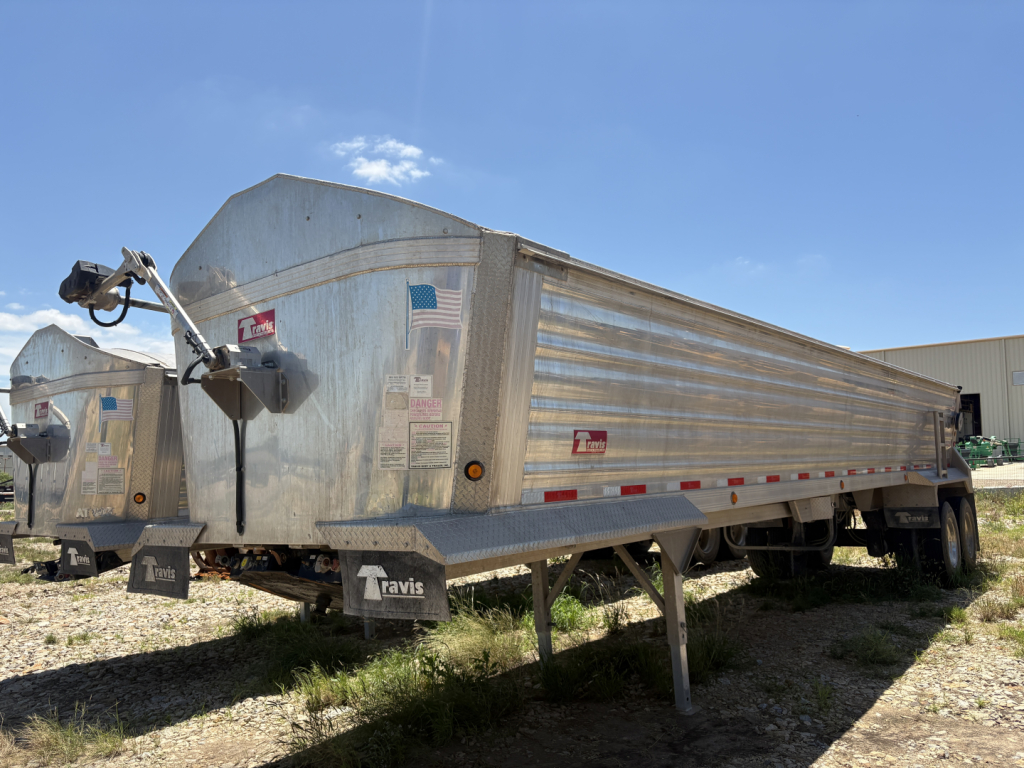
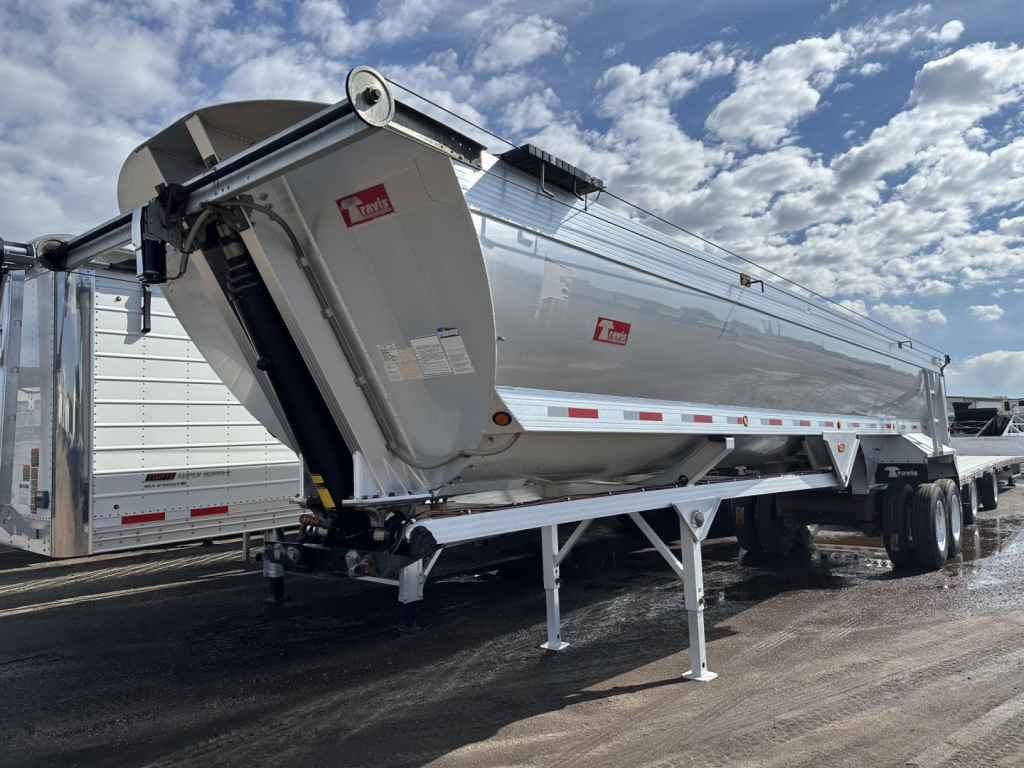
Selling a used travis trailer? List your used travis trailer for sale and reach thousands of commercial buyers.
Used Travis Trailers
A common spec range on used Travis dump trailers includes 39-foot bodies, tandem axle layouts, 102-inch width, air ride suspension, and 22.5 low-profile rubber. Aluminum tubs and draft arms help keep trailer weight down, which matters for operators chasing legal payload in states with tight bridge or gross limits. Frameless Travis trailers are especially popular where low tare weight is a priority, while the tub shape and wall construction matter more when the work involves abrasive material or loads that tend to hang up. Double-wall construction, liners, top-hinge gates, coal doors, manual or electric rollover tarps, and side ladders are all features worth checking because they affect unloading control, cleanout, safety, and versatility across different commodities.
Condition matters more than model year alone on a used Travis trailer. Buyers should inspect the tub floor, sidewalls, crossmember areas, suspension components, hoist mounting points, landing gear, gate hardware, and tarp system for wear, cracking, distortion, or signs of prior repair. On aluminum dump trailers, pay close attention to weld quality and any stress points around the hinge area and rear frame section. Tire type, wheel material, axle spacing, and closed or spread tandem setup can also change how a trailer fits regional hauling laws and loading practices. If the trailer will spend its life on rough jobsites, look closely at suspension condition, liner wear, and evidence of hard off-road use.
A used Travis trailer can be a strong fit for fleets and owner-operators that need a lighter-weight bulk hauler without stepping away from proven dump trailer design. The brand has a solid presence in end dump work, and many buyers focus on it for applications where every pound of payload counts but durability still has to hold up under repeated cycles. The best choice usually comes down to matching tub length, gate style, liner setup, suspension, and axle configuration to the material being hauled and the roads the trailer will actually run.
Frequently Asked Questions about Used Travis Trailers
What types of used Travis trailers are most common?
The used market most commonly features Travis aluminum dump trailers, especially end dumps and frameless end dumps. These trailers are widely used in aggregate, paving, agricultural, and bulk commodity hauling because they offer a strong balance of low empty weight and usable cubic capacity. Depending on prior application, a used Travis trailer may also include options like a coal door, liner, top-hinge gate, air ride suspension, and manual or electric tarp systems.
Why do buyers choose a used Travis aluminum trailer?
Buyers usually look at Travis because aluminum construction helps reduce tare weight and improve legal payload. That can make a measurable difference in operations hauling sand, gravel, asphalt millings, grain, fertilizer, or coal. Travis trailers also have a strong reputation in dump applications, so many used buyers target them when they want a trailer that is purpose-built for bulk material service rather than a general-use design.
What should I inspect on a used Travis end dump trailer?
Focus on structural and wear items first. Inspect the tub floor, sidewalls, rear frame, hinge area, suspension, axle alignment, landing gear, gate seals and latches, tarp assembly, and all visible welds. On frameless aluminum trailers, signs of cracking, patchwork, or distortion around high-stress areas deserve close attention. It is also smart to check liner condition, tire wear patterns, wheel condition, and any evidence the trailer was overloaded or used extensively on severe off-road surfaces.
Is a frameless Travis trailer better than a frame-type trailer?
A frameless trailer is not automatically better, but it is often preferred when low trailer weight and maximum payload are the top priorities. Frameless aluminum end dumps are common in highway-oriented bulk hauling where legal weight matters on every trip. A frame-type trailer may offer advantages in some severe-service environments depending on terrain, loading practices, and duty cycle. The better choice depends on commodity, road conditions, and how often the trailer will see rough jobsite use.
Which specs matter most when comparing used Travis trailers?
The key specs are body length, axle configuration, suspension type, tub construction, gate style, tarp setup, tire size, and overall trailer weight. Buyers should also pay attention to closed tandem versus spread or other axle layouts, because that affects bridge-law compliance, maneuverability, and load distribution. For material-specific work, details like liner presence, double-wall construction, and coal or grain door configuration can be just as important as year or price.